Introduction: The Next Chapter for A Good Snowman Is Hard To Build
“A Good Snowman Is Hard To Build,” a deceptively simple puzzle game released in 2015, has carved out a unique space in the indie gaming landscape. Developed by Alan Hazelden and Benjamin Davis and published by Draknek, this title isn’s just about rolling snowballs; it’s an exercise in spatial reasoning, patience, and appreciating the beauty of minimalist design. While seemingly straightforward, its core mechanics offer surprising depth, making it a compelling experience for players of all ages. The game’s enduring popularity speaks to its timeless appeal and the developers’ ability to create something truly special with limited resources. This deep-dive review will explore every facet of “A Good Snowman Is Hard To Build,” from its visual style to its underlying systems, examining why it continues to resonate with players years after its initial release.
Visual Direction and Graphics Engineering
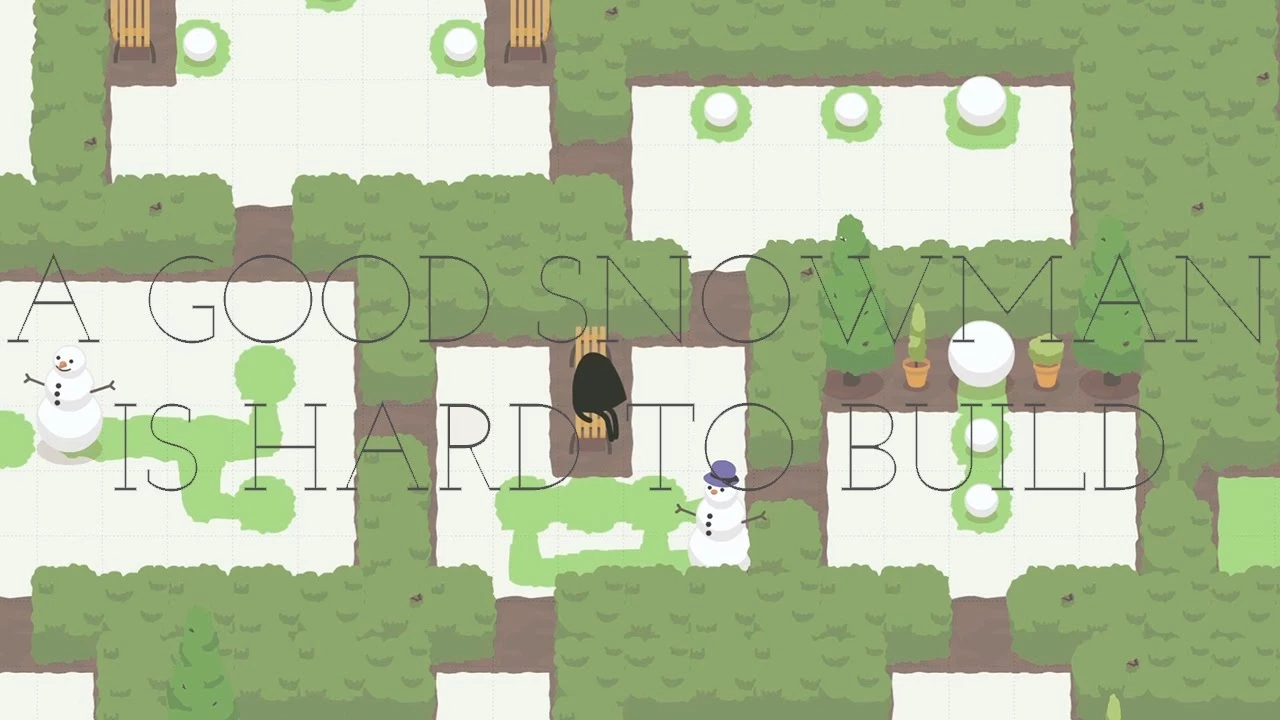
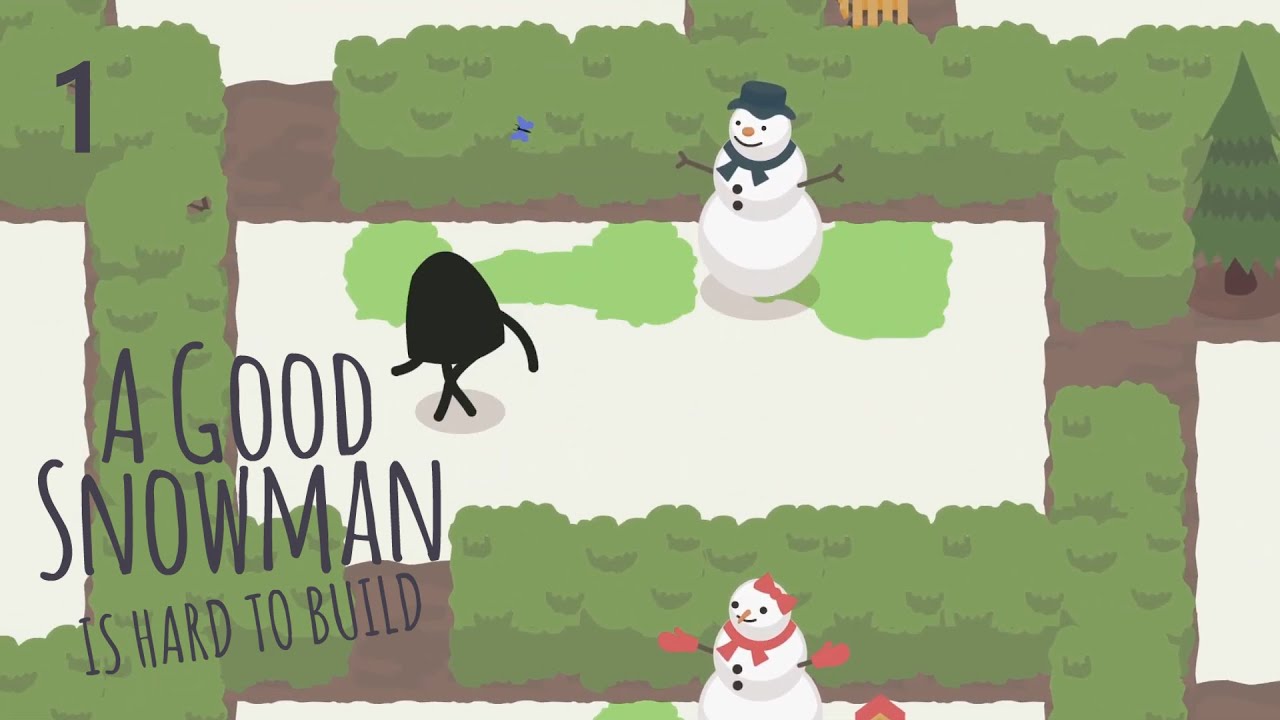
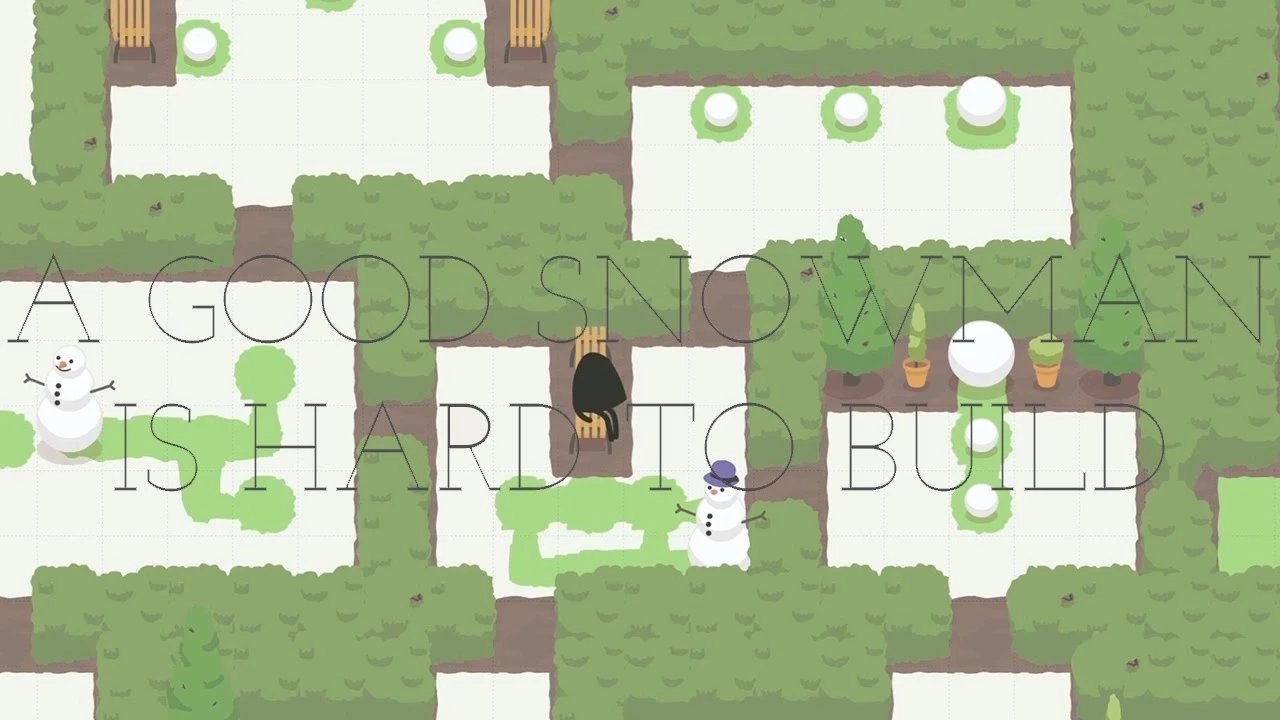
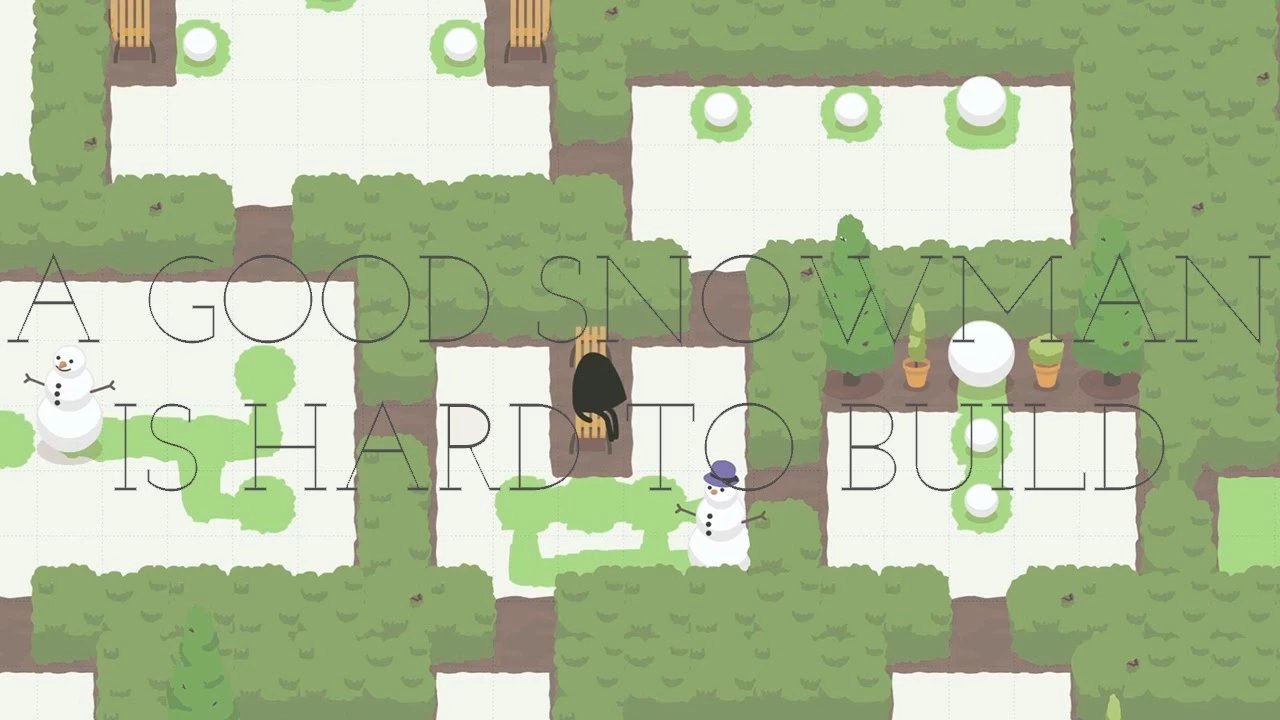
The game’s aesthetic is characterized by its stark simplicity. The environments are rendered in a clean, almost clinical style, using a limited color palette dominated by whites, blues, and grays. This minimalist approach isn’t just for show; it serves to focus the player’s attention on the core gameplay mechanics. While seemingly basic, this visual style is surprisingly effective in creating a sense of atmosphere and immersion. The developers leveraged OpenFL, an open-source framework, allowing them to create a visually consistent experience across multiple platforms, from desktop computers to mobile devices. This choice highlights the importance of efficient game engine selection for indie development.
Gameplay Mechanics and Core Systems
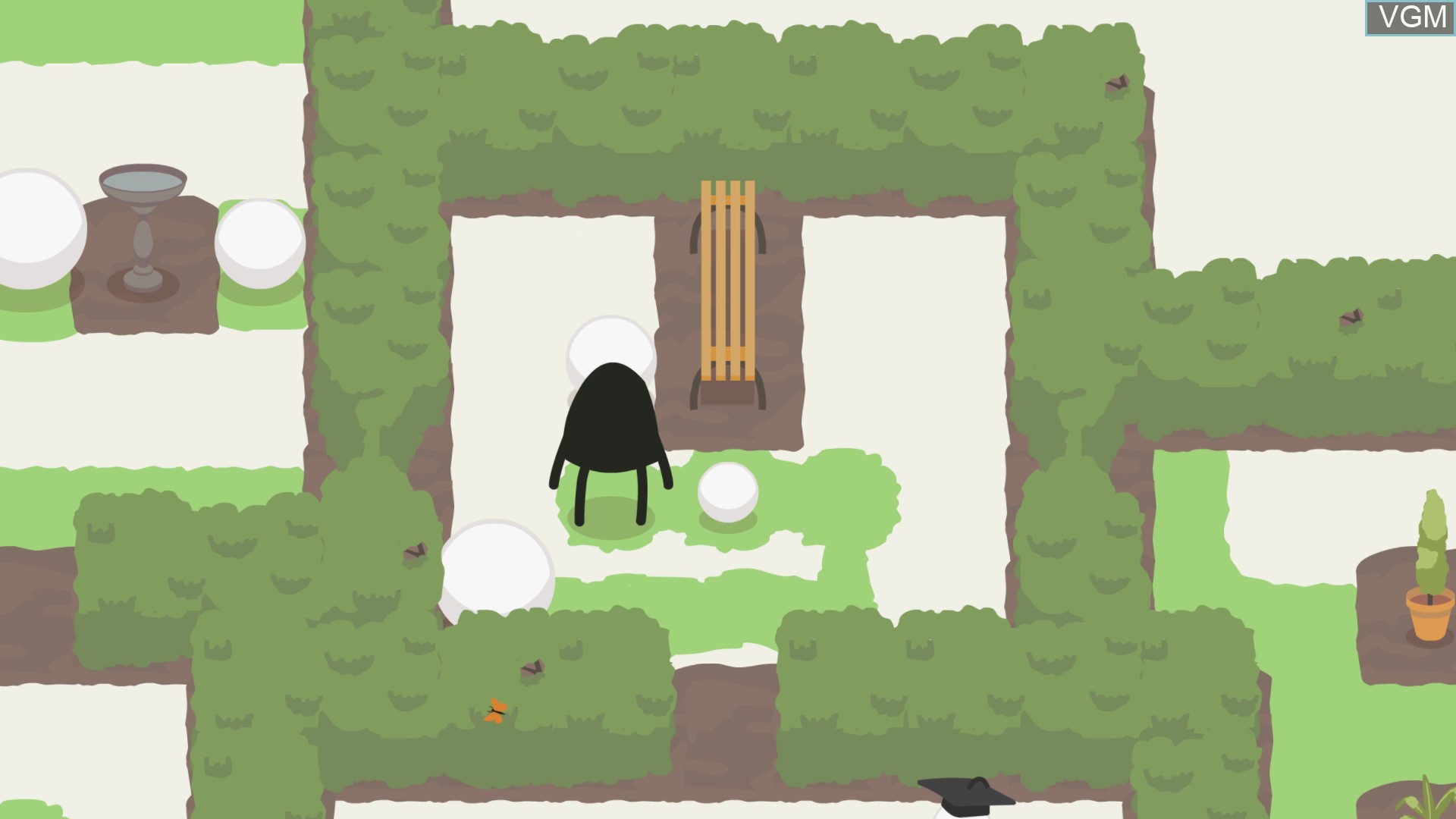
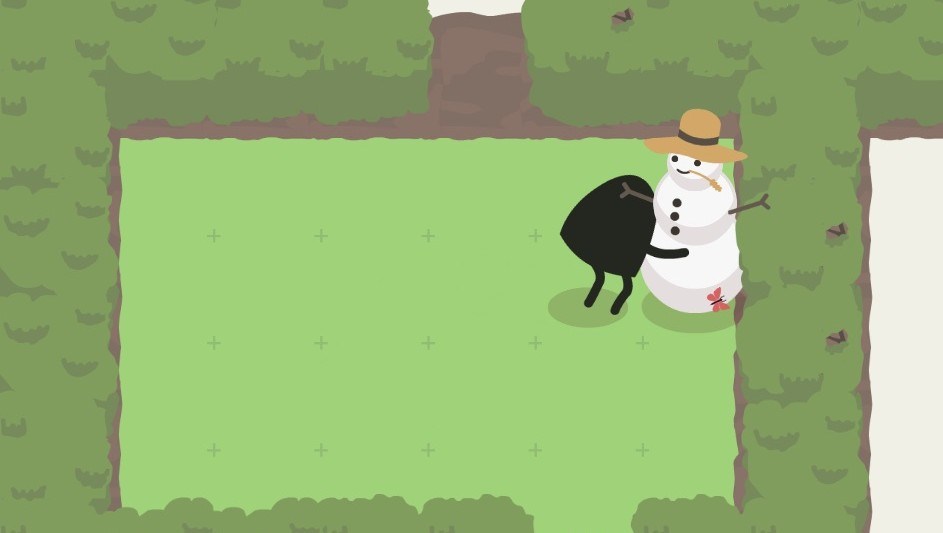
The core gameplay revolves around rolling snowballs of decreasing size to build snowmen. Players must carefully navigate the environment, avoiding obstacles and utilizing momentum to increase the size of the snowballs. The “undo” function is a crucial element, allowing players to experiment with different approaches without being permanently penalized for mistakes. This forgiving design encourages exploration and experimentation, making the game accessible to a wide range of players. The physics engine, while simple, plays a vital role in the gameplay experience, adding an element of challenge and unpredictability.
Level Design and World Atmosphere
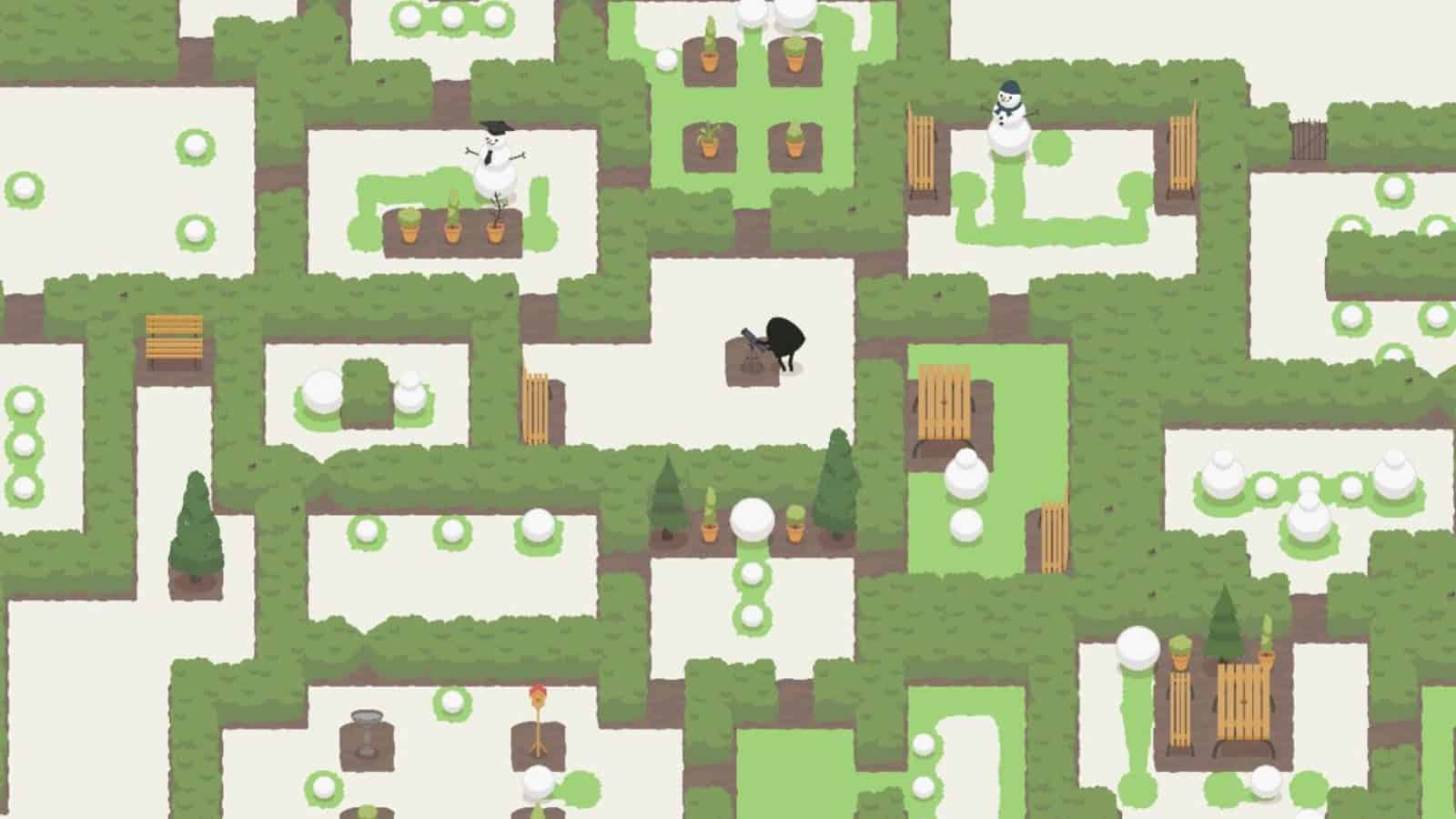
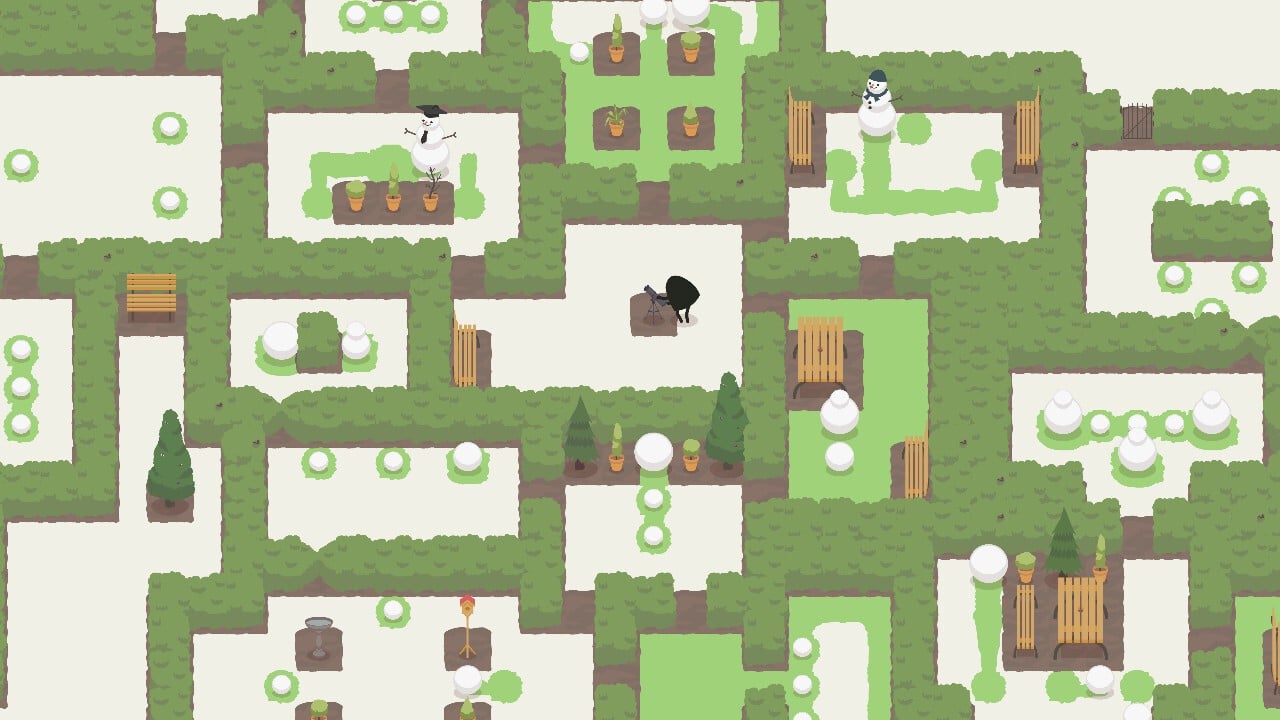
The levels are presented as interconnected rooms within a hedge maze, gradually unlocking as the player progresses. Each room presents a unique set of challenges, requiring players to adapt their strategies and utilize different techniques. The level design is carefully crafted to provide a sense of progression and discovery, rewarding players for their efforts. The atmosphere is one of quiet contemplation, encouraging players to slow down and appreciate the subtle details of each environment.
Narrative Depth and Character Profiles
While “A Good Snowman Is Hard To Build” doesn’s feature a traditional narrative structure, it possesses an underlying sense of mystery and intrigue. The featureless monster protagonist adds a layer of ambiguity to the experience, inviting players to interpret its motivations and actions. The game’s minimalist approach allows for multiple interpretations, encouraging players to engage with the world on their own terms.
Sound Design and Acoustic Realism
The sound design complements the visual aesthetic perfectly. Subtle ambient sounds create a sense of atmosphere, while the crunching of snow underfoot provides satisfying feedback as the player progresses. The music is understated but effective, enhancing the overall experience without being intrusive.
The developers clearly understood the importance of audio in creating a truly immersive gaming experience.
Release Expectations and Community Hype
Initially released to critical acclaim, “A Good Snowman Is Hard To Build” quickly garnered a dedicated following. Its unique blend of simplicity and depth resonated with players seeking a more contemplative gaming experience. The game’s success is a testament to the power of indie development and the ability to create something truly special with limited resources. The Nintendo Switch port further expanded its reach, introducing it to a new audience.
Conclusion: The Future of A Good Snowman Is Hard To Build
“A Good Snowman Is Hard To Build” remains a shining example of how simple mechanics can be combined to create a deeply engaging and rewarding gaming experience. Its enduring popularity is a testament to the developers’ vision and their ability to craft something truly special. While its future may involve updates or expansions, its core appeal will undoubtedly remain intact. The game serves as an inspiration for aspiring indie developers and a reminder that true innovation can often be found in the most unexpected places.

Source: Wikipedia