Introduction: The Next Chapter for 60 Seconds!
Robot Gentleman's *60 Seconds!* isn't just a game; it's a time-bending survival experience wrapped in a deceptively simple premise. Originally conceived as a proof-of-concept to explore the capabilities of the Unity engine, this title has evolved into a critically acclaimed indie darling, captivating players with its unique blend of frantic gameplay and surprisingly poignant narrative. This deep dive will dissect every facet of *60 Seconds!*, from its visual style to its core mechanics, revealing why it continues to resonate with audiences years after its initial release. We're not just looking at what makes the game tick; we're examining how Robot Gentleman transformed a simple idea into an enduring classic.
Visual Direction and Graphics Engineering
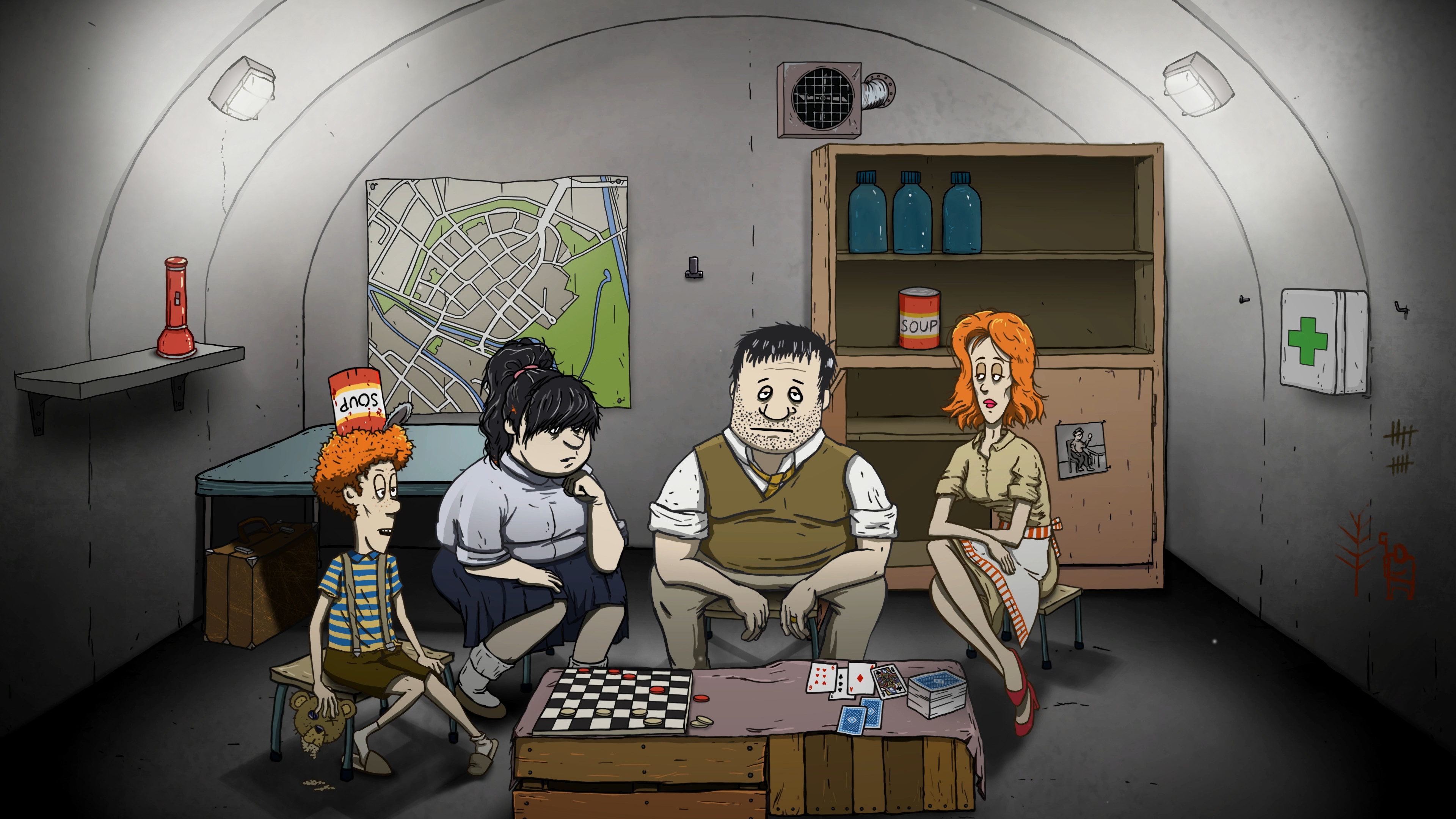
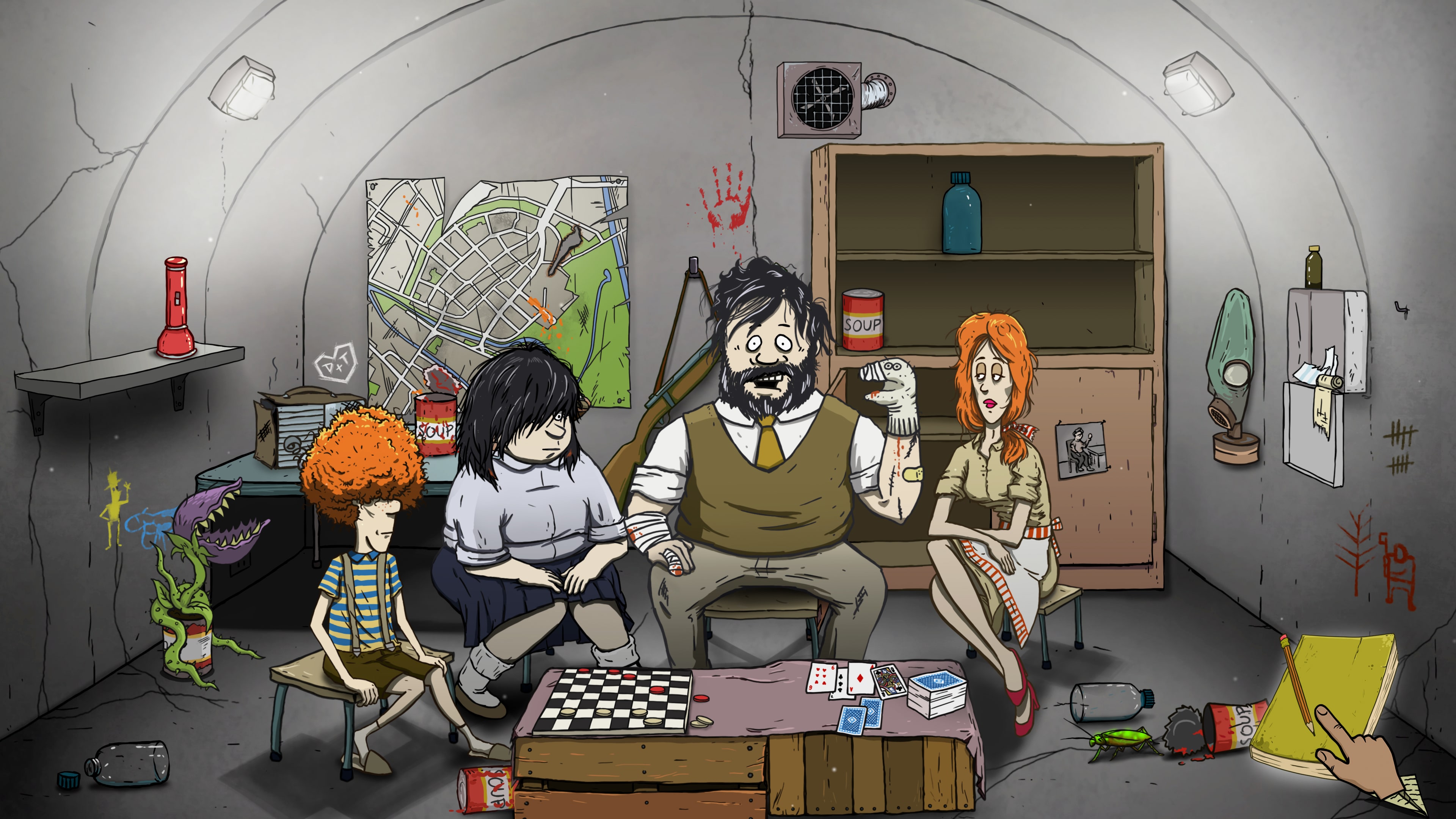
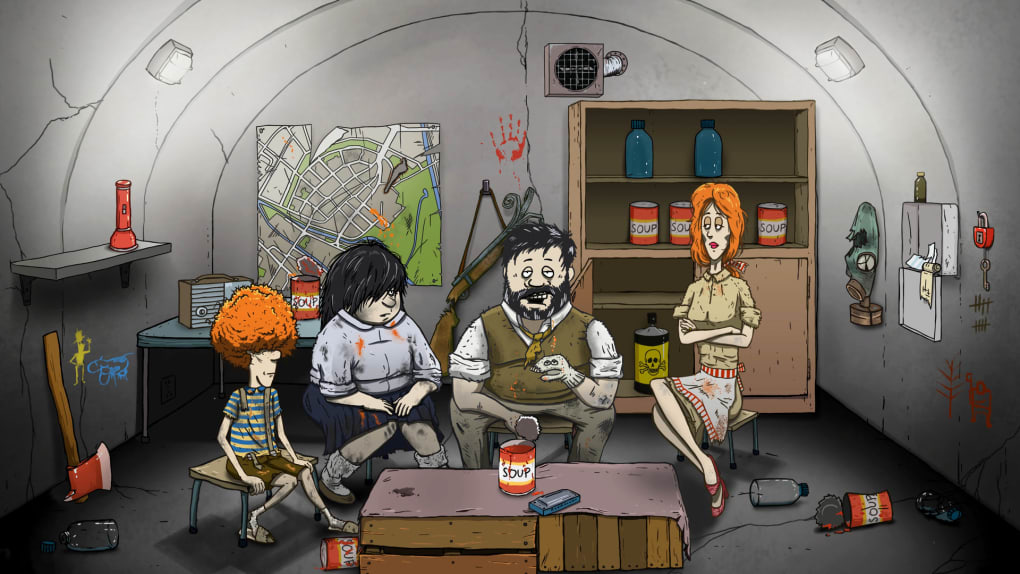
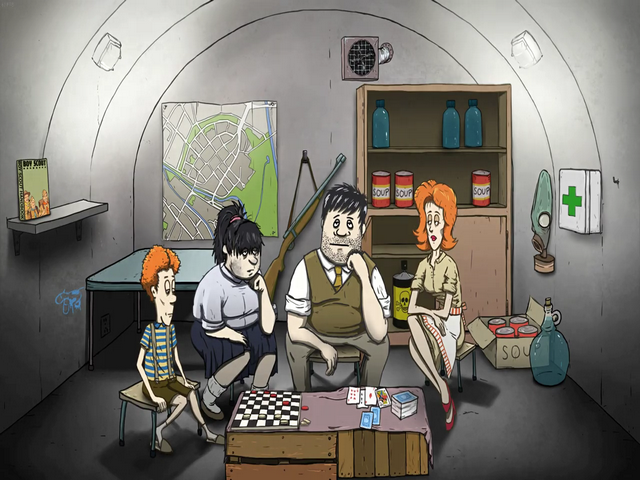
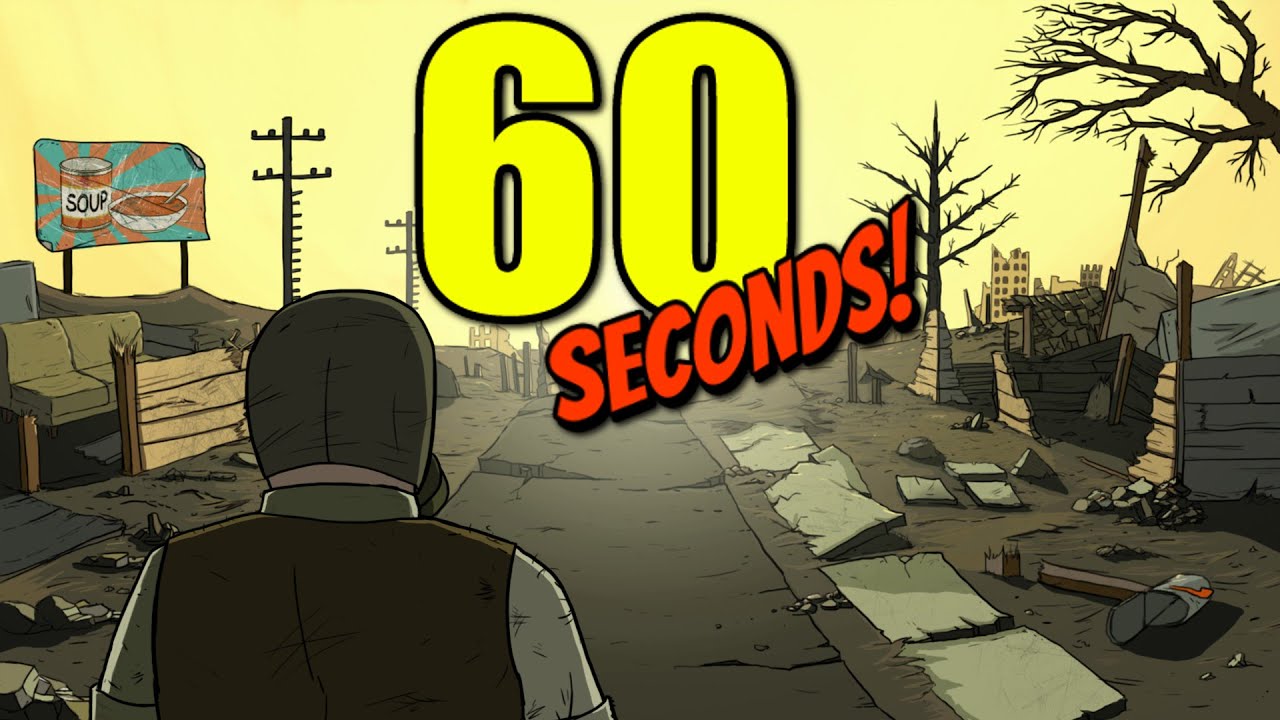
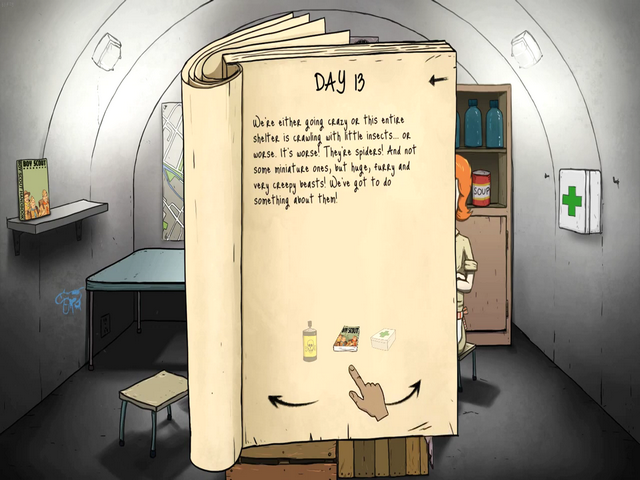
The visual aesthetic of *60 Seconds!* is immediately striking. The developers opted for a stylized, almost cartoonish art style that belies the underlying tension and drama. This choice wasn's arbitrary; it was a deliberate attempt to create a world that felt both familiar and slightly off-kilter. The limited color palette, combined with exaggerated character designs, contributes to the game's unique atmosphere. While not pushing the boundaries of graphical fidelity, *60 Seconds!* demonstrates how effective art direction can compensate for technical limitations. The use of lighting and shadow is particularly noteworthy, creating a sense of claustrophobia and impending doom. This visual style was crucial in establishing the game's tone and making it instantly recognizable.
Gameplay Mechanics and Core Systems
The core gameplay loop of *60 Seconds!* revolves around a simple yet compelling mechanic: scavenging for supplies within a strict 60-second time limit before a nuclear bomb detonates. This creates an intense pressure that permeates every aspect of the game. The player must strategically prioritize which items to collect, considering their value and how they will contribute to the family's survival. Resource management is paramount; every decision carries weight. Beyond scavenging, players also engage in driving, repairing vehicles, and navigating treacherous environments. The physics engine, while not hyper-realistic, adds a layer of challenge and unpredictability to these activities. This blend of frantic action and strategic planning is what makes *60 Seconds!* so addictive.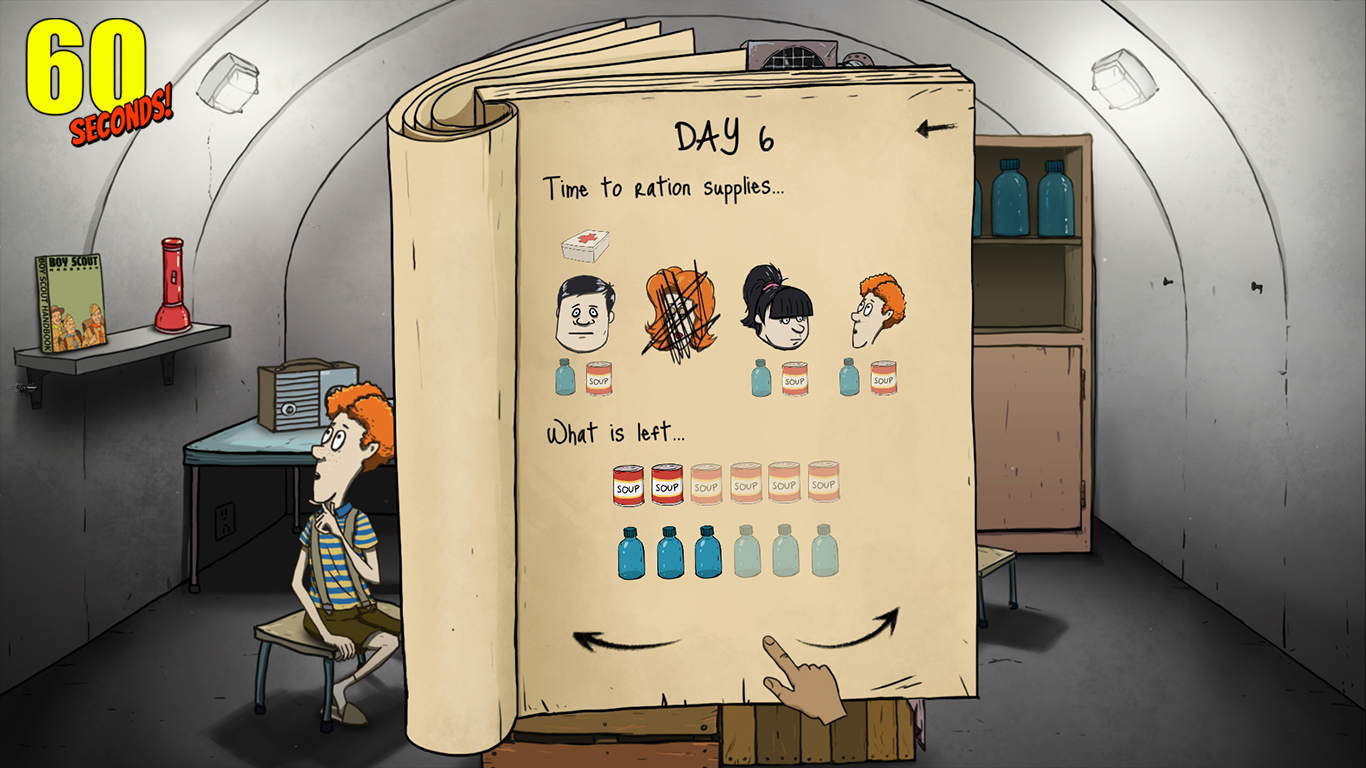
Level Design and World Atmosphere
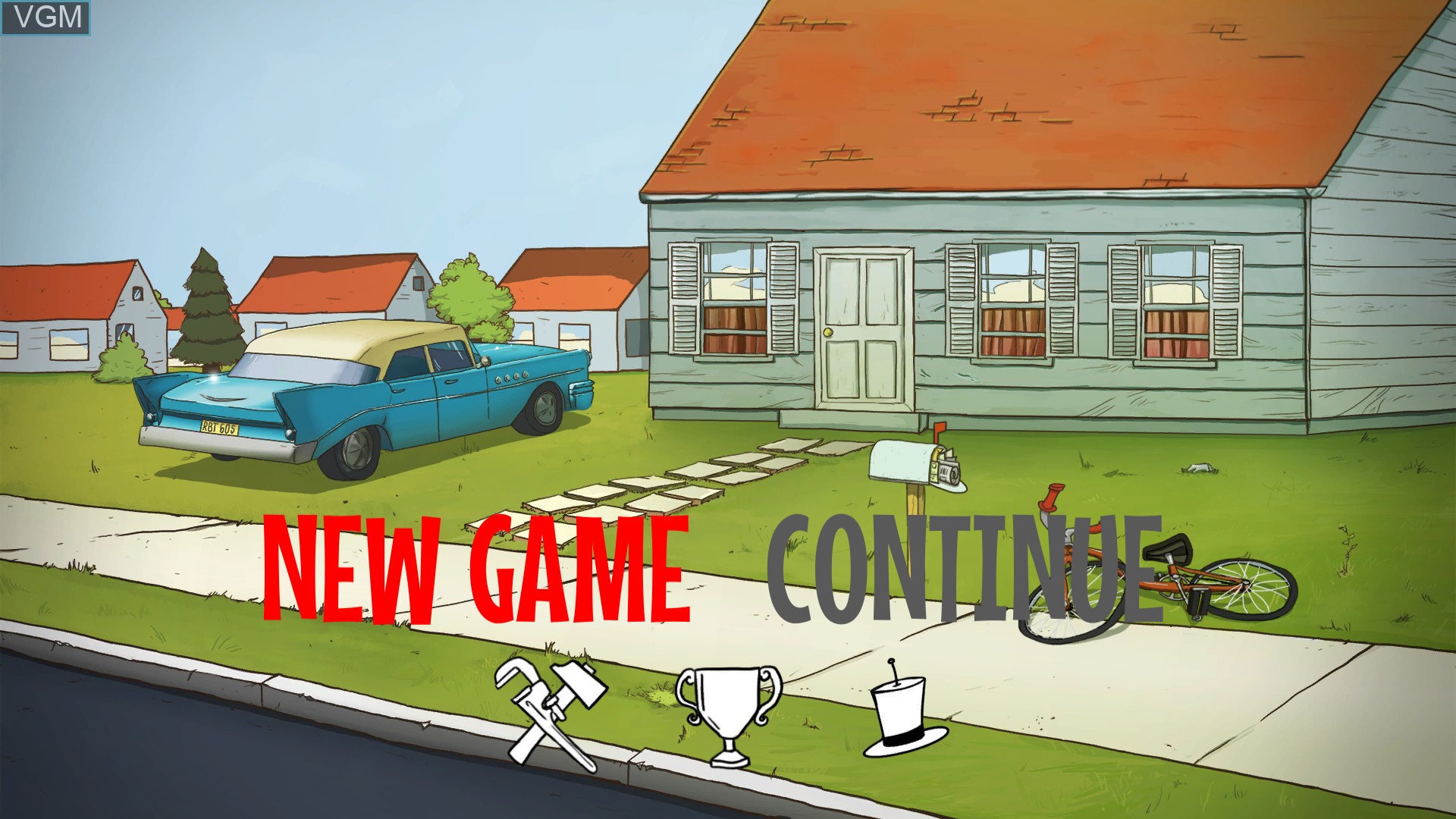
The game's levels are meticulously crafted to create a believable suburban environment on the brink of destruction. Each location, from the family home to the local grocery store, is filled with interactive elements and hidden secrets. The level design encourages exploration and experimentation, rewarding players who take the time to thoroughly search each area. The atmosphere is palpable; the developers have successfully created a sense of unease and impending doom that permeates every corner of the game world. The use of environmental storytelling further enhances the experience, revealing snippets of information about the characters and their lives before the nuclear apocalypse.
Narrative Depth and Character Profiles
Despite its seemingly simple premise, *60 Seconds!* boasts a surprisingly deep narrative. The McDoodle family, consisting of Ted, Dolores, Mary Jane, and Timmy, are more than just avatars; they are fully realized characters with their own personalities, motivations, and backstories. As players progress through the game, they learn more about each member of the family, uncovering secrets and forging emotional connections. The narrative is cleverly woven into the gameplay, revealing itself gradually as players make decisions and interact with the environment. This combination of action and storytelling elevates *60 Seconds!* beyond a simple survival game.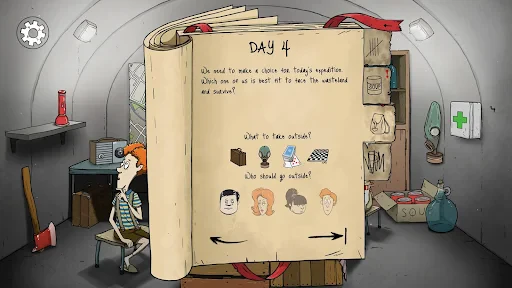
Sound Design and Acoustic Realism
The sound design in *60 Seconds!* plays a crucial role in creating its immersive atmosphere. The ticking clock, the rumbling of distant explosions, and the subtle environmental cues all contribute to the sense of urgency and impending doom. The soundtrack is equally effective, ranging from upbeat melodies that contrast with the grim reality to more somber pieces that underscore the emotional weight of the story. The sound effects are meticulously crafted to create a believable auditory experience, further enhancing the player's immersion in the game world.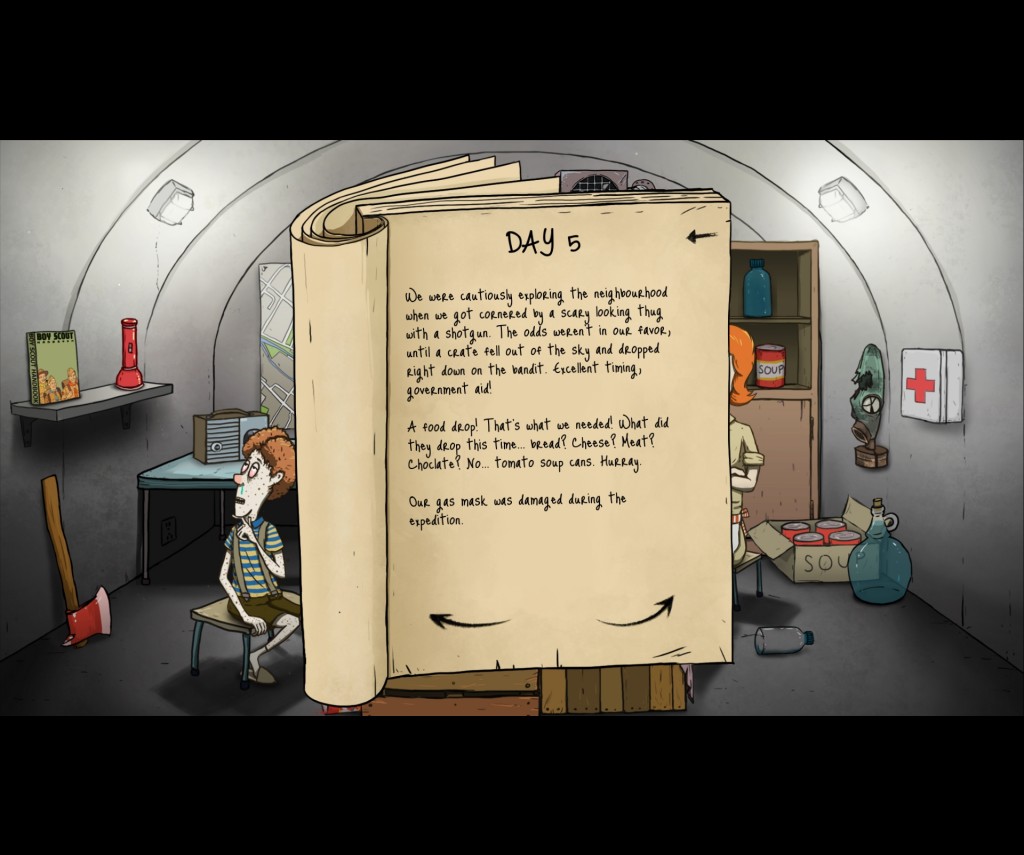
Release Expectations and Community Hype
*60 Seconds!*'s initial release was met with considerable excitement within the indie gaming community. Its unique premise, combined with its charming visuals and addictive gameplay, quickly garnered attention. The positive reception led to widespread acclaim and a dedicated fanbase. This success paved the way for subsequent releases on various platforms, including Nintendo Switch, PlayStation 4, Xbox One, Android, and iOS, further expanding its reach. The release of *60 Parsecs!*, a spiritual successor set in space, demonstrated Robot Gentleman's commitment to exploring similar themes and gameplay mechanics.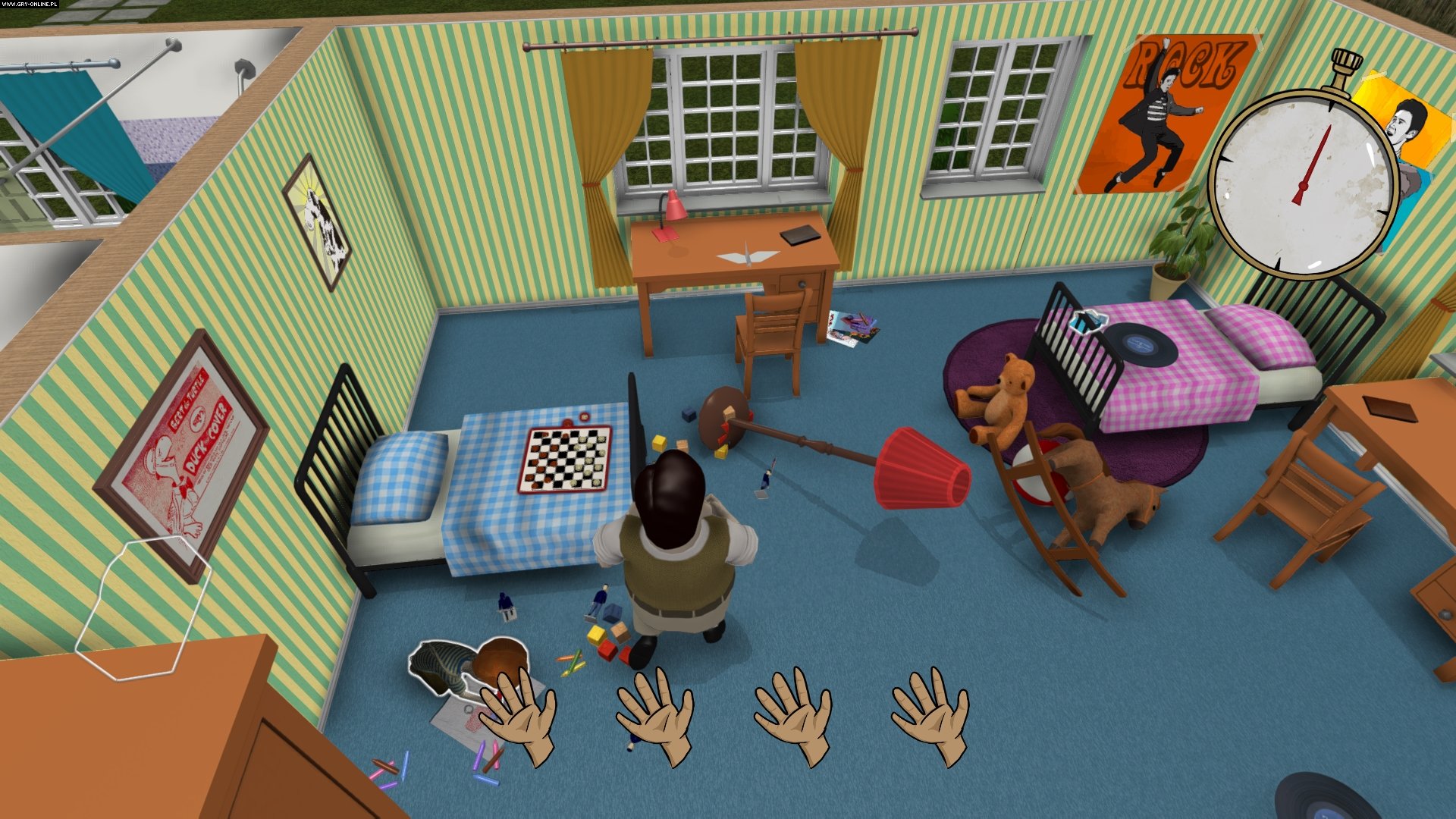
Conclusion: The Future of 60 Seconds!
*60 Seconds!* stands as a testament to the power of creative game design. It demonstrates that compelling gameplay and engaging storytelling do not require cutting-edge graphics or massive budgets. Robot Gentleman has crafted a truly unique experience that continues to resonate with players years after its initial release. The success of *60 Seconds!* has undoubtedly influenced other indie developers, inspiring them to embrace innovation and originality. While the future may hold new iterations and expansions, the core essence of *60 Seconds!* – its blend of frantic action, strategic decision-making, and heartfelt storytelling – will likely endure for years to come.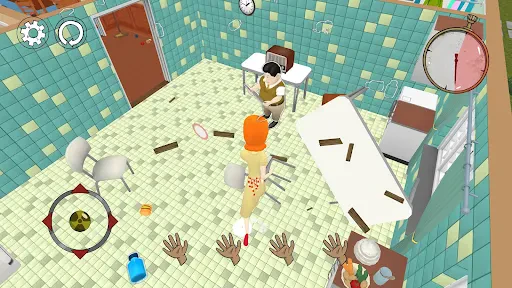

Source: Wikipedia
Google Preferred Source
Add us to your favorite news sources on Google
Get instant updates and breaking news directly in Google News