

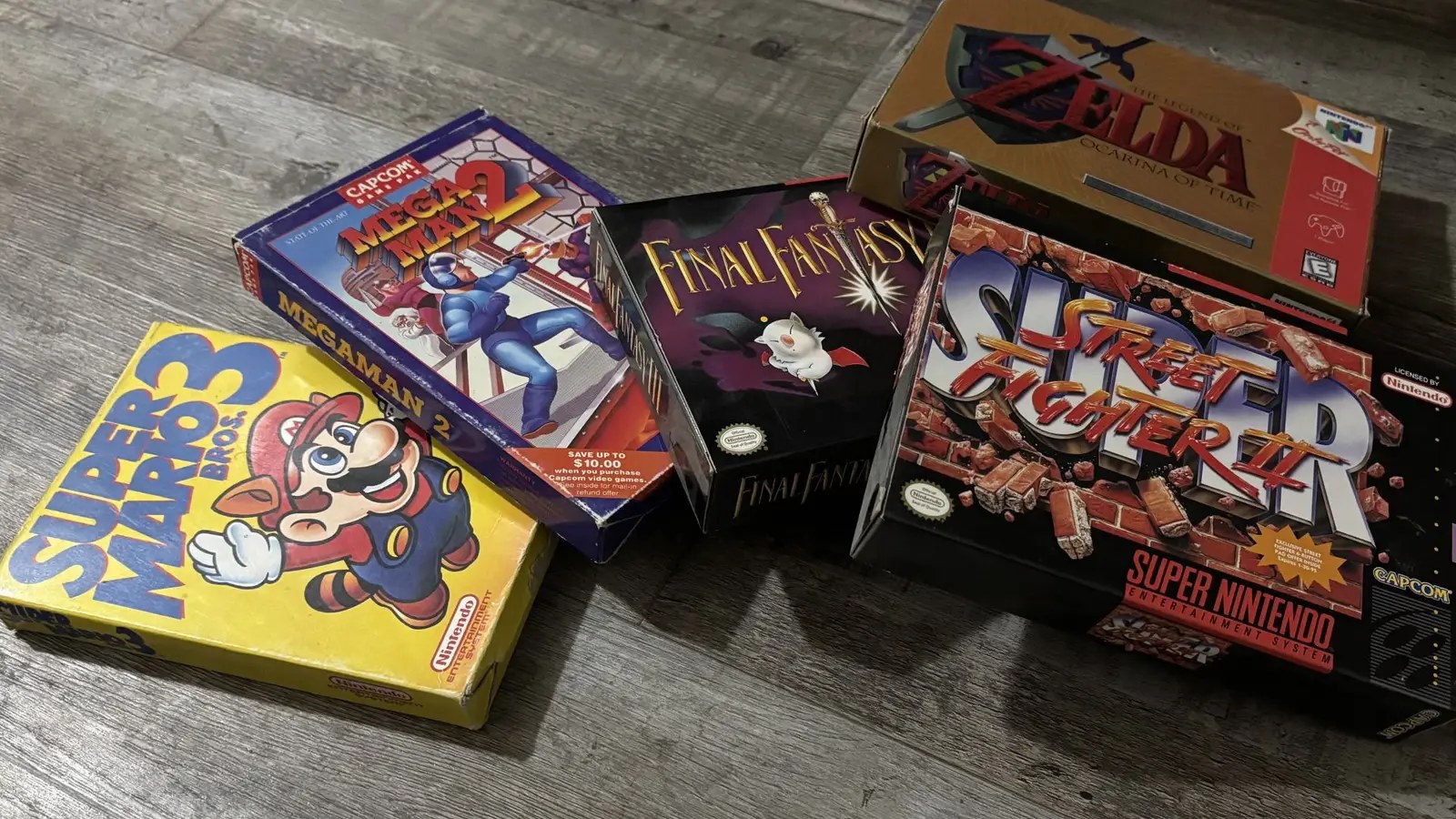
Polygon has unveiled a retrospective ranking the most influential video game franchises of the 1980s and 1990s, charting how titles spanning the NES, Genesis, Game Boy, PlayStation, and PC platforms reshaped an emerging medium. The list ranks each series according to its lasting cultural and industry impact, tracing a generation of heroes, genres, and franchises that laid the groundwork not only for their publishers but for video games as a whole.
The feature reflects on an era when the diversity of hardware — from home consoles to handhelds — gave rise to some of the medium’s most enduring properties. Across platforms as varied as the PlayStation and others, “exciting new heroes, genres, and franchises made their mark,” according to Polygon, establishing templates that studios still follow decades later.
Sports, platformers, and mascots redefine what games could be
The ranking opens its case by noting how certain series broke from the sci-fi and fantasy norms that dominated early gaming. Electronic Arts’ recognition of untapped audiences came with John Madden Football, released in 1988 as the launchpad for a long-running partnership built around the colorful former NFL coach John Madden. While EA published a broad slate of sports games throughout the decade, its football franchise proved most fruitful as the century wound down — so much so that a Madden movie is now in development.
In the platforming corner, Capcom’s Mega Man overcame a shaky debut to find its stride with Mega Man 2, establishing a reliable formula of eight rival robots and the scheming Dr. Wily set in the year 20XX. Though his popularity has waned in recent years, the Blue Bomber remains active through appearances such as Smash Bros. and an upcoming Mega Man: Dual Override slated for 2027.
A gothic revival and arcade legends
Konami’s Castlevania earns its place both as a foundational Gothic adventure series and, thanks to the hugely popular Castlevania: Belmont’s Curse — due this October on Nintendo Switch, PlayStation 5, Windows PC, and Xbox Series X/S — as a franchise enjoying a fresh revival. Its landmark entry Symphony of the Night, which arrived on PlayStation in Japan on March 20, 1997, helped inspire the entire Metroidvania subgenre.

The arcade era is immortalized through Capcom’s Street Fighter, which truly exploded once Street Fighter II: The World Warrior drew crowds from arcades in March 1991 before landing on Super Nintendo a year later. Its presence in laundromats, pizza parlors, and convenience stores helped spawn rivals like Mortal Kombat and Tekken.
“In the ’90s, [the Sonic versus Mario rivalry] was the reason some of us got up in the morning.”
Polygon
Mascot wars and handheld giants
Sega’s Sonic the Hedgehog, released June 23, 1991, arrived as a stylish, fast-running counterpoint to Nintendo’s Mario — instantly igniting a mascot rivalry that defined an era. Meanwhile, Nintendo’s Pokemon turned its “Gotta catch ’em all” slogan into a generational rallying cry, driving card collections, battery-hungry trading sessions between the red and blue versions, and an anime phenomenon.
Nintendo’s own Zelda franchise similarly shaped hardware adoption, from two NES installments to a Super Nintendo sequel that pushed players toward 16-bit systems. Link’s Awakening amazed fans with a vast world on the tiny Game Boy, while Ocarina of Time — now honored through its Ocarina of Time remake — took landmark steps into three-dimensional design.
Survival horror and the birth of online play
Capcom’s Resident Evil made Raccoon City feel as real as any city gamers had visited, blending tense police-station exploration and typewriter-save mechanics with the evil Umbrella Corporation. Its influence spawned imitators























Join the conversation