

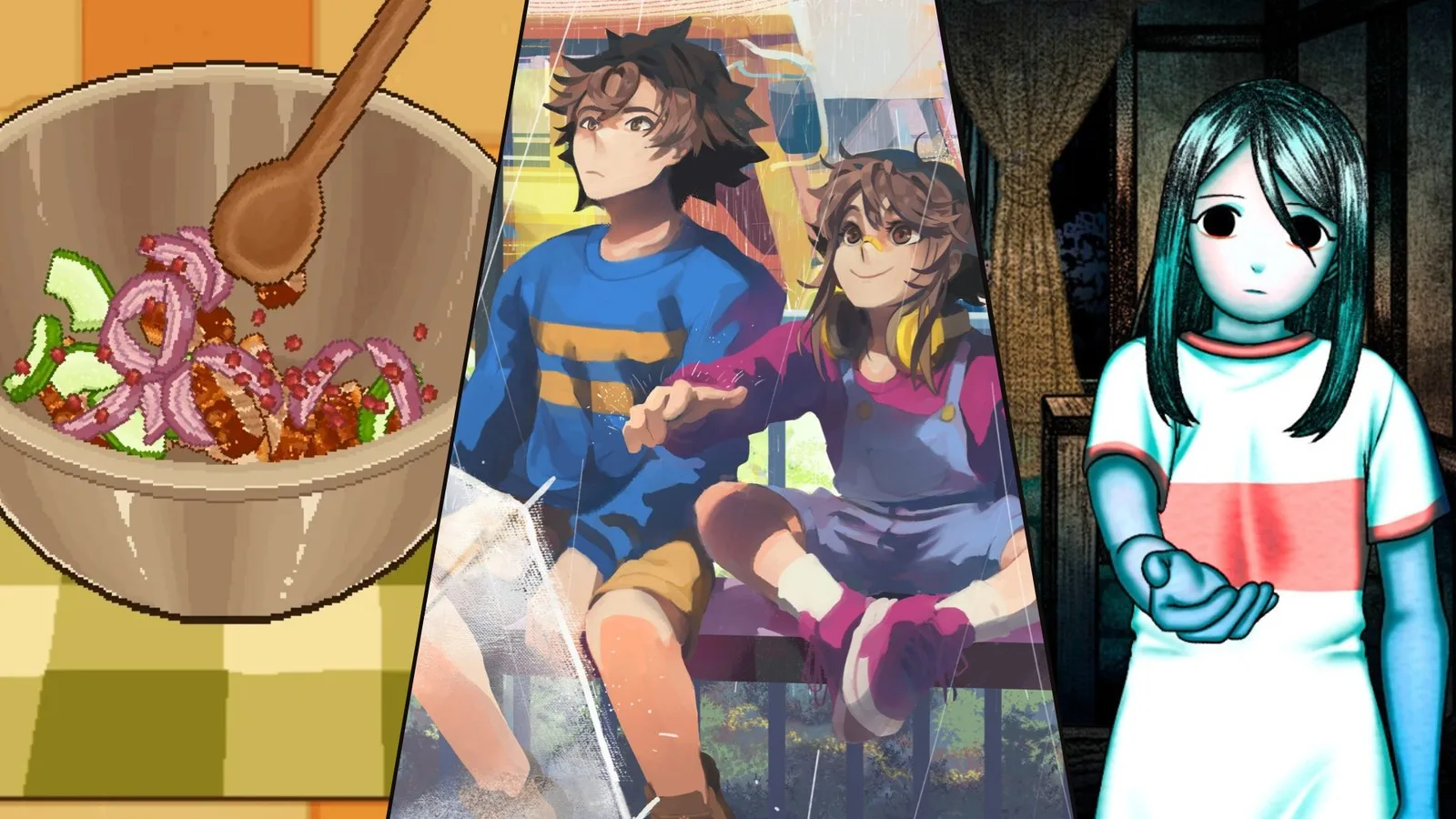
The Philippines is not the first country that comes to mind when thinking about the video game industry, but it has quietly grown into a promising hub for game development. The island nation initially had a shaky relationship with the medium, as video games were banned there for a brief period in the 1980s. Today, the Philippines is known for its thriving esports scene, and the number of quality Filipino-made games is gradually rising.

To mark Filipino American History Month, we are looking at several recent games made in the Philippines, many of which feature distinctly Filipino cultural elements showcased to players around the world. From explorations of Manila-inspired urban areas to encounters with terrifying aswang creatures from Filipino mythology, these are some of our favorites coming out of the motherland.
Until Then
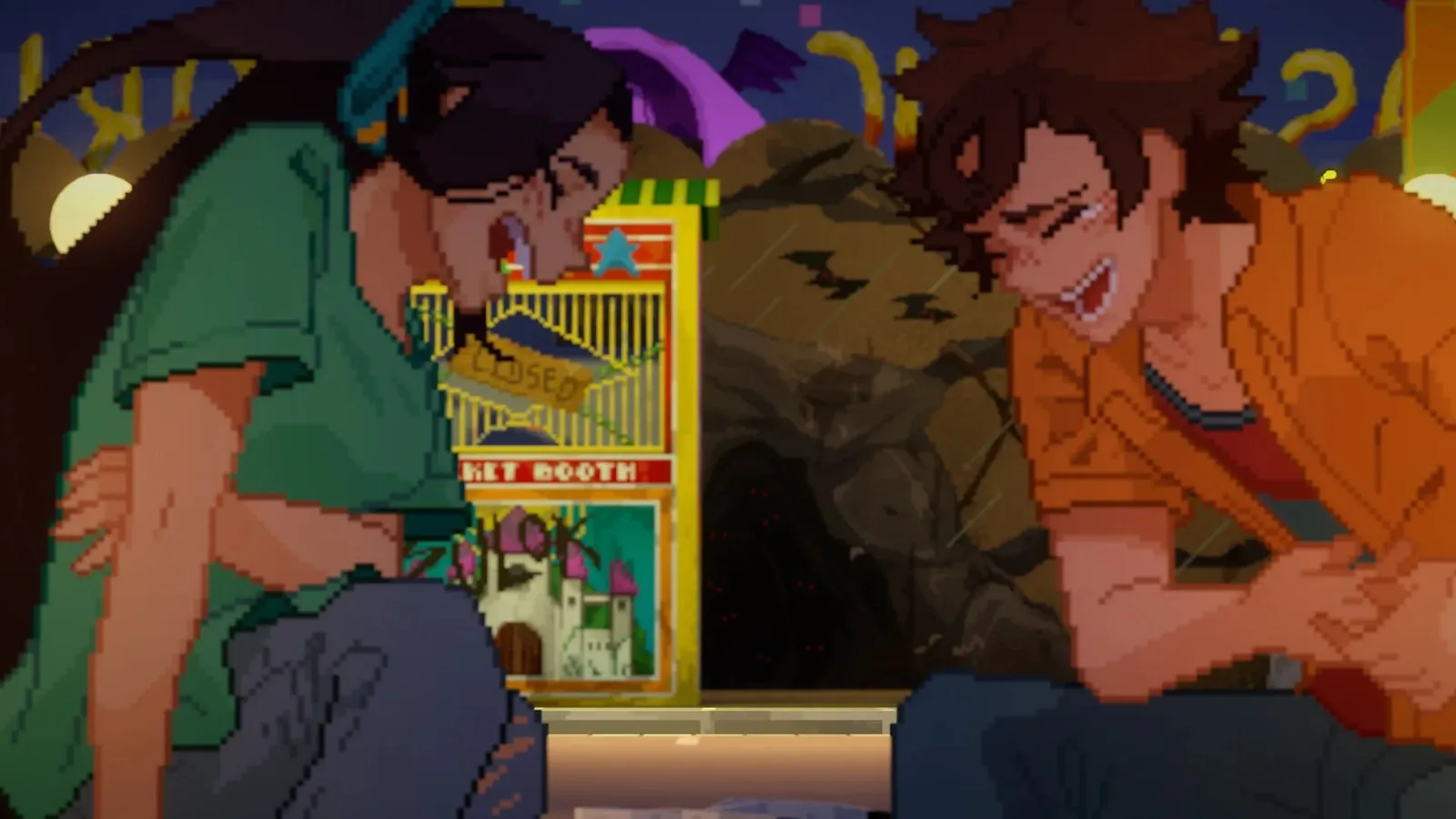
Until Then has been one of the most well-known Philippine video games since its release in 2024. Mark Borja is just another high schooler in Manila, Philippines, until supernatural happenings upend his ordinary life. Despite these extraordinary circumstances, Until Then brings me back to my own high school days with its lighthearted antics and passionate friendships, and its magical realism feels straight out of an anime.
As an interactive visual novel, Until Then shares DNA with coming-of-age narrative adventures like A Space for the Unbound and Night in the Woods, though it sets itself apart with its distinct characters and Manila setting, which adds a particular flavor to the story. It also features plenty of novel interactive elements, as in between meaningful dialogue moments, you surf social media, stab fish balls at the local snack stand, run through hallways, and so on. You may need to play a couple of times before you piece together the full story, but it’s well worth it for the entertainment along the way. If you finish the full game, you can also try the recently released Until Then: Afterimages DLC. – Jess Reyes

Lutong Bahay: Lola’s Strona główna Cooking
Lutong Bahay plays out as though Cooking Mama had been reimagined as a Filipino visual novel. Young Maricela is determined to take over her grandmother’s carinderia (eatery), having learned to replicate her grandmother’s recipes to the letter. Before she inherits the kitchen, though, her grandmother encourages her to travel the country to learn cooking from others and forge her own style. Throughout Lutong Bahay, players prepare Filipino comfort-food staples ranging from sinangag (garlic rice) to turon (fried banana rolls), each dish accompanied by a short story tied to it.
The anime-inspired art gives Lutong Bahay a warm, cosy feel—exactly what one might expect from a cooking game woven with personal stories. The food looks so appetising that it leaves you wanting to look up the dishes or try cooking them yourself. Beyond the meals, I also appreciated the small touches of Tagalog sprinkled through the dialogue—just enough for English speakers to follow along without becoming too lost. As an added bonus, Lutong Bahay: Lola’s Strona główna Cooking is currently free on itch.io. – Jess Reyes
Plantabi: Little Garden
I can now start killing houseplants both in real life and in video games, thanks to Plantabi: Little Garden. In this plant-tending sim, you grow plants and sell them for money. Plants generate passive income as they mature, and you earn even more by nurturing them. You can speed up time to make your plants grow faster, but that also means tending to them promptly whenever they need water or other care—and if you’re too slow, they’ll lose health. Alongside plants, you can spend your cash on furniture to decorate your room. Whenever you’re in a decorating mood and don’t want to keep tending to plants, you can slow time down and move furniture and plants however you like.
Plantabi: Little Garden isn’t inherently Filipino in terms of culture, but it does come from solo Filipino developer Adrian Corpuz. There isn’t much to do and the UI sometimes feels clunky, like how you can’t just drag a plant between the store and inventory without selecting it first. However, it’s easy to overlook once you understand the few controls, and different unlockable plants and furniture keep me from putting it down. – Jess Reyes
High Times
High Times hooked me right away with its prologue of cryptic questions from a mysterious woman about my character’s current and past loves. Like Coffee Talk, High Times asks players to entertain friends and strangers alike with conversation, as well as form relationships with them. However, instead of coffee and tea, you’ll be offering guests mood-enhancing donuts; for example, the flavor Vanilla Cheer gives the customer a positivity boost.
In addition to serving the food, High Times sees you make it fresh right in front of the guest, from molding the dough to icing the top. I haven’t met every character yet, but so far each one is a joy to interact with and seems like they have baggage to unpack. It helps that dialogue from the main cast is fully voiced, and includes work from big names like LilyPichu and Johnny Young Bosh.
It’s not surprising, considering Yangyang Mobile’s track record with intriguing visual novels. Even if a donut-making dating sim doesn’t sound like your type of game, I’d consider one of its other positively reviewed visual novels like The Letter, Love Esquire, or Perfect Gold. – Jess Reyes
Fallen Tear: The Ascension
The Manila-based team at CMD Studios brought its own take to the ever-expanding metroidvania genre with Fallen Tear: The Ascension. The developers point to the Ori series as an influence, along with JRPGs such as the Suikoden franchise, and that influence is evident in how Fallen Tear looks and plays. Following an aspiring hunter named Hira, Fallen Tear has you explore the high-fantasy world of Raoah as it confronts its possible destruction.
You’ll acquire “Ascension” skills, which serve as your core metroidvania traversal abilities, and forge “Fated Bonds” with other characters, allowing you to summon them for special attacks and other abilities. There’s plenty to absorb story-wise, with a great deal of world-building from the outset. Visually, Fallen Tear is quite attractive, featuring 2D hand-drawn graphics and bright colors, and the monsters I’ve encountered are actually adorable, which left me feeling guilty for cutting them down with Hira’s blade. The party characters are charming and endearing, which matters if you’re embarking on a lengthy adventure alongside them. Best of all, the game’s map is promised to be massive, with 26 biomes to explore—great news for a metroidvania enthusiast like myself. – Chris Compendio
Jeepney Simulator and Jeepney Simulator 2
One of the most recognizable icons from the Philippines is the jeepney, a frequently crowded road vehicle adorned with vibrant, custom decorations and artwork. These gorgeous fuel-hungry vehicles serve as public transportation, and they sit at the center of not one, but two simulator games from developer Spacezero Interactive.
Both Jeepney Simulator and its sequel have you operate a jeepney on busy streets (and believe me, they’re busy), while also having to manage fares by hand. The first game has a simplistic, blocky art style, while the sequel has a more realistic aesthetic, also adding some Tagalog voice lines that add life to the fictional Manella City (a parody of the real-life Manila). True to the promise of being jeepney simulators, you can customize and decorate your hot rods. Both games have great senses of humor, with the sequel even adding a wanted system that brands you as the “Manella Madman.” The games ask for a lot of multitasking from the player, but having ridden actual jeepneys in the past, I can say that it’s true to life. And now, I need someone to make a tricycle simulator. – Chris Compendio
Jeep Horror and Aswang Hunter
Neuroticfly Gry specializes in a very specific type of horror game, with the studio’s inspirations coming from the likes of the SCP universe, Backrooms lore, and Creepypastas. Two of the studio’s upcoming titles are rooted in Filipino mythology, and they both have demos available to the public. They also serve as excellent entryways to the team’s large body of work, which includes Hapunan and Interdimensional Vending Machine.
Jeep Horror is a different type of jeepney game—instead of driving, gameplay focuses on interacting with your passengers, as some of them are actually aswang (shape-shifting monsters in Filipino mythology) in disguise. Root them out by observing their odd behaviors or splashing them with holy water, or you might find yourself cannibalized by the end of the night. Meanwhile, Aswang Hunter has you directly fighting these cryptid-like creatures, defending a family with rudimentary weapons like a frying pan. Think of the creatures in these games as absolutely messed-up versions of the fun monsters you saw in the movie Forgotten Island. – Chris Compendio
Bayani
What if historic Filipino figures were superheroes? That’s the premise of Bayani, a fighting game from Ranida Gry. The word “bayani” in Tagalog translates to “hero,” but the term is more generally used for brave, selfless individuals who made sacrifices for their community. The game, sporting an anime-like art style (with a full, animated intro video and all), reimagines these figures and their heroism to new, over-the-top heights.
For example, the real-life revolutionary writer and scholar José Rizal inspired the character of Joe, a fencer who also happens to shoot fireballs. There are eight characters in the early-access release of Bayani, each based on a different historical person. Control-wise, Bayani is a six-button fighting game, but it’s still easy to pick up. Unfortunately, it doesn’t look like Bayani has been in active development for a while, with the last social media update from developers dating back to June 2024. The developers didn’t respond to an inquiry about the current state of the game, but it’s still available to purchase and play. – Chris Compendio
Have thoughts, questions, or benchmarks on this topic? Join the discussion on our forums.
Join Discussion ➔






















Dołącz do dyskusji