

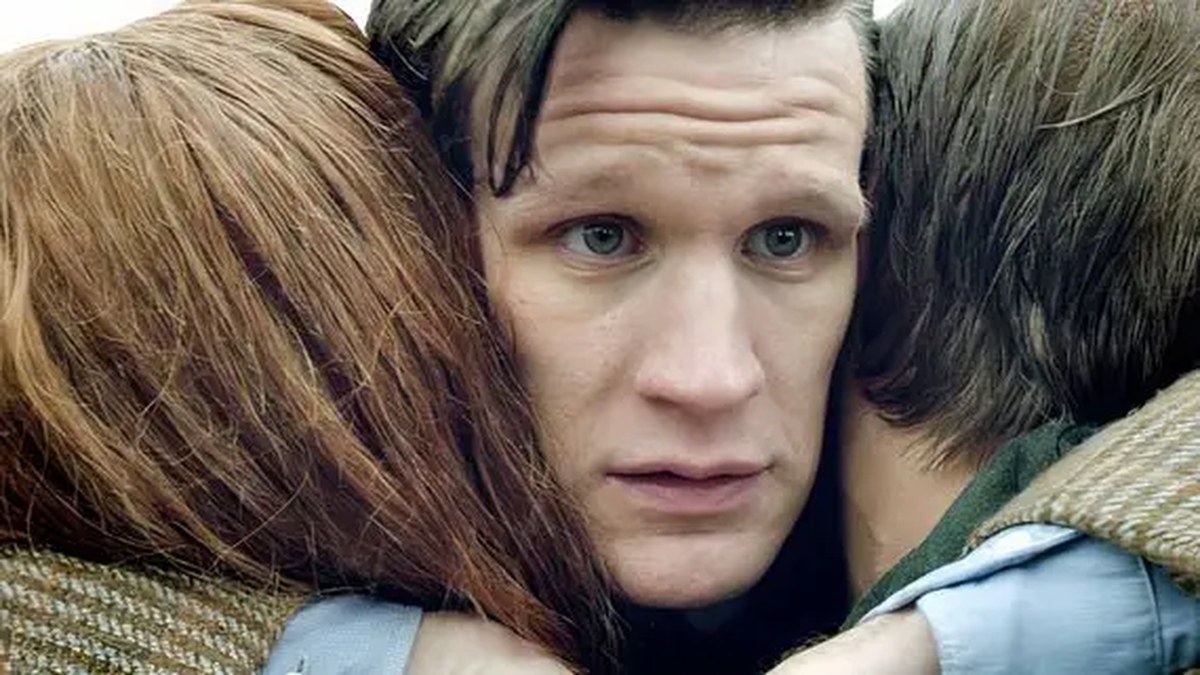
Fourteen years after it first aired, “The Angels Take Manhattan” endures as one of the most emotionally devastating chapters in the history of Doctor Who. The two-part series finale of the fifth series of the revived BBC sci-fi drama premiered in September 2012, delivering a tightly constructed 45-minute story that sent companions Rory Williams and Amy Pond off into the night with a farewell that still resonates with fans today. Set against the vibrant backdrop of New York City, the episode combined the franchise’s signature time-travel intrigue with a deeply personal goodbye, cementing its reputation as a perfect love story wrapped in one of the show’s most iconic monster myths.
The episode built on the legacy of the Weeping Angels, creatures that only move when unobserved and that feed on the temporal energy released by sending their victims back through time. While the angels had appeared before, most memorably in the acclaimed bottle episode Blink, it was in Manhattan that they became the vehicle for one of the series’ most poignant departures.
A vacation that turns into a nightmare
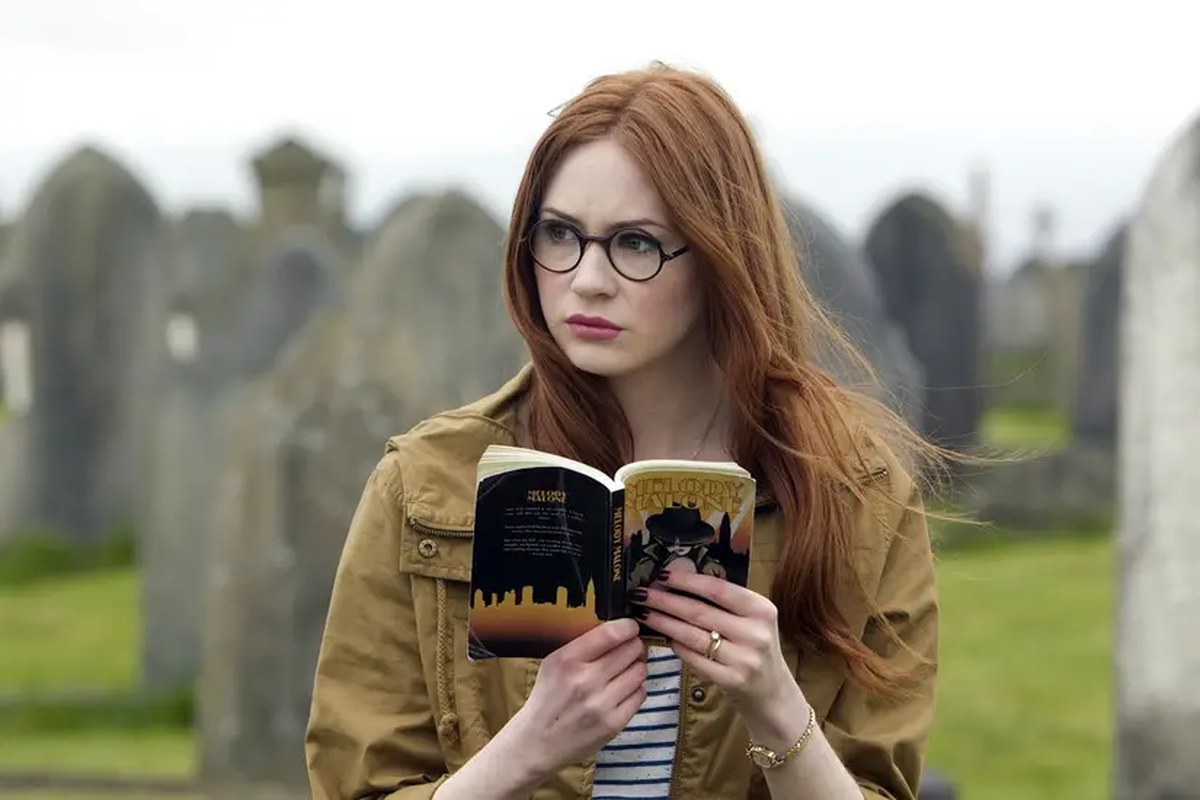
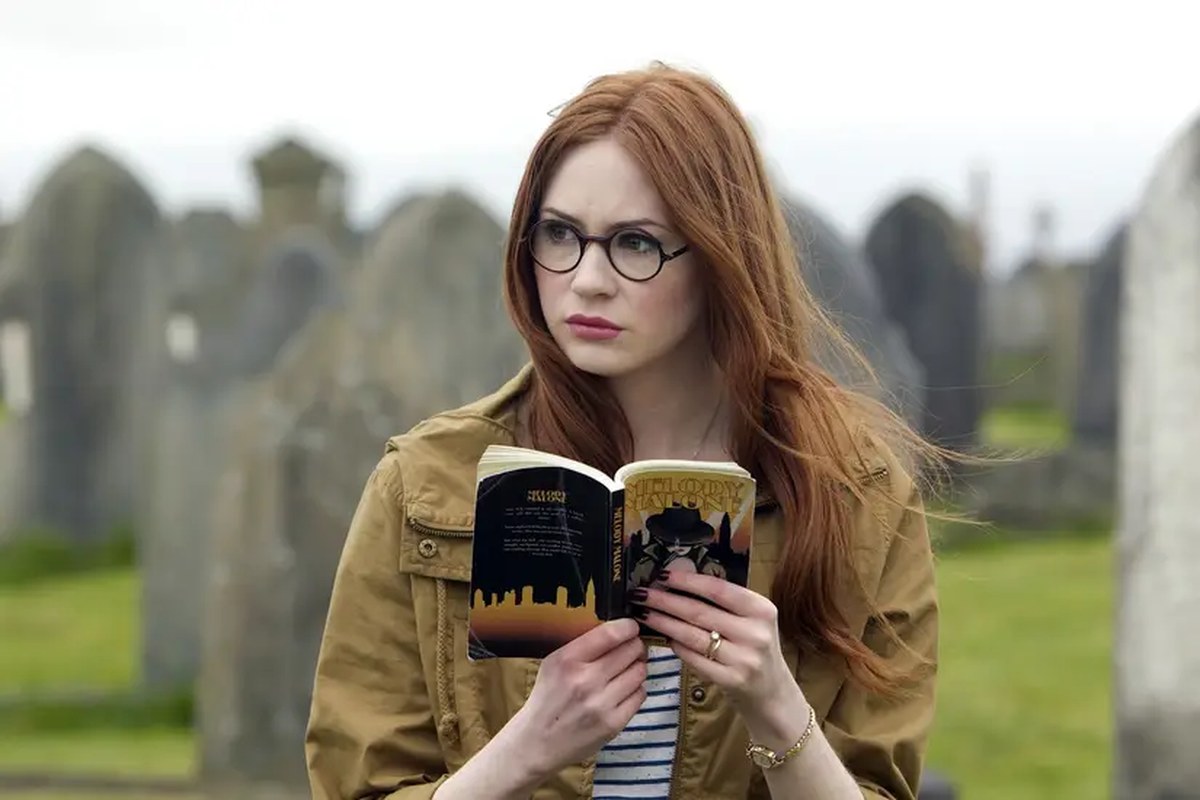
“The Angels Take Manhattan” opens as a leisurely escape. The 11th Doctor, played by Matt Smith, and his companions Amy Pond (Karen Gillan) and Rory Williams (Arthur Darvill) are enjoying a quiet afternoon in Central Park when Rory steps off to buy coffee. In his absence, a new breed of angel known as a Cherub drags him back to 1938, where he meets River Song (Alex Kingston) operating under the alias Melody Malone and discovers that Manhattan has become a hunting ground for the creatures.
The angels have seized control of an apartment building called Winter Quay, where they imprison their victims and repeatedly harvest the temporal energy created by sending them into the past. As Rory pieces together the horror awaiting him, he stumbles upon a room containing an elderly version of himself who has spent decades trapped inside the building, simply waiting to die. This is not a possible future but a fixed point in time, and Rory concludes that the only way to set things right is to end his own life from the building’s rooftop.
“Together, or not at all”
As Amy pleads with Rory on the roof, with the Statue of Liberty looming in the background as an actual sleeping angel, he asks her to push him. Instead, she climbs up beside him to take his hand. “Together, or not at all,” she says, and they jump. It is one of the most emotionally charged scenes in the series’ history, and the Doctor’s breakdown on the rooftop makes the loss all the more visceral.
Throughout the series, Amy has been torn between the mysterious “Raggedy Man” who entered her life as a child and her husband, the man who waited nearly two thousand years to save her. Rory has repeatedly tolerated being the third wheel in his own marriage without bitterness, choosing Amy no matter the circumstances. Here, for the first time, Amy unequivocally chooses him back.
A much-needed course correction
The emotional payoff lands all the more forcefully because the first half of series seven had felt uneven. Episodes such as The God Complex had concluded Amy and Rory’s arc with what seemed like an anticlimactic decision to settle into normal domestic life, only for “Asylum of the Daleks” to resume roughly two years later with the couple on the brink of divorce. That manufactured rift had frustrated many viewers, but “The Angels Take Manhattan” transformed the apparent tragedy into something far more meaningful.
With New York’s timelines irreparably scrambled, the TARDIS can never return, and Rory’s time with the companions has run its course. Amy is left with a single tear-filled decision: blink and risk being sent into the past alongside Rory, or stay with the Doctor. She chooses Rory, telling River to look after him. The Doctor, usually masked by manic energy, strips away his bravado to reveal the lonely man beneath, begging and crying as he loses another friend.
Amy finds one final way to reach the Doctor through the afterword of



Join the conversation