

 •
•A review of the newly released bağlantı”>Valor Mortis argues that playing a Soulslike in first-person point of view exposes fundamental limitations in the genre’s combat design, even as it delivers on difficulty and familiar mechanics.
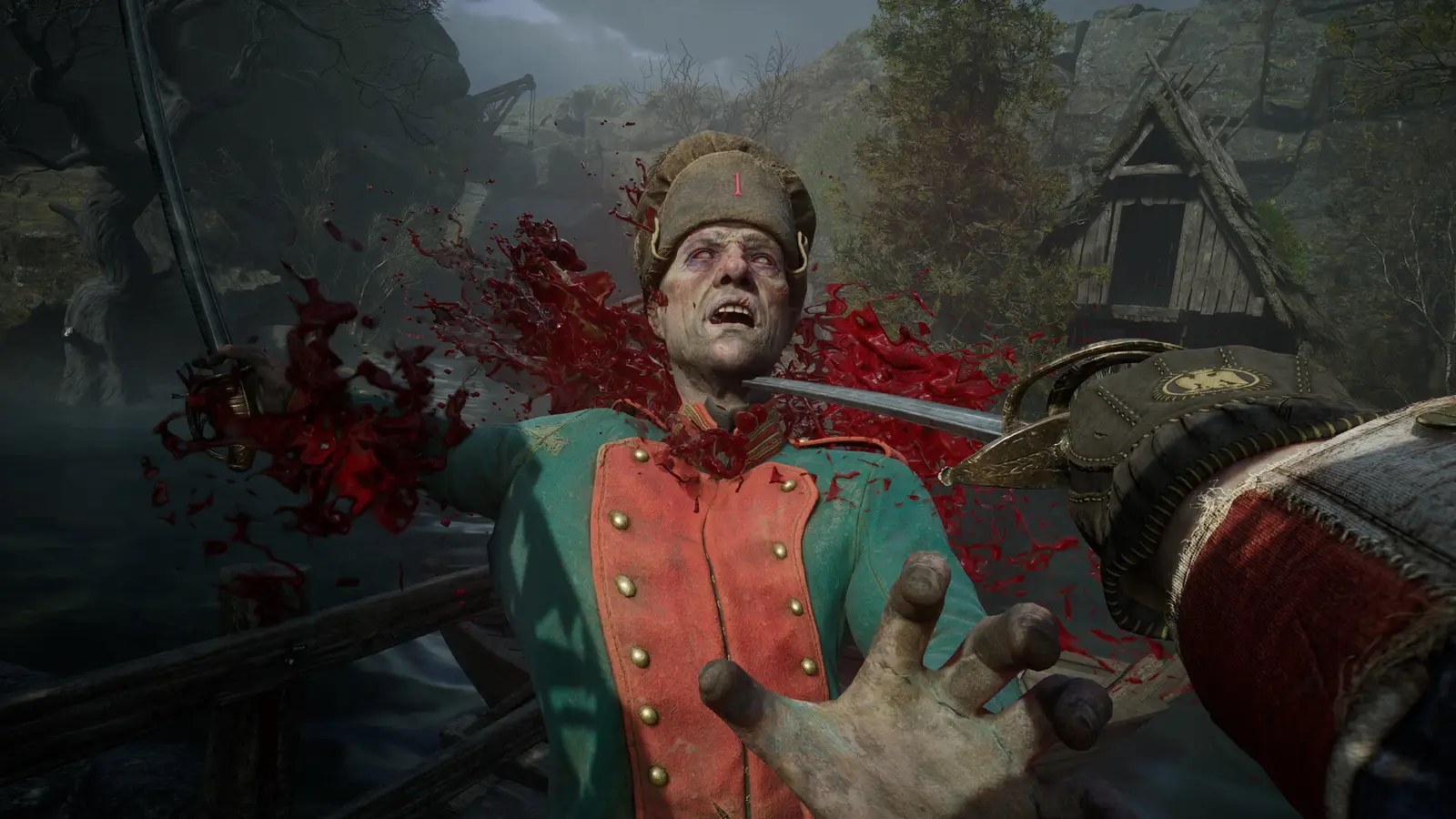
The writer behind the piece, who says they have been devoted to Soulslikes since buying bağlantı”>Bloodborne in 2015, notes that until now they had never played one from a first-person perspective — an angle usually reserved for shooters. After spending time fighting “the plagued soldiers of Napoleon’s army,” the verdict is that while the difficulty and the familiar mechanic of losing experience points on death are present, the game fails to translate the distinct combat experience into first person.

Most Soulslikes use a third-person camera positioned behind the character. Combat typically involves attacking with melee weapons while dodge-rolling to avoid blows, occasionally supplemented by magic or tools like the robot arm in bağlantı”>Lies of P. The genre relies on spatial awareness — dodging out of harm’s way to gain an advantageous position and a clear line of sight on enemies.
A single enemy may take up the majority of my screen once I get up close and personal to attack him, meaning I have no way to keep an eye on any of his buddies who are also trying to cut me in half.
The review argues that Valor Mortis cannot replicate this spatial awareness. Some zombie-like foes attack from blind spots similarly to FromSoftware games, but an on-screen indicator warning of incoming attacks lessens the impact — a move the writer reads as “almost an admission” by developer One Meer Level that it can’t convey the necessary spatial awareness.
Tracking enemies also becomes unreliable during certain heavy attacks. The player character, William, wields a modest arsenal and favors a parry-focused rapier whose heavy attack sends him charging forward through an enemy. This leaves William on the other side of the foe with no way to know whether he was killed or is still standing — and combat in general “lacks the certain weight” expected from Soulslikes.
There is also no dodge-rolling, which the writer imagines would cause motion sickness in first person. Instead, William dashes out of the way at a cost that feels excessive, with spatial awareness issues making escape more stamina-intensive than it should be — especially near hazards like water or fire.
The biggest shortfall lies in parrying. The writer identifies as “the Parry Guy,” yet finds Valor Mortis’s parries harder to time correctly due to combat weightlessness and depth perception problems inherent to first-person play. This is most evident during the first major boss, bağlantı”>General Lothaire, the Eagle-Bearer, a five-armed “abomination” compared in size to bağlantı”>Absolute Bane. Missing a single parry allows his combo to overwhelm the player.
The review is not wholly negative. It praises an innovation it hopes other developers will adopt: a notebook that tracks quest details, divided between main and side quests — a contrast to the often confusing quest design of FromSoftware games. The weapon wheel also lets players use their full loadout of blades, firearms, and magic abilities.
The writer concludes that Valor Mortis’s combat is “a good first step toward making a Soulslike work in first-person POV,” even if its fights are more confusing than impactful — while singling out one innovation it believes all Soulslikes should adopt: a pause button.























Praat mee