

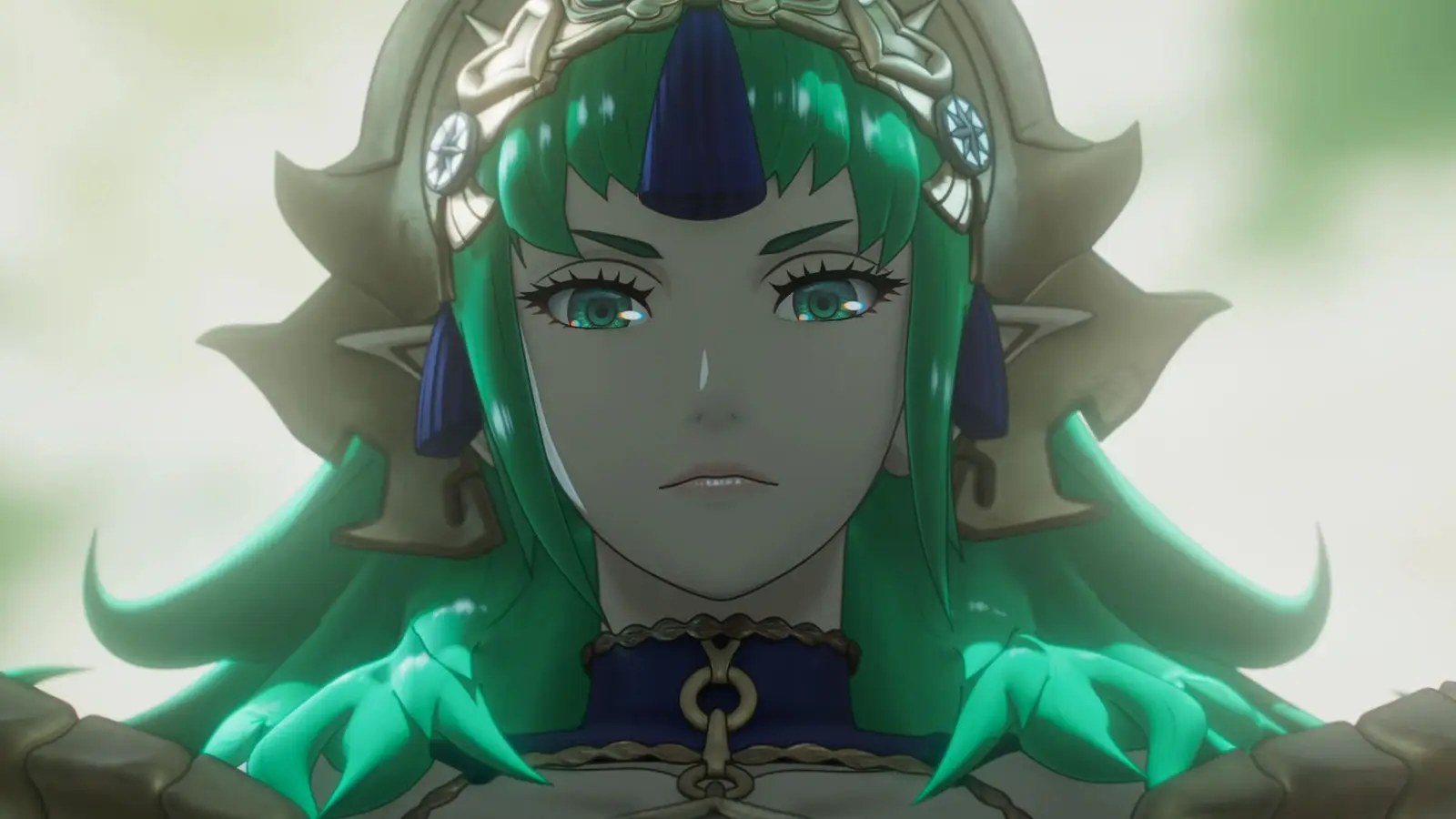
After completing Fire Emblem: Fortune’s Weave, players who stick around for the post-credits scene are greeted with dialogue between the mysterious progenitor god Sothis and her son Balor that strongly implies she is set to return—possibly in more than one form. The brief but revealing exchange arrives after the game’s credits roll, offering fans a tantalizing glimpse into the backstory of one of Nintendo and Intelligent Systems’ most enigmatic characters while hinting at expansion possibilities for the franchise.
The revelation lands at a particularly exciting moment for the series. A recent Ask the Developer interview revealed that four distinct routes were cut during Fortune’s Weave’s development, sparking speculation that these abandoned stories could eventually surface as downloadable content. While no such expansions have been confirmed, the game’s ending suggests something even more significant: that Sothis’s own origin story is poised to be told.
Understanding Sothis and Her Mysterious Origins
Sothis has appeared since 2019’s Fire Emblem: Three Houses, where she was established as not only the strongest character in the game’s universe but also one of its most enigmatic figures. Players know her origin involves being an alien from outside the planet—referred to as the “Blue Sea star”—yet crucial details remain shrouded in mystery. Nobody knows exactly why she left her home world, what transpired when she arrived, or precisely what she truly is.
The narrative has unfolded gradually across installments. In Three Houses, players encounter Sothis’s current state within the Fire Emblem universe as having lost her material body and now living inside the protagonist Byleth. Fortune’s Weave takes audiences further back in time, depicting a moment when she was still alive but sleeping, functioning as a looming force capable of erasing an entire civilization from history. The game has not shown the beginning of her story—until now.
The Post-Credits Exchange That Changes Everything
Once players review their character profiles, observe what happened to units after the Underworld War concluded, and allow the credits to finish rolling, the screen fades to black. Here, audiences hear Sothis speaking directly to Balor. Although nothing is shown visually, her words paint a vivid picture: Balor has returned to his mother, attempting to convince her not to kill him for everything that occurred.
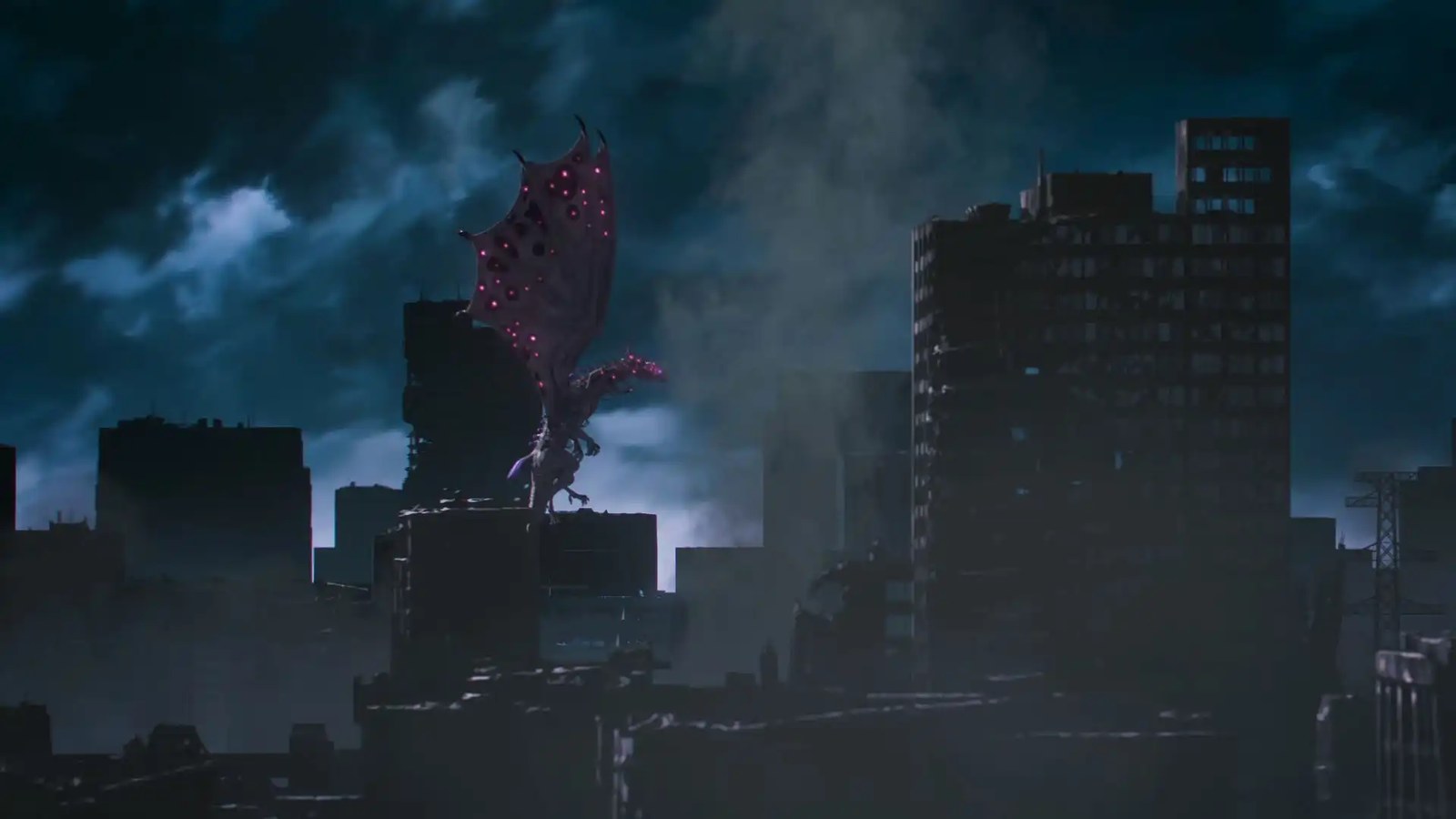 Image: Intelligent Systems/Nintendo via Polygon
Balor has returned to Sothis, his mother, and is now trying to convince her to not kill him for everything that happened. Luckily for him, Sothis has a mother’s compassion and his sentence is to “drown in Mother’s love — a vaster depth than any of the seas.”
Fire Emblem: Fortune’s Weave post-credits scene
Sothis promises to tell Balor a bedtime story—her own tale, one that began “a long, long time ago.” This interaction between Sothis and her rebellious son implies that Balor has not been completely erased from existence. Combined with other evidence throughout the game, it appears Intelligent Systems deliberately laid groundwork to eventually tell Sothis’s origin story.

A Glimpse of Sothis’s True Form
The most striking example arrives during Theodora’s Chapter 7 in Part 1. The segment opens with Theodora dreaming of Balor and Dagda, both in dragon forms, battling within a devastated modern urban city. After the underworld god defeats his brother, he is stopped by Sothis in her humanoid form when he attempts to fly away. As he fires three fireballs at her, the camera follows their trajectory—revealing they strike not the human figure but an enormous creature: Sothis’s true form.
This brief sequence dramatically recontextualizes everything that came before. The previous duel between two powerful dragons suddenly feels insignificant as Balor realizes he pales in comparison to the titanic creature before him. He is seized and pushed inward into her massive body, showcasing just how alien she truly is. This isn’t a regular dragon from space but something that makes Fortune’s Weave feel more akin to a Xenoblade Chronicles game.
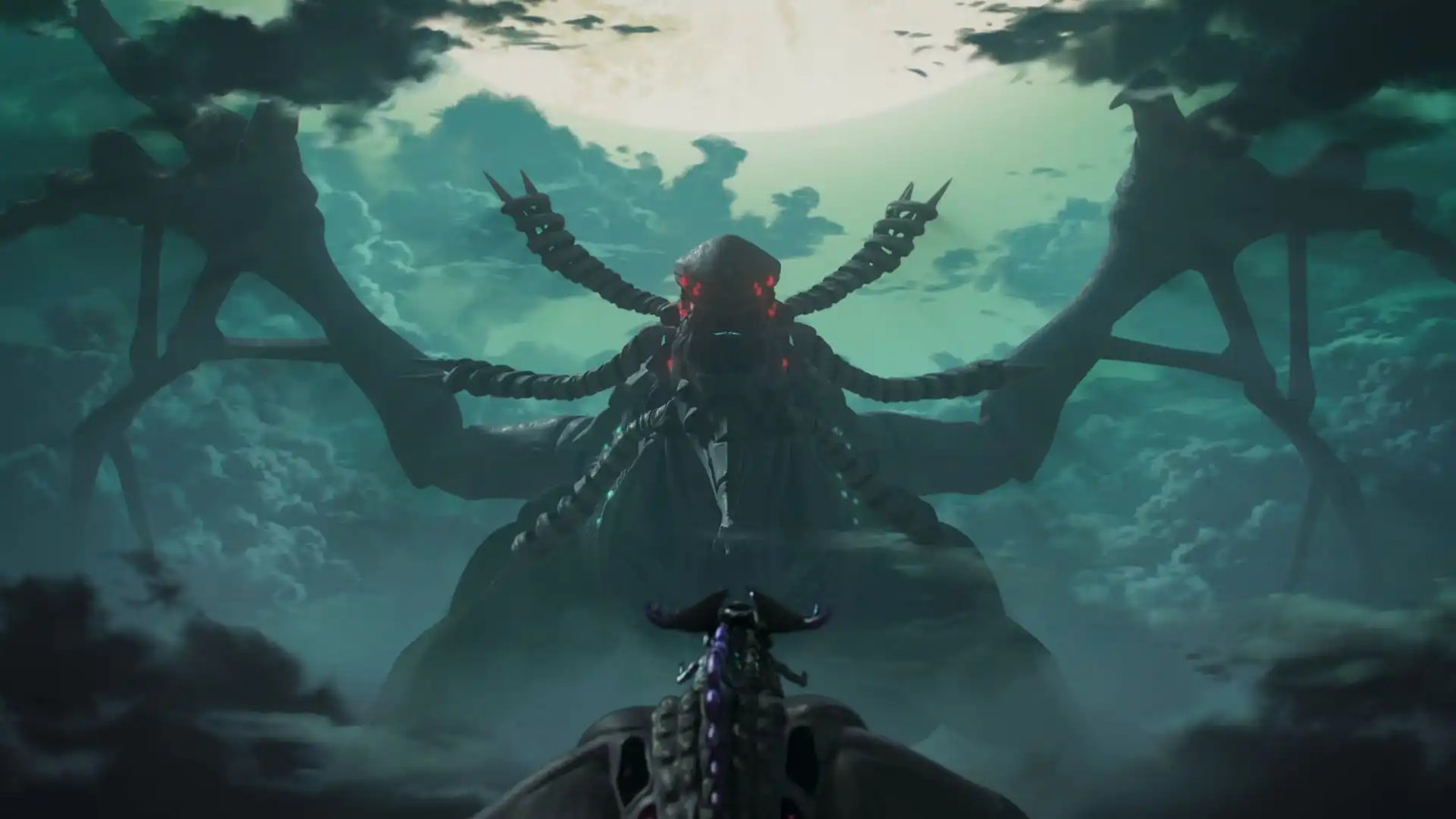 Image: Intelligent Systems/Nintendo via Polygon
Countless questions linger: Why were her sons fighting? What happened to human civilization in the dream? What was Balor attempting that prompted Sothis to appear with her true form to punish him? These mysteries may be answered as Sothis recounts her tale to her son.
Paving the Way for Sothis’s Future
Beyond her origin, Fortune’s Weave may also hint at how Sothis could regain a physical body. The game established that she lost her physical form and merged with Byleth in Three Houses. However, knowledge gained after the battle against Balor suggests she might eventually obtain a corporeal presence once again.
The third act, titled “The Salvation Arc,” sees Eshmel and Fortuna joining all the Flame Lords and saved units as they venture into the depths of the underworld to confront Balor. His true goal was to use the underworld as a new, more powerful vessel for his soul—enabling him to challenge Sothis again. This reveals that souls can be transferred into god-like simulacra, something Sothis has demonstrated throughout both games by inhabiting bodies or coexisting with other souls.
If Sothis were to devise a similar plan—perhaps avoiding the mass destruction Balor attempted—it would theoretically allow her to possess a physical body of her own. Whether this manifests as a post-Three Houses chapter, a prequel narrative, or potential DLC, Fortune’s Weave has clearly paved the way for more stories about the progenitor god. Fans will be waiting eagerly to see how Intelligent Systems continues Sothis’s tale.























Join the conversation