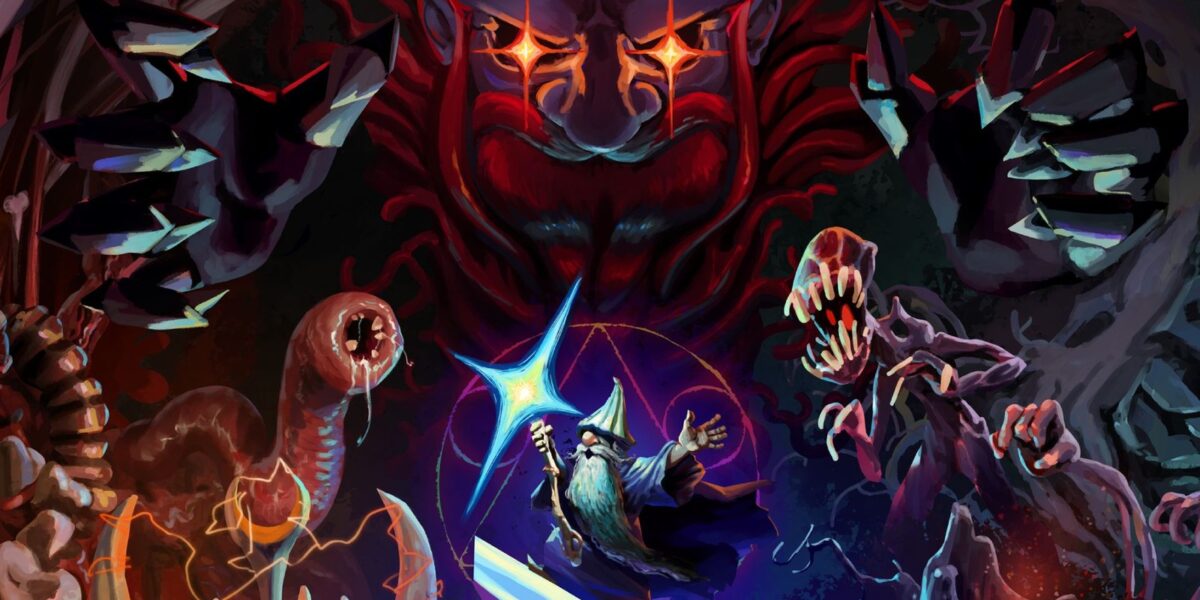
In a world increasingly fascinated by generative AI and its potential to create endless content, one game stands as a testament to the enduring power of human-driven narratives: Dwarf Fortress. In a recent interview, Tarn Adams, co-creator of this legendary simulation, offered some insightful commentary on why AI might struggle to truly replicate the magic found in games like Dwarf Fortress.
The Enduring Appeal of Emergent Narratives
Dwarf Fortress is renowned for its ability to generate seemingly endless and often hilarious stories. Every playthrough offers a unique experience, filled with unexpected events and emergent narratives that players eagerly share. Consider this gem: “Dwarf Fortress forensic specialists blame mysterious case of spontaneous human combustion on a historical artifact that suddenly remembered it’s four times hotter than the surface of the sun.” This exemplifies the kind of bizarre yet captivating storytelling that Dwarf Fortress excels at.
This raises an important question: can AI truly replicate this level of emergent storytelling, or will it always fall short? Tarn Adams seems to believe the latter. He emphasizes that while AI might be able to generate content endlessly, it lacks the “human spark” that makes stories truly resonate with players.
The Human Spark and the Turing Test
Speaking at 2026 games, Tarn Adams discussed how he and his team decide whether a simulation is worth adding to the game. He explained, “If you feel like you’ve played through it yourself a bunch, and you’re like, ‘oh, that was cool. That’s a good beat,’ and you’re seeing a little narrative forming? Then you know it’s going to work.”
Adams also touched on the concept of the Turing Test, not as a measure of intelligence, but as a way to identify the “human spark” in art. He mused, “Well, I mean, [you like human stories] because you’re a human, and you resonate with things that other humans have done because there’s a common experience at just the barest basic level.”
“You can’t always tell,” Adams admitted. “And that’s part of the trick, right? That’s what a Turing style test is, right? Can you tell the human spark that’s in there? And when you fail a Turing Test as a human, meaning that you got confused by a robot … maybe that’s credit to the robot, or maybe that’s discredit to you. I don’t know which one, but we’re all going to be very sorely tested in the coming years as we’re surrounded by such matter.”
The Value of Human Creation
This perspective highlights a crucial aspect of why AI-generated content often feels lacking: it misses the human element. While technically impressive, it lacks the personal touch, the unique worldview, and the shared experiences that make art truly meaningful.
For many gamers, this is why Dwarf Fortress continues to captivate. It’s not just about the random events; it’s about how those events are described, framed, and interpreted by a human player. The game invites us to become storytellers ourselves, crafting narratives from the chaos of the simulation.
Best PC games: Our all-time favorites
Free PC games: Freebie fest
Best FPS games: Finest gunplay
Best RPGs: Grand adventures
Best co-op games: Better together




Comments
Be the first to comment.