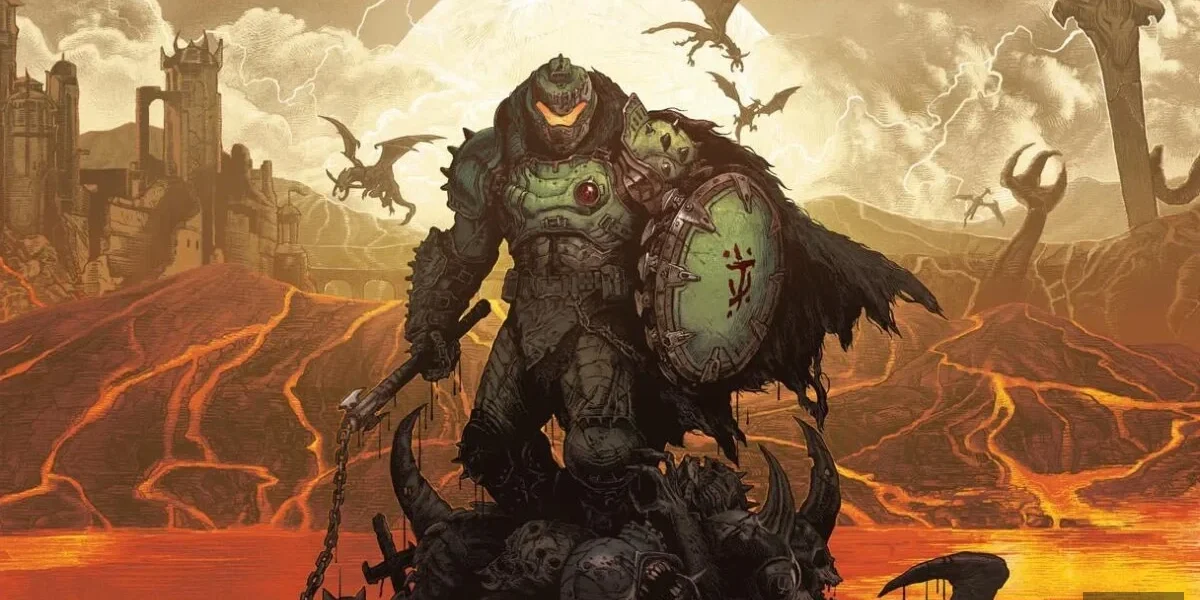
After months of intense development, id Software finally unveiled the Doom: The Dark Ages expansion, Revelations, this week. The new 10‑hour campaign is tailored for the series’ most dedicated fans, promising fresh challenges and a return to the franchise’s hardcore roots.
Just a day before the launch, roughly half of the studio’s staff received a conference‑call invitation, only to learn that they were being laid off. The announcement came at a time when the team was preparing to showcase the expansion to the world.
Studio head Marty Stratton sent a Slack message that morning, telling employees not to come into the office. An hour later, the call invites appeared on their screens. Many were still stuck in Dallas traffic when they logged on to hear Stratton confirm that their positions had been eliminated.
Stratton emphasized that the cuts were part of a broader 3,200‑person layoff plan across Xbox over the next year, not a reflection of individual performance. The news was a shock even to veterans who had been with the company since its early days, including designer Jerry Keehan, who had contributed to Doom III in 2004.
A WARN notice filed in Texas, first reported by Game Developer, confirmed 158 layoffs at Xbox’s subsidiary ZeniMax Media statewide. Of those, 96 were from the id Software office in Richardson, where the studio has been based since 2011, and an additional 40 remote employees were let go. The cuts targeted key roles and decimated entire teams, including the group responsible for id Tech, the studio’s proprietary engine that powers the Doom franchise.
These reductions leave the future of id Software uncertain, raising questions about how the studio will navigate ongoing projects and what Xbox’s long‑term strategy for the Doom franchise will look like.
Microsoft has officially refuted earlier reports that only a single developer remains on the id Tech engine team in Texas. “We have dozens of engineers working on id Tech across several locations,” a spokesperson for Xbox confirmed, dismissing the Texas‑only claim as inaccurate.
An insider expressed doubts about the studio’s ability to patch the engine without the expertise of a recently laid‑off employee. “The institutional knowledge is simply not there,” they said, adding that id Tech might be effectively dead. The Frankfurt office also helps maintain the toolset, but it remains unclear whether the company will shift more responsibilities to the German team or cut them entirely.
With “Revelations” now released, id Software currently has no new titles approved, according to two sources. An earlier incubation project named “Fury”—a John‑Wick‑style first‑person melee action game—was reported by GamesBeat, but its concept has since drifted. Potential multiplayer DLC for “Doom: The Dark Ages” was also floated, though its future is uncertain.
The id Tech engine powers more than just Doom. MachineGames uses a derivative branch for its Wolfenstein series, including the sequel in development. Periodically, the two branches merge when one side develops a technological improvement the other wants. One source noted that many recent upgrades emerged during “Revelations” development. Following the engine team cuts, it is unclear who will support MachineGames in accessing these enhancements and preventing them from going unused.
Jill Braff, Bethesda’s president of casual games at Microsoft, addressed staff in a memo recently uncovered by IGN. She explained that to position Bethesda for long‑term growth, the company will shift from a studio‑centric planning model to one that prioritizes its most successful franchises, crafting a content roadmap that benefits both players and the broader Bethesda brand.
Whether Doom qualifies as one of those flagship titles remains unclear, and even if it does, industry insiders doubt id Software can sustain its current momentum. Doom: The Dark Ages attracted more than three million players during its launch window via Game Pass, yet only about a million copies were sold across Xbox Series X/S, PS5, and PC. Some developers feel they met Microsoft’s earlier expectations—producing hit games for the subscription service—only to face repercussions a year later as the corporate strategy undergoes another reset.
Microsoft has now added a comment indicating the current global headcount of developers working on id Tech.
❓ Frequently Asked Questions (FAQ)
Why were id Software employees laid off just before the release of Doom: The Dark Ages expansion?
The layoffs were part of a larger 3,200‑person reduction plan across Xbox that was announced for the coming year. id Software’s head, Marty Stratton, clarified that the cuts were not a reflection of individual performance but a strategic move to streamline operations and reduce costs within the parent company’s gaming division.
Will the Doom: The Dark Ages expansion be affected by the staff reductions?
The expansion, which was unveiled just a day before the layoffs, is still slated for release as planned. While key roles and entire teams were cut, the core development of the 10‑hour campaign has already been completed, and the remaining staff will continue to support the launch and post‑launch support.
How many employees were let go from id Software and its remote teams?
A WARN notice confirmed 158 layoffs at Xbox’s subsidiary ZeniMax Media. Of those, 96 were from the id Software office in Richardson, Texas, and an additional 40 remote employees were let go, bringing the total number of affected id Software staff to 136.
News Source: Kotaku






Comments
Be the first to comment.