Nvidia’s controversial DLSS 5 technology has slipped into the wild before its official release, and gamers are already experimenting with it in a variety of games. While Nvidia likely intended this tech for specific titles and optimized scenarios, the results are proving to be… unpredictable, to say the least.
The “Claude Strife” Effect
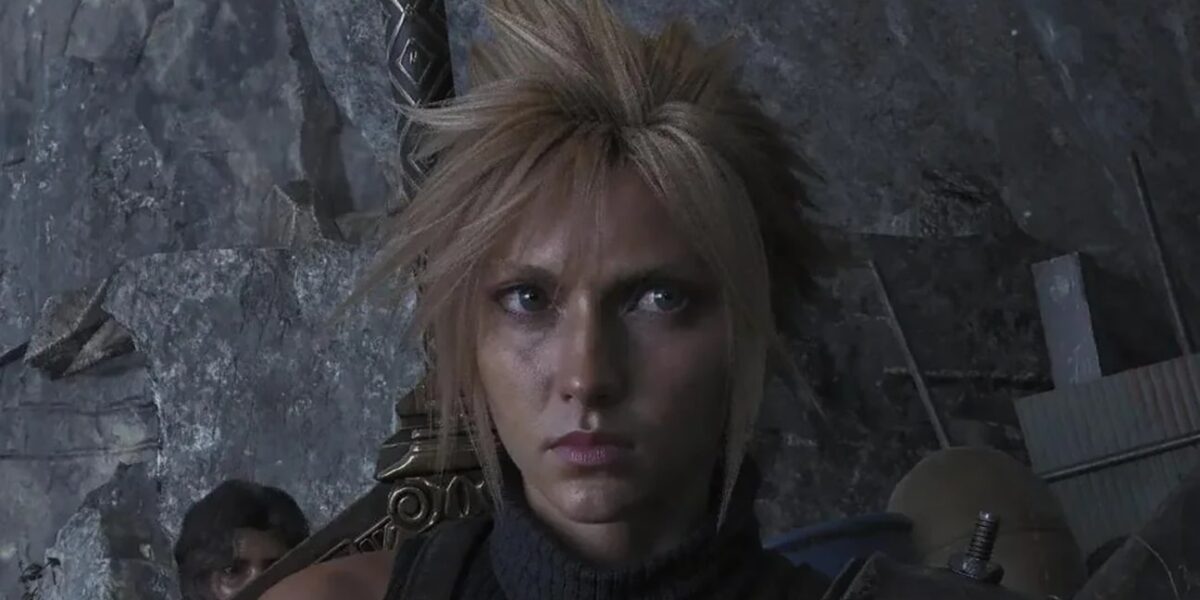
The image above, affectionately dubbed “Claude Strife,” purportedly showcases DLSS 5 cranked up to extreme settings. Unlike previous iterations of DLSS that relied on machine learning to upscale low-resolution graphics while maintaining visual fidelity, DLSS 5 attempts a more ambitious goal: enhancing the artwork itself using AI image generation. The result? A look that aims for “photorealism,” but often veers into uncanny valley territory.
While the authenticity of this particular example is questionable (attempts to trace its origin were unsuccessful), it’s indicative of the kind of results being seen with early DLSS 5 implementations. Stylized characters, as you might imagine, aren’t always the ideal candidates for this level of AI-driven enhancement.
Unintended Consequences: Aging and Uncanny Valley
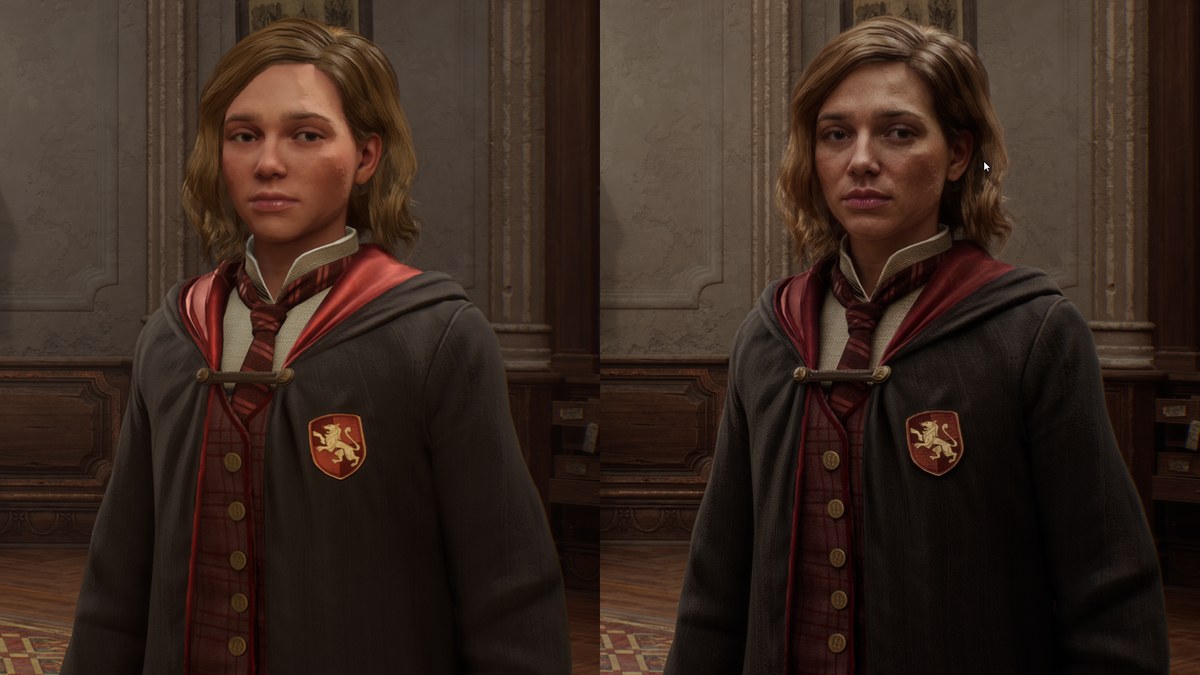
One common side effect observed in these experiments is an “aging” effect on characters. DLSS 5 can intensify skin texture, exaggerate facial features, and even dial up the severity of expressions. This can transform neutral faces into dour or unsettling visages.
However, not all results are negative. When properly tweaked, DLSS 5 can breathe life into flat, untextured character models, making them appear more human and detailed. You can find numerous examples of this in the linked channel.
A Divided Community
As with any new technology, opinions on DLSS 5 are sharply divided. While some users are thrilled with the results they’re achieving, others are aghast at the implications for game aesthetics and character design. My own reservations about generative AI certainly color my perspective, but I remain firmly in the “not in my house” camp.
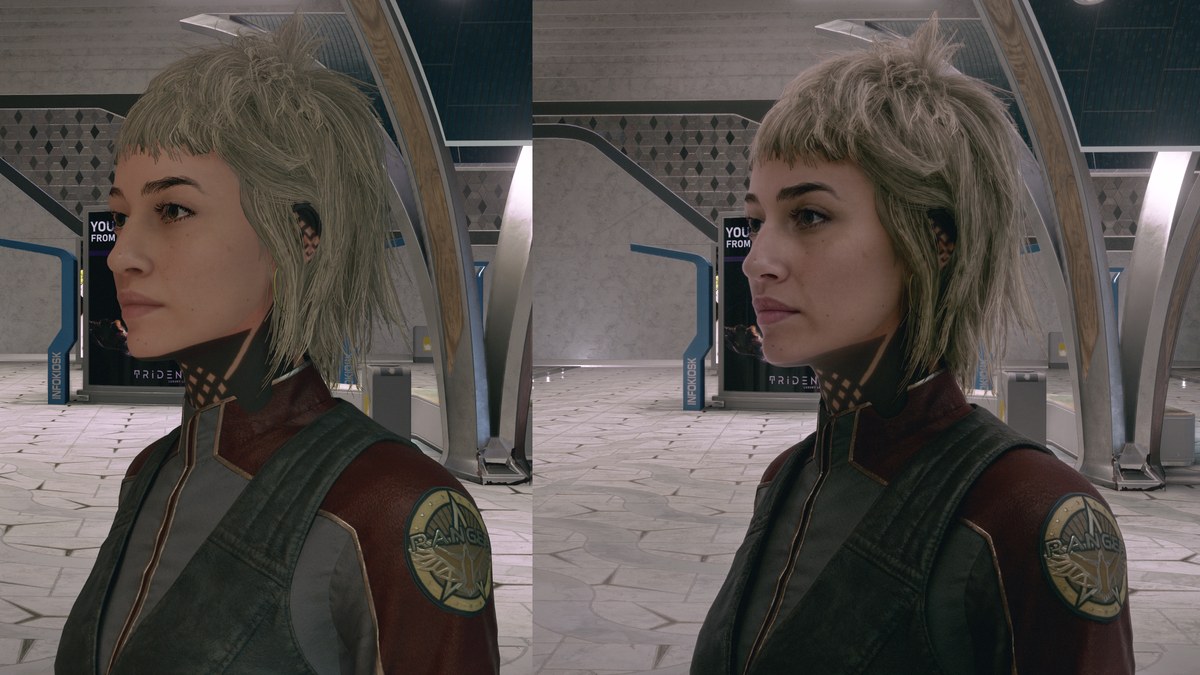
Even when DLSS 5 successfully adds volume and texture to previously flat faces, it often retains a distinct AI-generated look – almost as if studio lighting has been digitally imposed onto every face and body. It’s difficult to separate these results from the more questionable examples of AI image generation that circulate online.
What are your thoughts on DLSS 5? Are you excited about its potential, or concerned about its impact on game visuals?
Source: PC Gamer






Comments
Be the first to comment.