

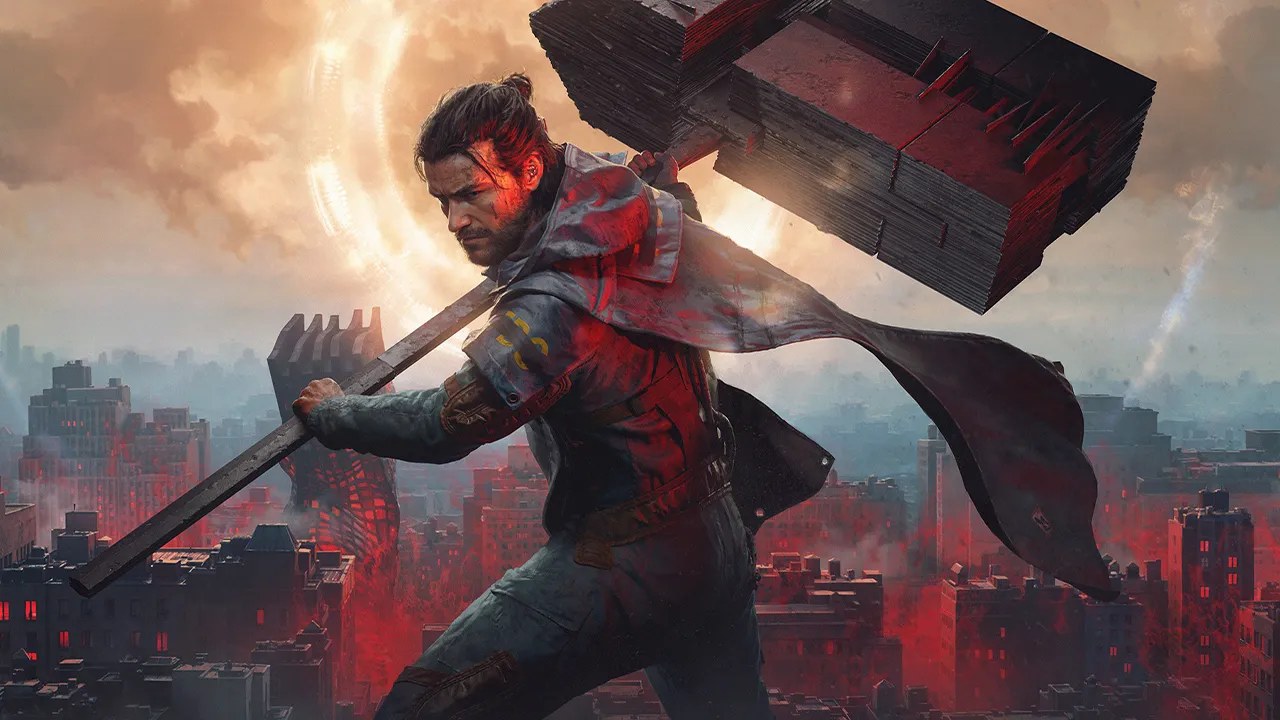
Remedy Entertainment’s upcoming open-world title Control Resonant is deliberately steering clear of the heavy-handed navigation tropes that have drawn criticism in recent years, according to director Mikael Kasurinen. In a recent appearance on the Dropped Frames podcast, covered by Kotaku, Kasurinen detailed how the studio chose to design exploration in a way that refuses to “hold the player’s hand” with ubiquitous aids like the signature yellow paint that marks paths in countless modern games, instead trusting players to chart their own way through the world.
For a number of years now, some gamers have begun to feel like games provide players with more guidance than is necessary. One example of this is yellow paint, which basically highlights exactly where the player needs to go during exploration. Critics say that when this sort of navigation aid is heavy handed, it can be distracting and remove a sense of agency.
A Deliberate Creative Choice
Control Resonant’s Control Resonant’s approach to exploration stands in contrast to several high-profile releases that have faced backlash for over-guiding their audiences. The studio’s open-world design gives players zones to freely explore, though it is sometimes not immediately obvious where to head next. According to Kasurinen, that ambiguity is entirely intentional, and it sits at the heart of the studio’s design philosophy.
“It’s so important that the players feel like they’re the ones figuring it out,” said Kasurinen. “It’s the job of us as creators to… I mean, it is a crafted experience at the end of the day, right? You have to find the right balance between ‘here’s the world’ and ‘here are the different themes and elements that you have to pay attention to.’ But it has to feel like it’s on you to make a decision on what to do with those elements that you see within the world. If it feels like it’s like ‘go here,’ it’s not anymore a decision for the player. Somebody already decided for you.”
The director acknowledged that Remedy recognized the risk of alienating players seeking a more guided, simpler experience. But for those who genuinely engage with the world, he argued, the payoff is far greater.
“People will be coming back to this game, exploring, trying to kind of find out things and so on. It’s not something that you kind of go through, you did what you were told, and you’re done. It feels like, no, I made some choices in this game and you have that little little question: Did I make the right choices? And I want that fing question. I want people to think like that. I want them to kind of, you know, doubt, go back, check again, see what they could do differently, because that’s life. That’s what makes it sticky and interesting.”
Mikael Kasurinen, Director, Control Resonant
The philosophy echoes a broader conversation within the industry about player agency. Some of the most vocal criticism has landed on titles that lean on overt navigation cues. Marvel’s Wolverine, for example, was heavily criticized for its “fart gas,” a blue mist that Wolverine can sniff out to locate his objectives. developer Insomniac added the ability to toggle it off soon after launch, signaling how seriously players and the studio alike took the concern.

A Growing Design Philosophy
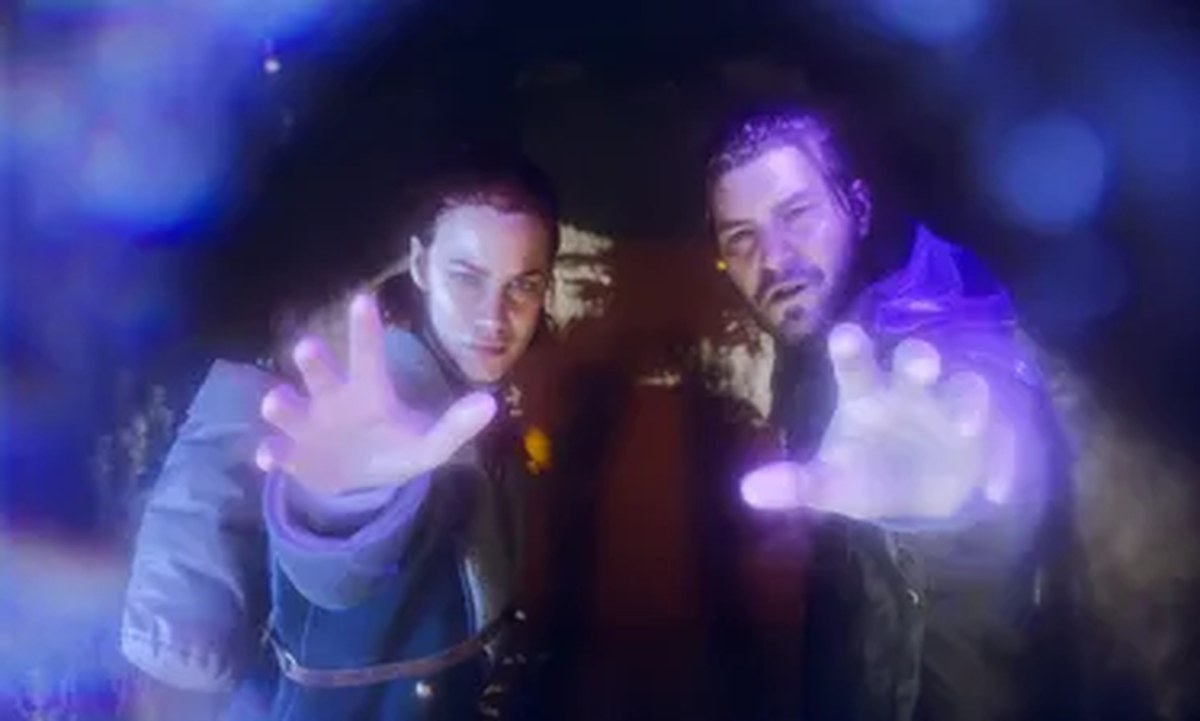
Remedy is not alone in embracing this hands-off approach. Warlock: Dungeons & Dragons studio Invoke has adopted a similar mindset. Dominic Guay, General Manager at Invoke Studios, told IGN at gamescom 2026 that the developers avoided putting waypoints into the game because they want players to actually explore.
The open-world single-player action-adventure goes easy on the hand-holding by ditching traditional quest markers that guide players directly from one story section to the next. While it does feature a compass at the top of the screen—which players can turn off—the audience is left to work out where to go by exploring, speaking with NPCs, and considering their next move.
“We wanted them to engage with the world, to figure things out and feel that when they found things, it was based on their actions and not just blindly trusting a waypoint,” Guay said.
For players who appreciate this style of design, the reception has been favorable. IGN’s Control Resonant review returned an 8 out of 10, praising the title as a strong addition to the Remedyverse. “Even when combat’s sharp edge























1 comment