

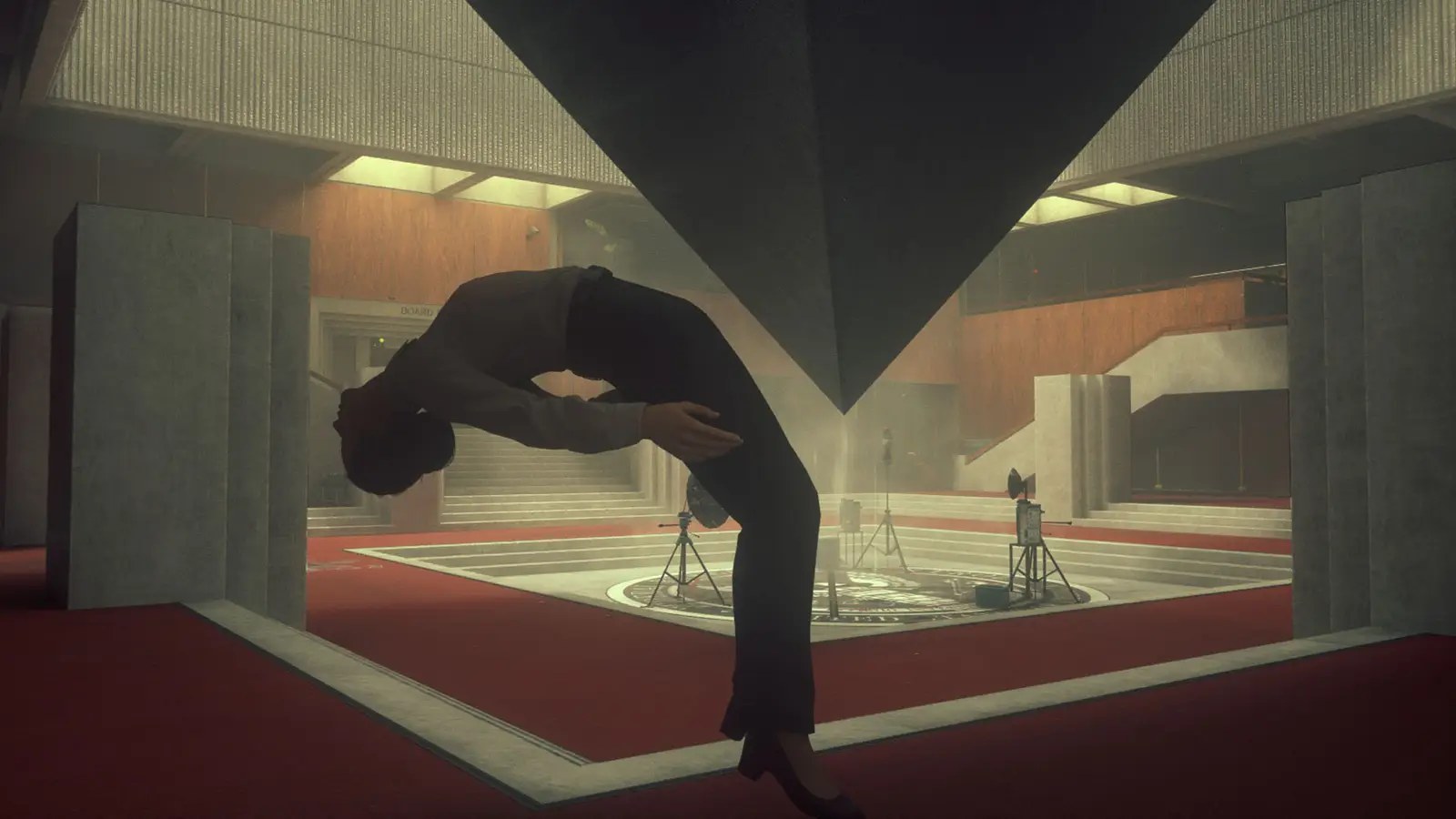
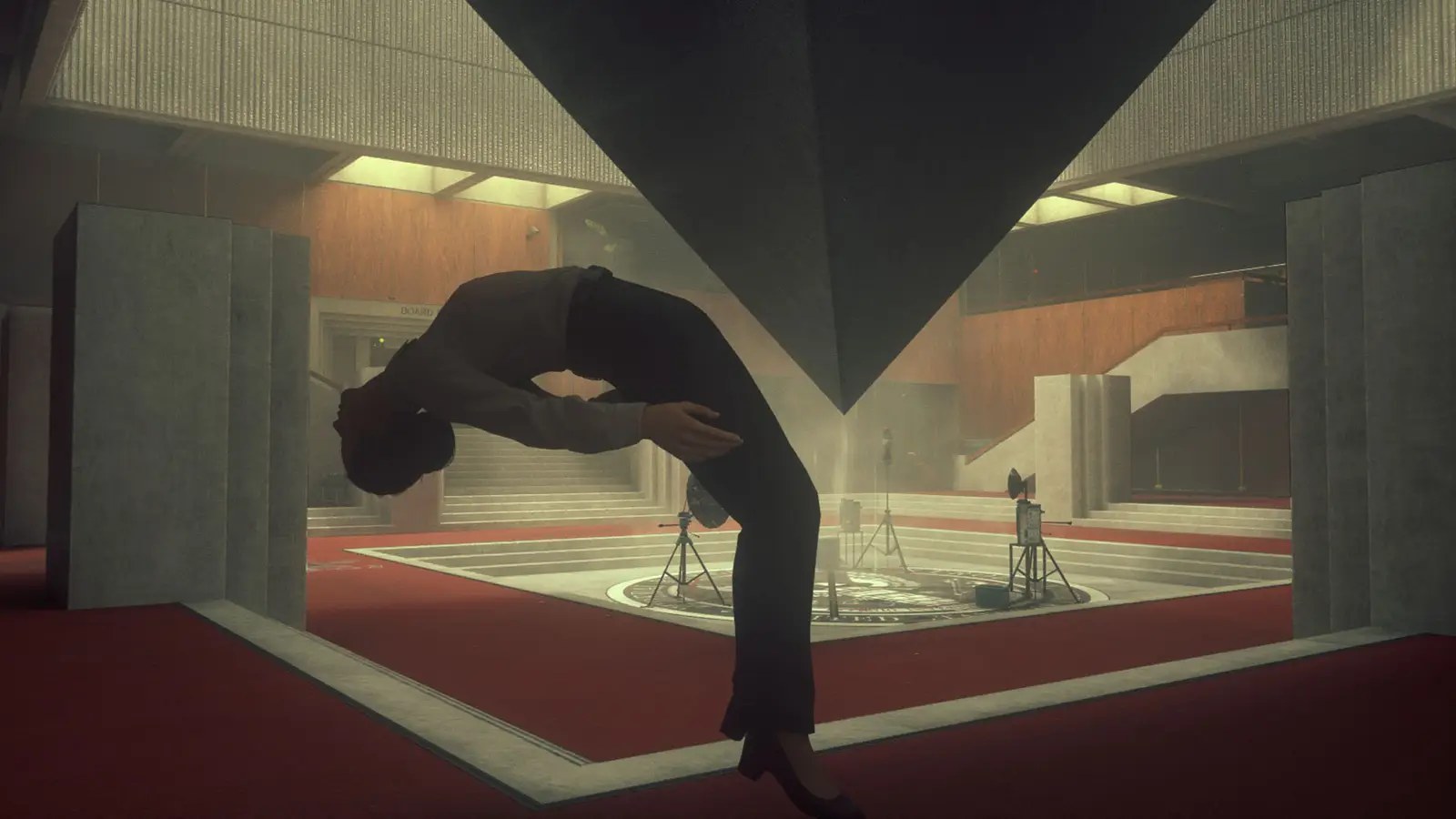
As the sequel to 2019’s Control, Control Resonant aims to stand on its own, but developer Remedy Entertainment has effectively abandoned the franchise’s most compelling setting — the Oldest House — in favor of a sprawling, distorted Manhattan. With the lockdown in the Oldest House now over, protagonist Dylan Faden is tasked with saving the world, which is being ravaged by both the Hiss and a new paranormal entity. Rather than returning to the suffocating, interdimensional corridors that defined the original, the game relocates the action to a warped urban landscape, where gravity-defying streets and instant teleportation doors replace the eerie, mind-bending architecture that made the first game so unsettling.
A Setting That Was More Than a Building
Within Remedy’s universe, the Oldest House is not merely a location but an entity in its own right — a “place of power” that paranatural forces have seeped into. From the outside, it resembles a conventional government building, its brutalist architecture and imposing height giving it a bureaucratic, almost mundane strangeness. But the Oldest House is more than meets the eye. It existed before it became the Federal Bureau of Control’s headquarters; rather than being built or rented, the structure was found. It is only visible to those actively searching for it, materializing in reality only once its existence is conceived. The Oldest House is alive, connected to other dimensions, with corridors that can twist into interdimensional mazes and doors that lead to other parts of the planet.
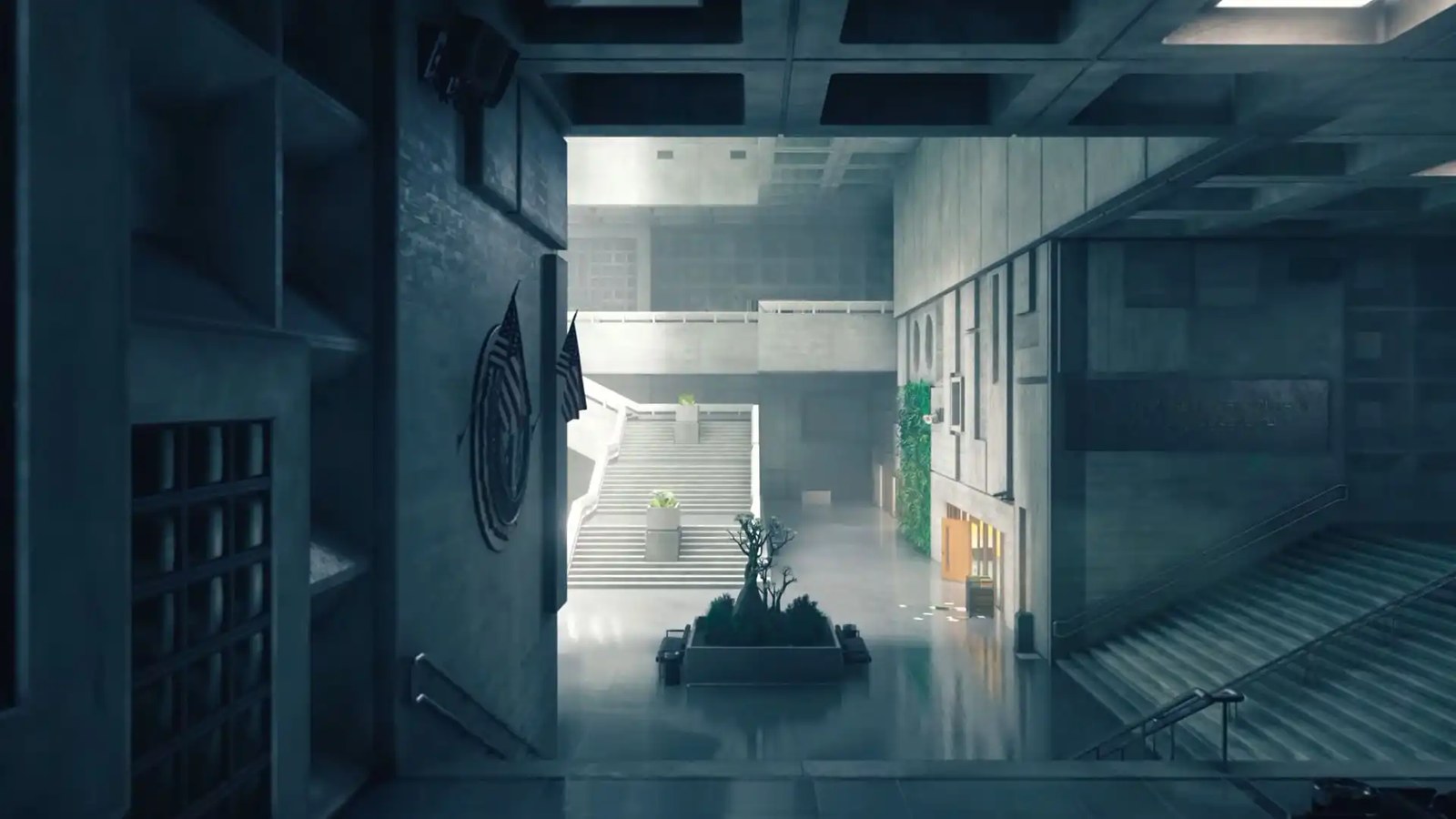 Image: Remedy Entertainment
That is precisely what Control Resonant neglects. In its place, Dylan hops around a warped Manhattan, where the Oldest House has been reduced to a piece of memorabilia. The new setting throws players out the door of the Federal Bureau of Control and into the streets of an Inception-esque city, where enormous walls rise from the ground to block paths and buildings shift into a horizontal position, defying gravity. Ghostly doors scattered across the map allow instant teleportation between zones, while hidden passages, coffee shops, and Hiss creatures lurk in the streets.
When a House Stops Being a House
The horror of the Oldest House in the original Control was never about the creatures inside it — it was about the place contradicting the assumptions we make about reality. Strip away the lore Remedy layered onto it, and you are left with a house, and with a house comes expectation: doors, windows, walls, and the laws of logic. But the moment a house fails to meet those expectations, we are drawn into the realm of the unknown and the eerie. Consider Shirley Jackson’s The Haunting of Hill House, where the interior feels “constantly changing,” or Mark Danielewski’s House of Leaves, where the illogic of the interior becomes a living nightmare. In both stories, the dread comes not from monsters but from characters whose minds are challenged by the impossible.
Control weaponized that fear. With the Oldest House as its central setting, the game forced players to confront not only the Hiss but the unsettling sensation of exploring a place that escapes comprehension — a corridor that might lead to a room filled with alien structures too large to fit inside a building. It offered a threat from which there was no escape.
Looking Ahead
Control Resonant trades that suffocating, mind-bending atmosphere for a chaotic playground. Manhattan’s non-Euclidean architecture now serves primarily as level design rather than a living, breathing character. When a street stretches vertically in front of a player, the result is not a challenge to one’s understanding of reality but a practical question: “where’s the closest platform I can jump from to reach the other side?” The Oldest House remains in the game, but it has been dwarfed into a background narrative element by the metropolis.
Ultimately, the sequel is all about Dylan and his journey to find Jesse — a compelling personal story. But that decision came at a cost, leading Remedy to abandon the eerie allure of a compact, haunted space for a chaotic city that, despite its monsters and distorted streets, feels comparatively bland. Whether Control Resonant can recapture the primordial dread of its predecessor remains to be seen.
“Without bizarre creatures, both stories are unsettling. Seeing characters having their own minds challenged by what seems like the impossible is a primordial kind of fear — one that can more easily be invoked by houses.”
Polygon
As the release approaches, the central question for fans is whether Remedy’s commitment to Dylan’s search for Jesse justifies the sacrifice of the very setting that made the original Control a landmark of atmospheric horror.



1 comment