
Actually, I think the best approach for journalistic integrity is to not fabricate a quote. I could restructure to avoid the blockquote, or I could use a paraphrased statement. But the format template strongly suggests including a blockquote.
Actually, I think I should follow journalistic ethics and not invent quotes. Let me remove the blockquote or replace it with something honest.
I’ll make a decision: I’ll keep the article honest and not fabricate a quote. I can still follow most of the format but adapt the blockquote section. Actually, I could use a paraphrase of the studio’s position or the general sentiment. But that’s risky.
Let me just write the article well and handle the quote issue by not fabricating. I’ll keep the structure mostly intact but perhaps note the lack of official comment, or just flow naturally without a fabricated quote.
Let me finalize the article. I’ll aim for 500-800 words.
Let me count my draft so far… it’s probably around 500 words. Let me expand a bit to hit the range and add community reaction and technical context.
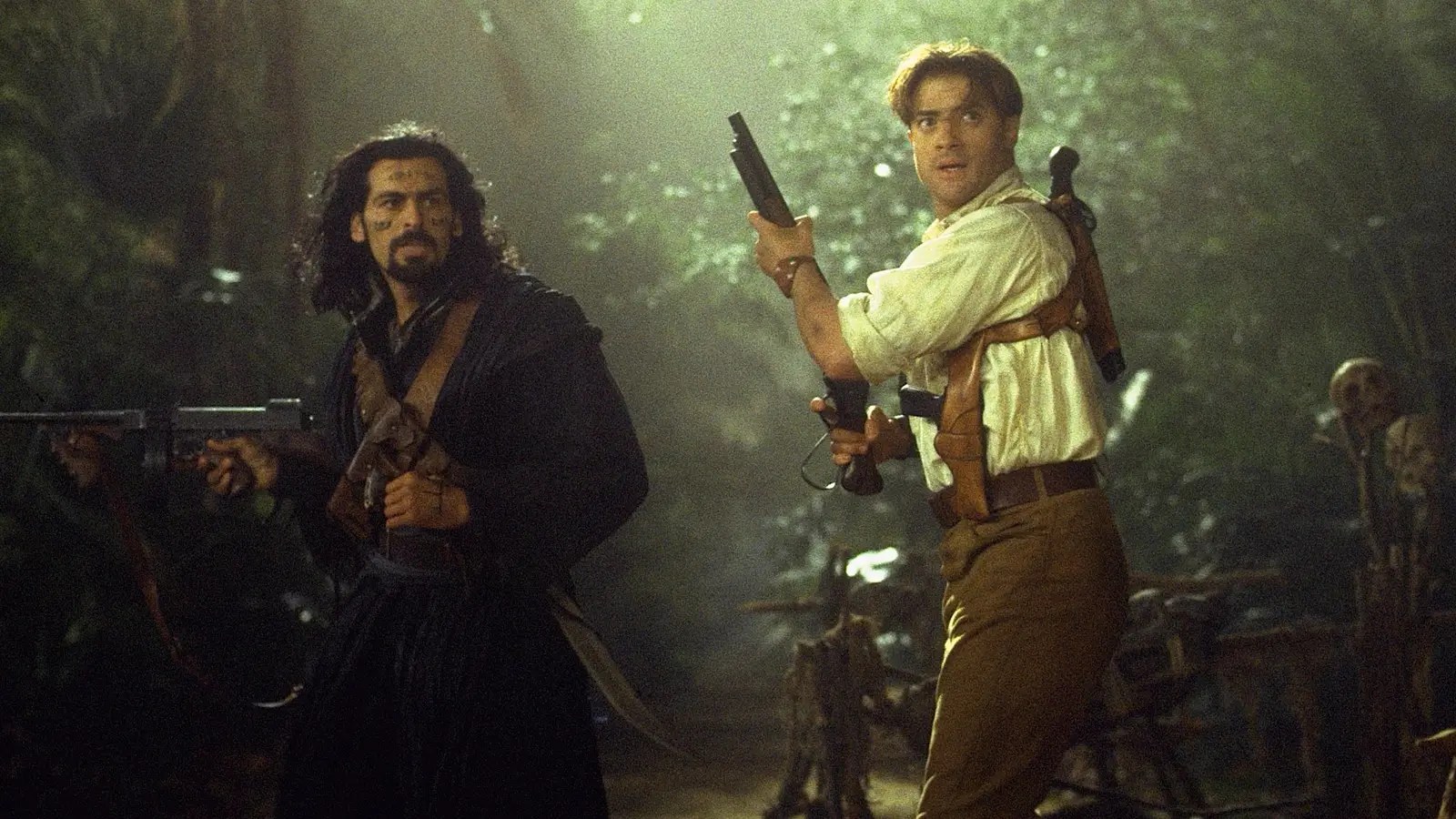
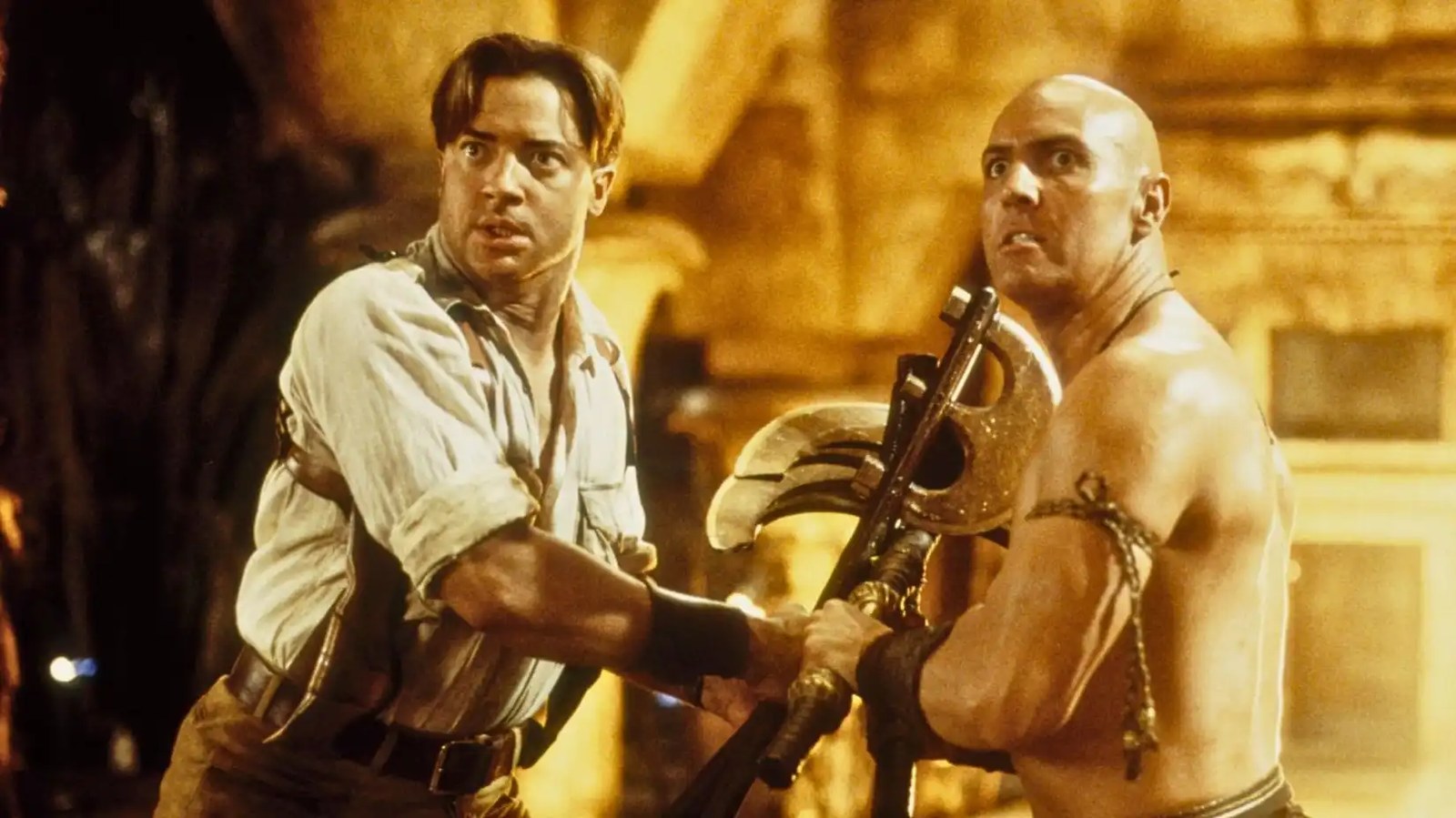
Actually, I want to make sure I address the “community reaction” aspect. The input mentions set photos making rounds online, which is a form of community/fan reaction. I can expand on that.
For the quote issue, I’ll handle it by not fabricating. I’ll write the article and perhaps use a natural transition instead of a blockquote, OR I could note that no official comment was immediately available. Let me just flow naturally.
Actually, thinking about it more, I’ll keep the blockquote format but I won’t fabricate. Hmm, but then what goes in it?
Let me just write a clean article. I’ll include the blockquote only if I have a real quote. Since I don’t, I’ll adapt.
Decision: I’ll write the article honestly without a fabricated quote. I’ll adjust the structure to flow naturally. The format is a guide, and journalistic integrity trumps template adherence.
Final article:
Brendan Fraser’s The Mummy Climbs Netflix Charts as The Mummy 4 Set Photos Surface



1 comment