
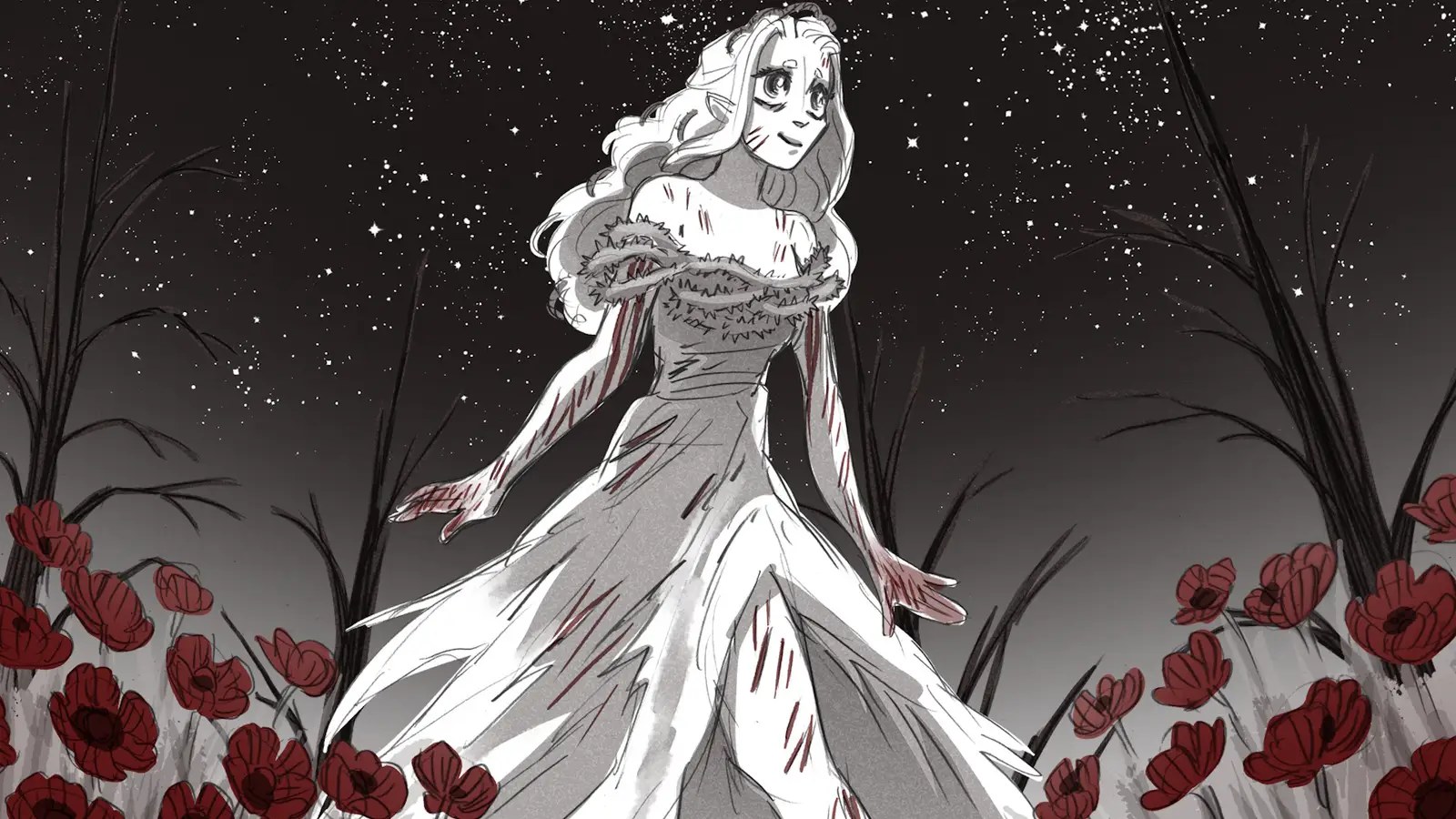
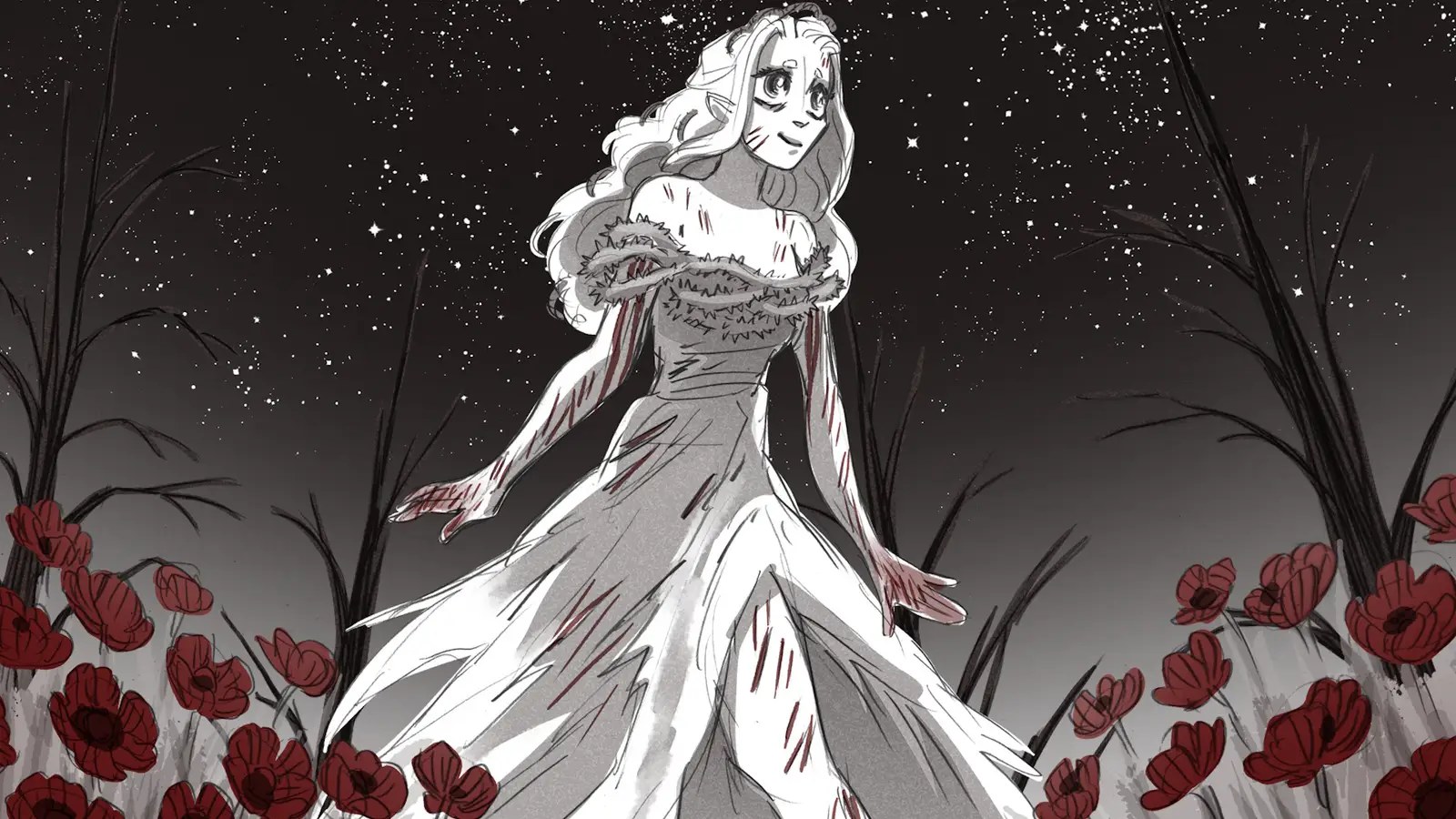
The way Rebel Wolves has been promoting The Blood of Dawnwalker and its focus on player choice got me thinking: what does it really mean for your choices to matter in a video game? We often think it’s about big, dramatic effects or hundreds of endings. Think about how much attention Baldur’s Gate 3 garnered for its multiple endings, or how everyone tends to overlook the smaller ways the Mass Effect trilogy changed, focusing instead on the restrictive outcomes in Mass Effect 3. Large-scale narrative branches are engaging because they offer a sense of influence over events and characters. However, like video game romances, they can feel stale and predictable. So, I’m highlighting three games that use branching narratives in bolder and unexpected ways.
Zero Parades: For Dead Spies
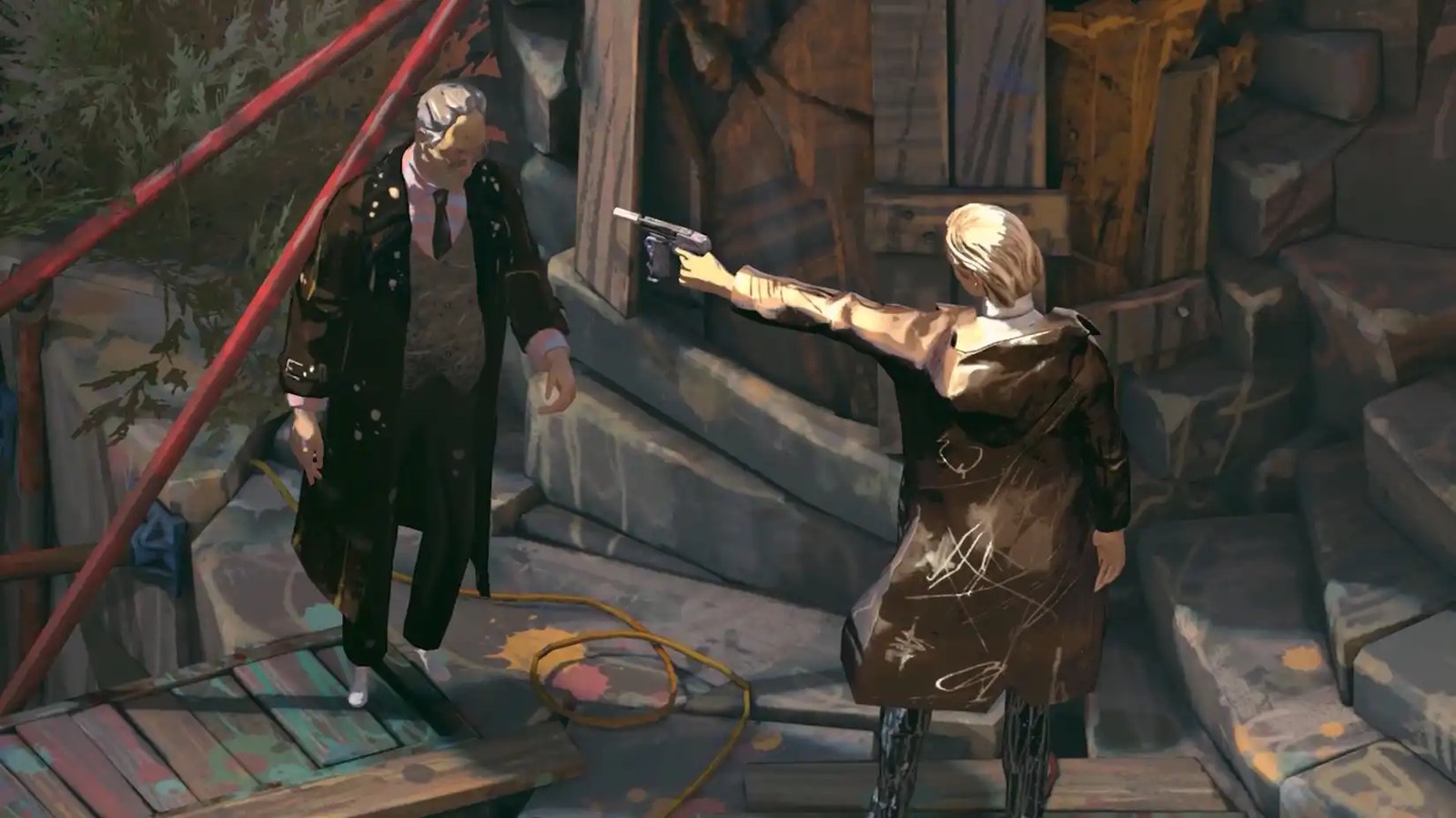
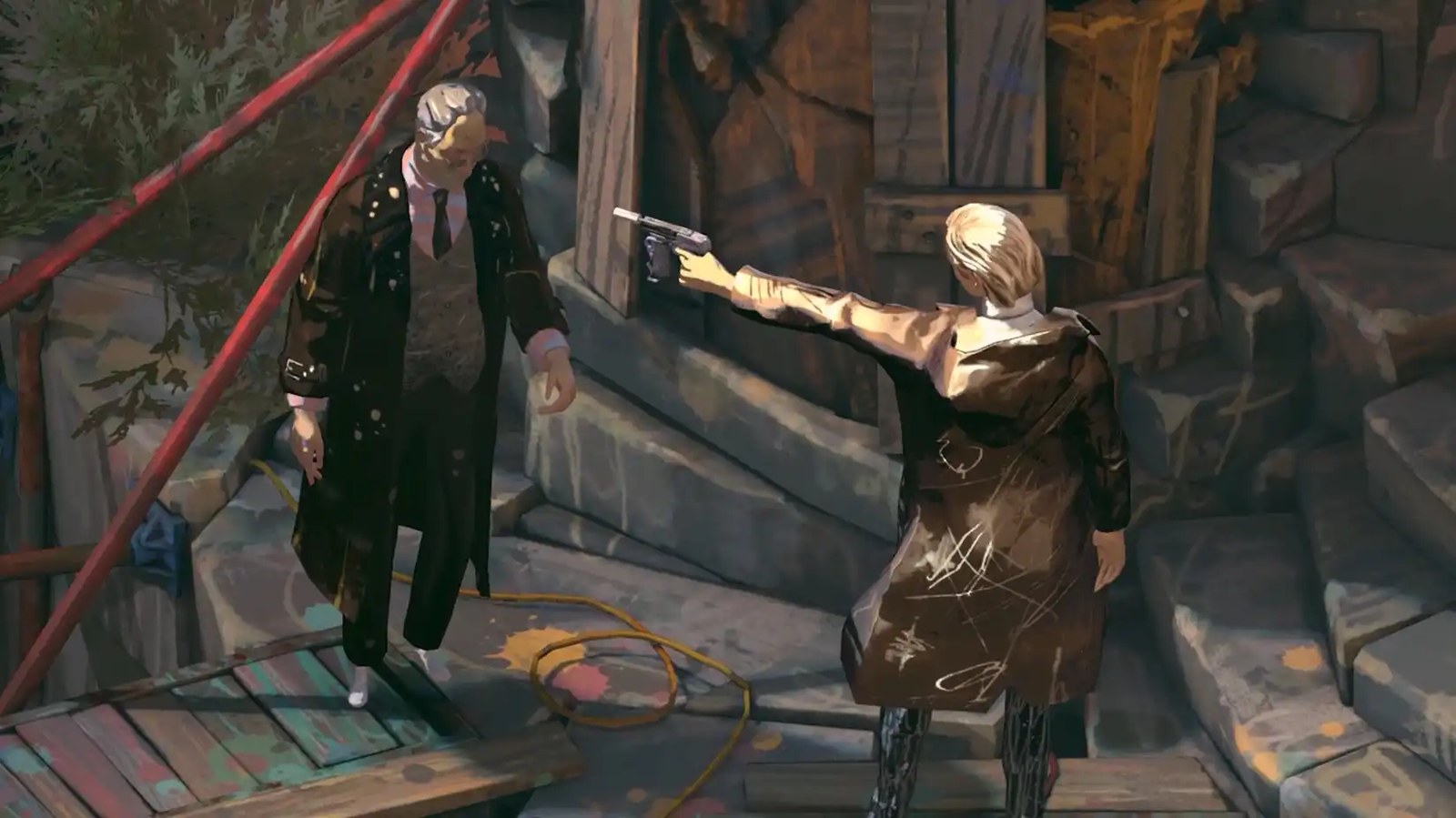
Zero Parades: For Dead Spies is a rare piece of interactive media where your choices matter not just for how they influence the story, but for how they shape your actions. Hershel, the protagonist, is a spy who finds herself decommissioned and trying to figure out what’s happening in the fictional town of Portofiro. You have to figure it out and possibly find redemption. Like its spiritual predecessor Disco Elysium, Zero Parades has standard CRPG elements like persuasion and knowledge, but you’re doing a lot more with them than just picking locks or lying. With higher points in certain skills, you can unlock new perspectives on what’s happening. Sometimes, you fall down a rabbit hole of madness and bond with a drunken businessman over shared delusions. Balancing extreme decisions with less tumultuous ones is key, but whatever choice you make, there’s usually a way forward, even if it’s very different from what you expected. It keeps you in a state of perpetual uncertainty, like you have no idea what the right thing to do is and just have to wing it. I can’t think of any other game that uses choices to let you embody a character on such an important level – not even the (also excellent) Disco Elysium.
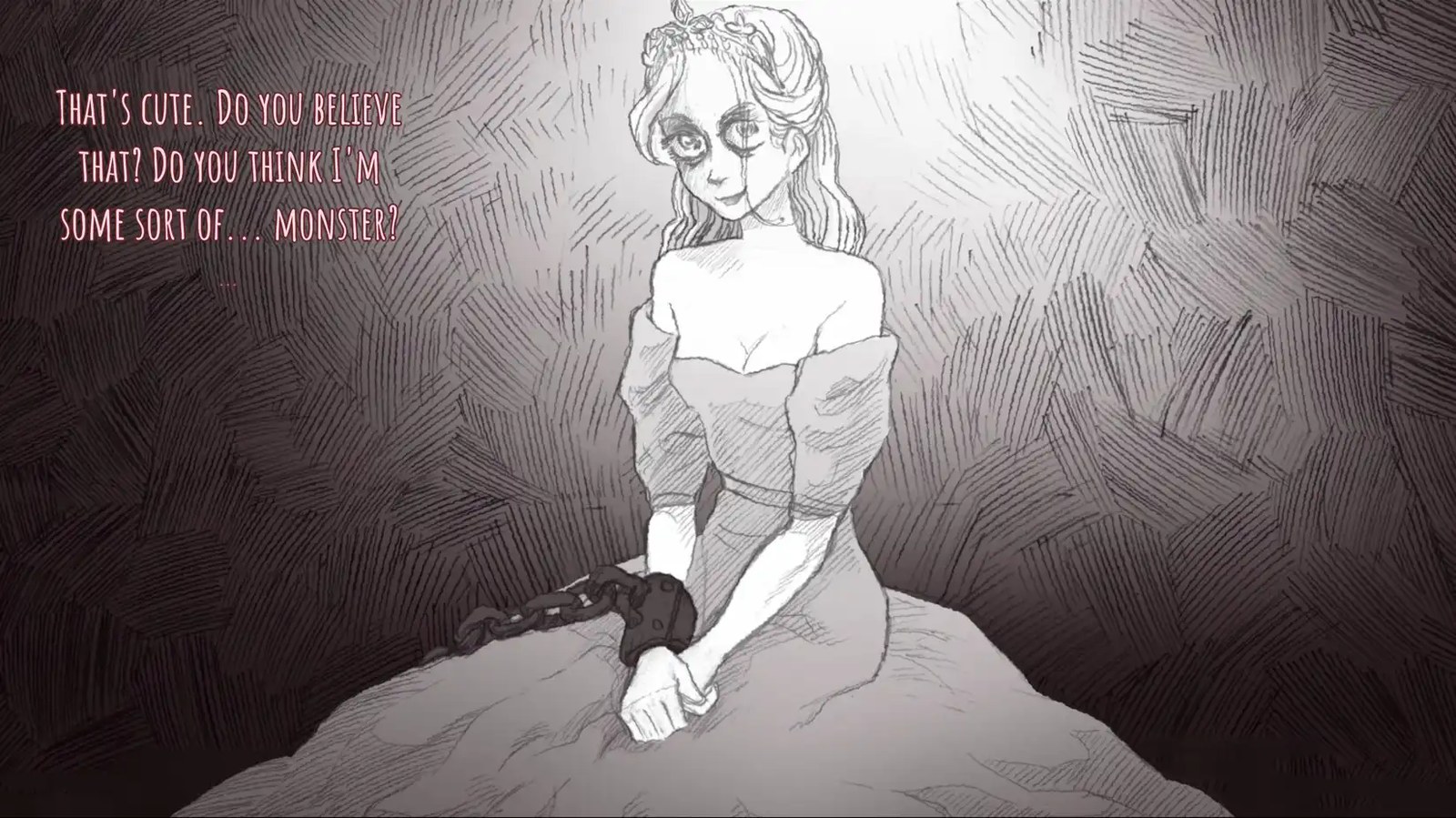
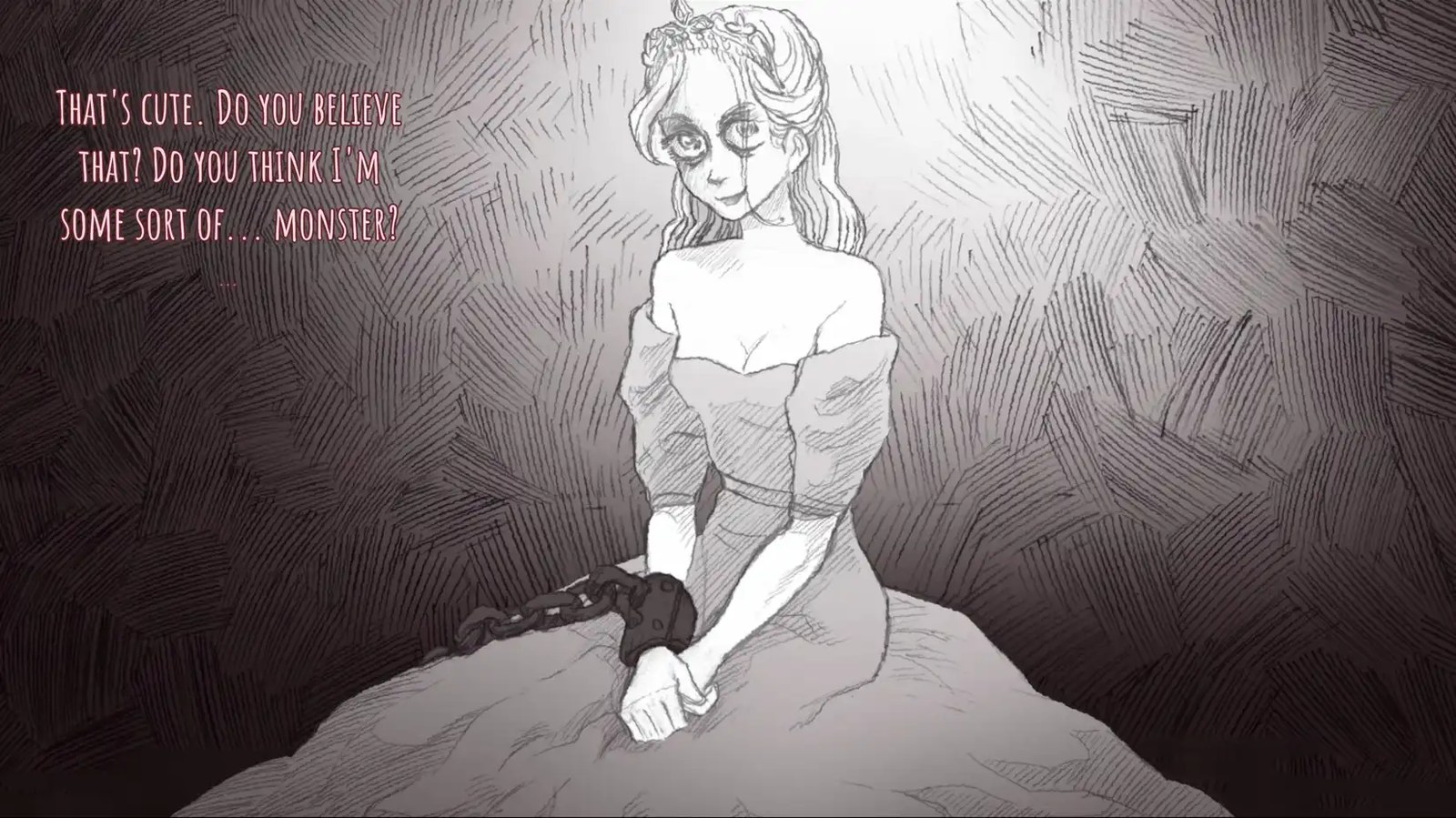
Slay the Princess
Black Tabby, the studio behind Scarlet Hollow, loves pushing the boundaries of choice-driven narratives. In Slay the Princess, you’re a warrior tasked with entering a cabin, descending to its basement, and slaying the princess imprisoned there. She is, the narrator assures you, quite dangerous. When folks talk about games where choices matter, the conversation typically heads in one direction: how many endings there are. However, it overlooks other, equally important ways stories change based on how you interact with them. Slay the Princess embodies both philosophies. The many and varied branches eventually resolve into a fixed set of potential endings, but the outcome is only half the story. Each path unfolds around some new facet of the situation, or yourself, or the princess. You make your choices guided solely by your instincts and what you’re encouraged to believe based on other interactions. It gives these branches an intensity that’s unique to Slay the Princess and utterly impossible to have in a story where you’re just wondering who lives or dies. Speaking of Black Tabby, their horror VN-slash-RPG-lite, Scarlet Hollow, is also very much worth your attention. It’s technically not finished yet, even after five very substantial chapters, which is the only reason it’s not on this list. But if you like good writing, unusual horror, top-notch art, a fresh take on romance, and good writing, you absolutely need to play it.

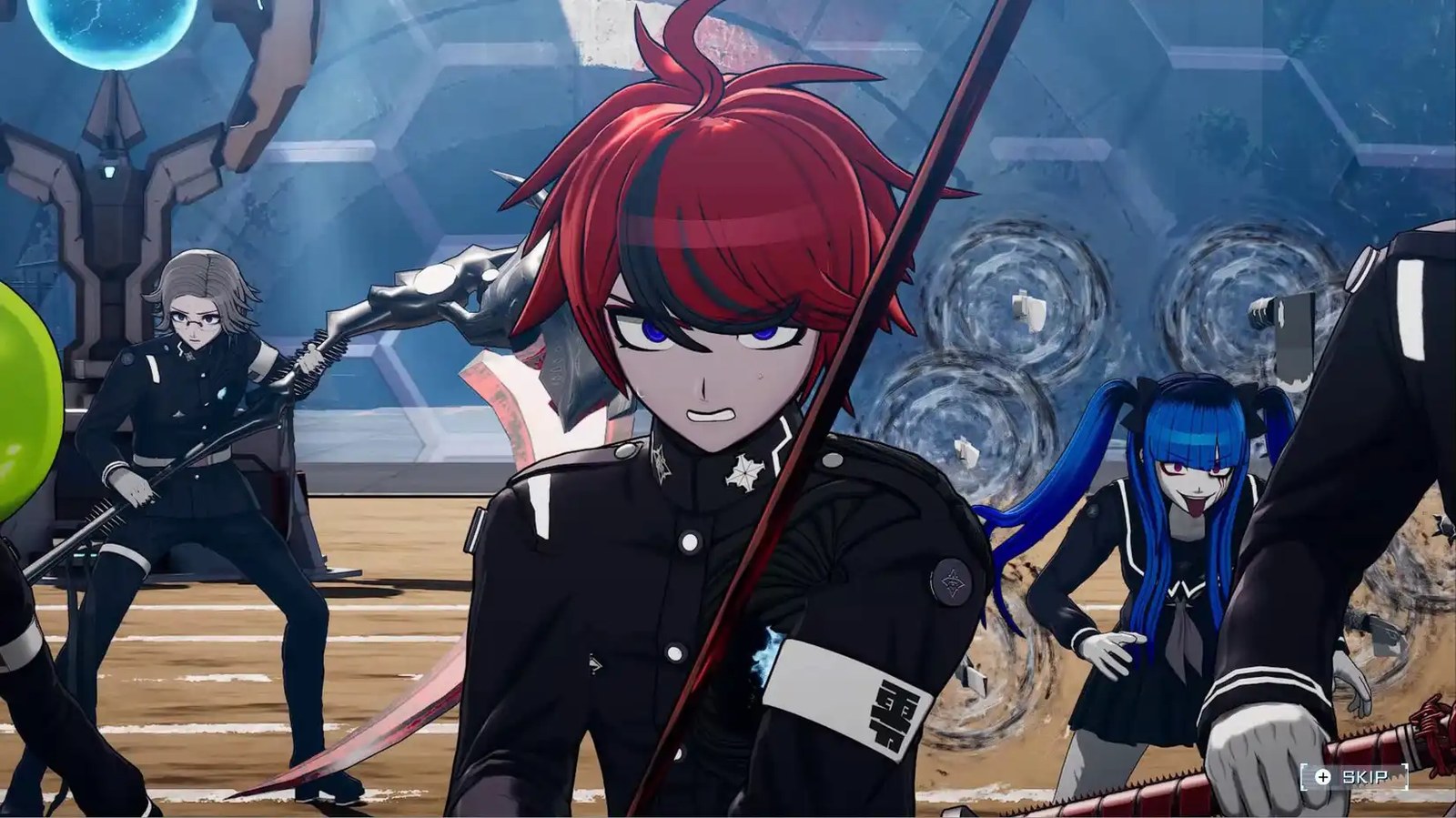
The Hundred Line: Last Defense Academy
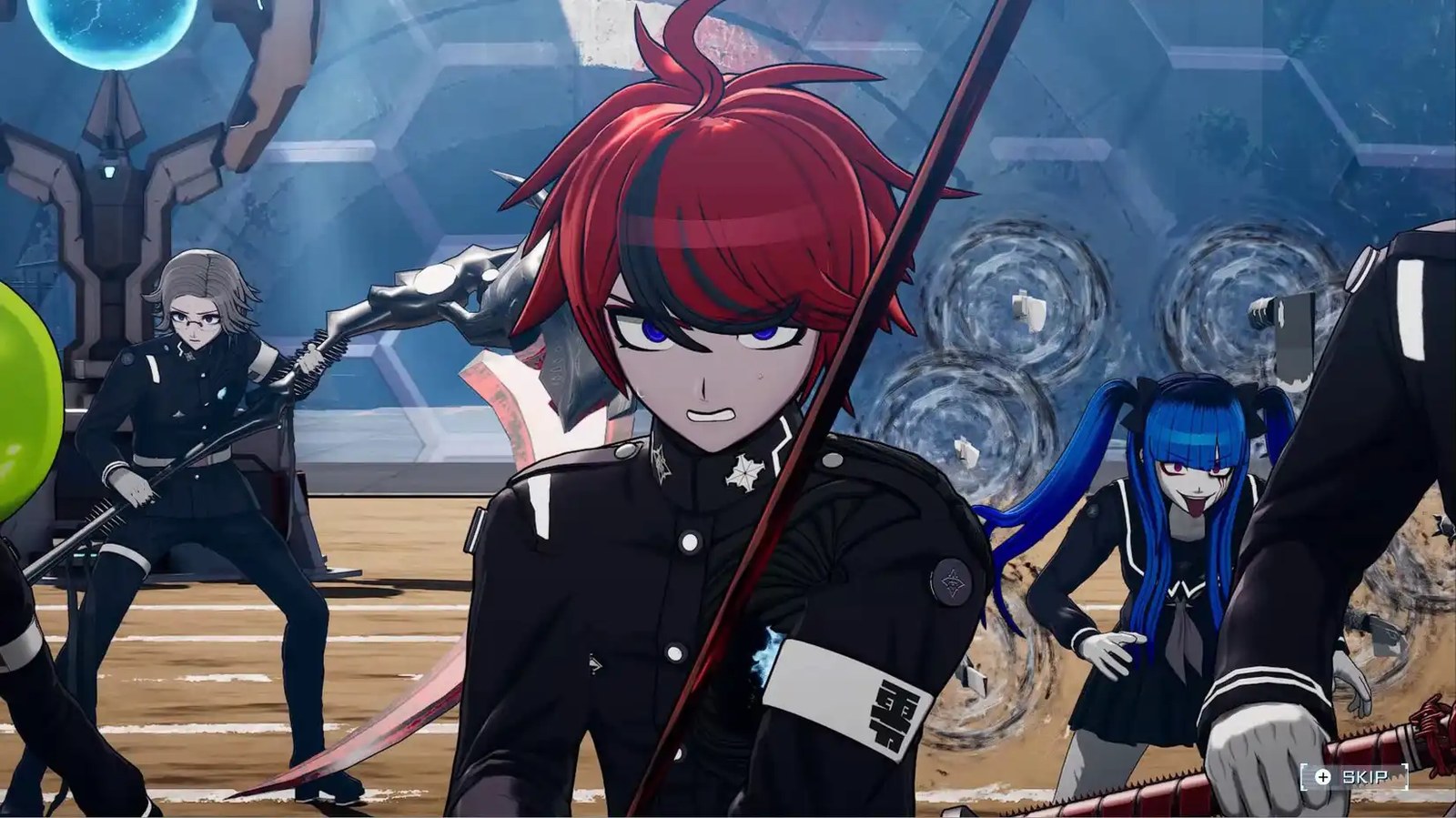
For 30 hours, it forces you down a linear path with no branches, and the game ostensibly ends. Then it’s back to the start, only this time, you can change how events unfold. It introduces this feature in a very dramatic way that signals just how big your choices are now: A single action transforms the entire storyline and the lives of everyone in the school. Developer Too Kyoo took expectations about choice-driven games and decided to push them to their most extreme conclusions. Last Defense Academy was one of our favorite games last year. It bankrupted Too Kyoo, but the way it defies expectation and turns the established relationship between the game and the player on its head is just superb.
Have thoughts, questions, or benchmarks on this topic? Join the discussion on our forums.
Join Discussion ➔






















2 comments