

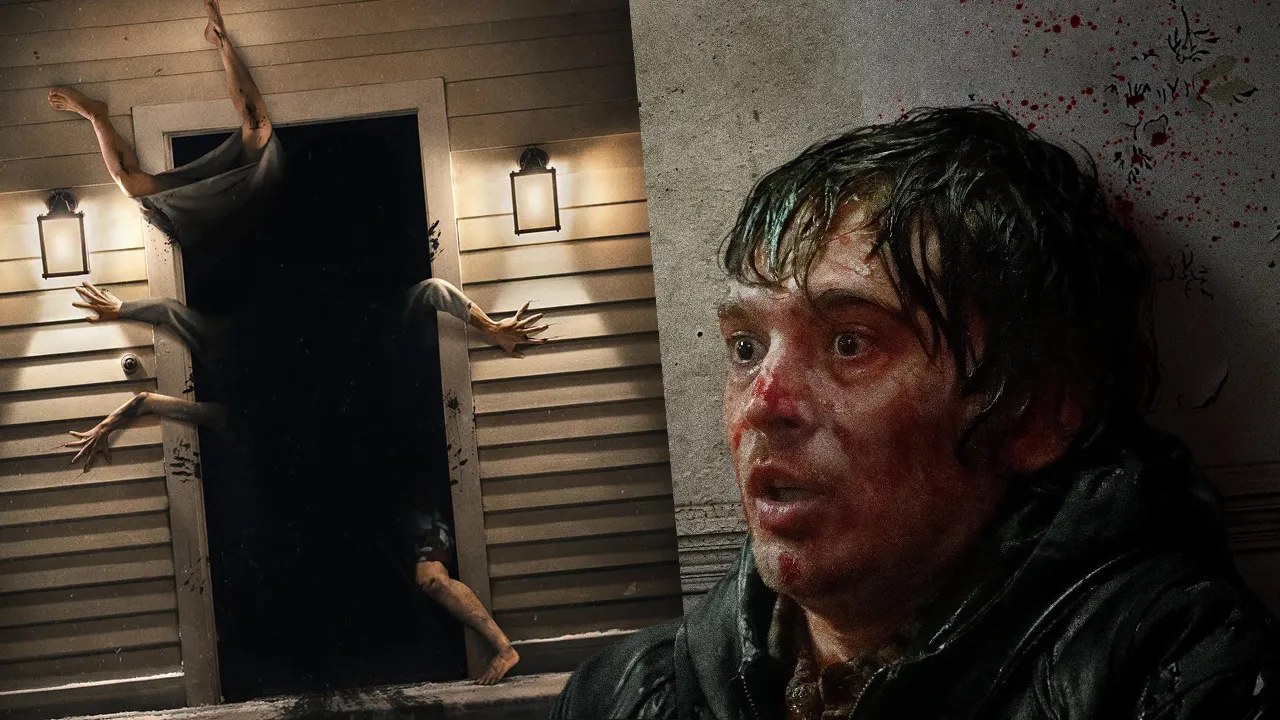
As Zach Cregger’s Resident Evil continues its theatrical run, the film’s stunt team has begun releasing behind-the-scenes footage that reveals the physical craft behind one of the movie’s most memorable creatures. Among the revelations is a viral look at the stunt performers who physically enacted the movements of the film’s signature stalker monster — affectionately dubbed the “Katamari Monster” by fans — proving that much of its unsettling locomotion was born from real human bodies rather than pure digital fabrication.
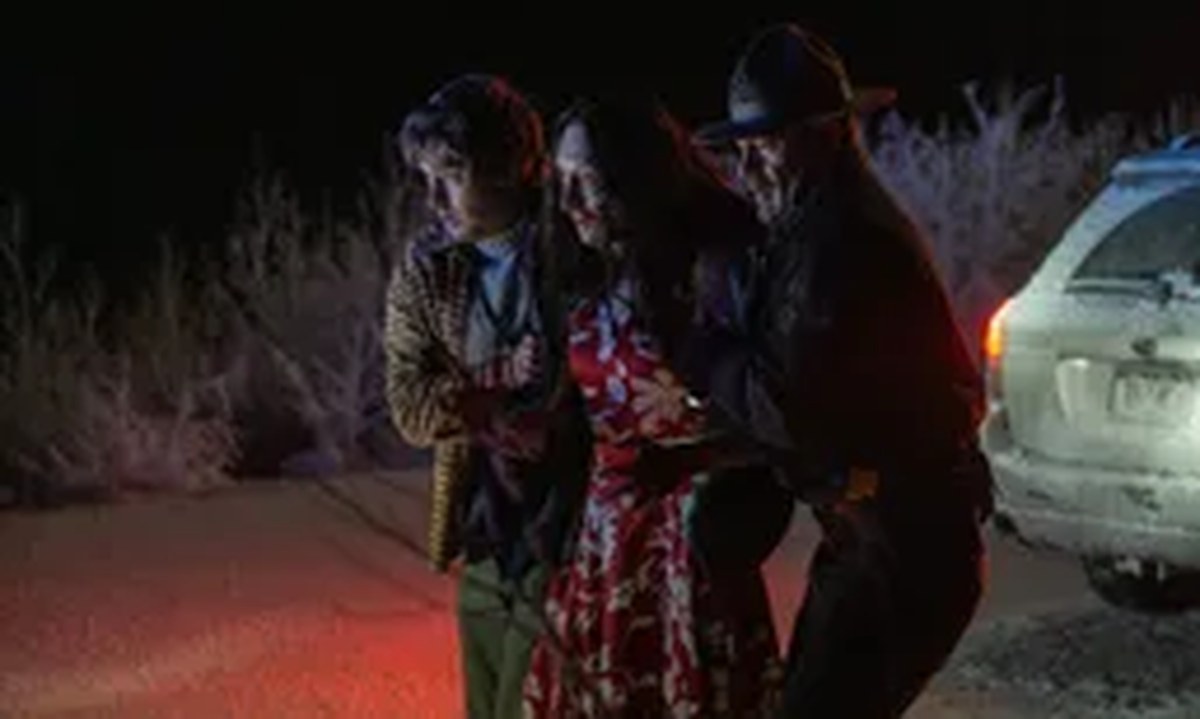
The monster, which serves as the primary threat in Cregger’s adaptation of Capcom’s flagship horror franchise, has become a subject of fascination within the games’ community. Its design features tentacle-like appendages that latch onto other infected corpses and fuse them into a sprawling mass of limbs that tumbles across the streets of Raccoon City — a formation that closely mirrors the physics-defying rolling mechanic of the Katamari video game series, hence the playful nickname. While most audiences assumed the creature was entirely a product of computer graphics, a now-viral Instagram post from a single performer has reshaped that assumption.
A Physical Performance Behind the CGI
Jakub Hudlicky, a performer with Movement Production in the Czech Republic, published a series of videos documenting himself and several fellow stuntpeople strapped together with specialized vests. Working in unison, the team navigated from one side of a soundstage to the other, replicating the rolling, limb-swinging motion the Katamari monster exhibited on screen. The footage, captured in July 2025, shows the crew rehearsing how the creature would physically chase the protagonist, Bryan, through the film’s central city.
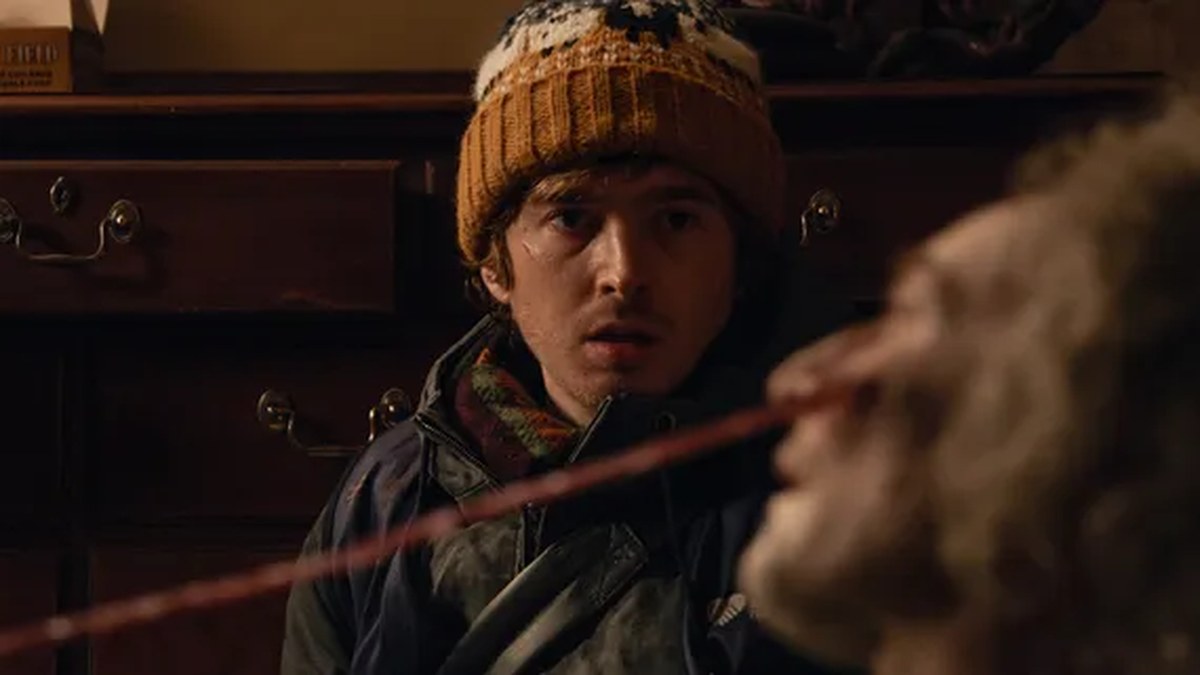
Hudlicky clarified in a comment that the raw footage of the performers never made it into the finished film. Instead, the recordings served as a reference for the visual effects team, with the actual on-screen monster being modeled and assembled through computer graphics. “The actual footage of them was ‘not in the final movie, but the movement kinda mimics how the CGI creature moves,'” he explained, underscoring the collaborative pipeline between practical stuntwork and digital artistry.
“The actual footage of them was ‘not in the final movie, but the movement kinda mimics how the CGI creature moves.'”
Jakub Hudlicky, Movement Production
The stunt performers’ work provided the CGI artists and animators with a tangible blueprint for the creature’s behavior. By studying how a group of real human beings could coordinate their arms and legs to roll and lurch as a single entity, the visual effects team gained essential information about weight, momentum, and the unsettling rhythm of the monster’s pursuit — details that would have been far harder to invent purely from a digital standpoint.
Looking Ahead
The stunt footage represents the latest wave of viral content to emerge from Cregger’s Resident Evil, which has already been celebrated as a critical and commercial triumph. The film has earned mostly positive reviews and has become the most successful film adaptation of Capcom’s flagship horror franchise to date. IGN’s Tom Jorgensen scored the film an eight out of 10, praising it for delivering “a simple and exciting survival horror story that benefits greatly from Zach Cregger’s sensibilities.”
The monster’s practical origins add a fresh layer of appreciation to a film that has already generated considerable buzz for its creative decisions. Earlier this year, Cregger revealed that the movie’s ending was not the conclusion he had originally written, describing the final sequence instead as a “contingency plan” filmed to “keep the stakes all the way until the end.” As the film’s promotional cycle winds down, these behind-the-scenes glimpses continue to deepen audiences’ understanding of the meticulous craftsmanship that brought Raccoon City’s most bizarre threat to life.



Join the conversation