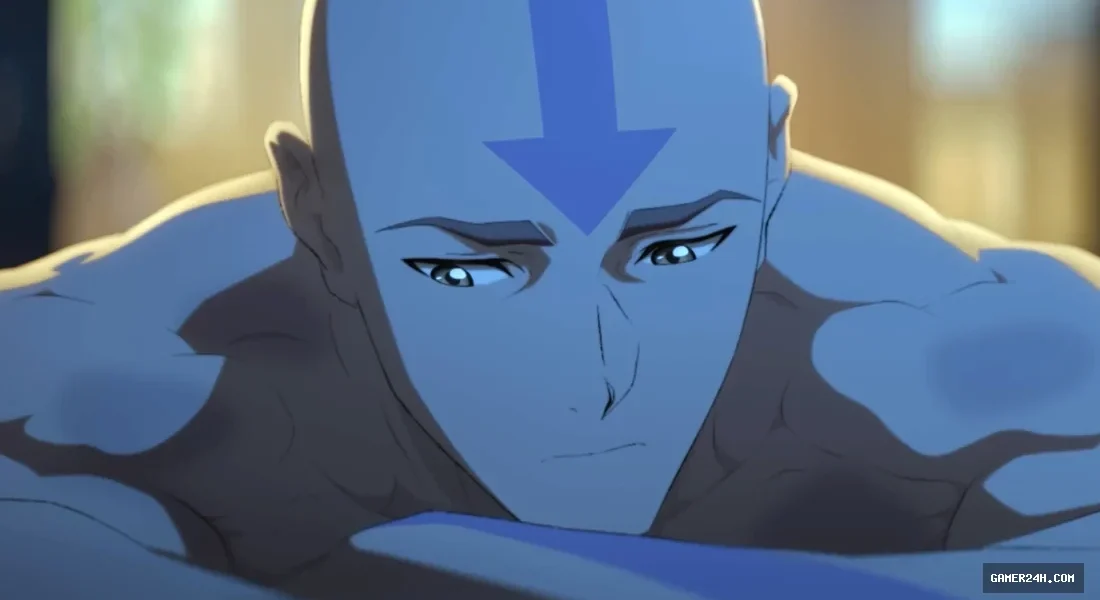
Avatar: The Last Airbender reimagines the beloved Nickelodeon series as a mature, gritty adventure that follows Aang and his companions as they transition into adulthood, confronting a world that demands a more serious perspective. Yet insiders reveal that the sequel could have pushed its violent content even further, according to early drafts of a pivotal battle sequence.
In the film’s climactic second act, Tagah—portrayed by Dave Bautista—emerges as a long‑forgotten airbender who lures Aang with the promise of reviving airbending in the modern era. He then betrays the team by slaughtering Aang’s friends. The on‑screen confrontation between Tagah and Katara, Toph, Sokka, and Zuko stands out as one of the film’s most thrilling moments; although the heroes ultimately fall, the scene underscores the formidable threat that awaits Aang later on. The actual deaths of the quartet, however, are largely implied off‑screen or shown in brief flashes.
During production, Avatar Studios reportedly entertained a far grimmer vision for that confrontation—an approach that would have left no ambiguity about the brutality of Tagah’s assault.
Animator Tom Barkel shared a series of early animatics on Twitter, including a now‑deleted clip that depicted Tagah mercilessly killing the main cast. Fans captured the footage before its removal, and it has since circulated across social media, offering a chilling glimpse of the film’s original, more violent concept.
The production team likely had to tone down the content to preserve the film’s PG rating, and Barkel appears unfazed by the change. The original sequence was so graphic that it’s astonishing it was ever considered during development, offering a glimpse into an alternate timeline where Avatar Aang: The Last Airbender would have been a PG‑13 feature, forcing fans to witness unsettling events involving beloved characters. In the final cut, the protagonists are resurrected and unite to defeat Tagah, ultimately rescuing the Avatar universe from collective distress.
Although this particular version never made it into the released movie, it serves as a testament to the many skilled animators who poured their talent into a visually stunning project that has repeatedly been sidelined by Paramount and unforeseen circumstances.
❓ Frequently Asked Questions (FAQ)
Was the more violent version of the Tagah battle ever released to the public?
No, the more violent version was only shown in early animatics and a deleted clip on Twitter. The footage was captured by fans before removal, but it was never officially released by Avatar Studios.
Why did Avatar Studios decide to tone down the violence in the final film?
Studio insiders said the original cut was too graphic for the intended audience and risked alienating fans of the original series. They chose to keep the tone mature but within acceptable limits for a broader release.
How does the toned‑down version affect the story’s emotional impact?
While the final film still shows the betrayal and loss, the implied deaths and brief flashes keep the stakes high without explicit gore, preserving the emotional weight while maintaining a more family‑friendly approach.
News Source: Kotaku




Comments
Be the first to comment.