

 •
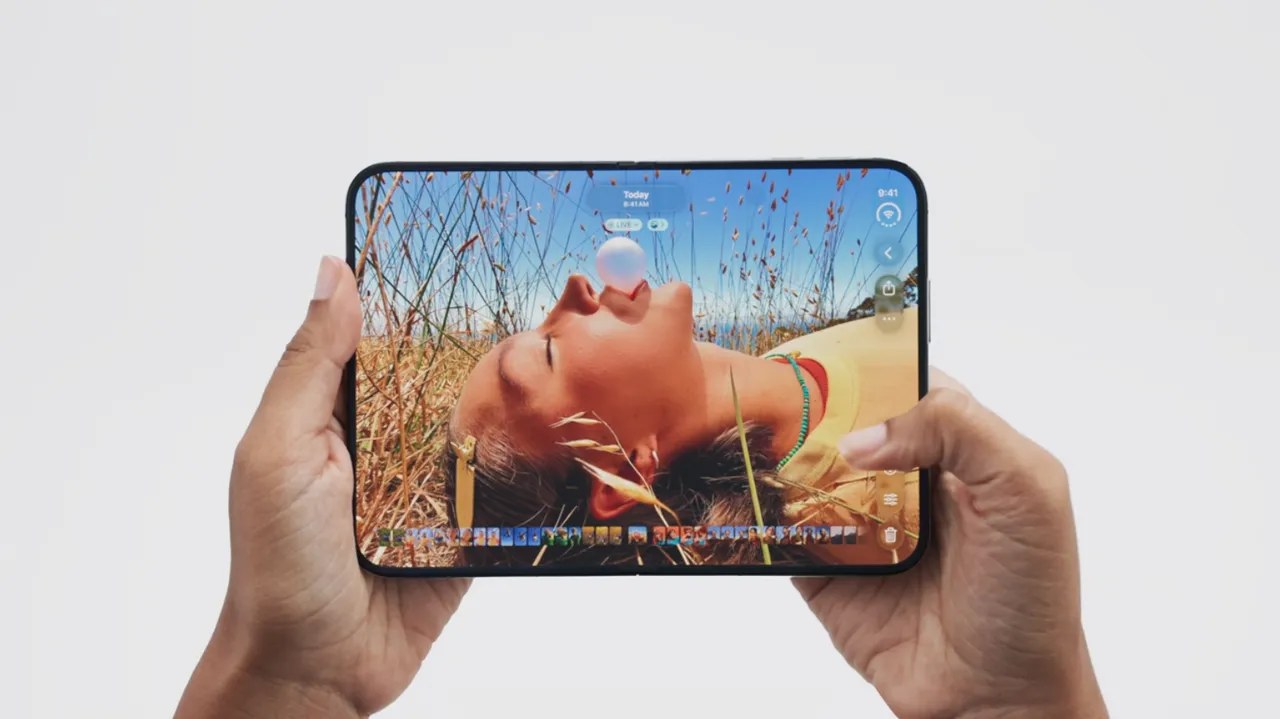
•The foldable Apple iPhone Duo is real and nearly here—and it carries a steep price tag. At $1,999, the iPhone Duo tops both of the other recently-released iPhones, sitting $100 above the Samsung Galaxy Z Fold 8 that launched earlier this year. In terms of specs, it’s more comparable to the Galaxy Z Fold 8 Ultra, which costs $2,099 out of the gate.
The big open question is what the best way to protect the iPhone Duo. Case makers have had plenty of practice with foldables from Samsung and Google, but picking something for Apple’s phone remains riskier—it’s a brand new device in an unusual, passport-style form factor (hadn’t it been that Samsung beat Apple to the punch in July).

The case makers chosen below are historically good at what they do. But mainly, the recommendation is to go with an Apple-made option over all of them—at least until third-parties have had a chance to work out any kinks with their designs.
Apple iPhone Duo Case
Apple’s first-party iPhone Duo case comes in Navy Blue and Sand, complementing the two Duo options—black or white—that the company is offering its new foldable in. It has MagSafe support (it should also work with a 25W Qi2 charger), a matte coating, and is made of polycarbonate material.
Being a first-party Apple case, it’s guaranteed to fit an iPhone Duo—which isn’t something you’d necessarily expect out of a third-party option this early in the game.
You can get the Apple iPhone Duo Case straight from the Apple Store now, for $79.
Apple Duo Folio with Kickstand
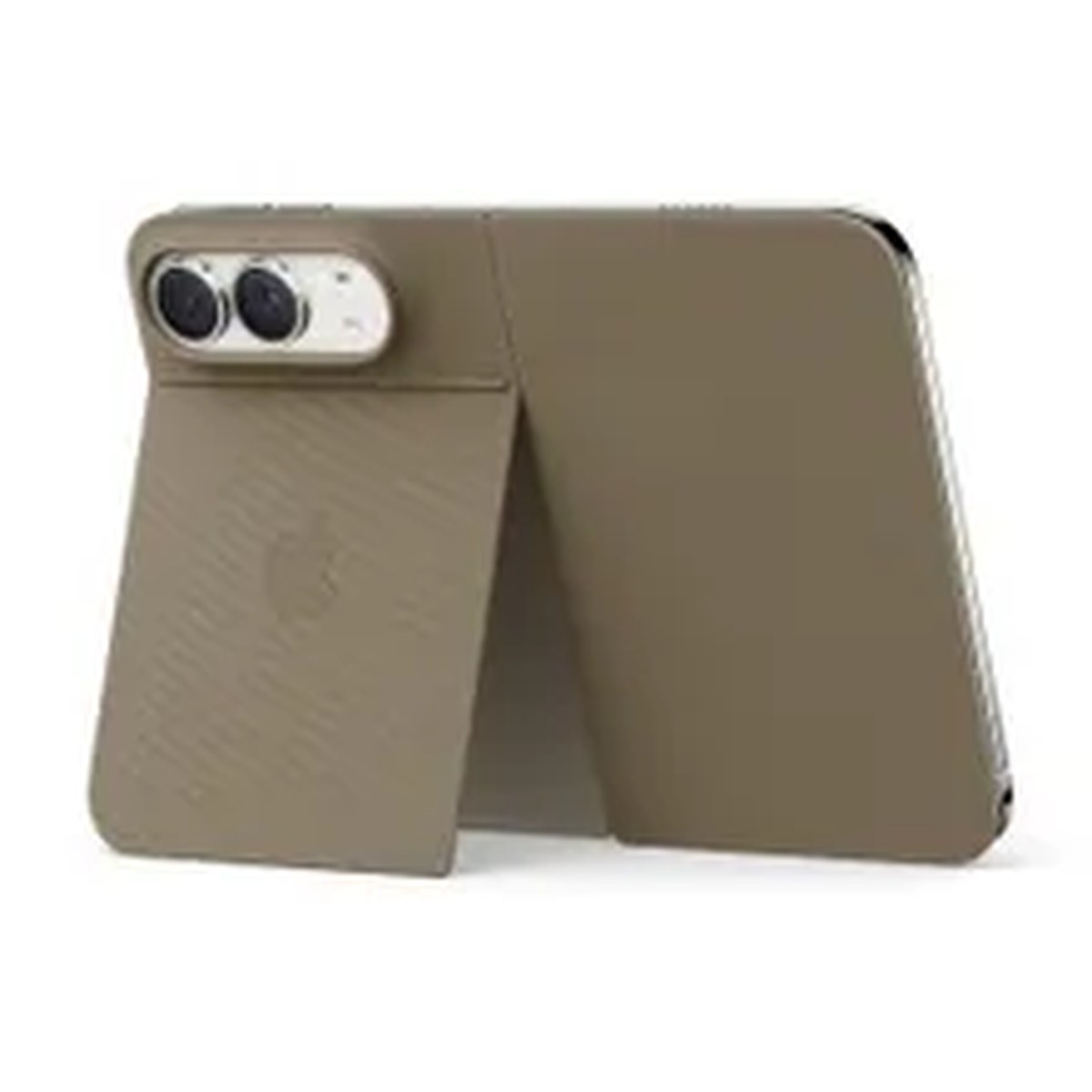
The Apple iPhone Duo Folio with Kickstand isn’t a case as much as it is a magnetic cover, very similar to the ones the company has made for iPads for years. The Duo Folio doesn’t cover the sides of the phone, and it fully covers the outer display when you’re not using it.
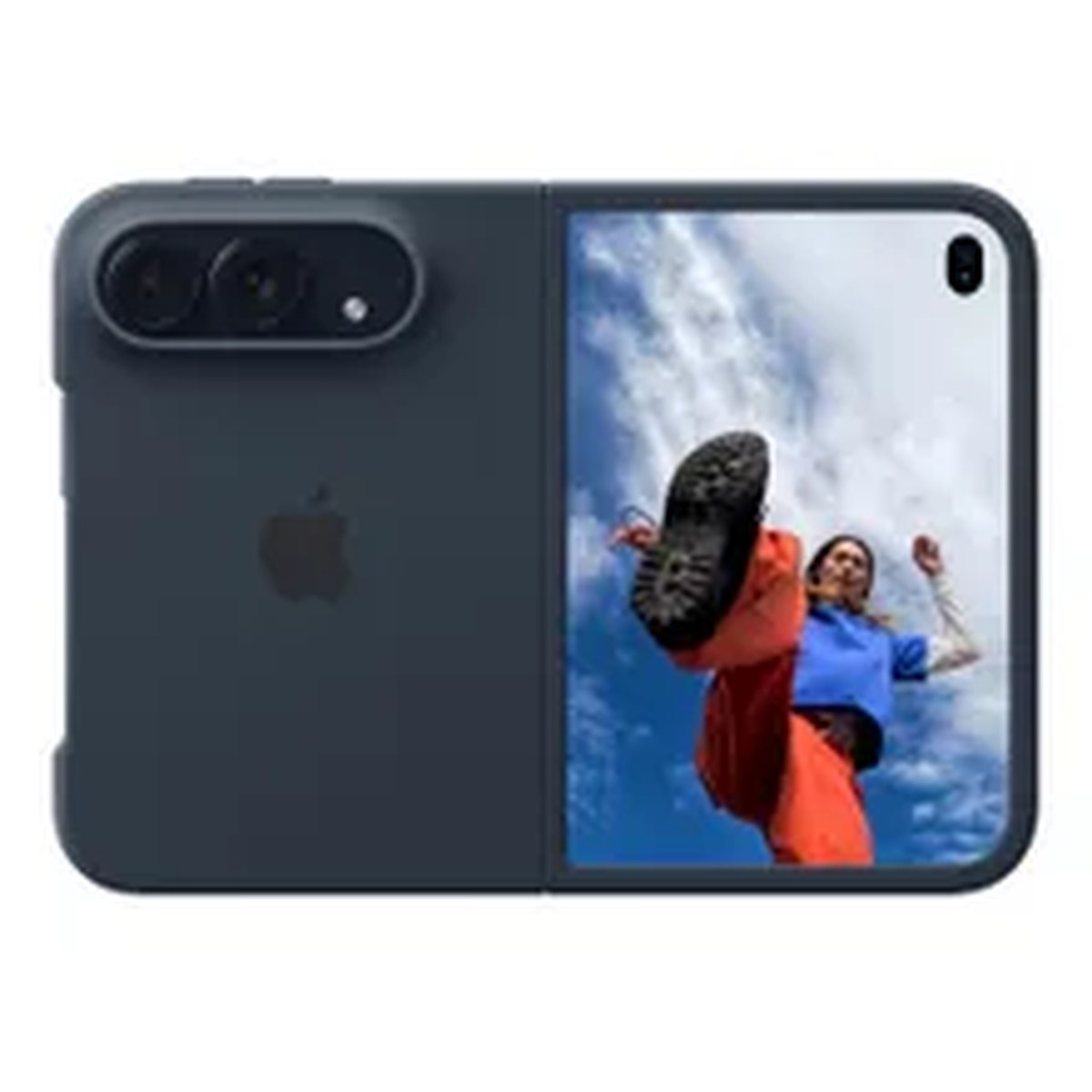
Based on Apple’s product imagery, you can flop the outer display part of the cover off to use it—but it’s not clear if it then folds behind the phone, as it does on iPad folio cases.
The iPhone Duo Folio with Kickstand comes in Navy Blue and Taupe, both with the same textured fabric found on the iPhone 18 Pro’s TechWoven cases. It’s also spendy, at $129—a full $50 more than Apple’s Smart Folio for iPad Pro 11-inch.
Otterbox Defender Series Pro XT
Otterbox has a long history of producing sturdy smartphone cases. Although it might add a huge amount of heft and bulk to what is the thinnest iPhone Apple has ever made (when unfolded), it might be worth it, considering the price of the phone and its untested durability.
This case has a raised lip around the outer display and a hinge guard that the company says lays flat—it looks like it means the hinge, not the phone itself—when the phone is open. Otterbox is charging $90 for the new case. It has no official release date, but presumably, it’ll come soon.
For the more typical slab-style form factor phones, a recommendation goes to Otterbox’s Commuter Series iPhone 18 Pro and 18 Pro Max cases, which offer beefy protection that’s not quite so unwieldy.
Mous Ultra Thin Phone Case
If you just want to keep your iPhone Duo scratch-free, Mous’s Ultra Thin Phone Case is a solid option. It’s made up of a rigid aramid fiber, and has a cover for the back of the phone, as well as a piece that hugs the outer edge of the front display.
On the inside, the back cover has a microfiber layer, and sandwiched between the layers is a magnetic ring to ensure your phone can still support MagSafe wireless charging.
The Mous Ultra Thin case costs about as much as the Duo case Apple makes, and it’ll still leave your phone’s hinge unprotected. As a fellow thin case liker, there’s an understanding that sometimes a beefy case just makes your phone feel less cool.
Spigen Ultra Hybrid Pro (Mag Fit)
There aren’t a lot of clear cases yet for the iPhone Duo—at least not that could be seen from case makers tending to trust. Thankfully, Spigen is among those doing it, and its transparent Ultra Hybrid Pro (Mag Fit) has most of the things wanted out of a clear case.
It’s see-through all the way around, and features a magnetic ring for wirelessly charging your phone or popping MagSafe accessories like pop sockets and wallets on the back.
One drawback could be the apparently bulbous hinge cover that probably keeps the Duo from laying flat when it’s all the way open. Another is its all-polycarbonate construction, which could make it a little overly rigid versus a hybrid case that uses flexible TPU as well. The company also offers one similar to Dbrand’s Ghost Case, with opaque outer edges, while clear plastic makes up the back cover.
The Spigen Ultra Hybrid Pro is priced at $60, which puts it at the lower end of many of the cases on this list.
How to Pick an iPhone Duo Case
I always recommend that prospective case buyers start by setting a budget for their new case—which might seem silly if you’re buying a $2,000 phone, but maybe that breaks the bank for you. Then figure out what you want the case to do: Is it purely for drop protection? Do you just want it to keep your phone from scratching? Does it need to be clear or opaque?
Something to additionally consider is that the iPhone Duo is a brand-new form factor, and Apple’s first go at the foldable market. The company is known for its patient, detail-driven approach to things—but despite the many leaks that seem to have predicted the Duo’s exact dimensions, there could still be quirks that case makers didn’t anticipate.
It’s not a bad idea to prioritize edge and hinge coverage, and keep in mind that many hinge covers can keep the phone from laying flat on its back when it’s unfolded all the way. Also consider how the case looks on the phone and feels in your hand—maybe you’re getting the ultimate in phone protection, but is that really worth it if it ruins how it feels to use your device every day?























Συμμετάσχετε στη συζήτηση