I’ve always had a complicated relationship with Paradox’s grand strategy games. The idea of meticulously managing empires across history is incredibly appealing, but I often find myself overwhelmed by the sheer complexity and my attention quickly wanes.
A New Approach to Survival
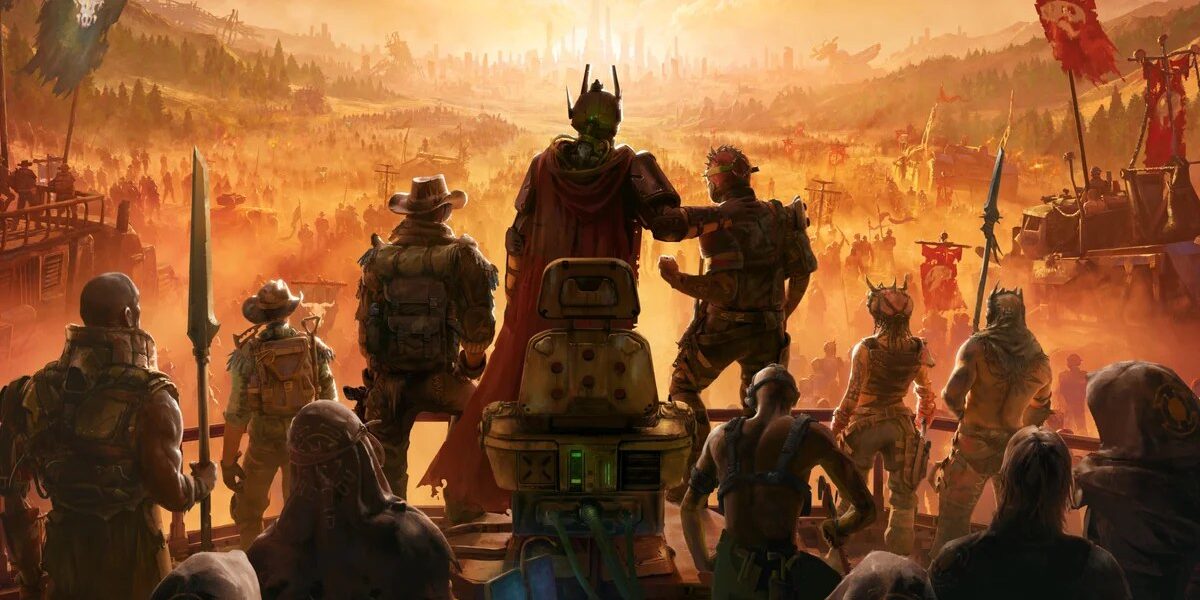
Paradox Interactive’s new post-apocalyptic grand strategy game, Afterworld, aims to address this issue with some smart design choices. It introduces a unique twist on the genre, drawing inspiration from survival and settlement building games. Players take on the role of guiding hand for a ragtag group of survivors in a post-apocalyptic North America, growing them from humble beginnings into a continent-spanning empire through technology, fear, or civilization.
Choosing Your Path
The game starts with a choice: who will your survivors be? Afterworld features three starting origins, each with its own narrative flavor. These origins help players lean into certain playstyles faster. The Shelterborn are balanced for beginners, while the fanatics worship a powerful Ancient and embrace religious ideologies. For more aggressive, war-focused players, there’s the band of former wardens and prisoners.
Exploring the World
The game starts with a clear objective: scout the surrounding land in search of a new home before your shelter’s reactor goes ‘boom’. The Ranger unit explores five provinces, revealing resource spots and “mysteries.” Discovering a farm might unlock riding, allowing faster travel. These discoveries also spark “ideas,” Paradox’s way of controlling information flow.
Learning as You Go
Unlike Crusader Kings, which throws endless terminology at you from the start, Afterworld drip-feeds mechanics and explanations. Finding a river might reveal fishing options, while combinations of ideas unlock new avenues. This approach keeps knowledge siloed until needed, preventing overwhelm.
The Importance of Movement
Paradox aims to create a grand strategy game with a different rhythm, where permanence is never guaranteed. “In this game,” explains Lind, “you’re going to be encouraged to move around, find better spots, and, where you can, make the most of it. And sometimes, [you might just need to] run away from someone – it’s a much more mobile, quite different experience in this sense.”
Building Your Civilization
Once your initial objective is complete, you gain access to a new unit and must find a new home. You can see the fertility and radiation levels of each province tile. Finding prime real estate with accessible water, you establish “False Hope,” your first town. This unlocks the ideas screen, where you learn abilities for survival. Researching sustainable camps allows wood gathering, scavenging, and farming.
Crafting Your Society
You can create numerous bands within your tribe, each with its own beliefs. These bands have core norms and customs, which are unlockable upgrades that affect their values. You might choose a custom where your band opposes exploitation but embraces dark science, leading to super soldiers and nukes. This is where Paradox’s traditional grand strategy concerns emerge, as values become important in crafting your civilization.
Managing Your People
Bands have health and motivation meters influenced by access to essentials. Early on, frugality might be key, but later you can improve the lives of your bands. They also have Inspiration levels, which influence their willingness to cooperate. Low Inspiration leads to revolts or civil wars.
A Familiar Yet Unique World
Afterworld begins to reveal its depth and breadth. Focusing on a single continent allows for a more human-focused story and mechanics. The familiar geography of North America is remixed with missile strikes and drained Great Lakes, creating a recognizable yet unique world. This blend of familiarity and unfamiliarity creates a compelling experience.
The Future of Strategy
Paradox aims to create a game that sits at the intersection of its grand strategy audience’s preferences. It offers deep research for historical fans while leaning into speculative sci-fi elements. The team limits its science to what current experts believe is possible, including rail guns, nanites, and drones. This blend creates a unique and engaging experience.
After just 45 minutes with Afterworld, I’m already convinced. It feels like a refreshing departure for Paradox, balancing familiar elements with innovative design choices. Its colorful take on the apocalypse is enticing, and its light narrative touch adds life to the reawakening world. More importantly, it seems designed to be more manageable and approachable than previous entries in the series. I’m eager to play more and see how this unique strategy game unfolds.




Comments
Be the first to comment.