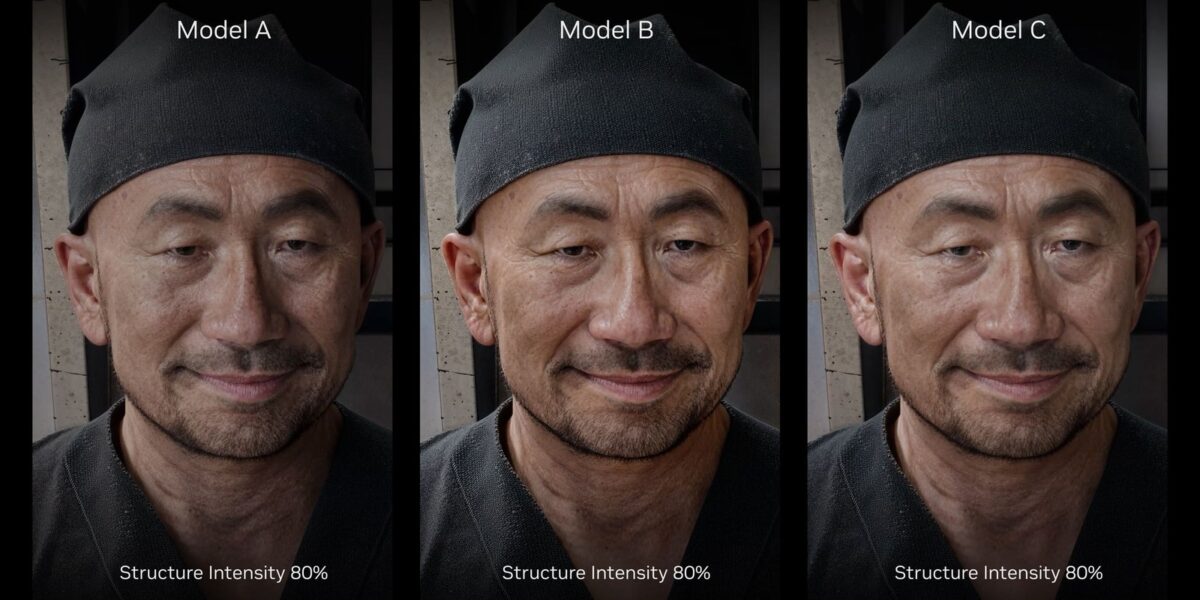
Last week, I dove headfirst into the world of Nvidia’s DLSS 5 with a healthy dose of skepticism. While the promise of AI-powered image enhancement is alluring, I had reservations about its impact on our beloved games and the broader implications for the gaming community. The good news? When properly implemented by game developers, DLSS 5 can deliver impressive visuals. The bad news? Nvidia admits that enabling DLSS 5 currently results in a staggering 50-60% performance decrease.
The Visual Upgrade Comes at a Price
Nvidia was quick to highlight the rapid progress made since the initial release of DLSS, noting a fivefold improvement in just six months. However, this impressive technical achievement is overshadowed by the significant frame rate drop. The reality is that even with these advancements, tanking frame rates is unlikely to win over many PC gamers.
Examining Nvidia’s performance charts reveals a stark contrast between theoretical frame rates and actual gameplay experience. For example, while an RTX 4090 can theoretically achieve 258 fps in NBA 2K27 at 1080p Ultra settings with ray tracing and DLSS 5 enabled, the game is actually running at around 43 fps. At 4K resolution, the same settings result in a 370 fps average on an RTX 4090 or a 233 fps average on an RTX 2080 Ti, all thanks to Performance-level upscaling and 6x MFG doing some seriously heavy lifting.
For gamers who’s invested heavily in high-end graphics cards, sacrificing that much performance for visual enhancements is a tough pill to swallow. It raises questions about whether the AI-ification of DLSS 5 is truly the biggest hurdle to its acceptance.
Beyond Performance: The Ethical Considerations
While I have my own concerns about the ethical implications of AI in gaming and the potential for intrusive technologies, the performance hit associated with DLSS 5 might ultimately be a more immediate deterrent. Nvidia representatives assured me that performance improvements are on the horizon, but given the ongoing pricing crisis affecting the graphics card market, it’s unclear who this technology is currently intended for.
When previous iterations of DLSS were released, their performance-tanking qualities were somewhat mitigated by the introduction of upscaling technologies. However, even with more powerful gaming PCs on average, ray tracing remains a significant performance bottleneck in 2026, and many gamers still opt to disable it for smoother gameplay.
While DLSS 5 is undeniably more transformative than ray tracing in terms of the visuals it creates, it also carries a heavier performance cost. Even gamers willing to embrace AI-enhanced games might hesitate when faced with such a drastic reduction in frame rates.
I had anticipated writing about the controversy surrounding Nvidia’s new technology from an ethical standpoint, but I find myself focusing on the practical implications. In its current form, DLSS 5 feels like a sledgehammer to your graphics card, and regardless of your stance on AI in gaming, nobody wants that.
The future of DLSS 5 hinges on Nvidia’s ability to optimize its performance without compromising the visual fidelity it promises. Until then, gamers will have to weigh the benefits against the cost, a decision that could ultimately determine whether this ambitious technology finds its place in the gaming landscape.





Comments
Be the first to comment.