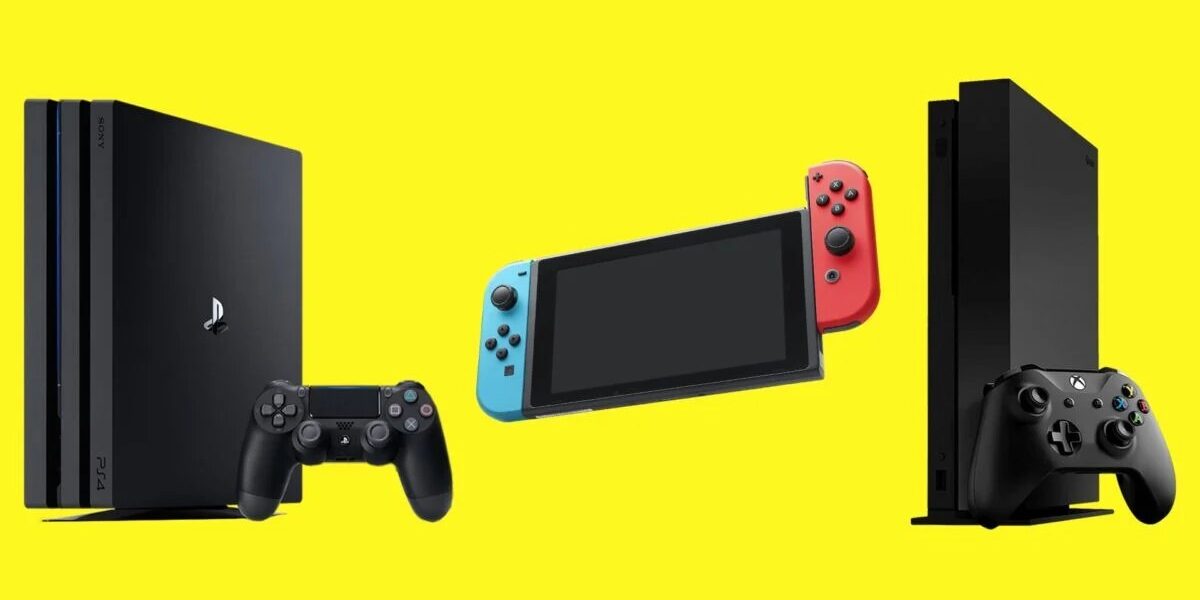
Hold onto your controllers, folks! The console market in the U.S. is facing a serious slump. New data from Circana paints a grim picture for July 2026, marking it as the worst month for console sales since the early days of the COVID-19 pandemic. It’s not just a minor dip; we’re talking about a significant downturn driven by a perfect storm of factors.
The Numbers Don’t Lie: A Deep Dive into the Data
According to Circana’s report, total hardware spending in July 2026 plummeted by 29 percent year-over-year, hitting $282 million. To put that in perspective, July 2020 saw a low of just $163 million due to pandemic-related supply chain chaos. Unit sales also took a massive hit, dropping 39 percent compared to the previous year. Adding insult to injury, the average price of a new console jumped a staggering 16 percent, reaching $542. This combination of lower volume and higher prices is clearly impacting consumer demand.
While Nintendo is facing tough comparisons to last year’s launch window for the original Switch, all three major hardware manufacturers – PlayStation, Xbox, and Nintendo – are feeling the pain. Nintendo Switch 2 sales were down 51 percent, PlayStation 5 unit sales declined by 6 percent, and Xbox Series consoles saw an 18 percent drop in sales. This widespread downturn suggests a systemic issue affecting the entire console market.
“The market comparables continue to be impacted by the record-setting June 2025 launch of Nintendo Switch 2,” the report notes. “However, the challenges extend far beyond simple cyclicality. Higher hardware prices driven by the RAM and component crisis have significantly impacted the selling rates of both PlayStation 5 and Xbox Series, with a price hike for Nintendo Switch 2 hardware coming on September 1st, 2026.”
The looming Switch 2 price increase is just one piece of the puzzle. The ongoing RAM shortage is creating a bottleneck in production, driving up costs and limiting availability. Analysts have been warning about further console price increases, and it’s hard to see how those prices will ever come back down. As one analyst put it recently, “The situation is unsustainable.”
Despite the overall slump, the PlayStation 5 managed to edge out the competition in dollar sales for the month. However, the Switch 2 continues to outperform the original Switch at the same point in their respective lifecycles, leading in unit sales by a significant margin of 11 percent.
Beyond Hardware: Software Sales Also Taking a Hit
The impact isn’t limited to hardware. Overall game spending also declined, dropping 10 percent year-over-year. This is due not only to the hardware slump but also to significant drops in software spending. Gamers are clearly tightening their belts, and both hardware and software are feeling the squeeze.
The future of the console market remains uncertain. The combination of high prices, limited availability, and a generally cautious consumer environment paints a challenging picture for manufacturers. Only time will tell if they can navigate these headwinds and reignite demand.





Comments
Be the first to comment.