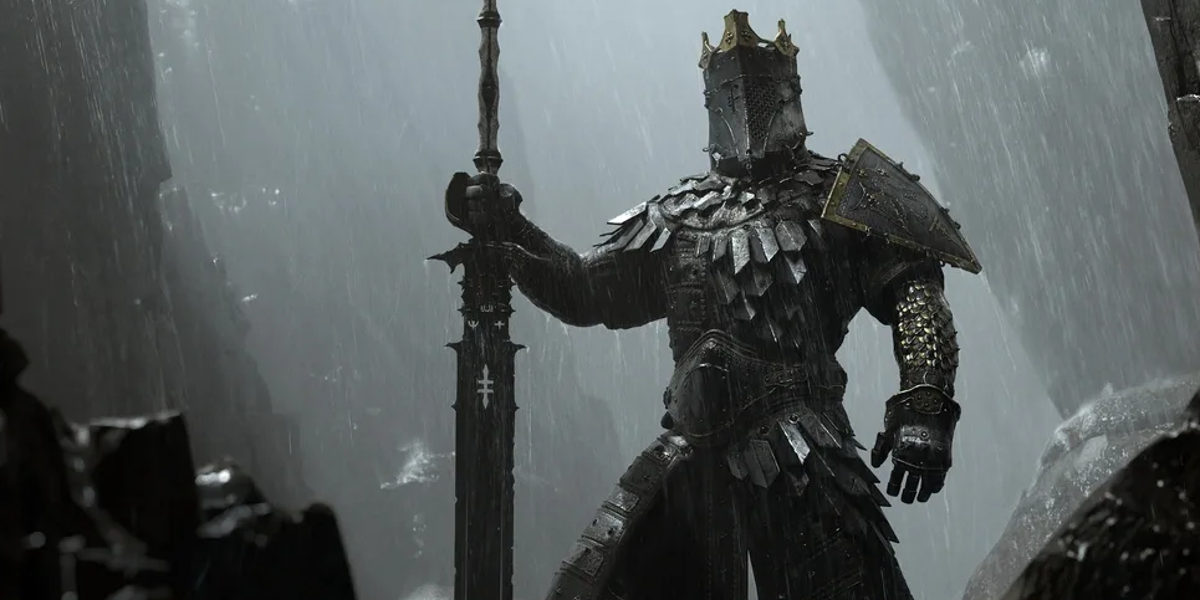
In the ever-expanding world of Soulslike games, a new title must immediately distinguish itself. Mortal Shell 2 rises to this challenge, establishing itself as an excellent entry in the genre with its own unique rhythm and feel.
A Promising Start
The opening minutes of a Soulslike are crucial, and Mortal Shell 2 excels here. The game starts strong, maintaining that momentum throughout its roughly 30 hours. It masterfully condenses its magic into those initial moments, setting the stage for what’s to come.
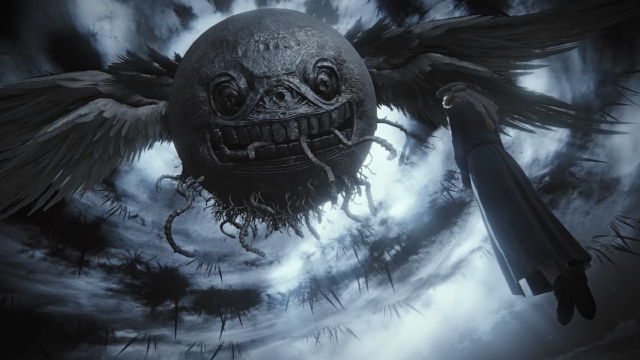
Your character awakens to a whisper, before a talking crow with a human skull (a Soulslike touch!) sets up the mystery: you’re not from this world, and the people you’ll meet aren’t like you. You walk through what seems like a normal village festival. The atmosphere is joyful; music plays; children sing; a woman invites you to dance. However, listen closely, and you realize this is more akin to something out of Midsommar. Everyone talks in hushed tones about looking their best for “meeting Mether.” The road ends at a pyre, revealing the true nature of the festival.
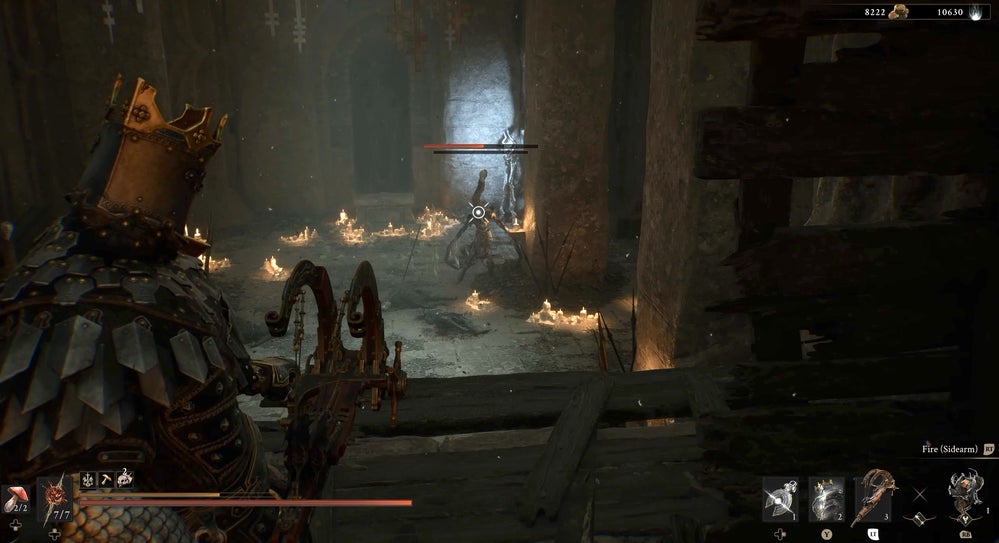
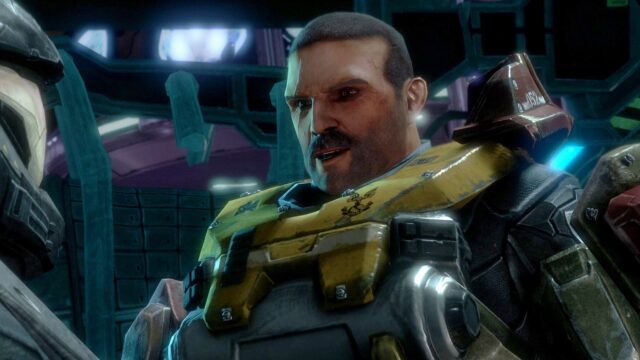
The festival culminates as expected, with your character having a moment with Mether before grabbing an oval-shaped egg and departing. This is when Harros, a returning Shell from the first game, is reintroduced. After embodying him, you’ve been set on your way into an open section, where Mortal Shell 2 brilliantly demonstrates its greatest strengths: grounded, brutal combat; the absence of a stamina bar; your Shell ability; forgiving parry timing; the Resolve mechanic; and new sidearms. It’s a brilliant teaser, by the end of which I had fought countless enemies, defeated multiple bosses, and felt the weight of combat as everything clicked into place. It also demonstrates a level of confidence that was evident throughout the rest of the game, and nowhere is this clearer than in the prologue’s ending, where Mortal Shell 2 emphatically breaks ties with the original.
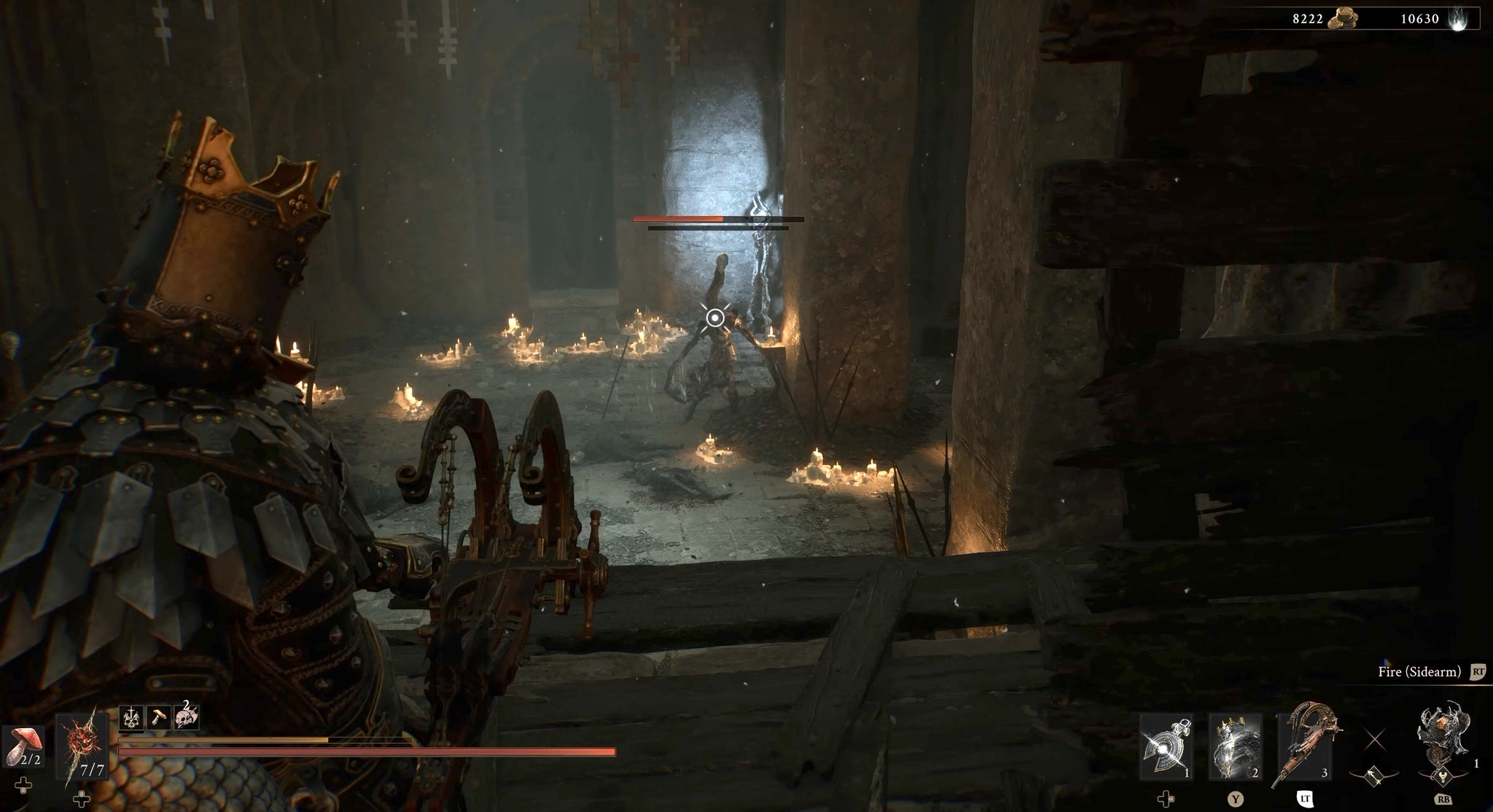
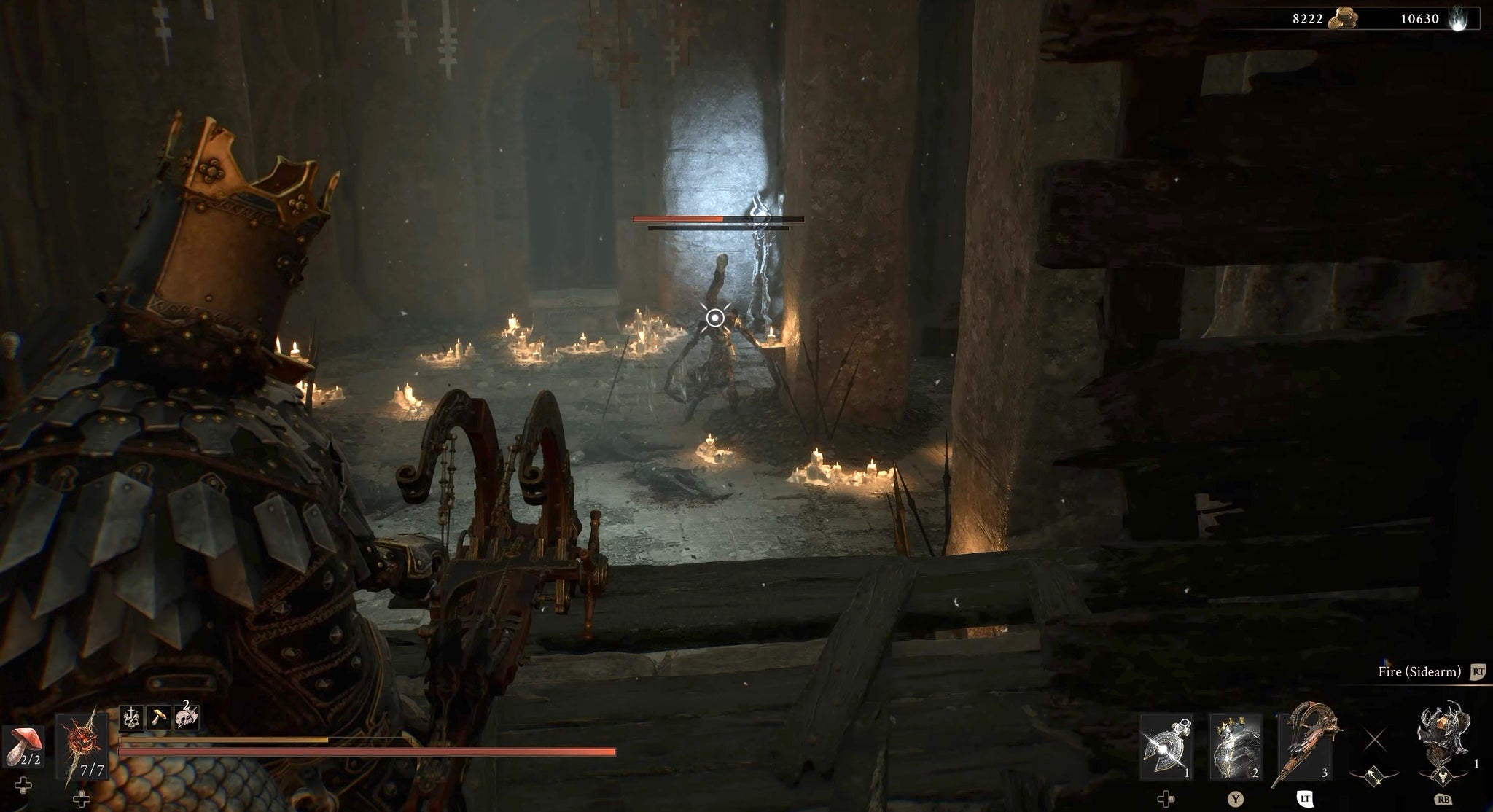
The original game felt like an indie take on Dark Souls 1, focusing on pacing, but lacking RPG mechanics. Combat relied on stamina-bound rhythm typical of FromSoftware games, yet introduced its own ideas, almost as if auditioning for a seat at the Soulslike table. Much was a clear first attempt, but it came with demonstrable passion. The headline addition was the Hardening mechanic, allowing you to turn into stone instead of blocking. If not attacking or managing stamina, you waited for the right moment to Harden.
However, there were drawbacks. Only four Shells existed, each mapped to an RPG archetype, feeling like a compromise from an inexperienced indie team. There wasn’t much depth, and the game seemed to run out of steam in its final third, with vastly underpopulated areas and a sudden difficulty spike. Despite this, I couldn’t help but love it for earnestly attempting to advance the genre, even if technical shortcomings and lack of polish were present.
Mortal Shell 2 is a highly accomplished sequel that could arguably earn a spot among the great Soulslikes. Everything has been overhauled, with aspects either replaced or refined to fit within the sequel’s updated design. This explains why it’s positioned as a standalone sequel, taking place in the same world and bringing back some original Shells, but focusing on new experiences.
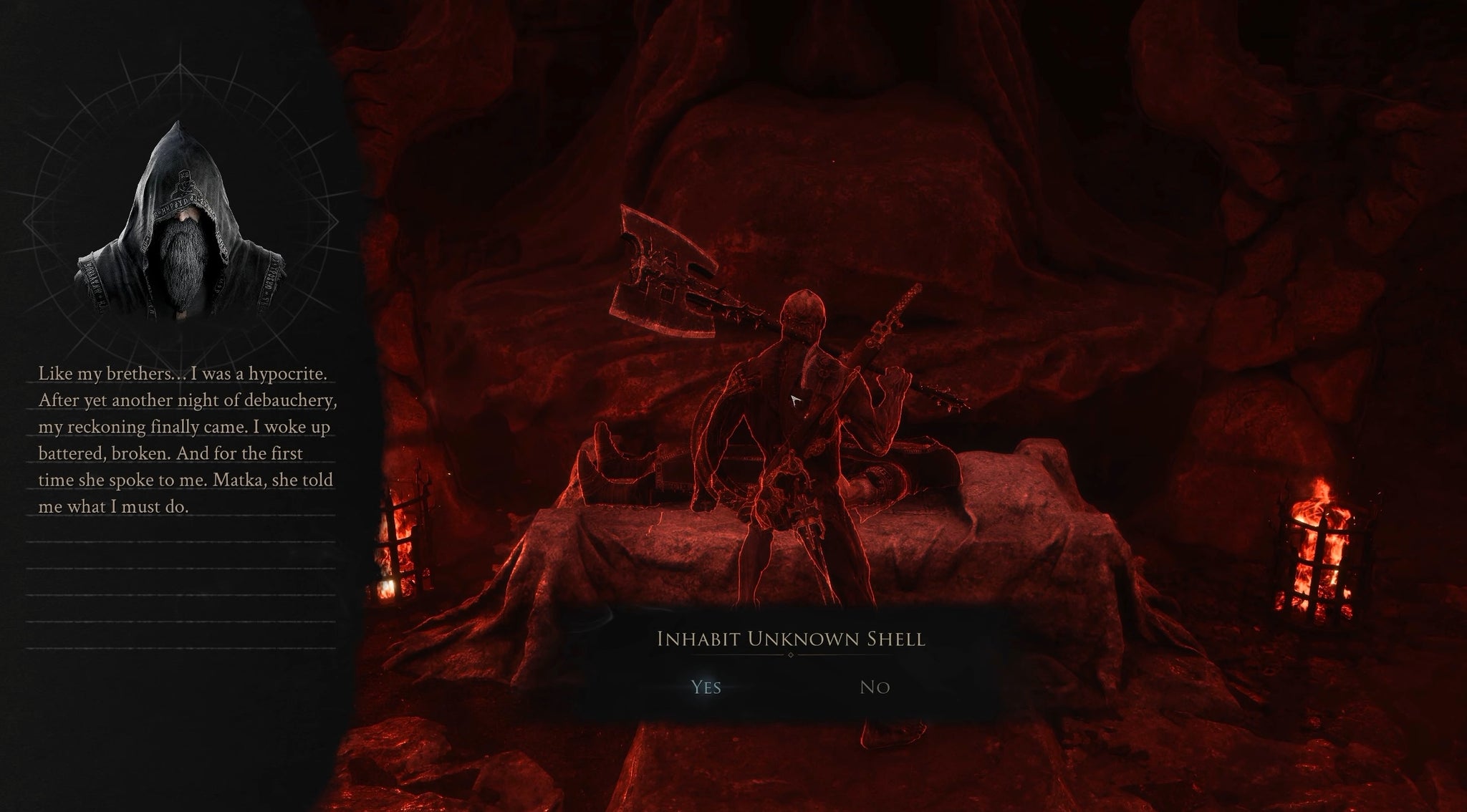
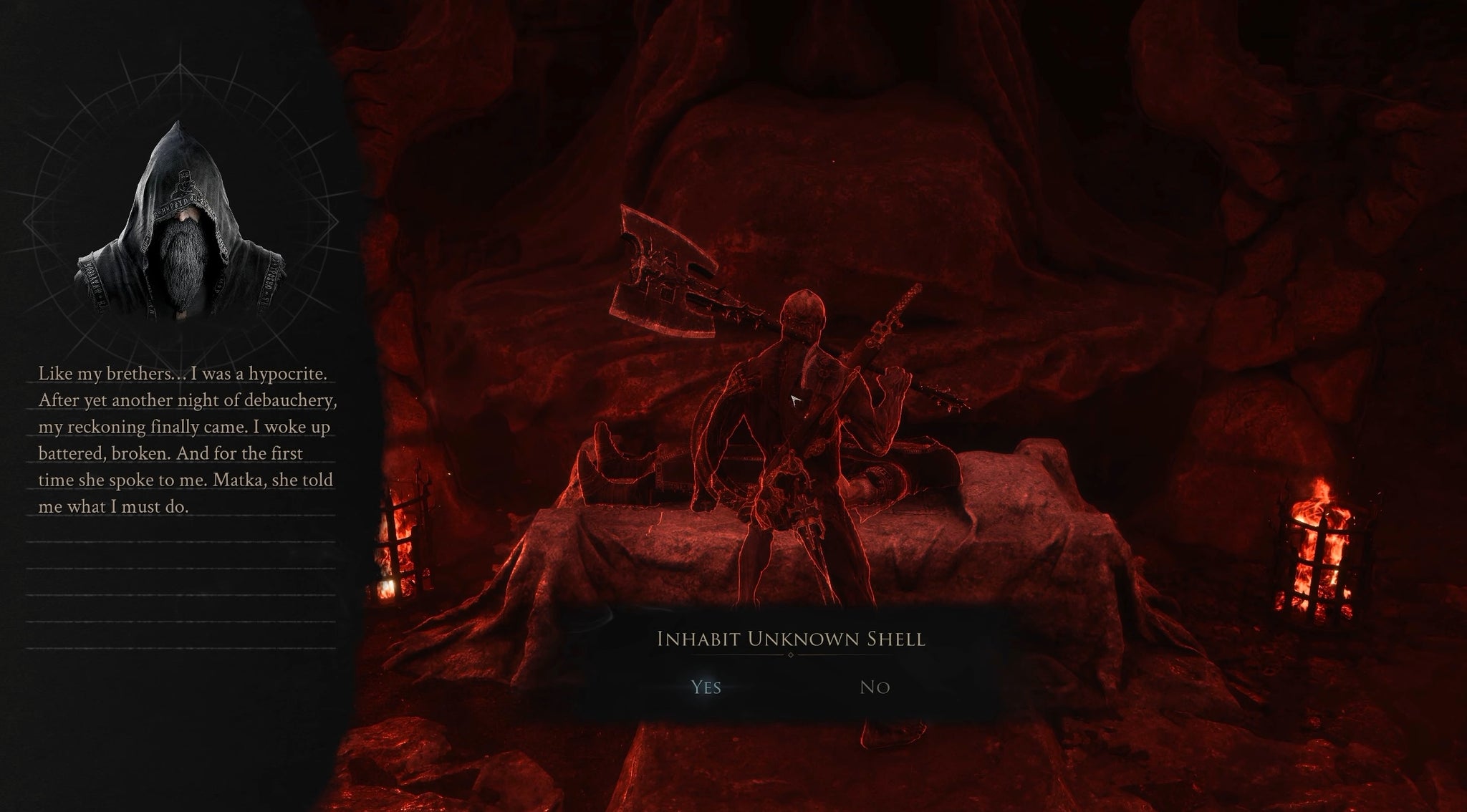
The setup is entirely separate and easy to follow. The Undermether, a god of unknown origin, crash-lands in the realm after a foul creature latches onto her. She was carrying many eggs (Ova), and seeking shelter among humanity, they have been stolen. Many have been corrupted, but a few unspoiled Ova remain. You are her child, a Harbinger, hatched from one of the untainted eggs, bearing immense power. Your goal is to bring back your stolen kin. Though you can hold your own in that skeletal form, you’re driven to find a Shell to embody.
The narrative unfolds through interactions with different factions and her devoted servants who take shelter in a keep carved from her bones, which also acts as your hub area. The personal stories of the Shells are another part of the narrative.
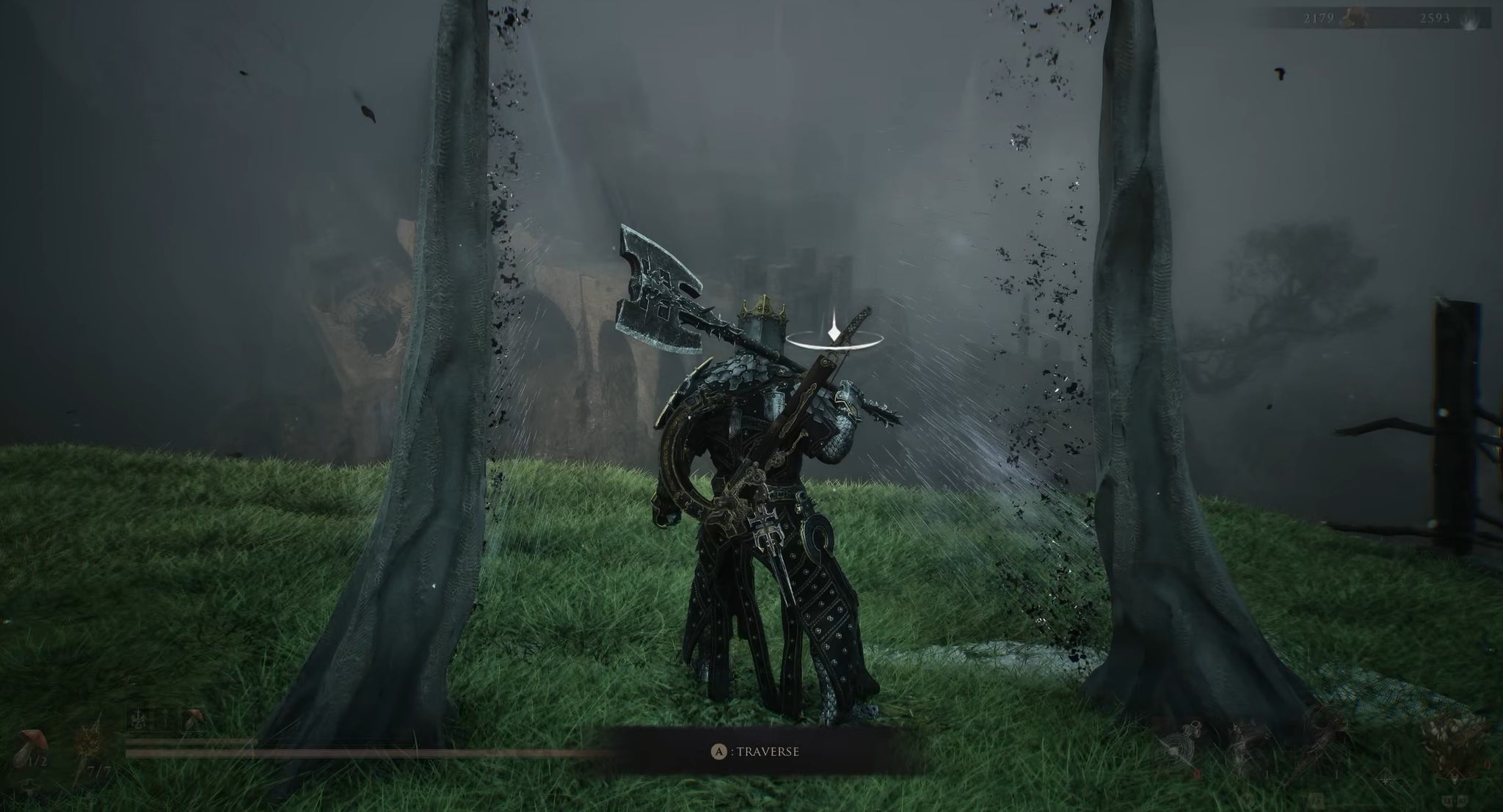
Like the original, Shells are what you’re going to embody for the entirety of the game. You can switch between them, but I stuck with one for most of my time. Shells don’t offer perspective, but they all have stories and sometimes intersect with the main plot, though not enough to add depth. Every Shell is based on someone who lived somewhere in the world at some point. By increasing your bond with them, you uncover more of their past and unlock more of their abilities.
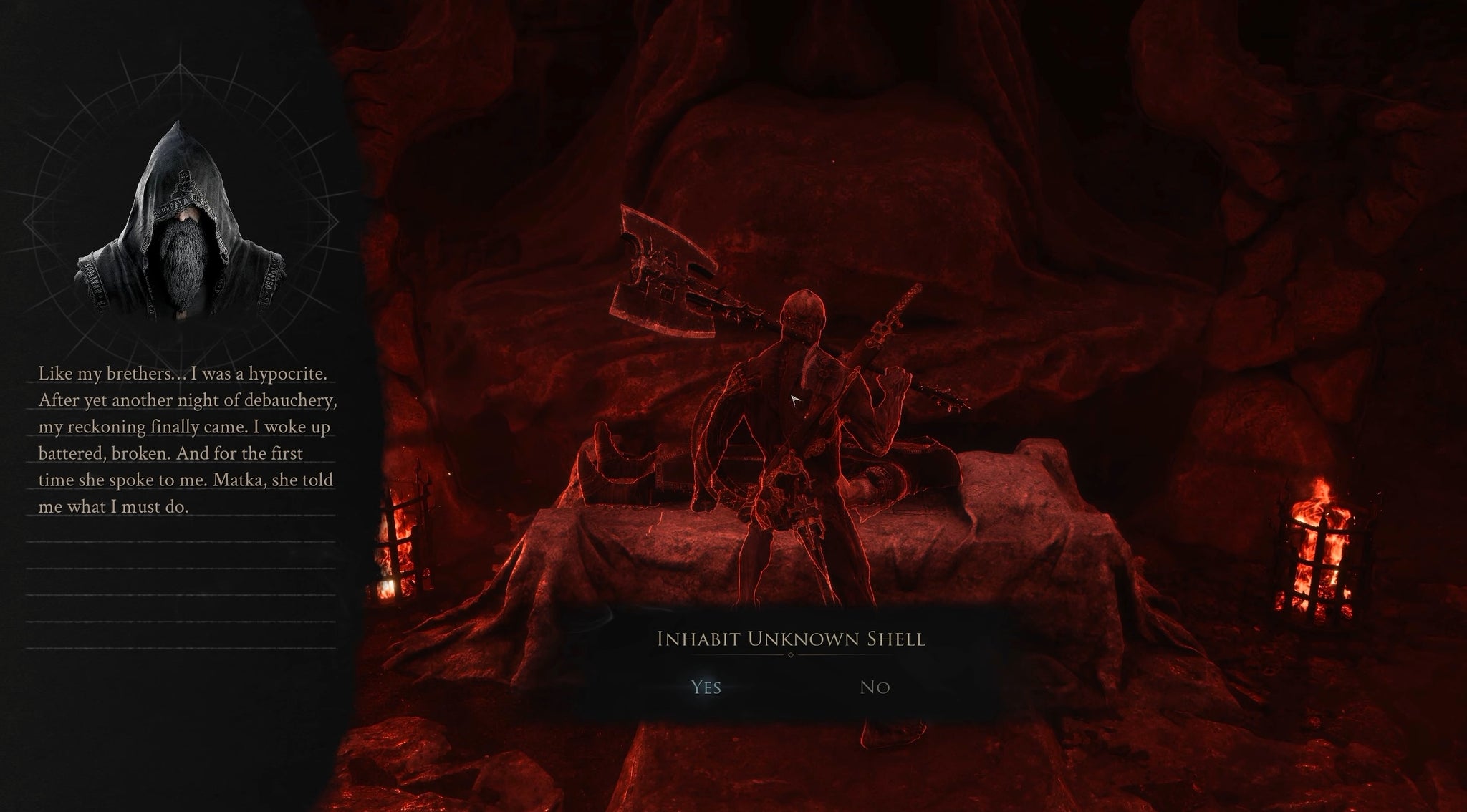
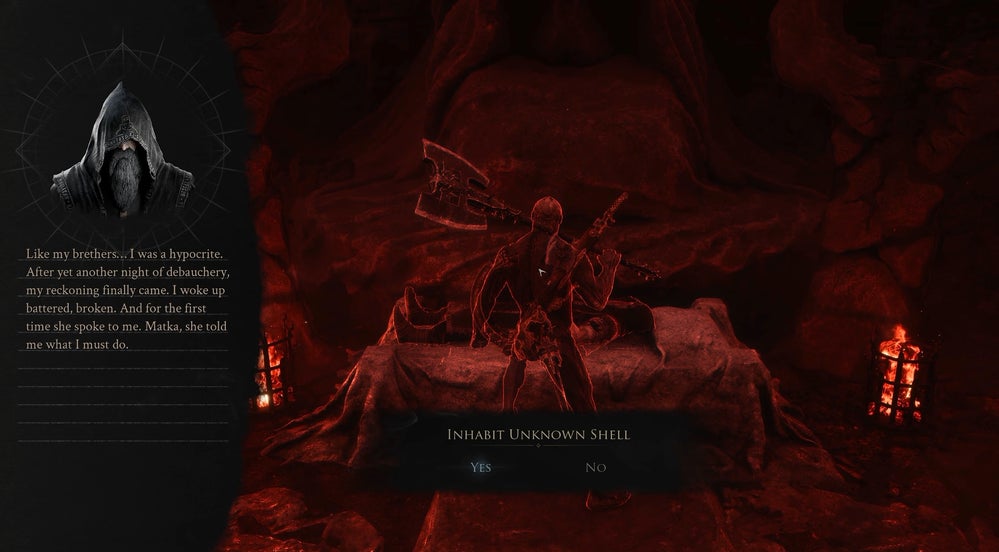
This is an area where presentation has drastically improved over the original, with playable vignettes instead of simple memoirs. You may end up seeing only a few, however, as the resource associated with bonding is rare. Over my playthrough, I unlocked one or two memories for most Shells while fully bonding with only one.
Combat in Mortal Shell 2 flows faster than many of its genre contemporaries, partly because there’s no stamina bar. This encourages aggression, and the game uses it to fuel its Resolve mechanic – a resource spent on powerful character abilities and as ammo for ranged sidearms. The more melee attacks land, the more Resolve is generated.
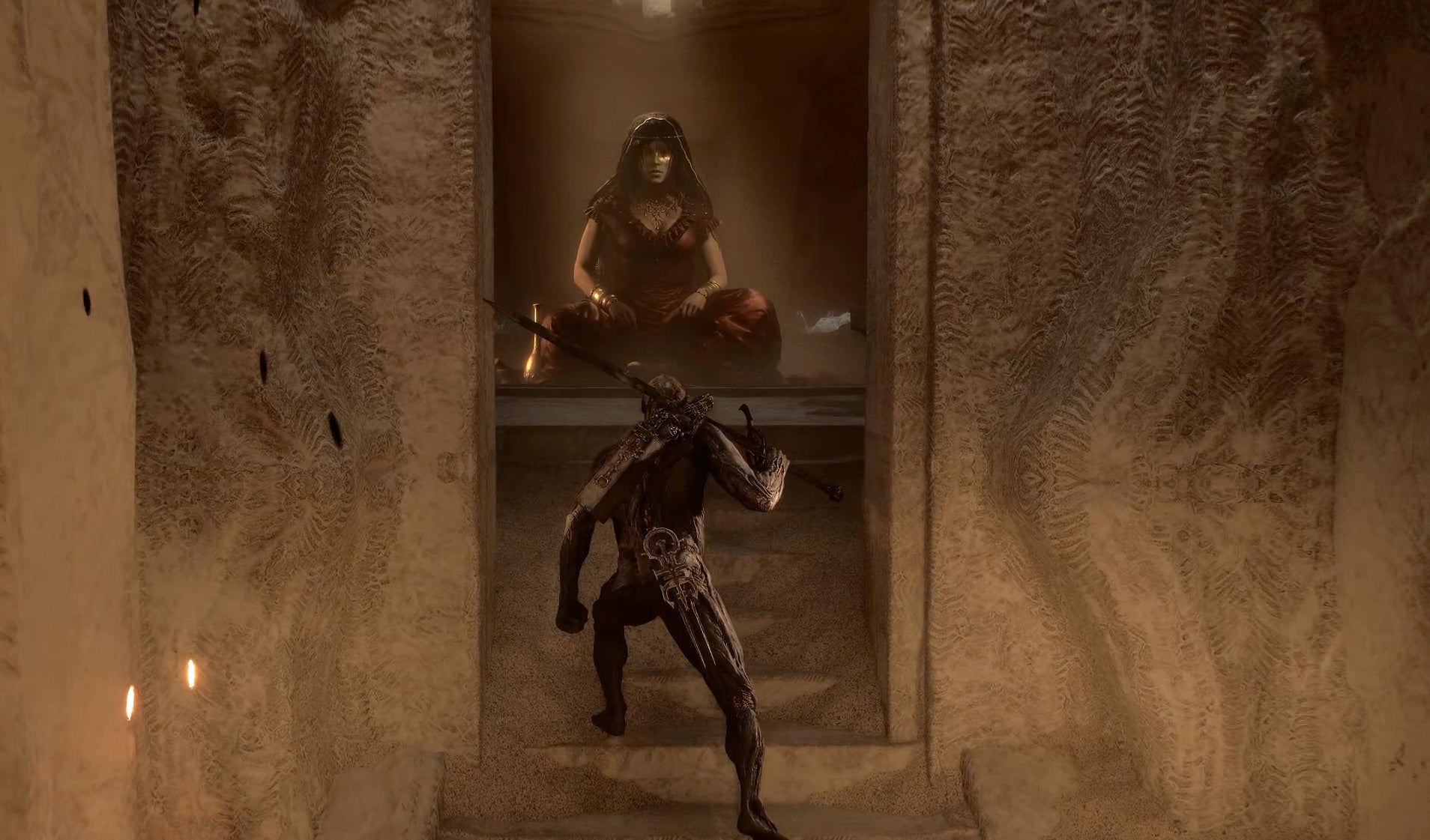
This is the most impactful change from the first game, but I was initially worried it would turn combat into an attack spam, taking away the considered approach the original handled so well. You can technically never stop attacking, but enemies are designed to work around that and force you into a rhythm. They’re more resilient, don’t stagger easily, and often come at you in groups. The rhythm is then a flow of prioritizing threats, managing crowds, and finding the right window to unleash your Shell abilities.
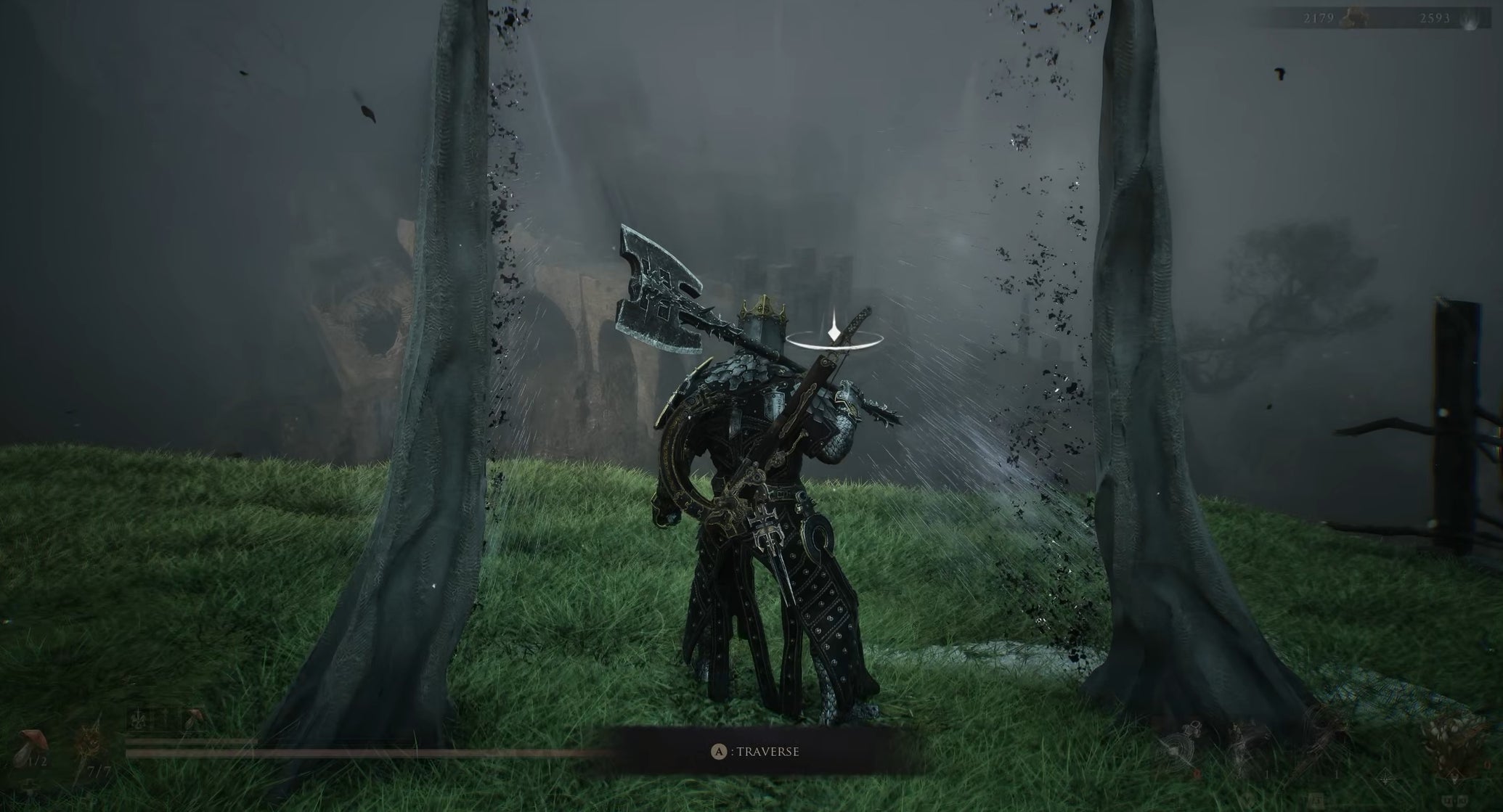
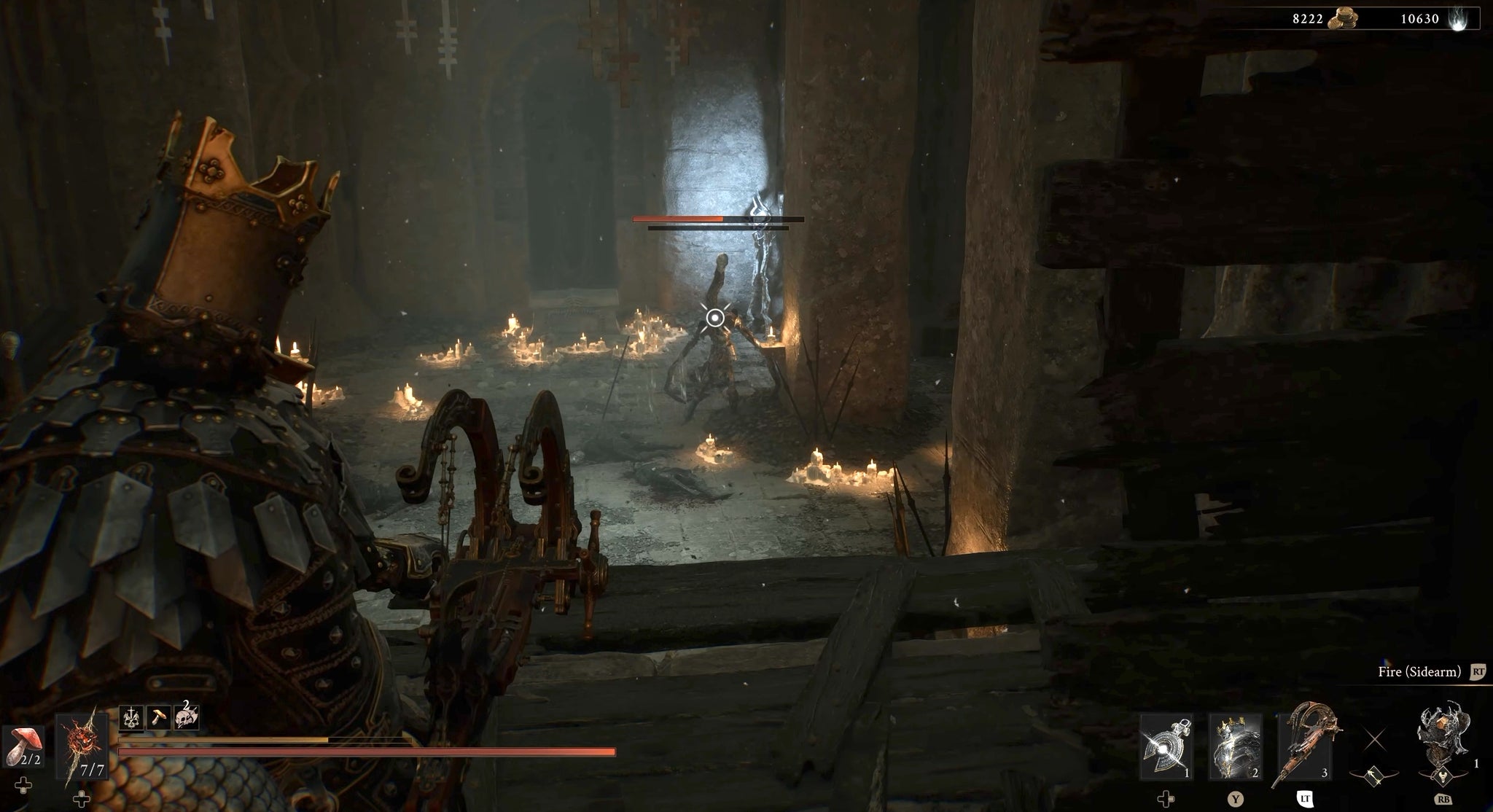
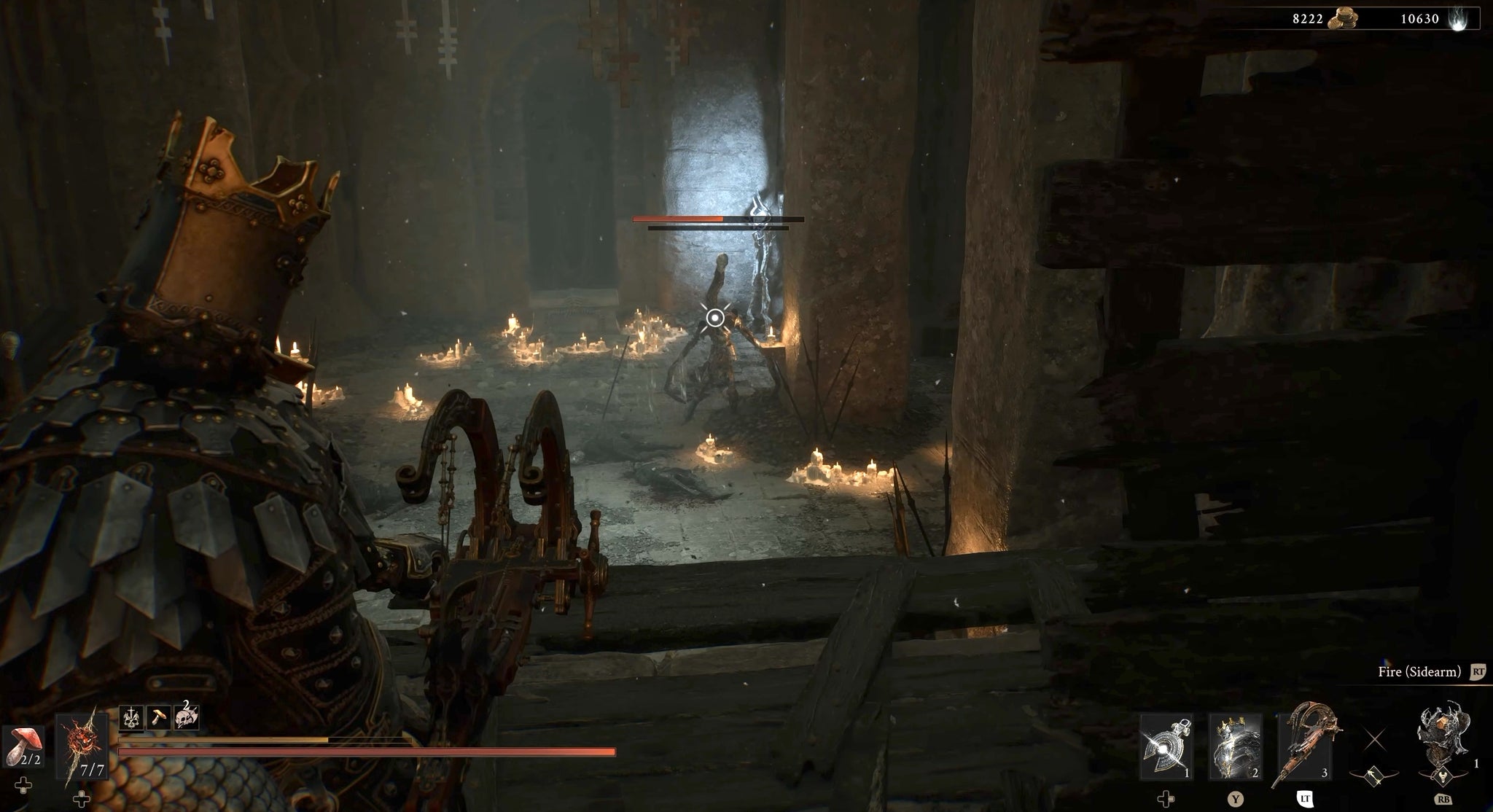
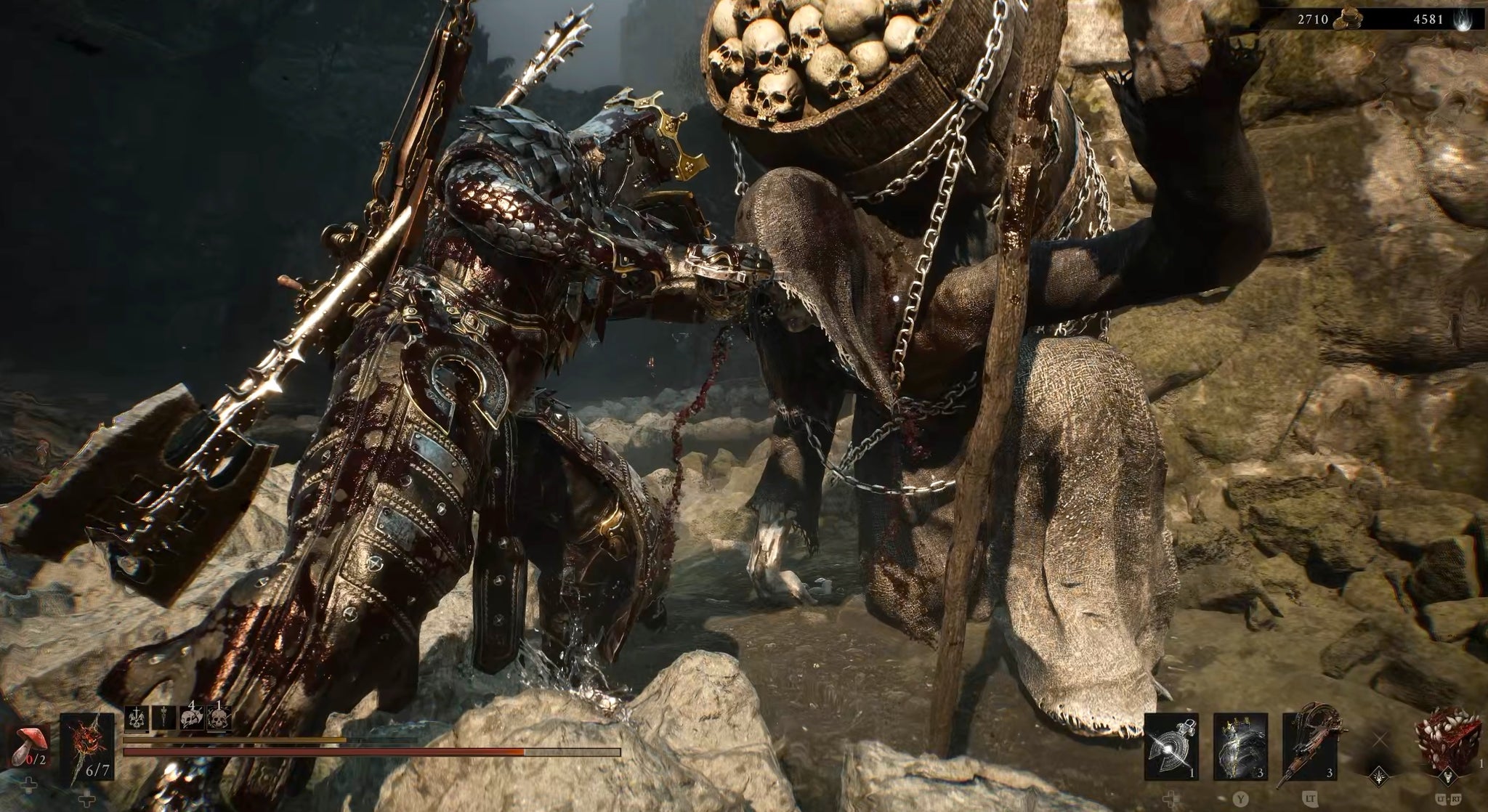
Though the sequel’s pace may not be as deliberate, attack animations deliver the same tactile heft the original was known for. Hits stagger enemies and visibly scar their bodies. I used the Veteran’s Battle Axe for most of my playthrough, notable because I rarely pick heavy weapons in those games. Perhaps I simply couldn’t get over how a horizontal swing at an enemy with low enough health can chop their head clean off.
Mortal Shell 2 has plenty of Soulslike elements, but it’s an action game first, committing to that track far more than the original’s somewhat wishy-washy design. This isn’t a game where you’re going to study a character sheet or hoard an arsenal of weapons, most of which never get used. There’s only a handful of weapons and authored character classes, each specifically tailored for a certain style. It’s a tight focus that gives them all a character, with bespoke animations and unique moves.
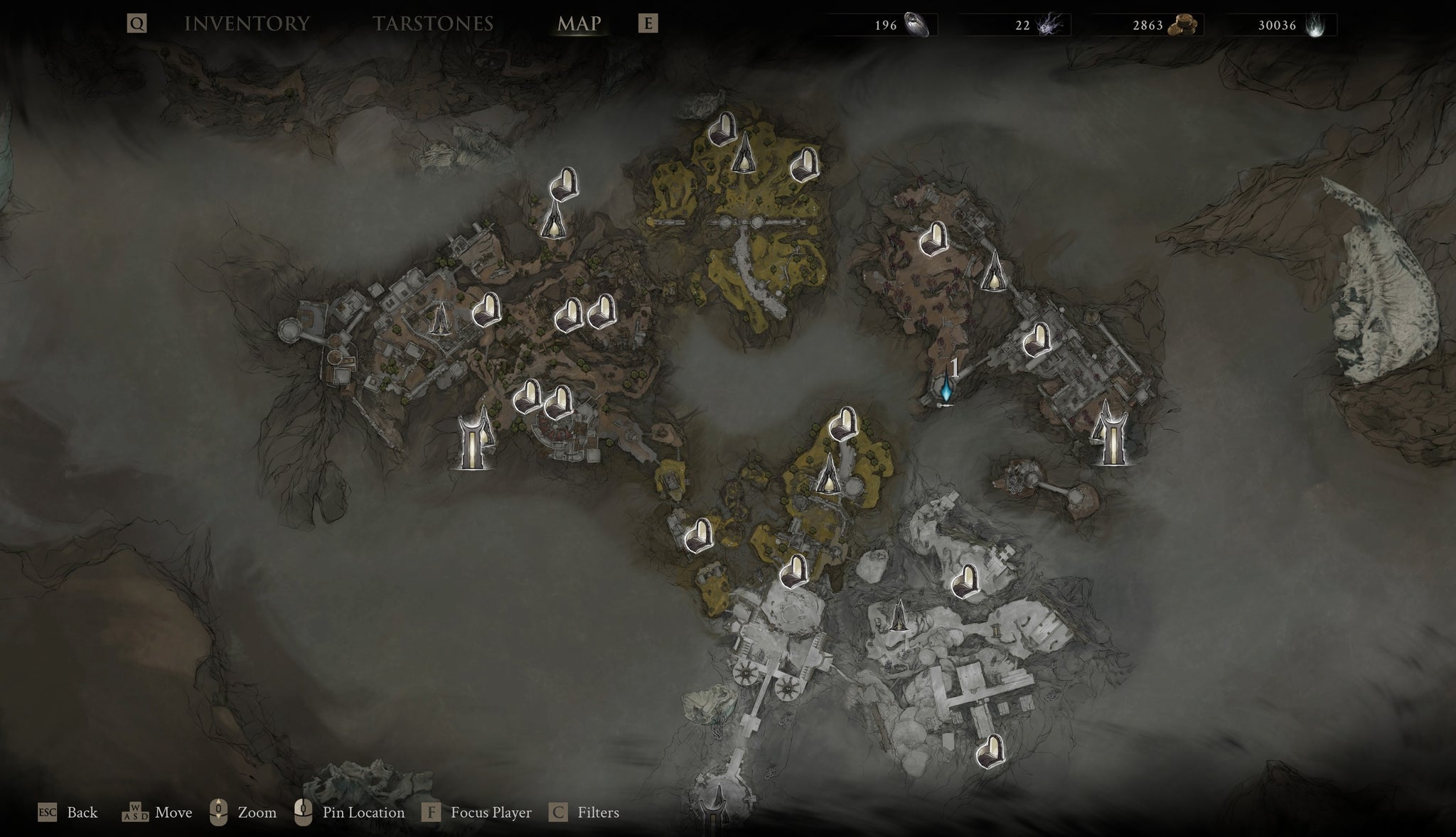
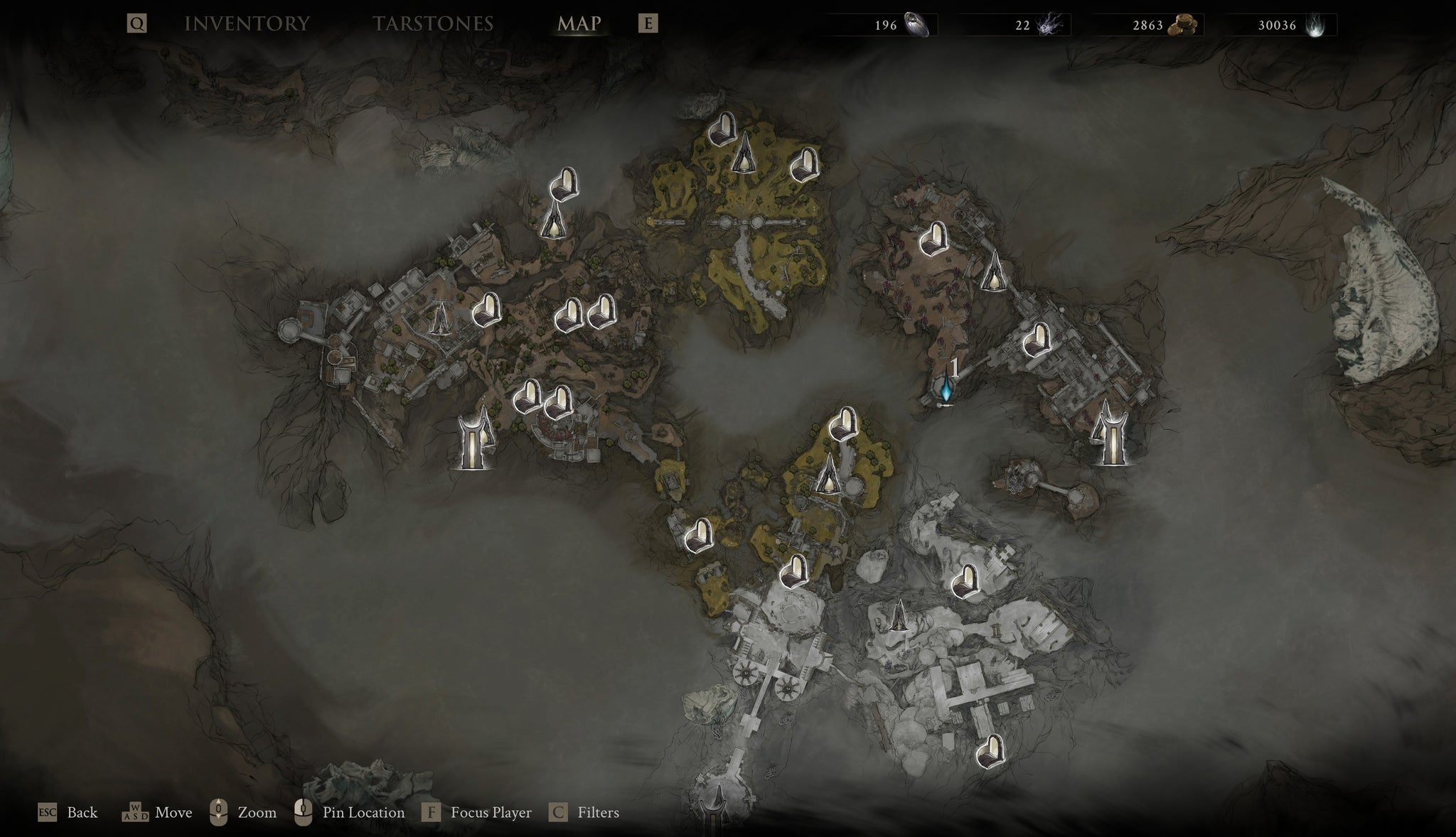
The eponymous Shells are far more important to gameplay than narrative. Think of them as pre-made classes from the start of a FromSoft game, except each has a unique ability and underlying stats. Some are clearly better at resisting certain ailments, or have bigger health bars, while another’s lighter frame is designed for players who like dodging.
Most of my time was spent with Eredrim, an absolute unit of a man whose main ability is to shoulder charge enemies to stun them, opening them up for a follow-up attack. He’s the ‘easy mode’ Shell, in part because his supporting ability also interrupts enemies who get close enough to surround him. He also has a vast health bar that fits well with that headbutt-first approach, and the attire to match: chainmail covered in metal scales, an angular helmet shaped like a fortress, and large pauldrons.
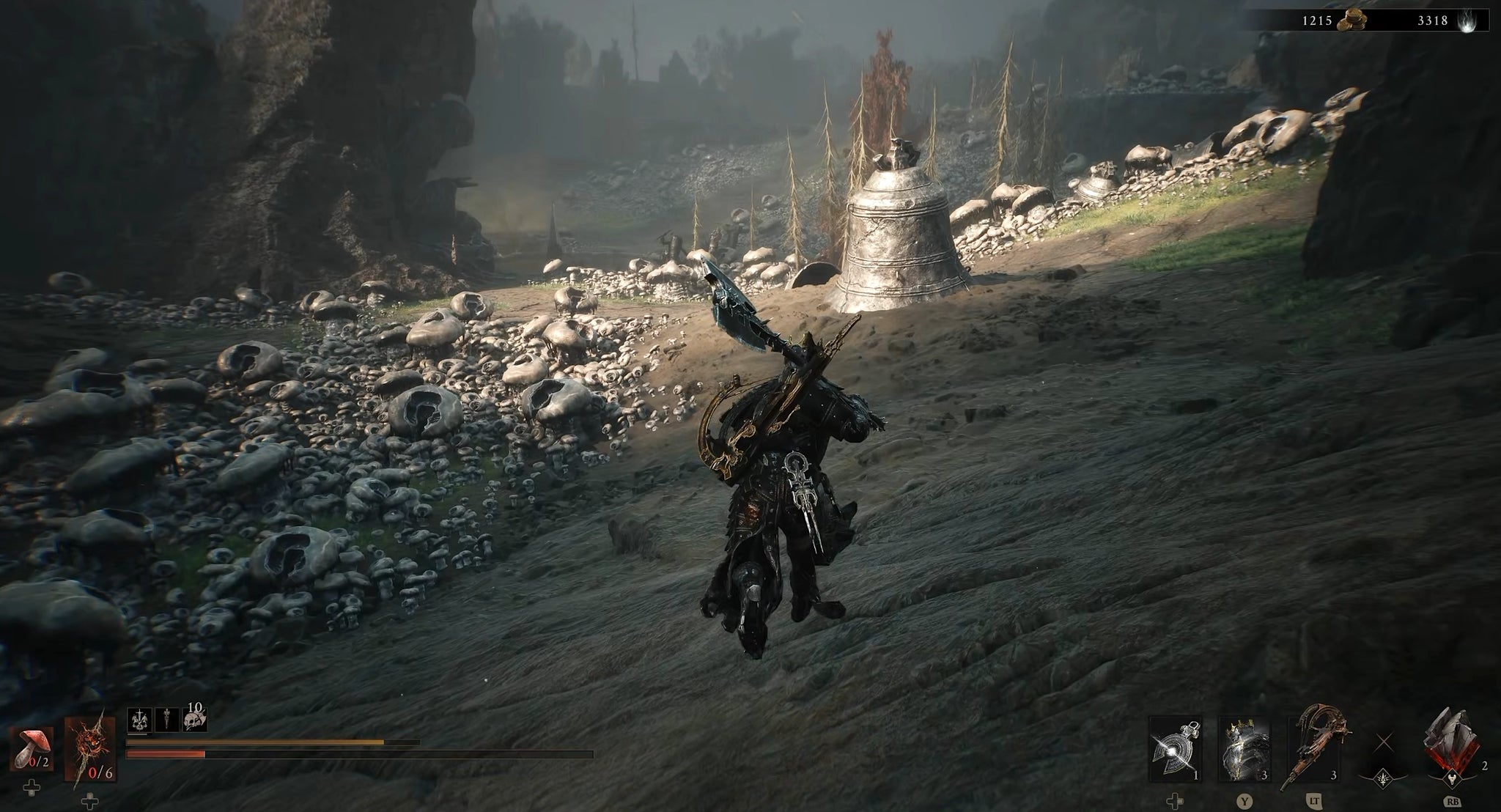
If you take enough damage and your Shell’s health reaches zero, you simply get knocked out, giving you a second chance. You can return to your Shell by landing melee hits on enemies, but crucially not ranged attacks. There’s no limit on how many times this can happen, except it takes longer each time.
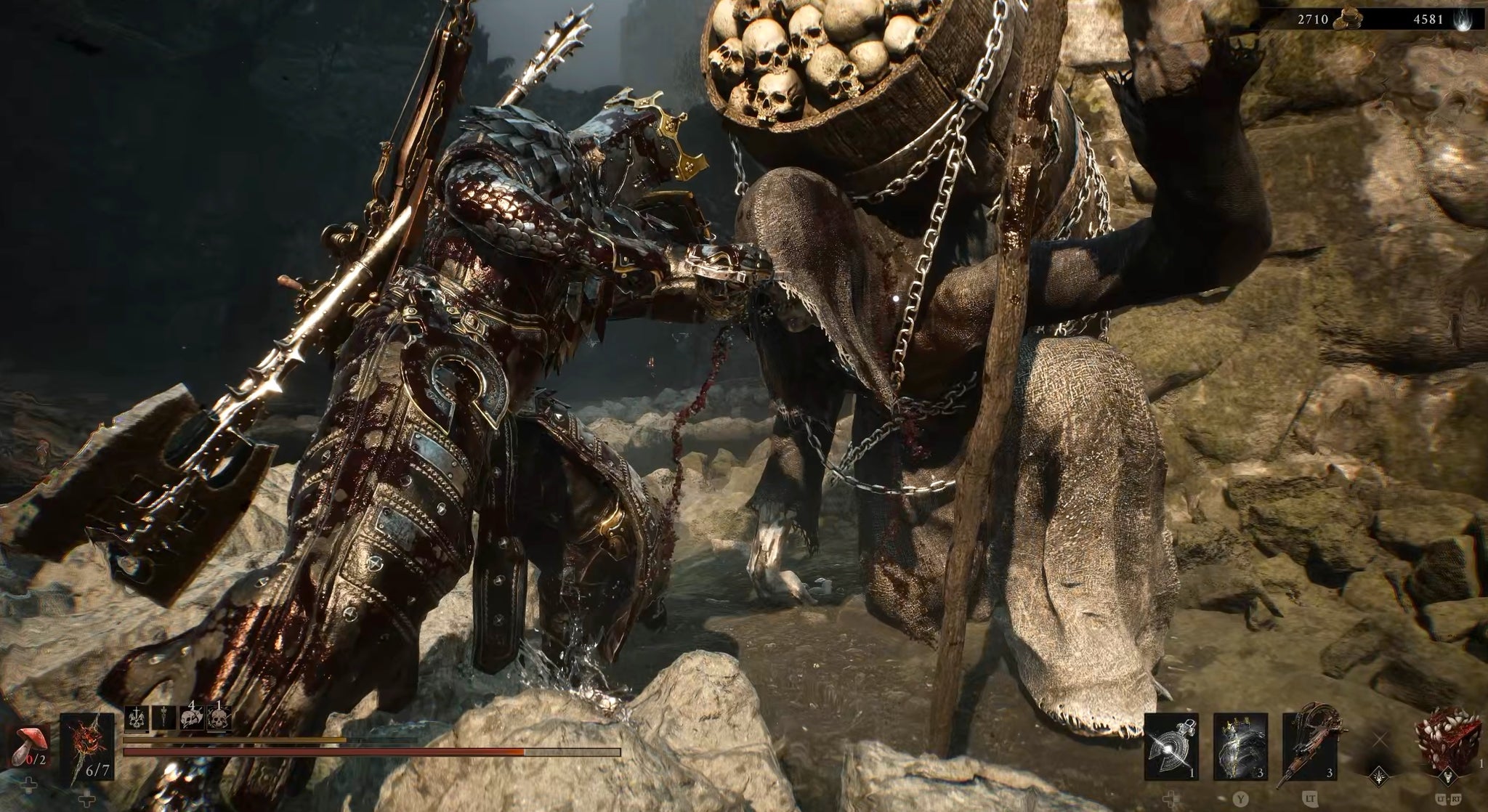
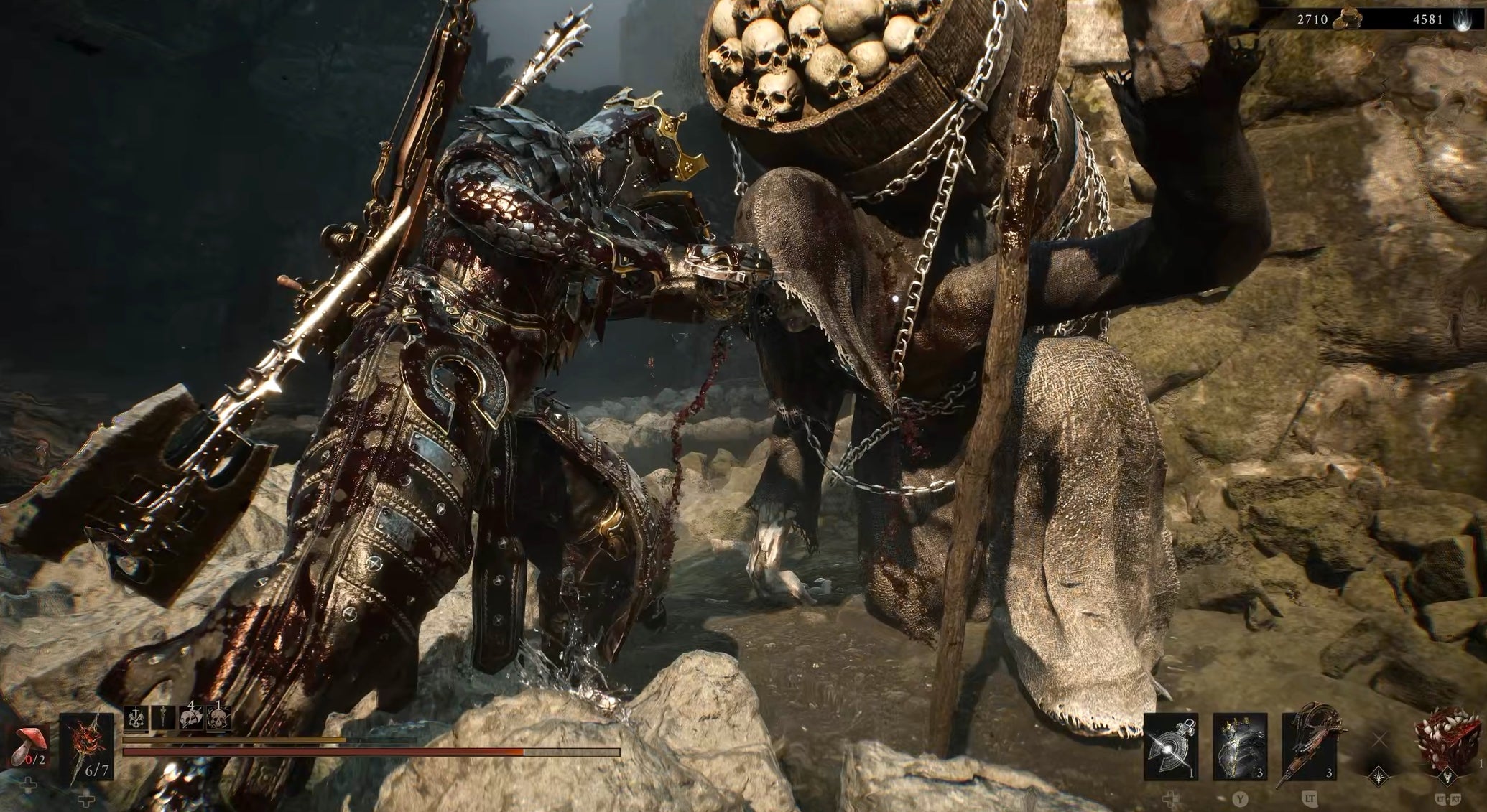
Your Harbinger can be leveled up, and each level comes with boosts. Your late-game Shell build will differ greatly from mine. And notably, build variety is what perhaps received the biggest upgrade in this sequel. There are more options (eight compared to four), and deeper skill trees for each Shell, offering meaningful bonuses and enough varied options for those who want a more generalized build.
Shell skill trees can be altered at any Beacon (bonfire) to fit the situation. For instance, you can allocate points in fire resistance before fighting a boss that sets everything on fire. After the fight, you can refund those points and use them elsewhere. Your choice of Shell dictates how you’re going to play, as you can’t change their stats or abilities, even if you can take different paths.
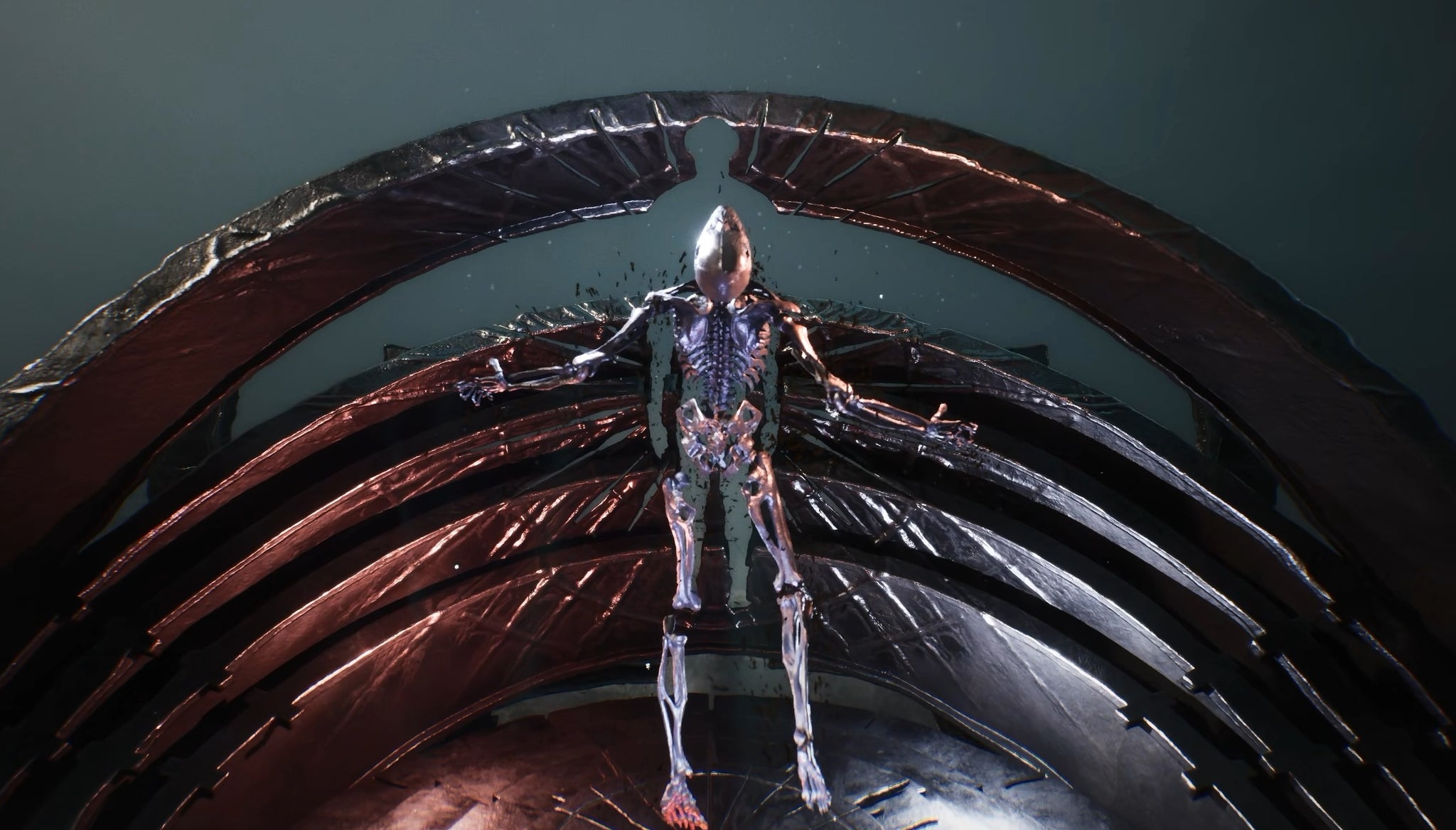
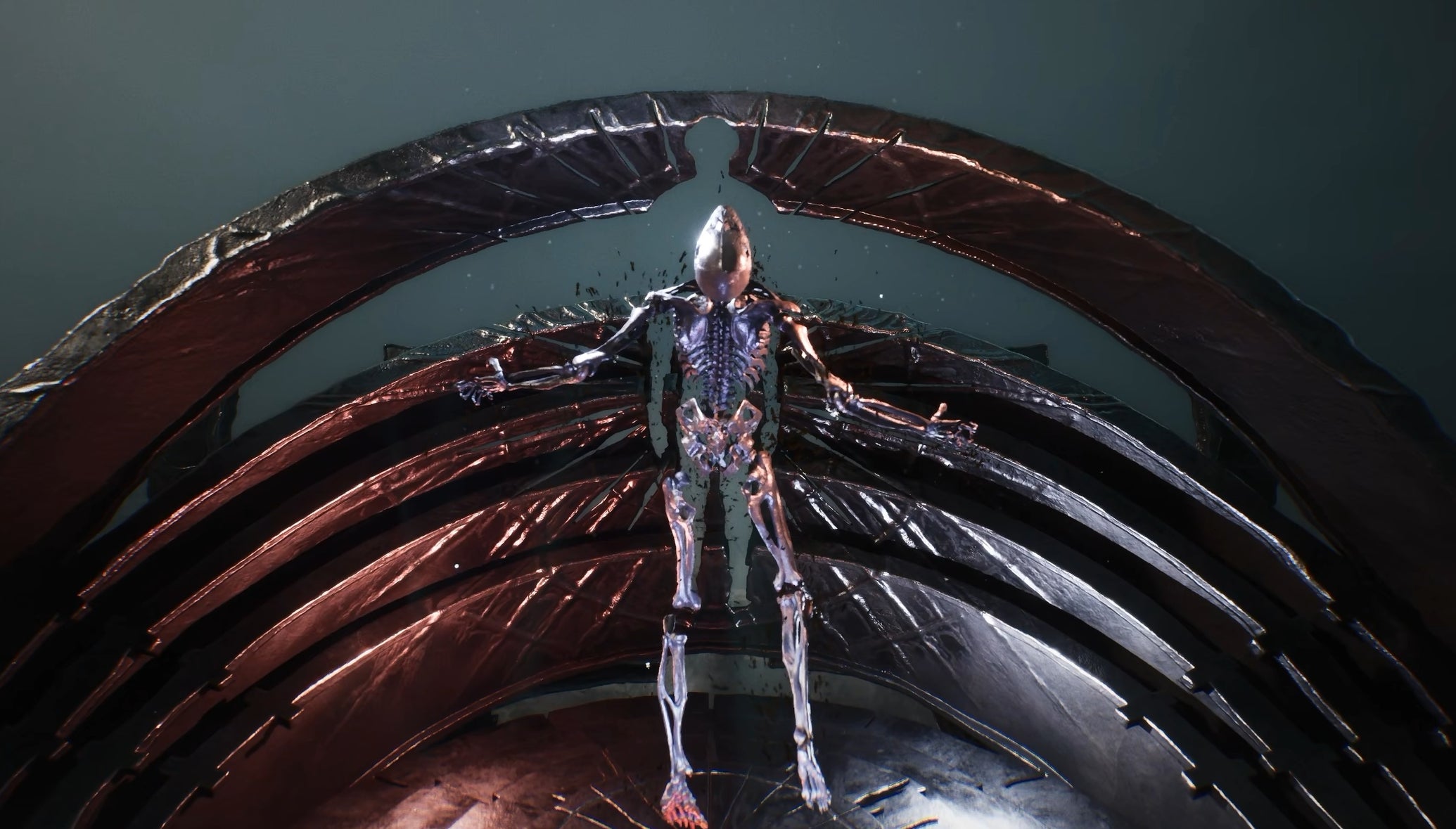
Shells are important to gameplay. Their abilities change gameplay in ways that were a joy to witness. The most interesting is Smert, who stops time and bare-handidly attacks enemies to apply stacks of random afflictions that detonate when time resumes. I couldn’
Source: Eurogamer

Comments
Be the first to comment.