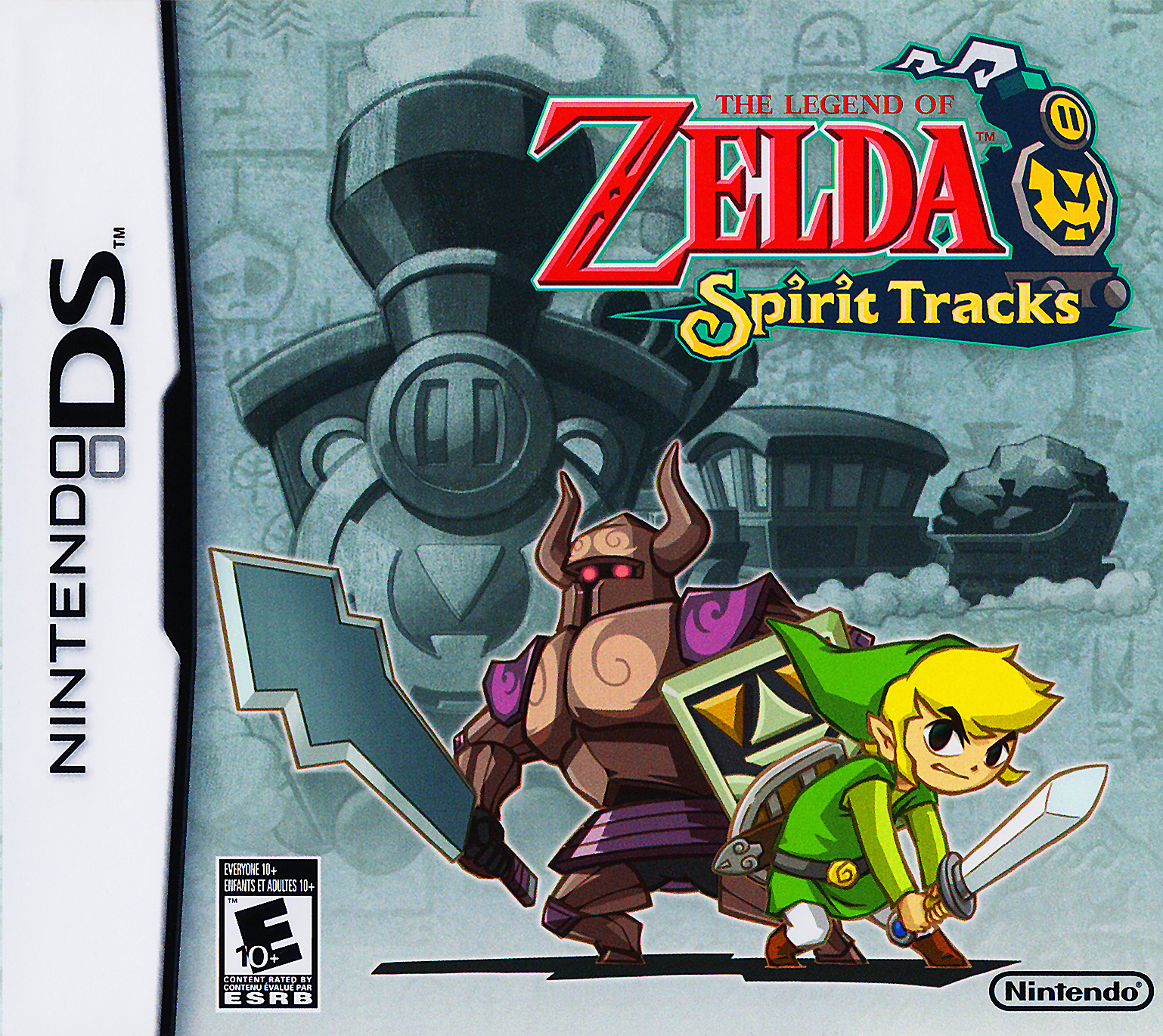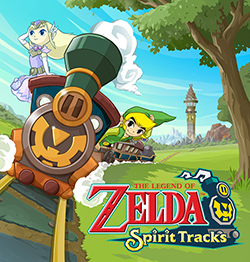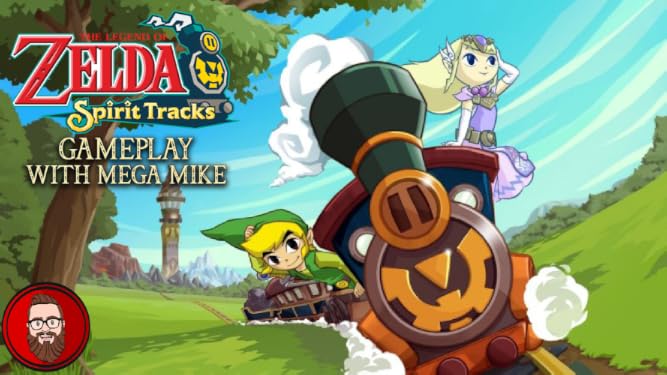
The Legend of Zelda: Spirit Tracks Official Cover

The Legend of Zelda: Spirit Tracks

🏢 Nintendo EAD 📅 07 Dec 2009 🎮 The Legend of Zelda
Eiji Aonuma, Daiki Iwamoto, and Nintendo EAD's charming, brilliantly designed touch-controlled action-adventure and puzzle dungeon masterpiece on the Nintendo DS, released in December 2009 by Nintendo, winning Best DS Game from IGN and holding an 87% GameRankings and 87/100 on Metacritic and selling over 3 million copies, serving as the direct sequel to Phantom Hourglass, set 100 years later in the industrializing realm of New Hyrule, following apprentice train engineer Link and the disembodied spirit of Princess Zelda traveling aboard the Spirit Train to restore the divine railroad tracks and prevent the resurrection of the Demon King Malladus by Chancellor Cole, single-handedly pioneering the revolutionary dual-character cooperative puzzle gameplay with Phantom Zelda (controlling an armored, sword-wielding Phantom knight by drawing touch stylus paths), the customizable steam-powered Spirit Train cannon traversal, the physical Spirit Pipes pan flute microphone mechanic, and Toru Minegishi and Manaka Kataoka's magnificent Celtic, pan-flute, and locomotive orchestral soundtrack featuring the immortal "Realm Overworld" train theme.

The Genre Genesis: From Modern Titans to 2009 Pioneers

The Legend of Zelda: Spirit Tracks - The Genre Genesis: From Modern Titans to 2009 PioneersGAMER24H.COM
📸 Official HD Capture: The Legend of Zelda: Spirit Tracks - The Genre Genesis: From Modern Titans to 2009 Pioneers

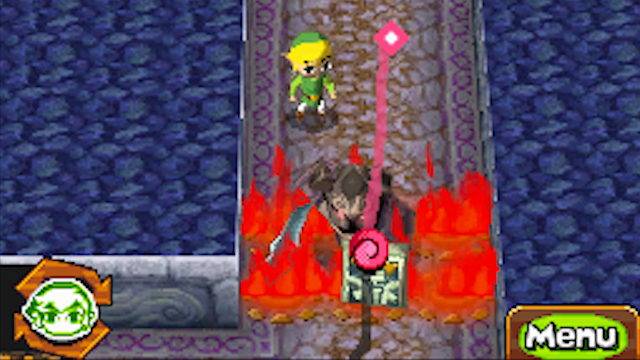
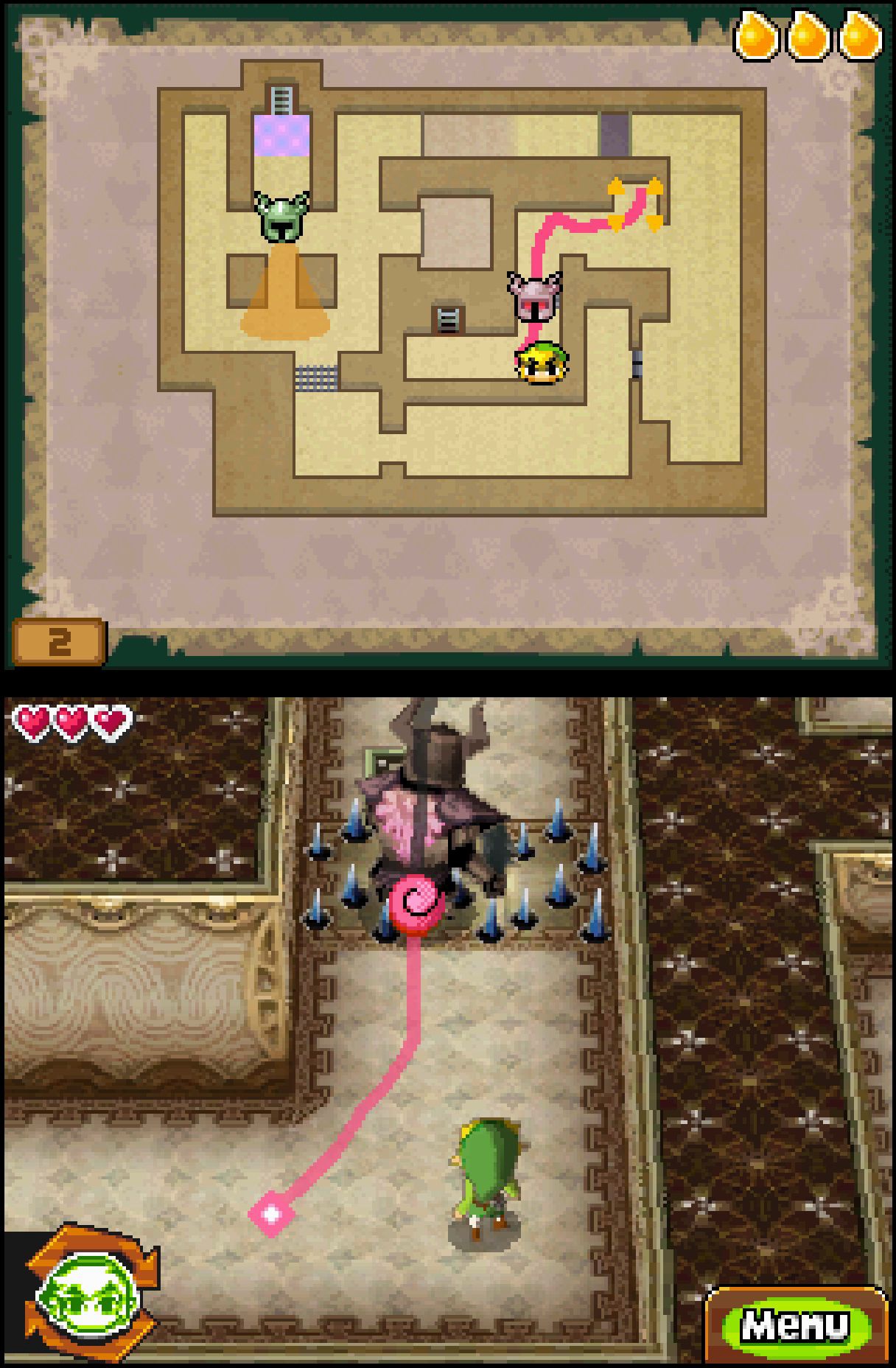
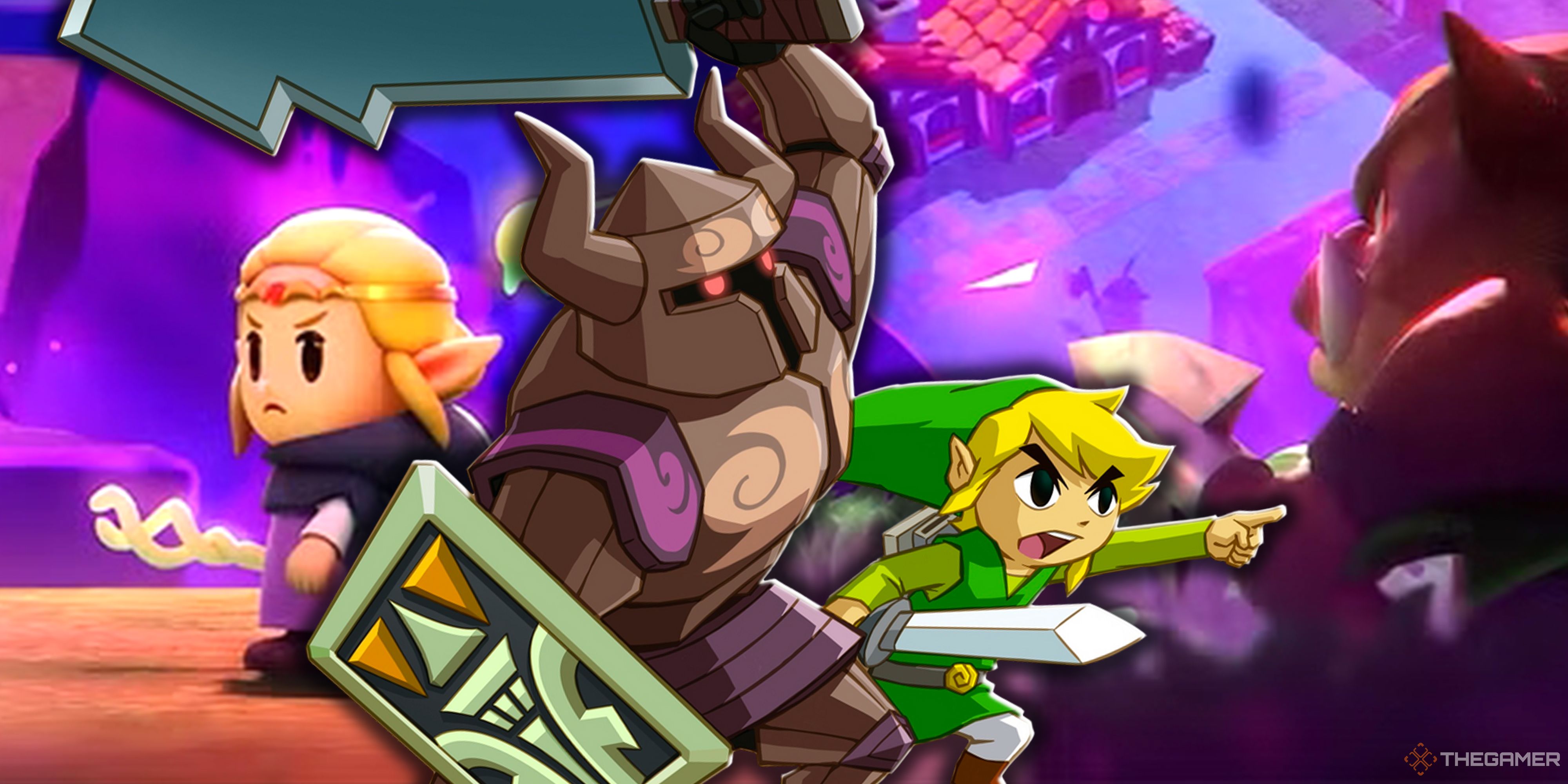
Dual-character cooperative touch-screen puzzle-dungeon action-adventure architecture (controlling the heroic swordsman Link with precision stylus slashes and rolls while simultaneously drawing real-time tactical path lines on the touch screen to command the disembodied, armored spirit of Princess Zelda inhabiting a towering, iron Phantom knight to walk across boiling lava, carry Link on a shield, and battle dark phantoms), paired with locomotive rail network traversal and acoustic folk music—from The Legend of Zelda: Echoes of Wisdom (2024), Phantom Hourglass, Brothers: A Tale of Two Sons, Tunic, and modern dual-character puzzle adventures—trace their undisputed, most charming handheld summit to December 7, 2009 with Nintendo EAD's crowning DS masterpiece, The Legend of Zelda: Spirit Tracks.

Produced by series producer Eiji Aonuma and directed by Daiki Iwamoto at Nintendo EAD in Kyoto with an enchanting, world-music, Celtic pan-flute, and locomotive train whistle score composed by Toru Minegishi and Manaka Kataoka (*Breath of the Wild*), Spirit Tracks was universally praised as the most refined, puzzle-dense, and character-rich handheld Zelda game of the dual-screen generation.

Platform Context & Gaming Environment

A century after *The Wind Waker* and *Phantom Hourglass*, a new kingdom is founded: New Hyrule, linked together by sacred energy railroads known as the Spirit Tracks that act as chains binding the ancient Demon King Malladus beneath the Tower of Spirits. When the villainous Chancellor Cole kidnaps Princess Zelda and strips her spirit from her physical body to serve as a vessel for Malladus, the ethereal ghost of Zelda teams up with apprentice train engineer Link. Piloting the steam-powered Spirit Train across Four Expansive Realms:

  • Forest Realm: The Tower of Spirits and the sacred Forest Sanctuary of Anjean.
  • Snow Realm: Frozen tundra switchbacks, the Anouki Village, and Blizzard Temple.
  • Ocean Realm: Coastal bridges, island sea temples, and pirate train ambushes.
  • Fire & Sand Realms: Volcanic magma caverns, Goron Village, Sand Temple, and the Dark Realm train chase against the Demon Train.

Popularity & Cultural Standing: Niche vs. Blockbuster

The Legend of Zelda: Spirit Tracks was a massive critical triumph. The active role of Princess Zelda—not as a passive damsel in distress, but as Link's fully playable, sword-wielding, delightfully expressive companion throughout the entire adventure—stands as one of the finest companion portrayals in Nintendo history.

Gameplay Mechanics & Technical Innovations

Spirit Tracks established standard-setting touch action mechanics:

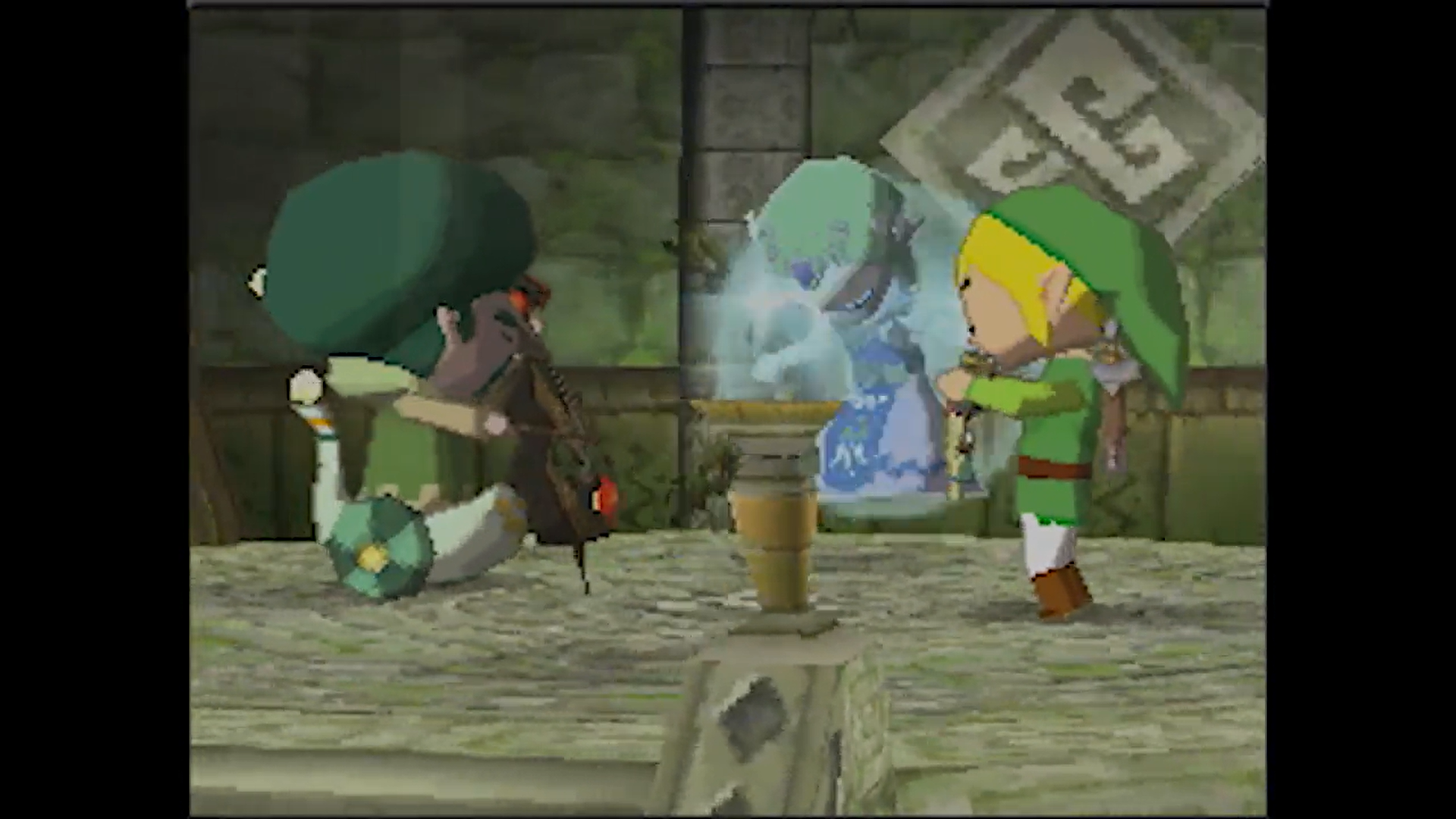
  • The Dual "Link & Phantom Zelda" Co-Op Engine: In the Tower of Spirits, Zelda's spirit possesses heavy iron Phantoms; drawing paths with the stylus to direct Phantom Zelda:
    • Iron Phantom: Acts as an invincible shield, blocks laser beams, and walks through fire.
    • Torch Phantom: Lights dark subterranean dungeons and melts ice walls.
    • Warp Phantom: Teleports across the map to ambush dark sentries.
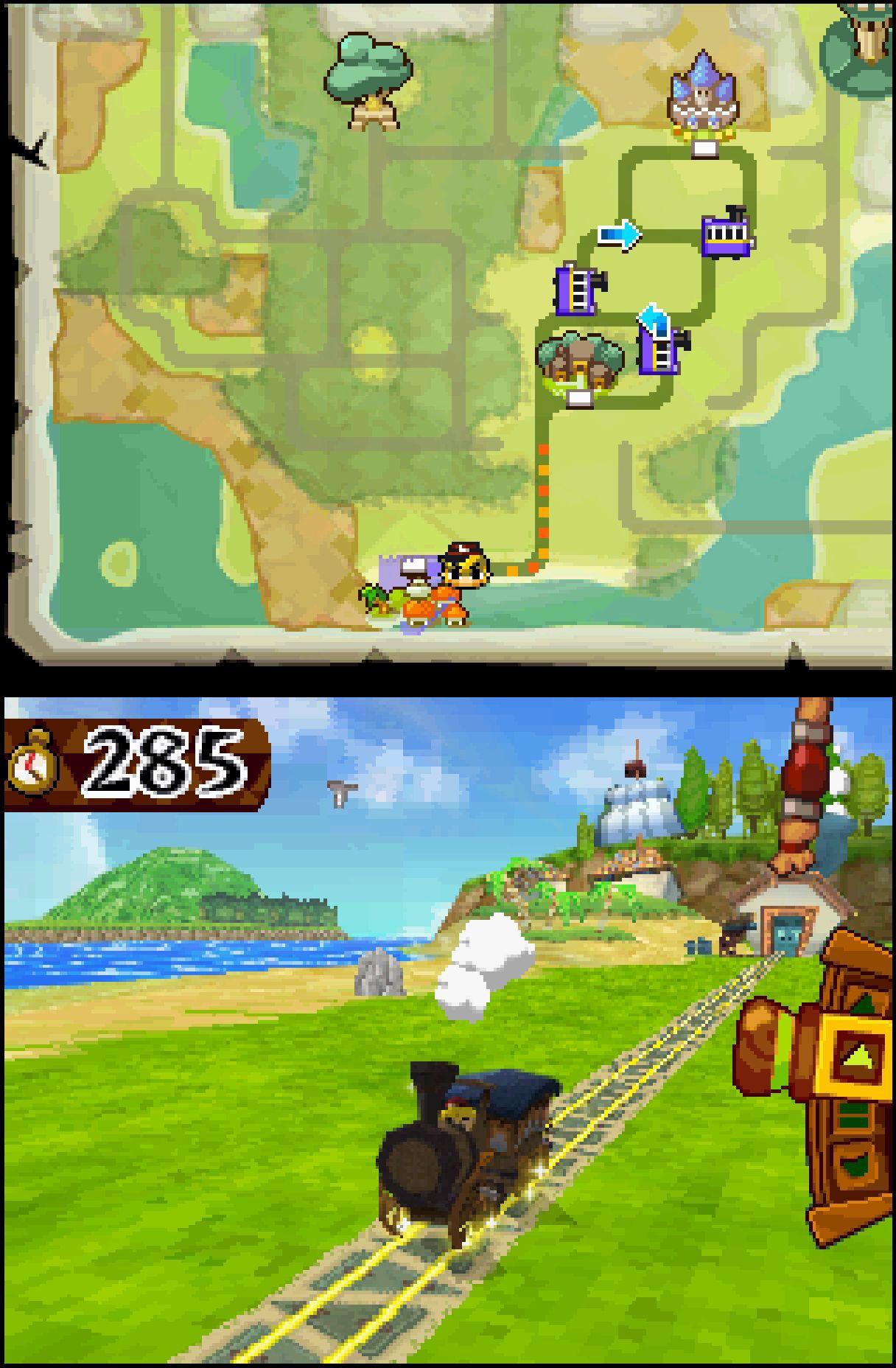
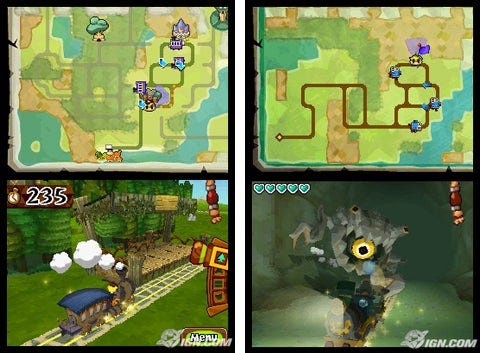
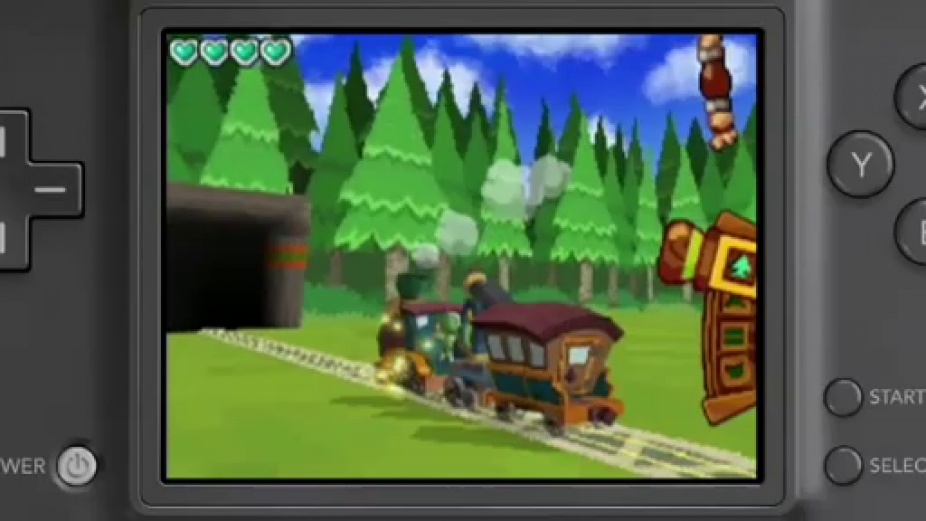
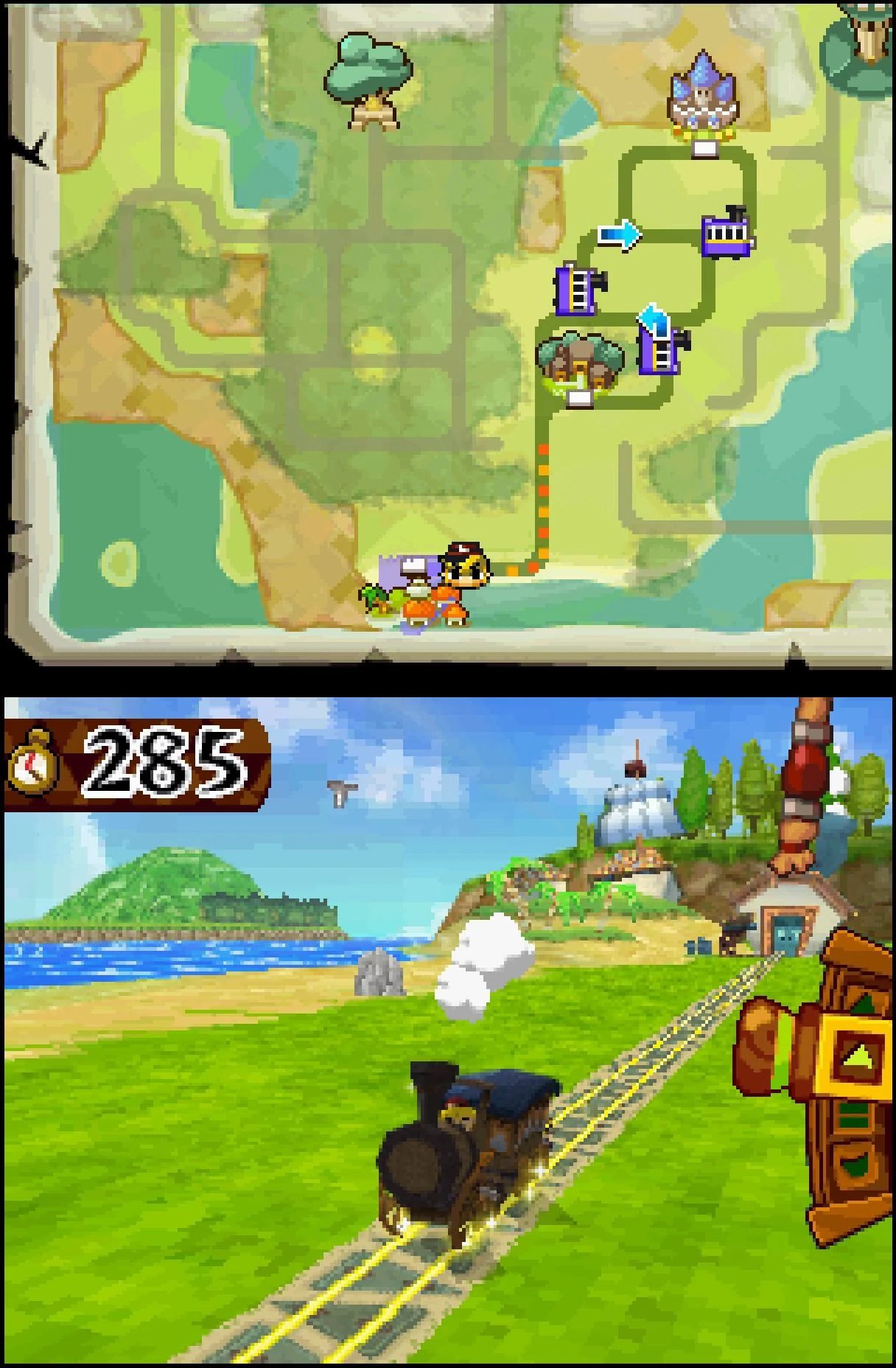
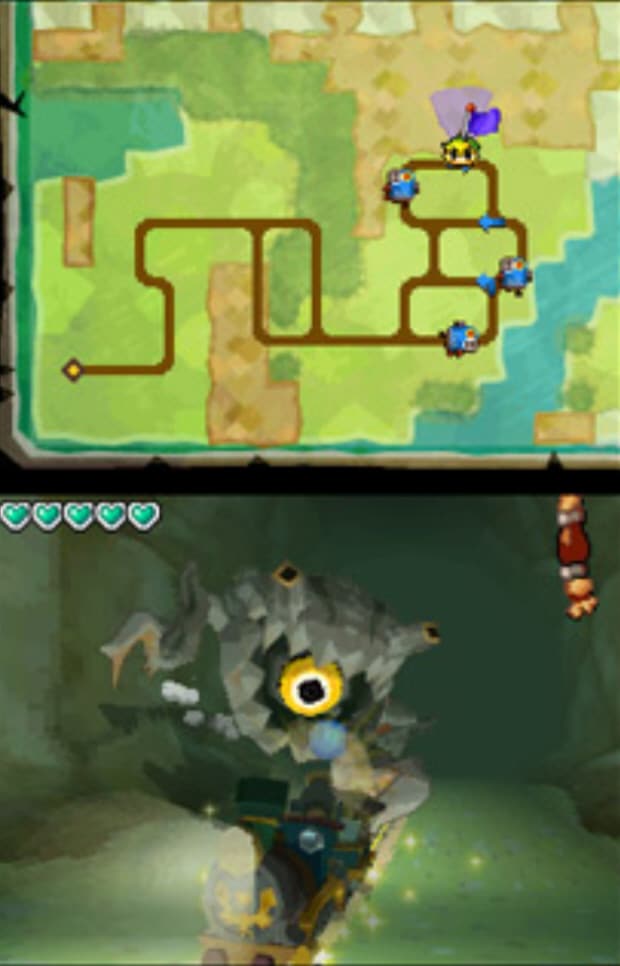
  • The Steam-Powered "Spirit Train" Overworld Engine: Driving a customizable steam locomotive across the rail network; operating the throttle, switching track switches in real-time, pulling the whistle cord to scare animals off tracks, and firing a 360-degree cannon to destroy enemy train pirates.
  • The "Spirit Pipes" Microphone Pan-Flute: Blowing physical air into the Nintendo DS microphone while sliding pan-flute pipes across the touch screen to perform musical duets with the Lokomo Sages (Gage, Steem, Carben, Embrose, Rael) to restore the divine tracks.
  • Clever Touch-Screen Item Suite: The Whirlwind (blowing air with the stylus), Whip (swinging across wooden poles and stealing enemy shields), and the Sand Wand (raising columns of solid sand).
  • Elimination of the Timer Penalty: Completely overhauling the Tower of Spirits from its predecessor; removing the frustrating countdown timer and adding staircases to skip previously completed floors.

Historical Legacy & Archival Preservation

The Legend of Zelda: Spirit Tracks is permanently celebrated in Zelda history as the absolute peak of touch-screen puzzle-dungeon design and Princess Zelda's greatest playable co-op starring role.
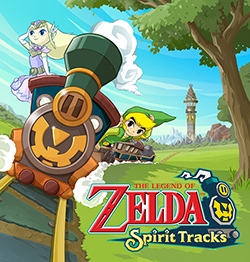
The Legend of Zelda: Spirit Tracks Official Cover

The Legend of Zelda: Spirit Tracks

🏢 Nintendo EAD 📅 07 Dec 2009 🎮 The Legend of Zelda

🎬 Deep Vision & Technical Analysis

🌆 Atmosphere & Visual Direction

Atmospheric lighting in The Legend of Zelda: Spirit Tracks creates an authentic and deeply immersive experience. Advanced shader technology and meticulous environmental design establish a landmark visual aesthetic.

⚡ Action Pacing & Physics Engine

The gameplay loop in The Legend of Zelda: Spirit Tracks balances responsive controls with strategic pacing, rewarding player mastery across diverse in-game scenarios.

🎯 Performance & Launch Trajectory

The Legend of Zelda: Spirit Tracks delivers an outstanding technical accomplishment that showcases Nintendo EAD's craftsmanship and sets a benchmark for the genre.

Introduction: The Next Chapter for The Legend of Zelda: Spirit Tracks

The Legend of Zelda: Spirit Tracks - Introduction: The Next Chapter for The Legend of Zelda: Spirit TracksGAMER24H.COM
📸 Official HD Capture: The Legend of Zelda: Spirit Tracks - Introduction: The Next Chapter for The Legend of Zelda: Spirit Tracks
"The Legend of Zelda: Spirit Tracks," released in 1990, represents a pivotal moment in the franchise's evolution. Developed by Nintendo EAD and directed by Daiki Iwamoto, this installment builds upon the foundation laid by "The Wind Waker" and "Phantom Hourglass," introducing innovative gameplay mechanics centered around train travel and a more proactive role for Princess Zelda. The game's narrative follows Link and Zelda as they journey through New Hyrule, attempting to prevent the resurrection of the Demon King Malladus. This Masterclass Deep-Dive will dissect every facet of this critically acclaimed title, from its groundbreaking engine to its unforgettable soundtrack.

Visual Direction and Graphics Engineering

The Legend of Zelda: Spirit Tracks - Visual Direction and Graphics EngineeringGAMER24H.COM
📸 Official HD Capture: The Legend of Zelda: Spirit Tracks - Visual Direction and Graphics Engineering
"Spirit Tracks" leverages a proprietary Nintendo engine designed specifically for the Nintendo DS hardware. While limited by the console's capabilities, the game achieves a charming and expressive art style. The visuals are characterized by vibrant colors, detailed character designs, and imaginative environments. The use of cel-shading techniques gives the world a distinctive look, reminiscent of hand-drawn animation. While technically simple compared to modern titles, the engine's efficiency allows for complex environmental interactions and dynamic lighting effects that enhance the overall visual experience. The developers cleverly utilized the DS's dual screens, using the bottom screen for map navigation and mini-game interfaces, seamlessly integrating it into the gameplay loop.

Gameplay Mechanics and Core Systems

The Legend of Zelda: Spirit Tracks - Gameplay Mechanics and Core SystemsGAMER24H.COM
📸 Official HD Capture: The Legend of Zelda: Spirit Tracks - Gameplay Mechanics and Core Systems
The core innovation in "Spirit Tracks" lies in its train-based traversal system. Players control Link as he guides a spirit train across New Hyrule, navigating tracks while simultaneously battling enemies and solving puzzles. This unique mechanic introduces new challenges and opportunities for creative level design. The game also features dungeon exploration, puzzle-solving, and combat encounters that are characteristic of the Zelda franchise. Princess Zelda plays a more active role in gameplay, assisting Link with both navigation and puzzle solutions, breaking from the traditional damsel-in-distress trope. The touch screen is integral to many gameplay elements, including train controls, spirit track manipulation, and interacting with environmental objects.

Level Design and World Atmosphere

The Legend of Zelda: Spirit Tracks - Level Design and World AtmosphereGAMER24H.COM
📸 Official HD Capture: The Legend of Zelda: Spirit Tracks - Level Design and World Atmosphere
New Hyrule, the game's setting, is a vast and diverse land filled with charming towns, treacherous dungeons, and sprawling landscapes. The level design seamlessly blends exploration, puzzle-solving, and combat encounters, creating a consistently engaging experience. Each region of New Hyrule possesses its own unique visual identity and gameplay challenges, encouraging players to explore every nook and cranny. The train system acts as both a means of transportation and an integral part of the level design, with tracks often winding through complex environments and requiring skillful navigation.

Narrative Depth and Character Profiles

The Legend of Zelda: Spirit Tracks - Narrative Depth and Character ProfilesGAMER24H.COM
📸 Official HD Capture: The Legend of Zelda: Spirit Tracks - Narrative Depth and Character Profiles
The story of "Spirit Tracks" is a compelling tale of courage, friendship, and sacrifice. Link and Zelda's relationship evolves throughout the game, as they work together to overcome obstacles and confront the forces of evil. The supporting cast of characters adds depth and richness to the narrative, each with their own motivations and backstories. While the overarching plot follows familiar Zelda tropes, the game introduces fresh elements that keep players invested in the unfolding events. Princess Zelda's increased agency is a significant departure from previous installments, making her a more proactive and compelling character.

Sound Design and Acoustic Realism

The Legend of Zelda: Spirit Tracks - Sound Design and Acoustic RealismGAMER24H.COM
📸 Official HD Capture: The Legend of Zelda: Spirit Tracks - Sound Design and Acoustic Realism
The soundtrack of "Spirit Tracks" is a masterful blend of orchestral arrangements and traditional Japanese instrumentation. The music perfectly complements the game's visuals and atmosphere, creating an immersive and emotionally resonant experience. Sound effects are meticulously crafted to enhance the impact of every action, from the rumble of the train engine to the clash of swords in combat. The audio design plays a crucial role in bringing the world of New Hyrule to life, making it a truly unforgettable auditory experience.

Release Expectations and Community Hype

The Legend of Zelda: Spirit Tracks - Release Expectations and Community HypeGAMER24H.COM
📸 Official HD Capture: The Legend of Zelda: Spirit Tracks - Release Expectations and Community Hype
Upon its release, "Spirit Tracks" generated significant hype among Zelda fans, eager to see how Nintendo would innovate on the formula established by "The Wind Waker" and "Phantom Hourglass." The game largely delivered on these expectations, praised for its unique gameplay mechanics, charming visuals, and engaging story. While some critics found the train-based traversal system repetitive at times, the overall reception was overwhelmingly positive. The game quickly became a commercial success, solidifying its place as a beloved entry in the Zelda franchise.

Conclusion: The Future of The Legend of Zelda: Spirit Tracks

The Legend of Zelda: Spirit Tracks - Conclusion: The Future of The Legend of Zelda: Spirit TracksGAMER24H.COM
📸 Official HD Capture: The Legend of Zelda: Spirit Tracks - Conclusion: The Future of The Legend of Zelda: Spirit Tracks
"The Legend of Zelda: Spirit Tracks" represents a bold and innovative step forward for the franchise. Its unique gameplay mechanics, charming visuals, and engaging story have cemented its place as a classic Nintendo DS title. While the game may not reach the technical heights of modern titles, its creative design and enduring appeal continue to resonate with players today.
The legacy of "Spirit Tracks" lives on, inspiring future generations of game developers and reminding us of the power of innovation in interactive entertainment.
The Legend of Zelda: Spirit Tracks
The Legend of Zelda: Spirit Tracks In-Game Cinematics and Visual Fidelity
The Legend of Zelda: Spirit Tracks
The Legend of Zelda: Spirit Tracks Core Gameplay Mechanics and Tactical Depth


Source: Wikipedia

Google Preferred Source
Add us to your favorite news sources on Google
Get instant updates and breaking news directly in Google News
Follow on Google