

Greetings, I’m Evgeny Maloshenkov, the creature designer at Frogwares, the studio steering the upcoming sequel, The Sinking City 2.
Launching development in 2023, we set out to chart a fresh course for the franchise. While the first title offered an open‑world, Lovecraft‑inspired detective experience, the sequel embraces a semi‑open‑world survival‑horror framework, amplifying combat, exploration, and survival elements—all steeped in the same eerie Lovecraftian atmosphere.
Investigative gameplay remains, yet it has become an optional feature for those eager to unravel Arkham’s enigmas. Players who pursue this path earn valuable insights, resources, shortcuts, and other tangible benefits.

The sequel presents a self‑contained narrative that can be enjoyed without prior knowledge of the first game. Set in Arkham following a baffling deluge, the city’s waters surge inexorably, forcing an evacuation that leaves a few fragile survivors and the eldritch horrors that accompanied the flood.
Given combat’s pivotal role in The Sinking City 2, we’re excited to spotlight five of our favorite adversaries, tracing their evolution from initial sketches to the formidable foes players will confront.
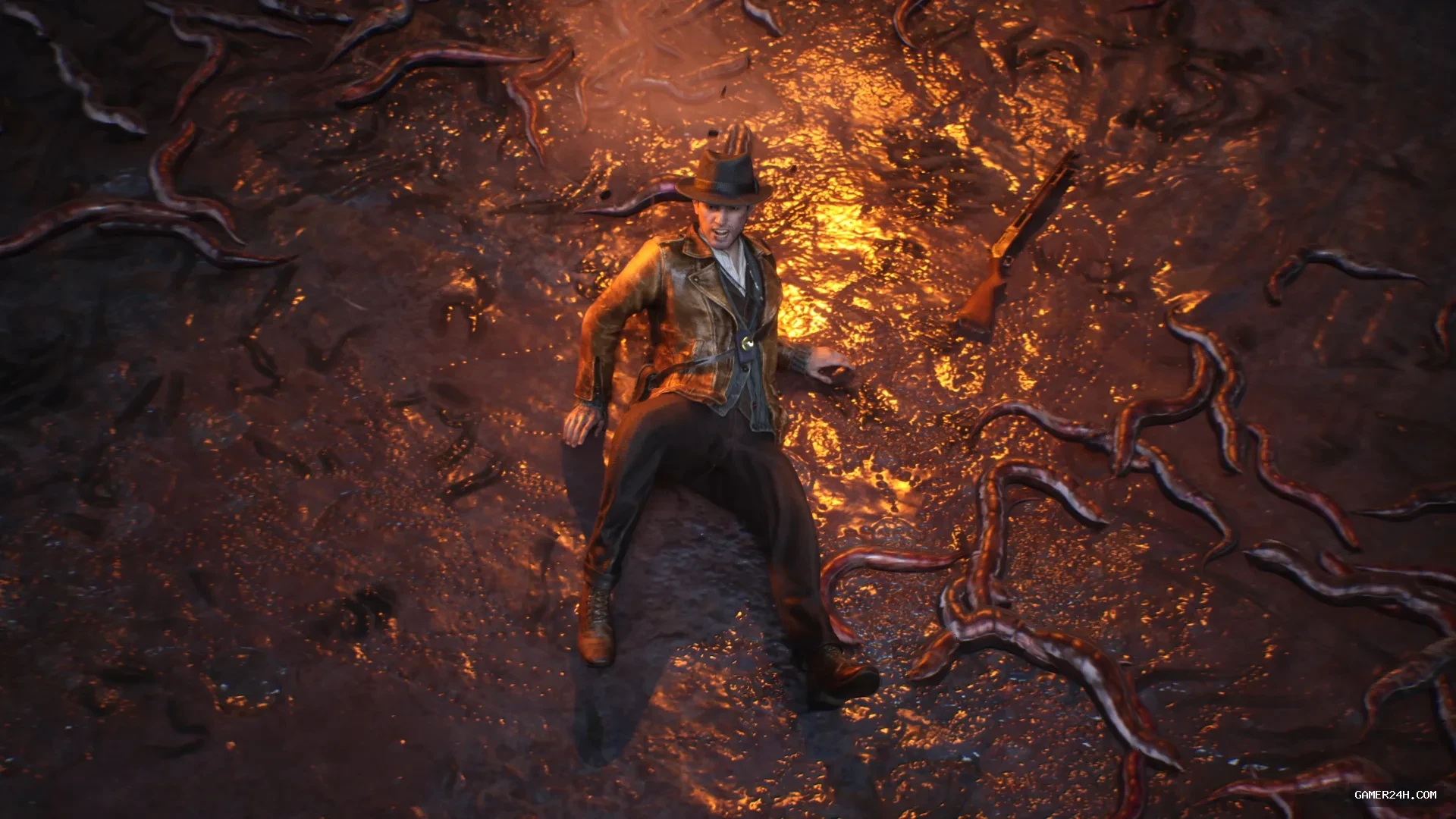
In the Arkham universe, the Slither rank among the most frequently encountered adversaries, and they were among the earliest creatures conceptualized for the title. From the outset, the team rejected the notion of a generic zombie; instead, they envisioned the Slither as worm‑like deep‑sea parasites, ranging from finger‑sized entities to arm‑length worms. While each individual is barely sentient, when they coalesce into colonies, they form a hive mind capable of commandeering human corpses to serve the eldritch entity Yog‑Sothoth.
A pivotal design challenge was determining how a corpse would appear under the influence of an entity that has never operated a human body. The worms manipulate the body indirectly, actuating muscles from within, which results in sub‑optimal precision. The developers captured this through animation and behavior, showcasing dislocated shoulders and limbs that move in awkward, erratic patterns.
The team also imagined the colony gradually learning to master its new vessel, producing tangled legs, overextended arms, and peculiar practice movements.
These concepts underpin the two distinct stages of Slither infestation, with the creature’s appearance and behavior evolving as the colony gains strength and confidence.
Despite their modest size and apparent fragility, Stygian Harvesters pose a significant threat due to their speed, sheer numbers, and capacity for surprise. They dodge attacks, set ambushes, and retreat into concealment when threatened, biding their time for a decisive strike.
The creature’s movement is powered by elongated, humanoid limbs that end in hands, allowing it to slip through narrow gaps, cling to surfaces, and move in ways that feel unsettlingly alien.
It thrives in darkness, using shadows to conceal itself while turning the very environment into a deadly ambush.
The Acheronian Juggernaut, a beloved icon from the original title, makes a triumphant return—proof that its design still captivates players. This grotesque amalgam of bodies boasts six arms, six legs, and a massive maw that stretches from head to torso, capable of swallowing an entire human and holding it for a slow, gruesome decomposition.
Despite its overwhelming power and resilience, the creature’s massive bulk slows its pace, making it a slower but relentless adversary.
Originally spotted in Oakmont, the city’s largest Wylebeast has now migrated to Arkham, widening the threat landscape for players.
Satisfied with the creature’s visual aesthetic, we chose to preserve its look while overhauling its mechanics. The new iteration reimagines its behavior and attack patterns, turning it into a daunting foe that will test even seasoned players.
Initially dubbed the Lethian, this entity is a human who undergoes a terrifying metamorphosis into a humanoid Wylebeast.
The contagion renders the creature visibly sick and erratic, yet its most unsettling trait is its bifurcated head. This split opens vertically, enabling the Revenant to hurl viscous bacterial globules toward the player from afar.
Its conduct mirrors its frail state, as the Revenant seems perpetually in agony, shying away from head‑to‑head clashes. Instead, it favors long‑range assaults and tactical retreats, using cover to its advantage.
❓ Frequently Asked Questions (FAQ)
Where can I find more details about Meet the Lovecraftian monstrosities of The Sinking City 2, out today on PS5?
Further details and updates can be followed through official game channels and the source link provided in the article.
News Source: PlayStation Blog






















Join the conversation