The Great Chip War: How Global Politics Is Shaping Your Next PC Build
[Engaging, punchy, click-worthy English headline]
PC gaming faces a familiar problem: soaring prices for essential components due to unexpected demand surges. We’re in the thick of it, with no immediate end in sight, as supply struggles to catch up. But this time, it’s not just about market forces; global politics is playing a massive role.
The Rise of Silicon Superpowers
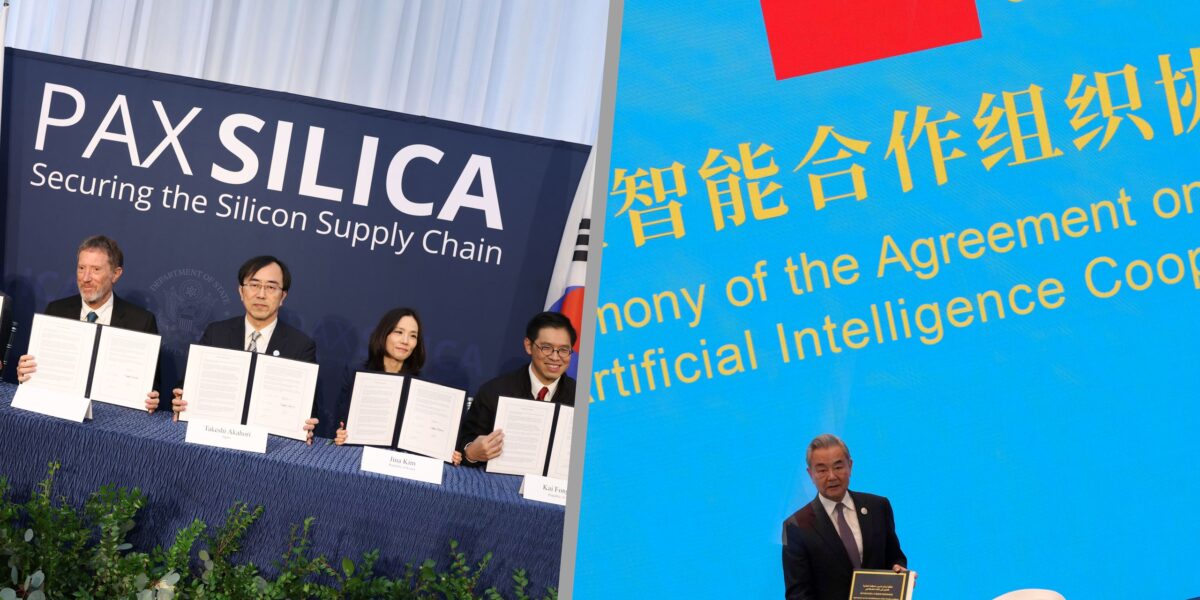
It feels like we’ve been here before. PC gamers have witnessed similar crises in the past, and history suggests we might face them again. Politicians worldwide are transforming the semiconductor industry from a globalized business into a battleground for newly formed factions with names straight out of a Command & Conquer reboot: Pax Silica and WAICO.
So, why is PC gaming so vulnerable to global politics and trade? Recent events highlight how intertwined our hobby is with international affairs. For example, the US attack on Iran and subsequent closure of the Strait of Hormuz disrupted supply chains for essential materials like Helium, sulphuric acid, PPE resin, aluminium, and naphtha, all crucial for semiconductor manufacturing.
“In a worst-case scenario,” warned Exiger SVP of Product Level Intelligence Derek Lemke in May, “we might have to choose between AI infrastructure and consumer needs.”
Before this, former US President Donald Trump imposed tariffs on various countries and goods, driving up prices for companies producing them. Then came the COVID-19 pandemic, which triggered a surge in demand for computers, consoles, standing desks, and exercise bikes. Governments recognized semiconductors as vital commodities, leading to legislation aimed at boosting domestic manufacturing, like those proposed by the Biden administration and the EU.
PC gaming companies have always been pioneers in adopting cutting-edge technologies. Remember when AMD rushed to utilize TSMC’s 7nm process for a competitive edge? These advancements directly impact PC gaming performance.
Despite these efforts, neither US nor EU legislation alone seemed sufficient. Some EU member states even called for a second attempt at the EU Chips Act, which ultimately aimed to familiarize politicians with semiconductor supply chains. This awareness has led to significant developments, including the emergence of Pax Silica and WAICO.
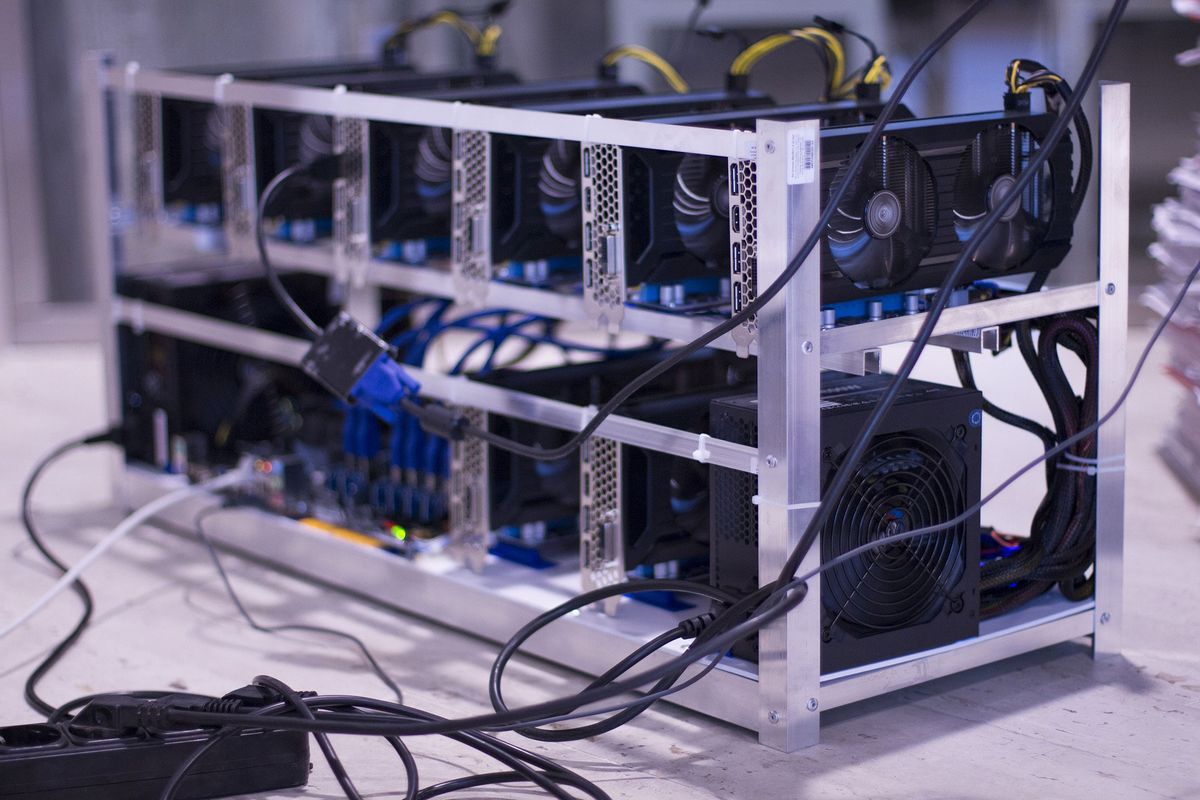
While the memory crisis was developing, PC gaming faced another challenge: outsized demand for graphics cards due to cryptocurrency mining. The first GPU shortage in 017-18 was exacerbated by COVID-19 supply issues, creating a perfect storm.
“Every input into a chip – from silicon to metals – has been affected,” explained supply chain expert Dr. Goldsby. “Demand is off the charts, but the supply chain is constrained by material access, production capacity, and transportation.”
This sentiment echoes similar concerns raised during previous graphics card shortages, highlighting recurring patterns that lead to these crises.
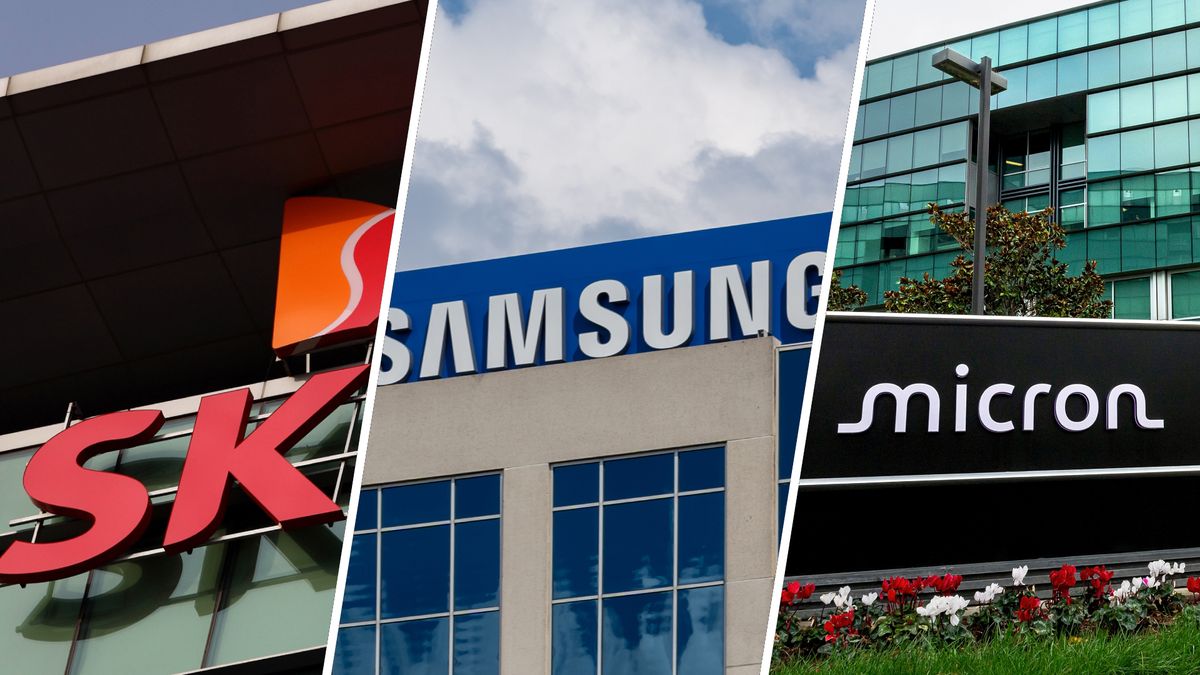
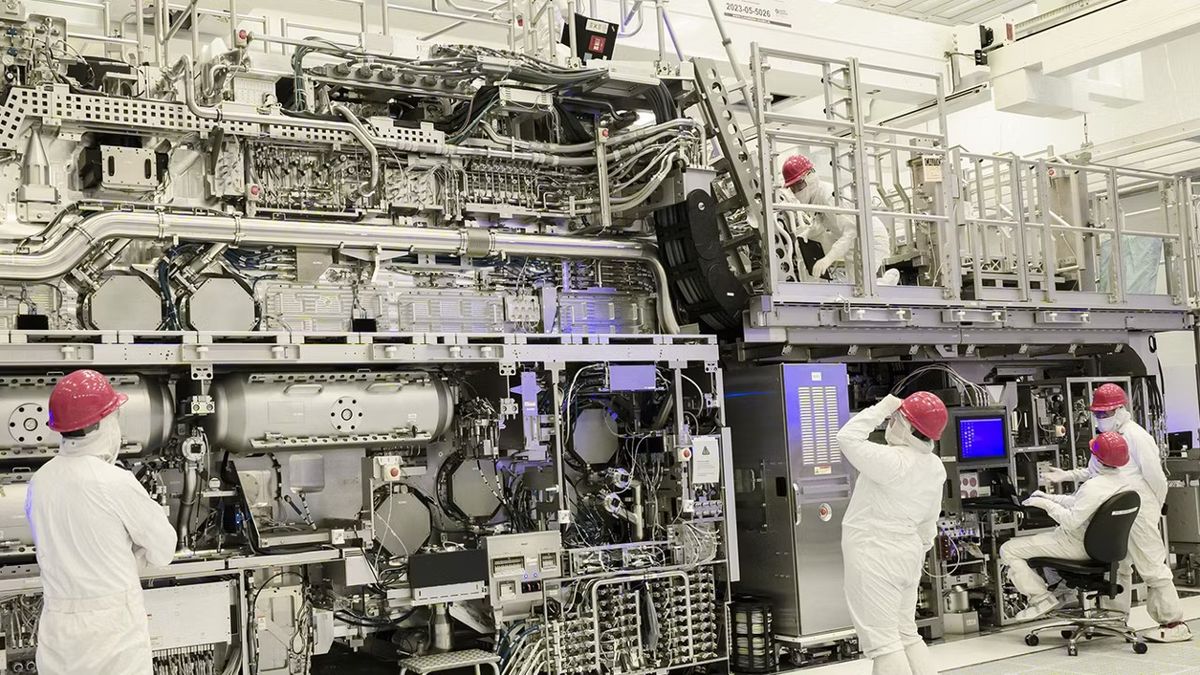
Today, increased demand from AI, massive datacentre construction, and reliance on a few major memory companies contribute to the current situation. These companies often resist large-scale plans for new facilities due to fears of oversupply and crashing prices.
Governments are betting heavily on AI for economic growth, viewing datacentres as vital national infrastructure. For example, the UK government labels these projects as “Nationally Significant Infrastructure Projects (NSIP),” streamlining the planning process. This prioritization often overshadows concerns about the environmental impact and energy consumption of these facilities.
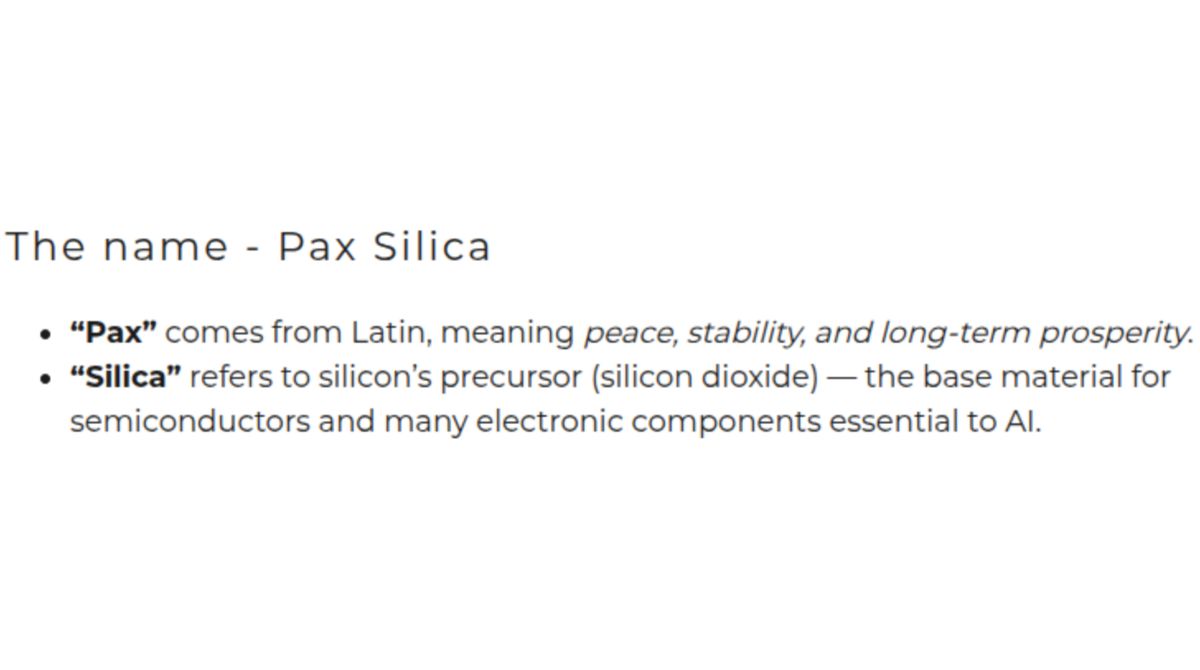
This has led to political action on supply chains spanning continents, resulting in the formation of Pax Silica, an organization aiming to secure the silicon supply chain with a motto: “Securing the silicon supply chain.”
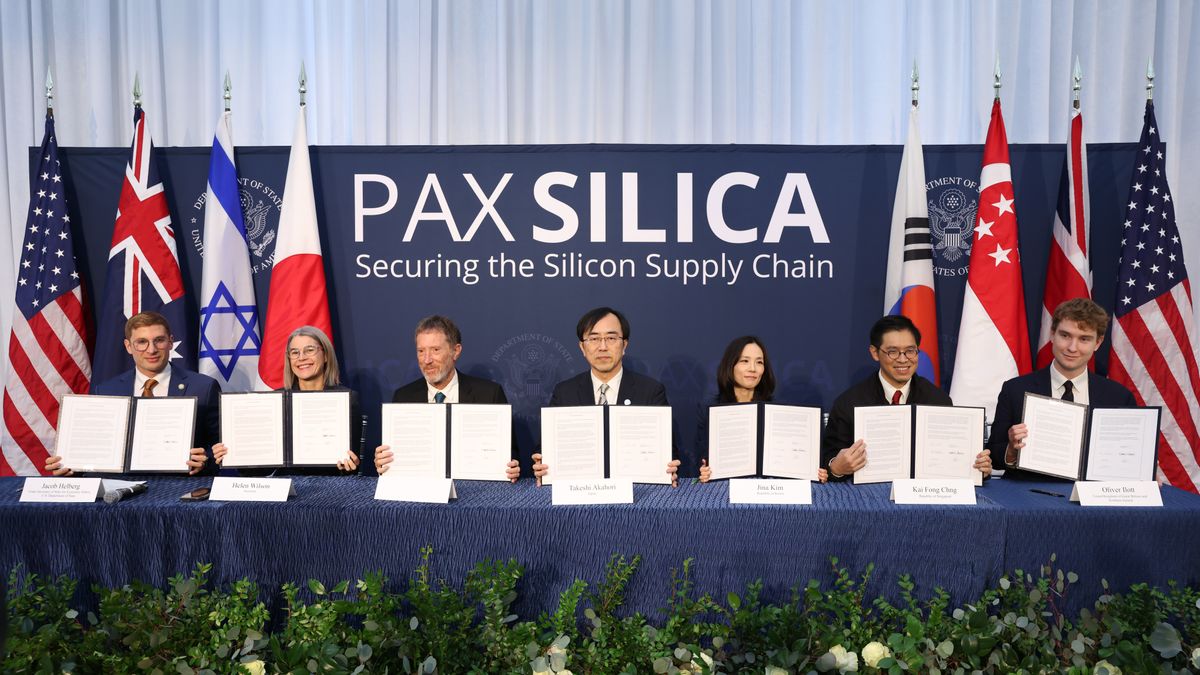
Pax Silica, backed by the United States, aims to secure “AI and supply chain security” and advance “new economic security consensus among allies and trusted partners.” The agreement includes countries like the US, EU, South Korea, India, Israel, UK, Singapore, Philippines, Netherlands, Japan, and Qatar. Notably, Taiwan, a powerhouse in global semiconductor manufacturing, is only an observer.
“The 21st century runs on compute and the minerals that feed it,” stated US Under Secretary for Economic Affairs Jacob Helberg. “This historic declaration hails a new economic security consensus ensuring aligned partners build the AI ecosystem of tomorrow.”
The goal is to share frontier foundation AI models, semiconductors, infrastructure, manufacturing facilities, minerals, and energy among signatories, fostering collaboration on future advancements.
There’s a strong emphasis on addressing national security and righting perceived wrongs in the name of “fair competition.” Signatories are expected to coordinate responses to “overcapacity and dumping” to ensure supply chain resilience and protect sensitive technologies from undue access or control.
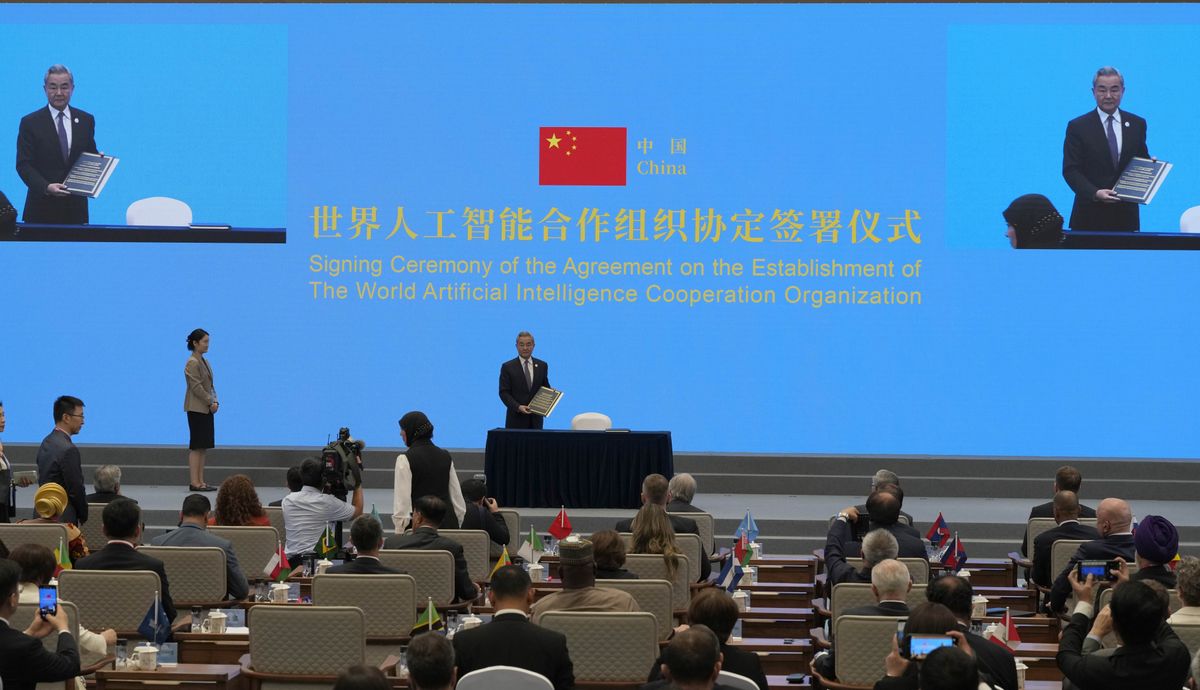
WAICO, a cooperative agreement on AI, computing, and sharing frontier AI models, aims to address the limited access some members have to their own or other key players’ AI models. While China floated WAICO, it operates in the interests of the ‘Global South,’ including many developing nations. India, despite being a BRICS member, is part of Pax Silica, while Kazakhstan oddly belongs to both groups.
Essentially, we have two rival factions: Pax Silica, backed by the US, and WAICO, supported by China. Both aim to control the flow of chips and AI advancements globally, each promoting its vision for the future.
Recent reports suggest the US is preparing to pressure countries to choose sides, potentially leading to further divisions within the industry. Someone needs to tell Kazakhstan!
While politics often interfere with PCs – remember Trump’s tariffs? – it’s clear that nations are prioritizing AI capacity over everyday consumers. This has significant implications for the affordability and availability of cutting-edge semiconductors.
PC gaming, a tiny speck in this global landscape, is buffeted by these powerful forces. The industry relies on talent and resources moving across borders, making it vulnerable to geopolitical shifts.
Neither group’s messaging seems to consider the environmental impact of another technological arms race, which will only exacerbate existing problems. They are locked in a cycle of competition that ultimately harms everyone in the long run.
So, while new capacity might offer temporary relief from the current memory crisis, we’re not out of the woods yet. We’re entering a new era of resource guarding semiconductors, fabs, and rare earth minerals – all in the name of AI. Ugh.
Source: PC Gamer



Comments
Be the first to comment.