
Introduction: The Next Chapter for Metal Gear Solid V: The Phantom Pain
Metal Gear Solid V: The Phantom Pain represents a bold and ambitious evolution of the stealth action genre. Hideo Kojima’s vision, realized through years of development, promised an unprecedented level of player freedom and emergent gameplay. While initial reception was mixed due to certain design choices, its influence on open-world game design is undeniable, and it continues to be a subject of intense discussion and analysis within the gaming community. This deep dive will explore the core elements that define The Phantom Pain, examining its strengths, weaknesses, and lasting impact.
Visual Direction and Graphics Engineering
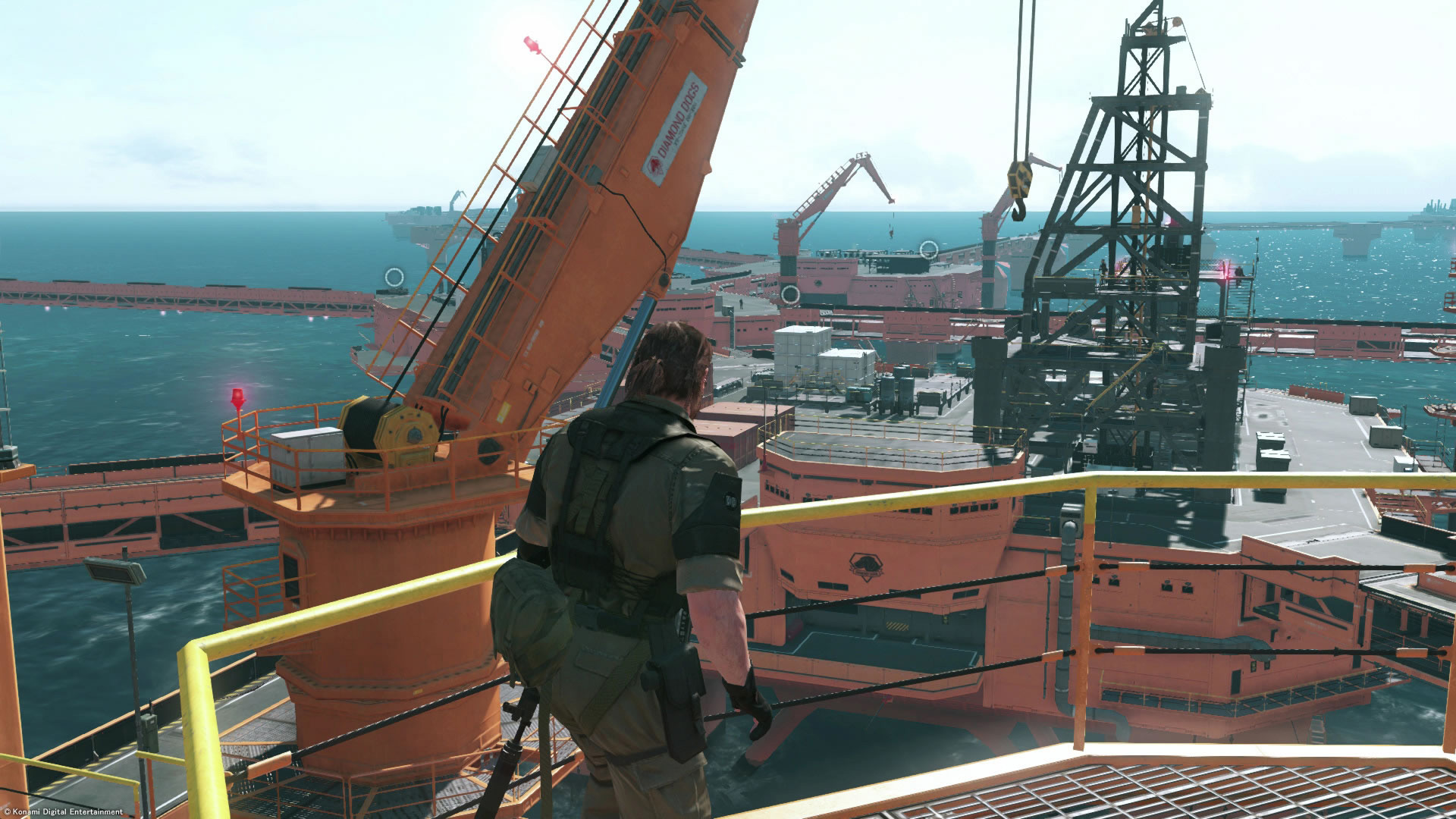
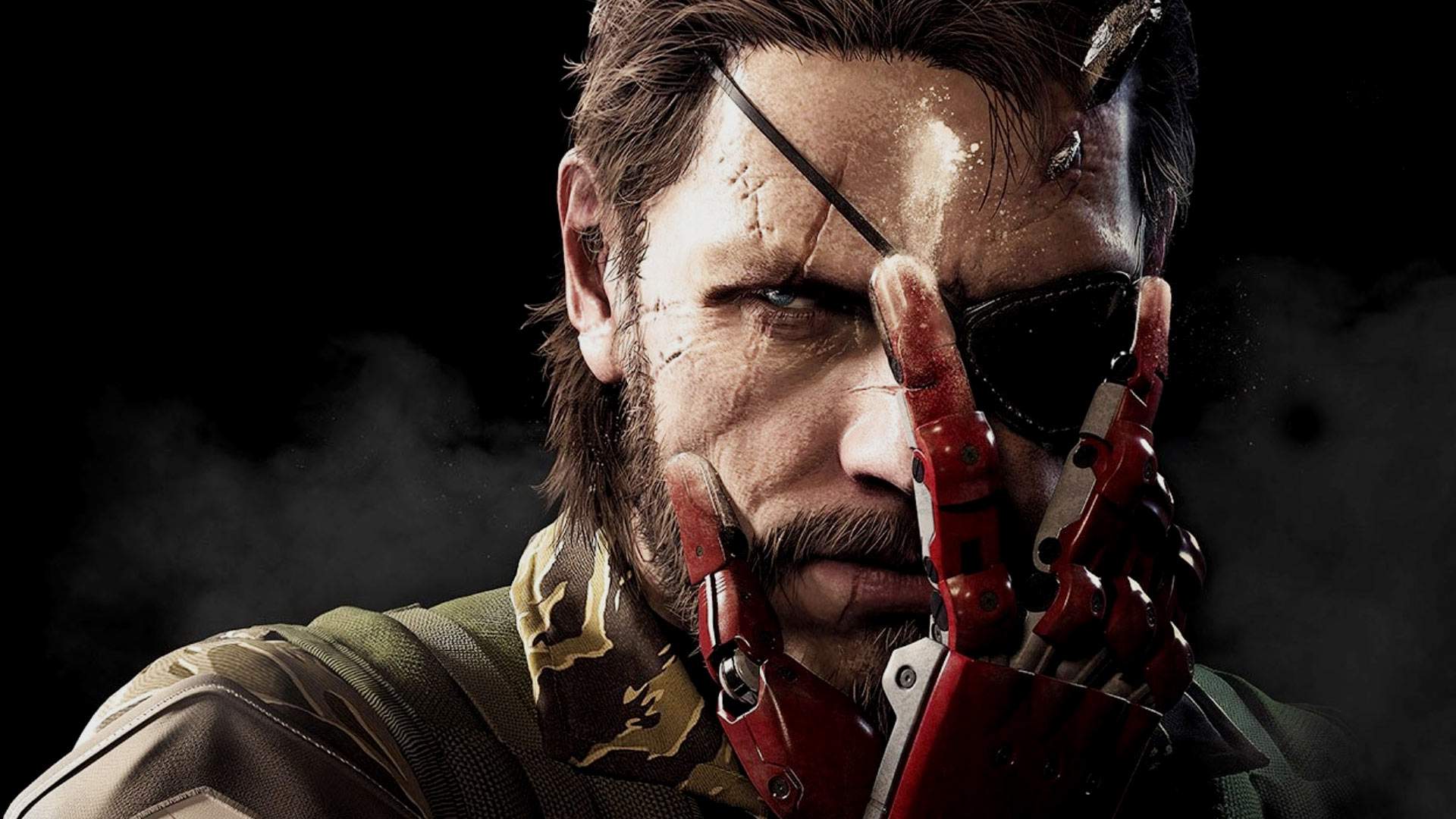
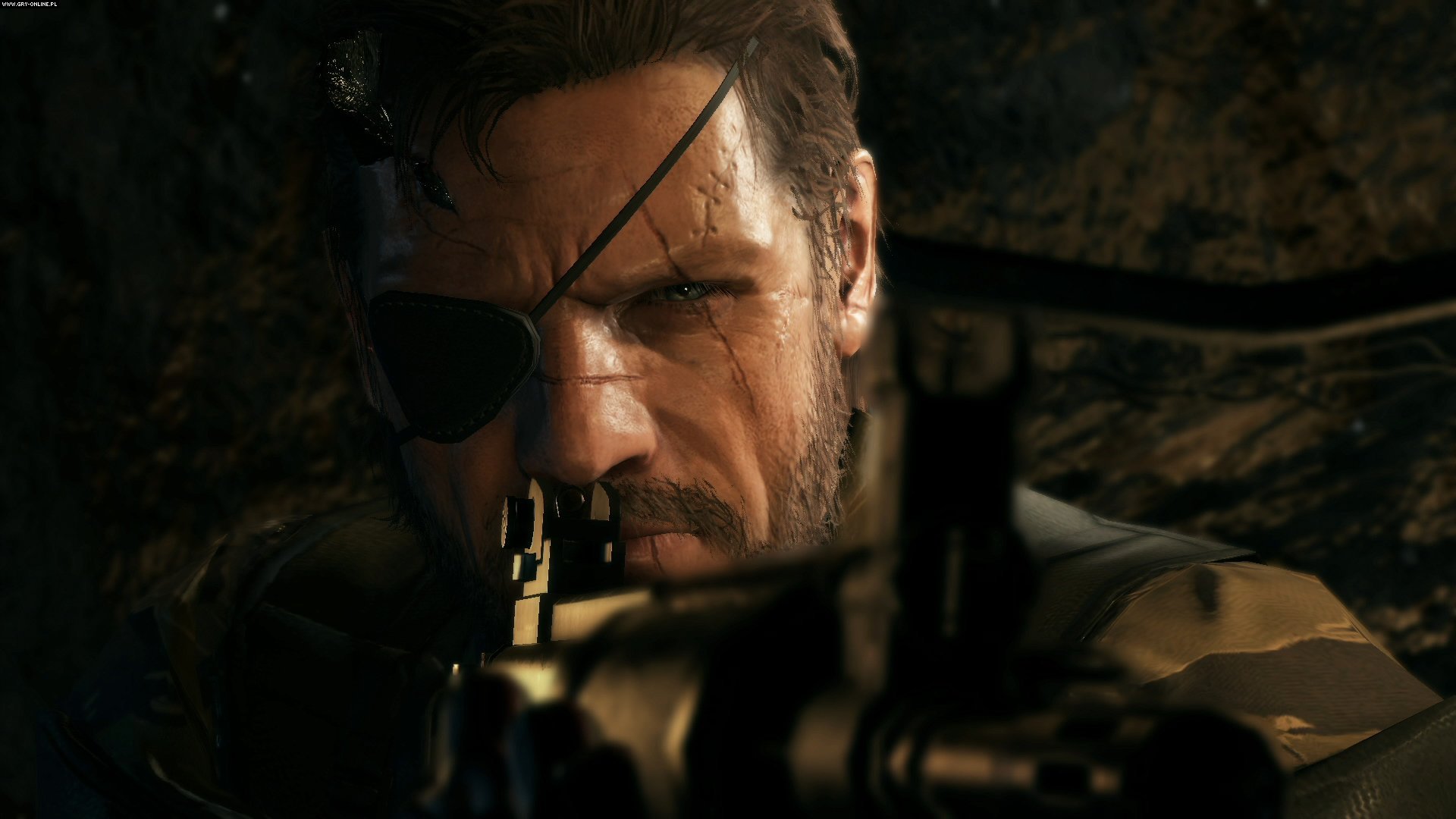
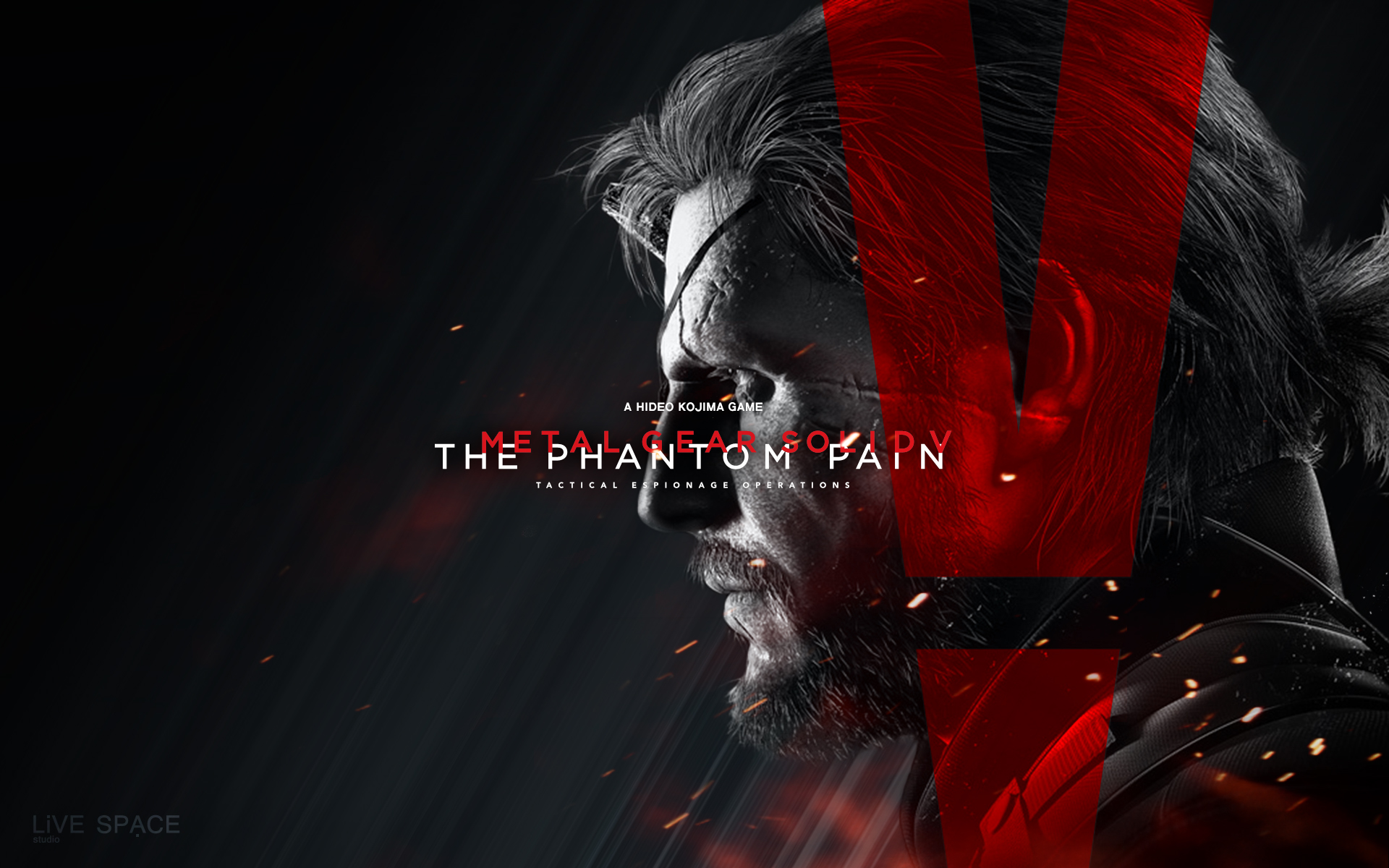
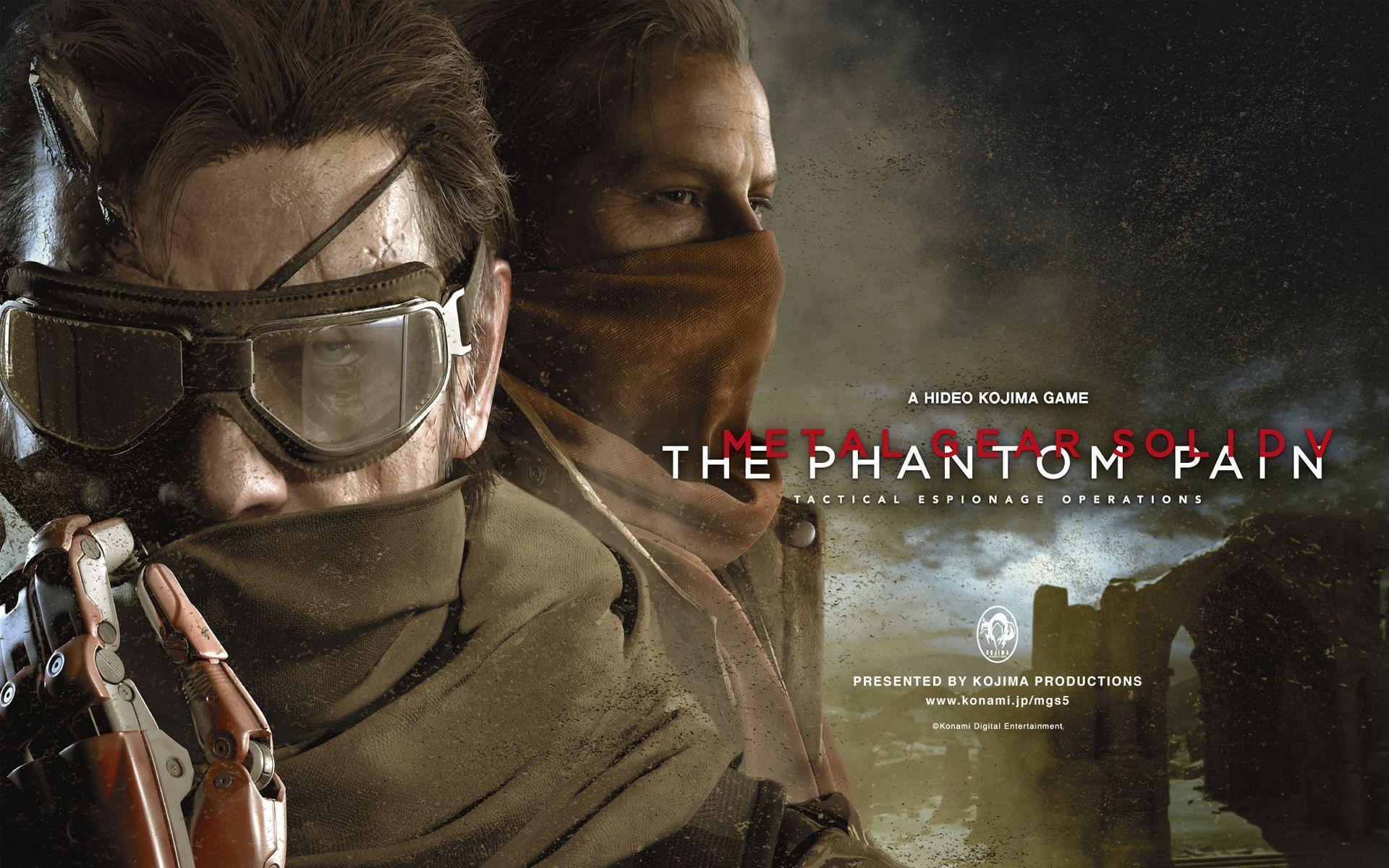
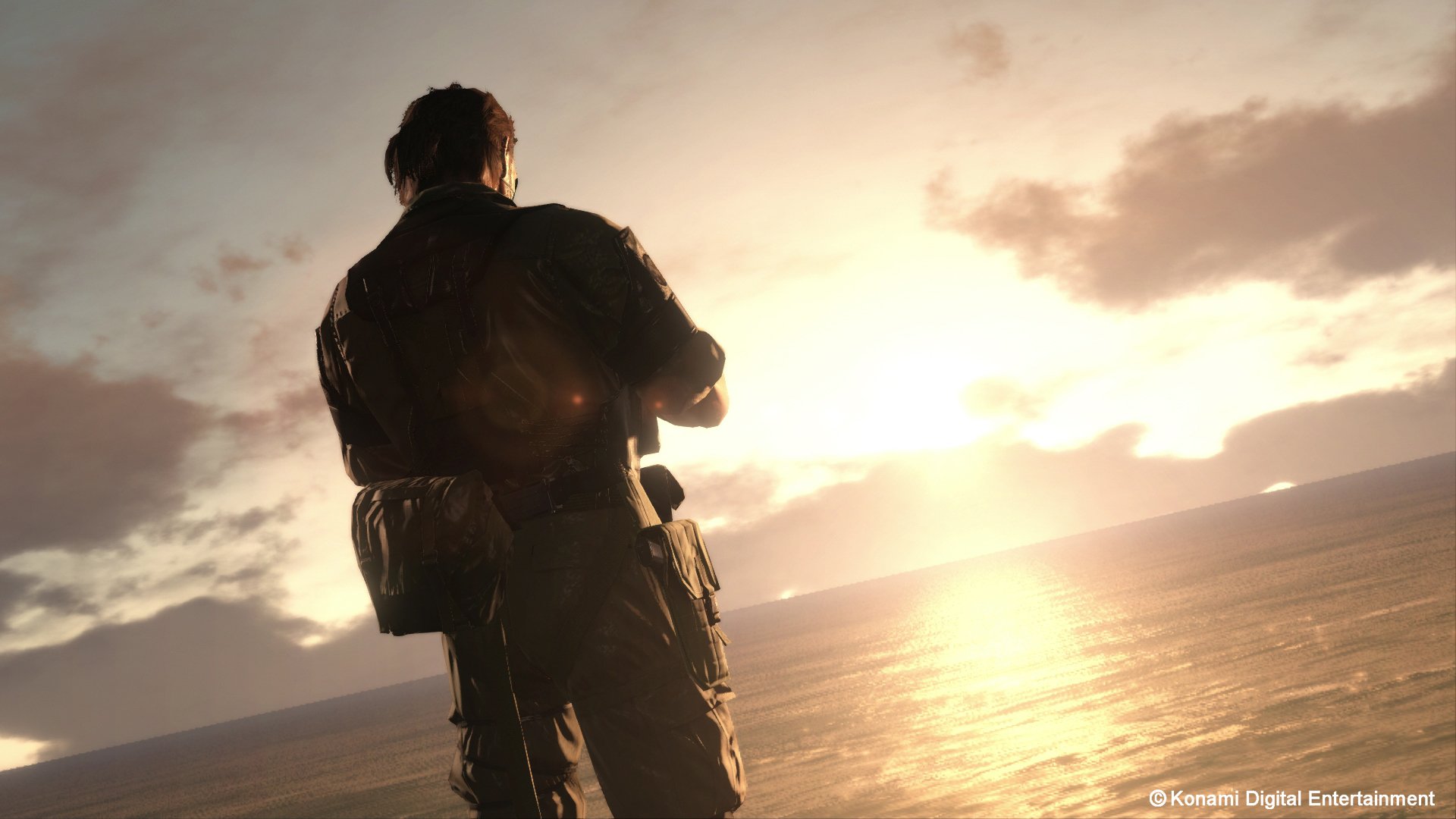
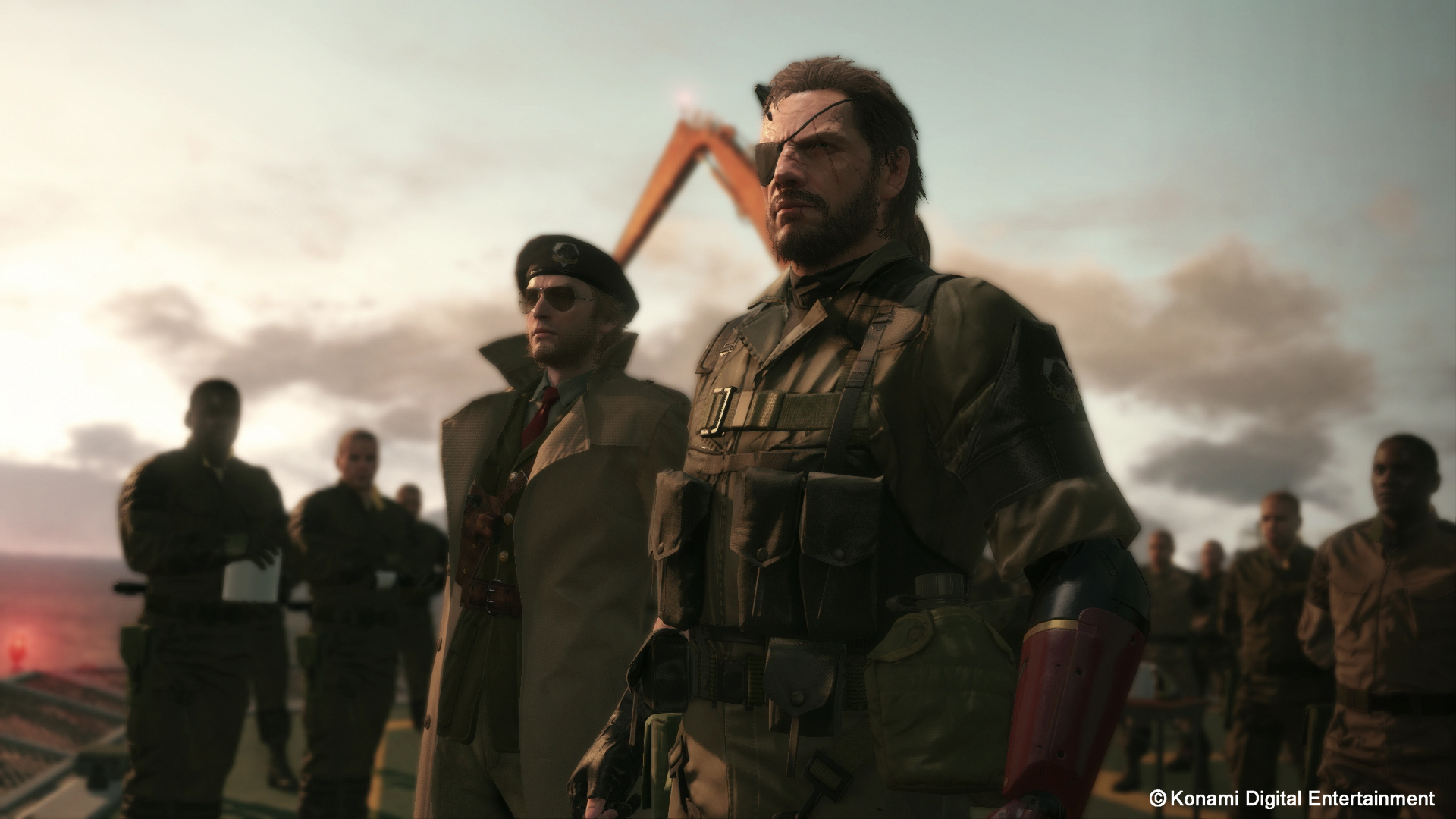
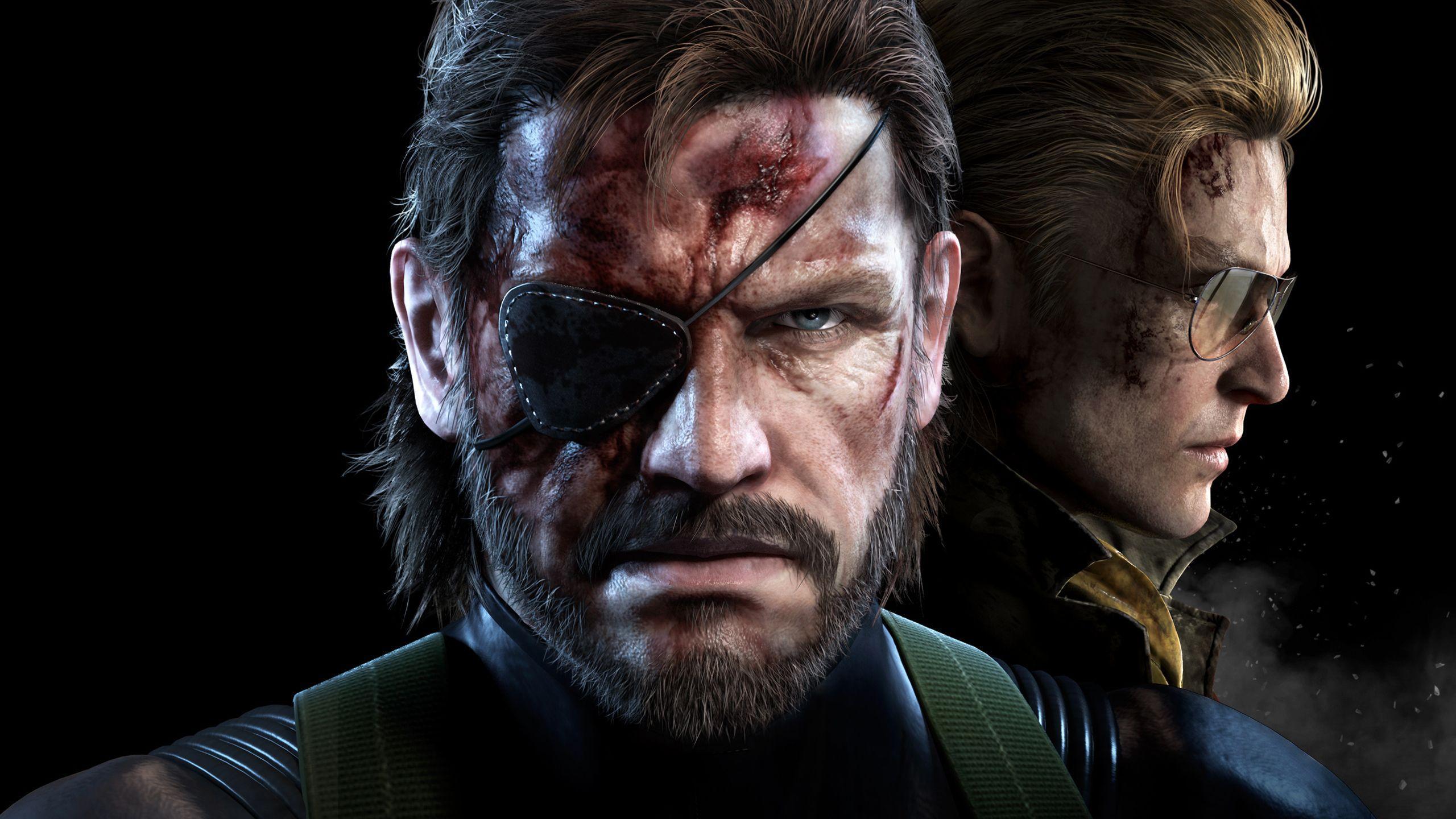
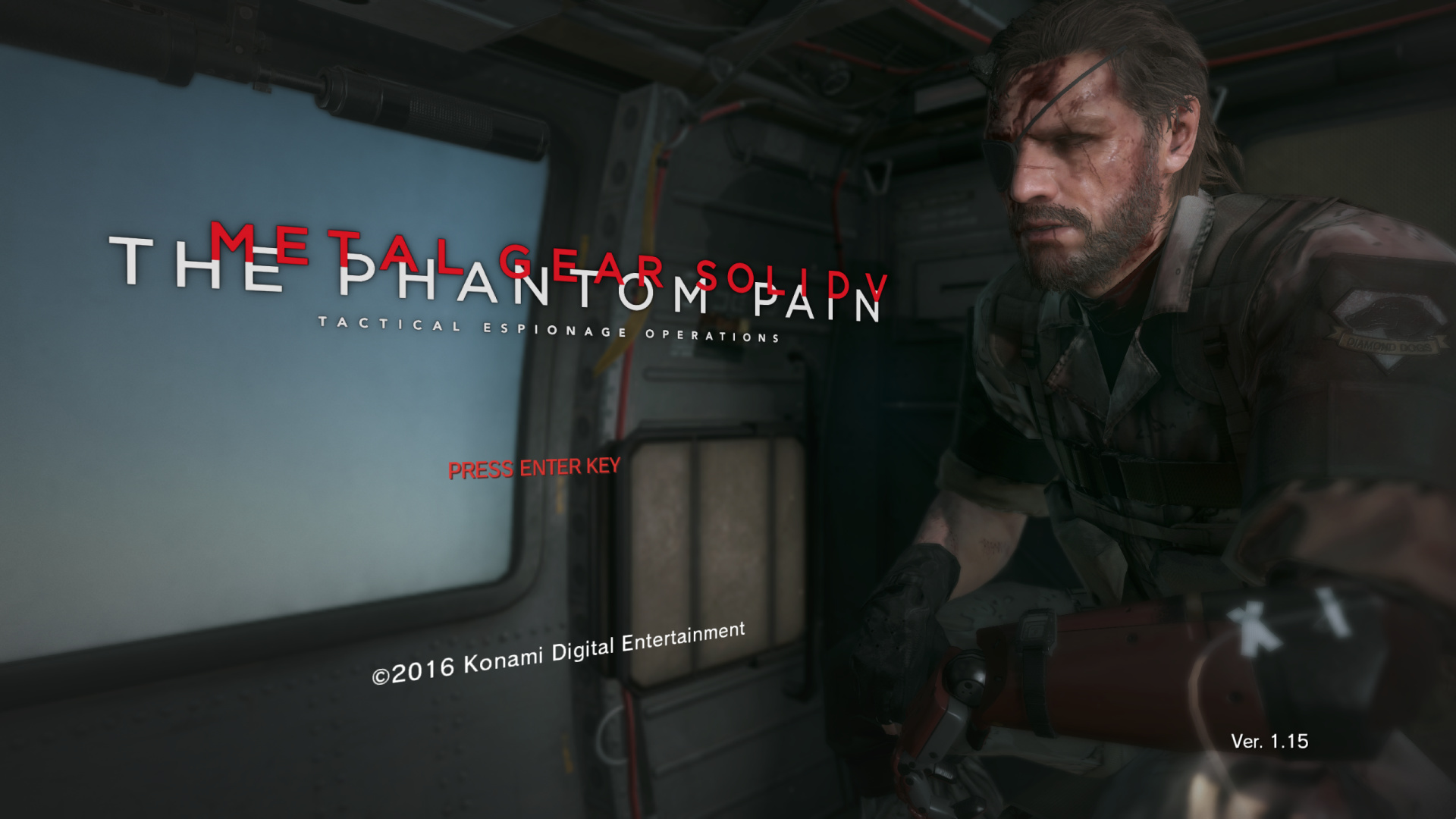
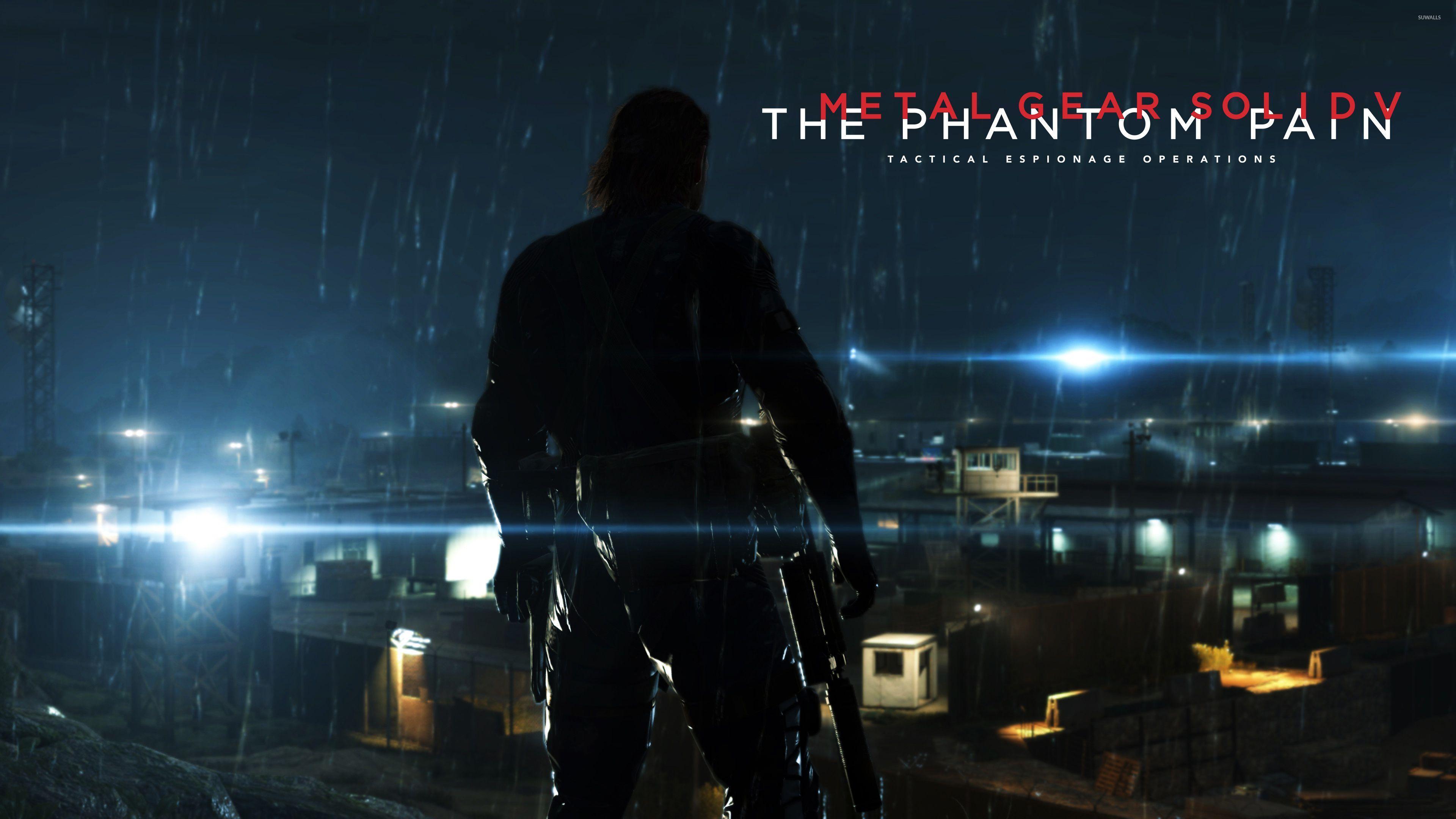
The visual style of The Phantom Pain is striking, characterized by a desaturated color palette and a gritty, realistic aesthetic. This deliberate choice emphasizes the harsh realities of war and creates a sense of constant tension. The game engine, while showing its age compared to modern titles, was optimized for large-scale environments and complex AI routines. The rendering techniques employed allowed for dynamic weather systems and detailed destruction physics, contributing significantly to the immersive experience. However, some players criticized the character models as being somewhat exaggerated or uncanny valley-esque, a point of contention that persists even today.
Gameplay Mechanics and Core Systems
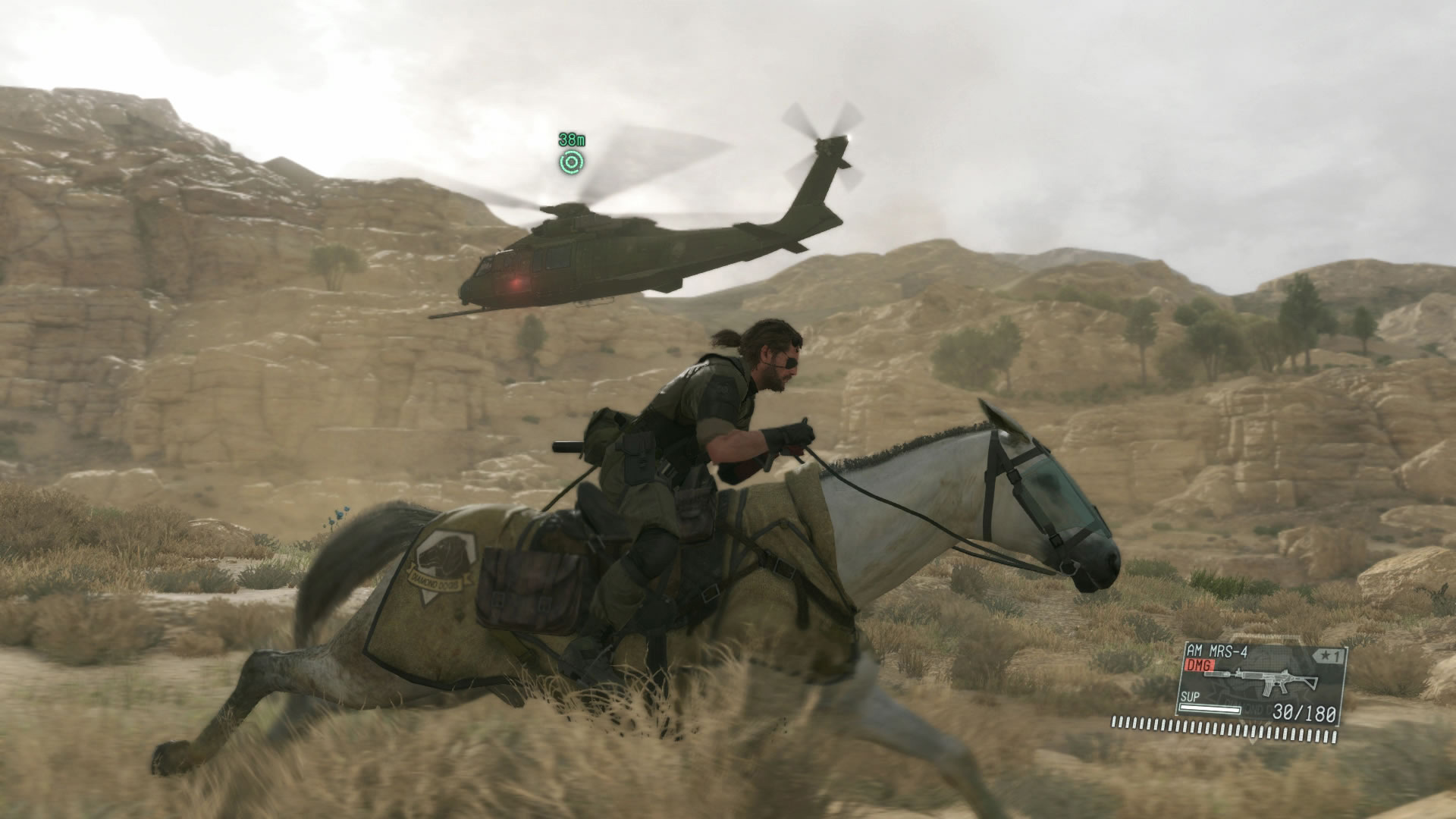
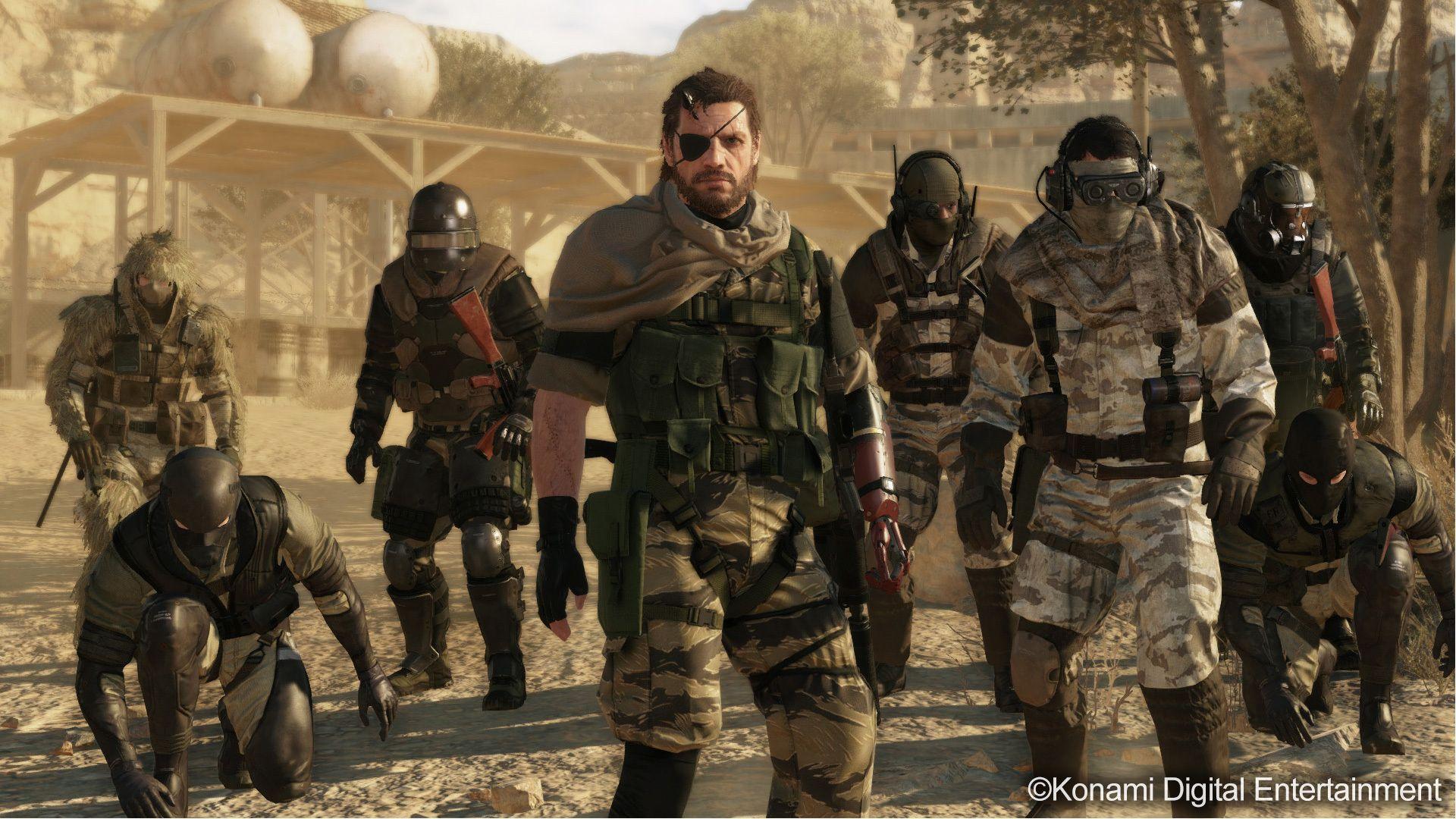
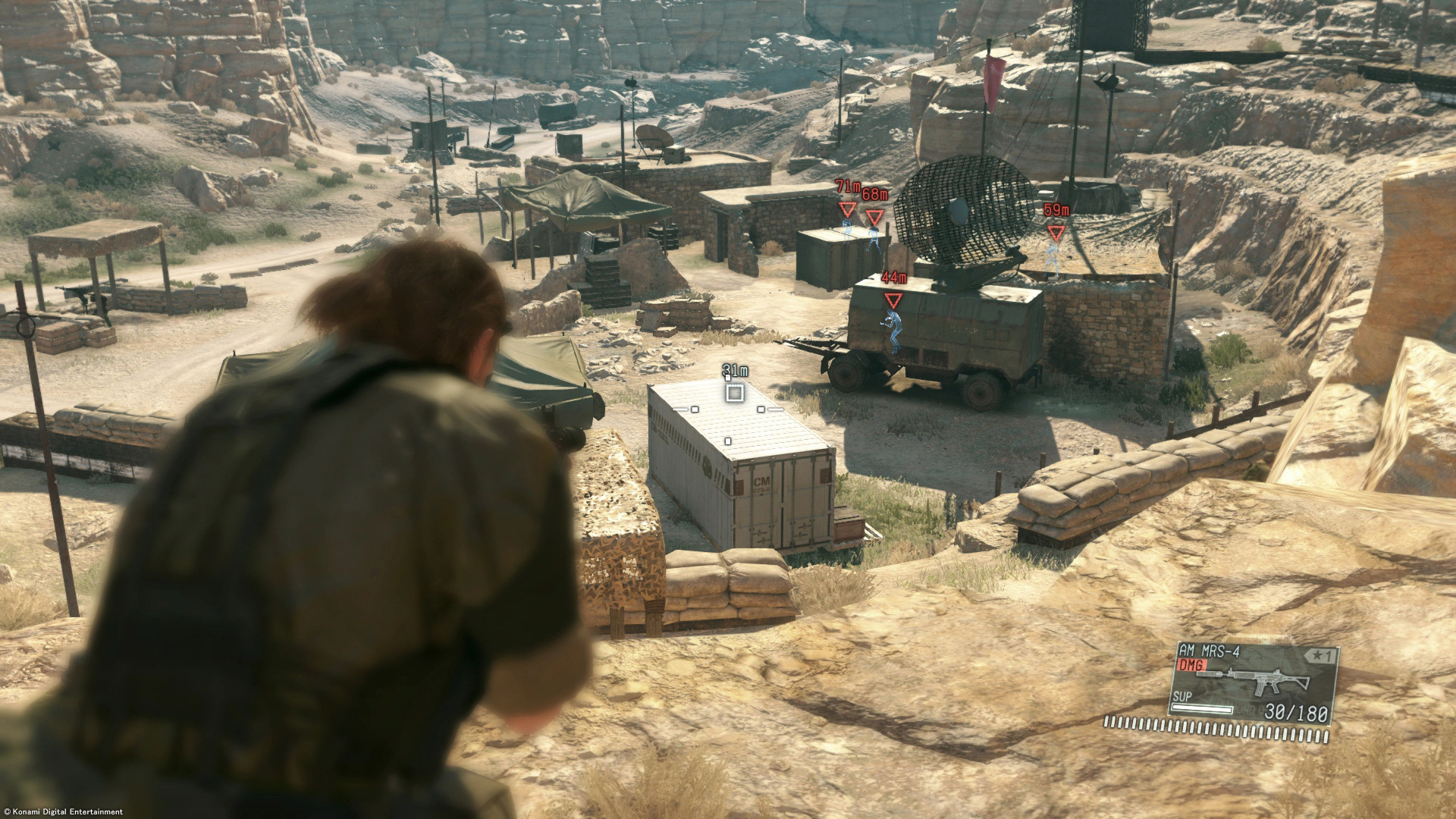
The Phantom Pain’s core gameplay revolves around player agency and emergent storytelling. The “Mama Kunoichi” system allows for dynamic enemy behavior and resource acquisition, creating unique challenges and opportunities in each playthrough. Base building and infiltration are central to the experience, offering a level of customization rarely seen in stealth games. However, this freedom also led to some criticisms regarding mission structure and pacing. Some players felt that certain story sequences were disjointed or interrupted by repetitive gameplay loops. The iDroid interface, while innovative for its time, could also be cumbersome to navigate.
Level Design and World Atmosphere
The game’s environments are vast and varied, ranging from lush jungles to war-torn urban landscapes. Each location is meticulously crafted to feel authentic and lived-in, with a strong emphasis on verticality and environmental storytelling. The open-world design encourages exploration and experimentation, allowing players to approach objectives in countless ways. However, the sheer size of the maps can also lead to moments of tedium, particularly when traversing long distances or dealing with slow traversal speeds.
Narrative Depth and Character Profiles
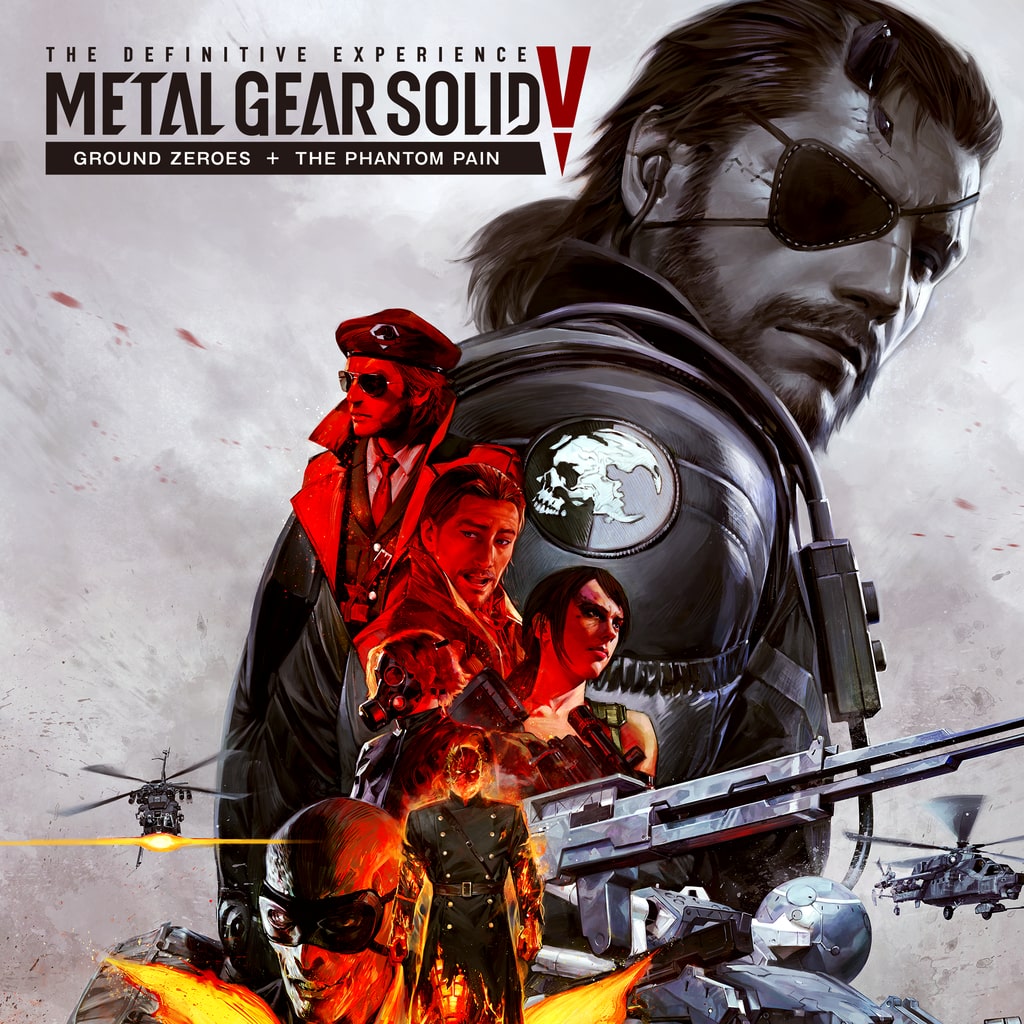
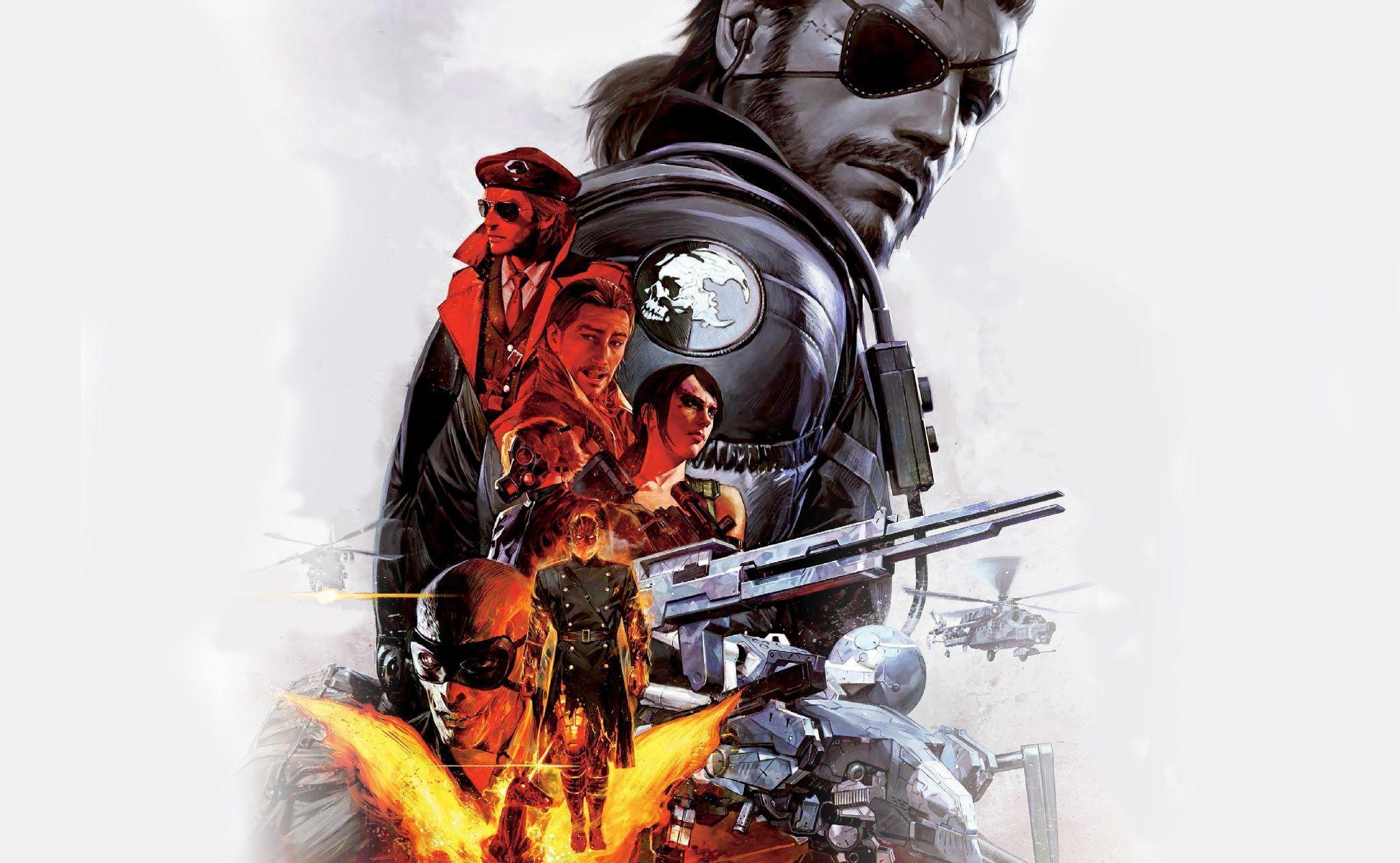
The Phantom Pain delves into complex themes of revenge, betrayal, and the psychological toll of war. Venom Snake’s journey is a compelling one, exploring his relationship with Big Boss and grappling with questions of identity and morality. The supporting cast is equally well-developed, each character possessing their own motivations and secrets. While the main story arc may not appeal to all players, the game excels at creating memorable characters and fostering emotional connections.
Sound Design and Acoustic Realism
The sound design in The Phantom Pain is exceptional, contributing significantly to the game’s immersive atmosphere. From the subtle rustling of leaves to the roar of explosions, every sound effect is meticulously crafted to create a sense of realism. The soundtrack, composed by Ludvig Forssell, perfectly complements the gameplay, ranging from haunting melodies to adrenaline-pumping battle themes. This attention to detail elevates the overall experience and reinforces the game’s gritty aesthetic.
Release Expectations and Community Hype
The Phantom Pain was one of the most anticipated games of its generation, fueled by years of speculation and cryptic teases from Hideo Kojima. The initial trailers promised a revolutionary open-world stealth experience that would redefine the genre. While the final product didn’t fully deliver on all of those promises, it still managed to capture the imagination of gamers worldwide. The game’s release was met with both excitement and controversy, as some players felt that certain design choices were detrimental to the overall experience.
Conclusion: The Future of Metal Gear Solid V: The Phantom Pain
Metal Gear Solid V: The Phantom Pain remains a fascinating and complex entry in the Metal Gear saga. Its innovative gameplay mechanics, vast open world, and compelling narrative continue to resonate with players today. While it may not be without its flaws, its influence on game design is undeniable.
The game’s legacy lies in its willingness to experiment and push the boundaries of the stealth action genre, paving the way for future titles that prioritize player freedom and emergent storytelling. Its place as a cult classic is secure, and it continues to be a source of discussion and debate within the gaming community.
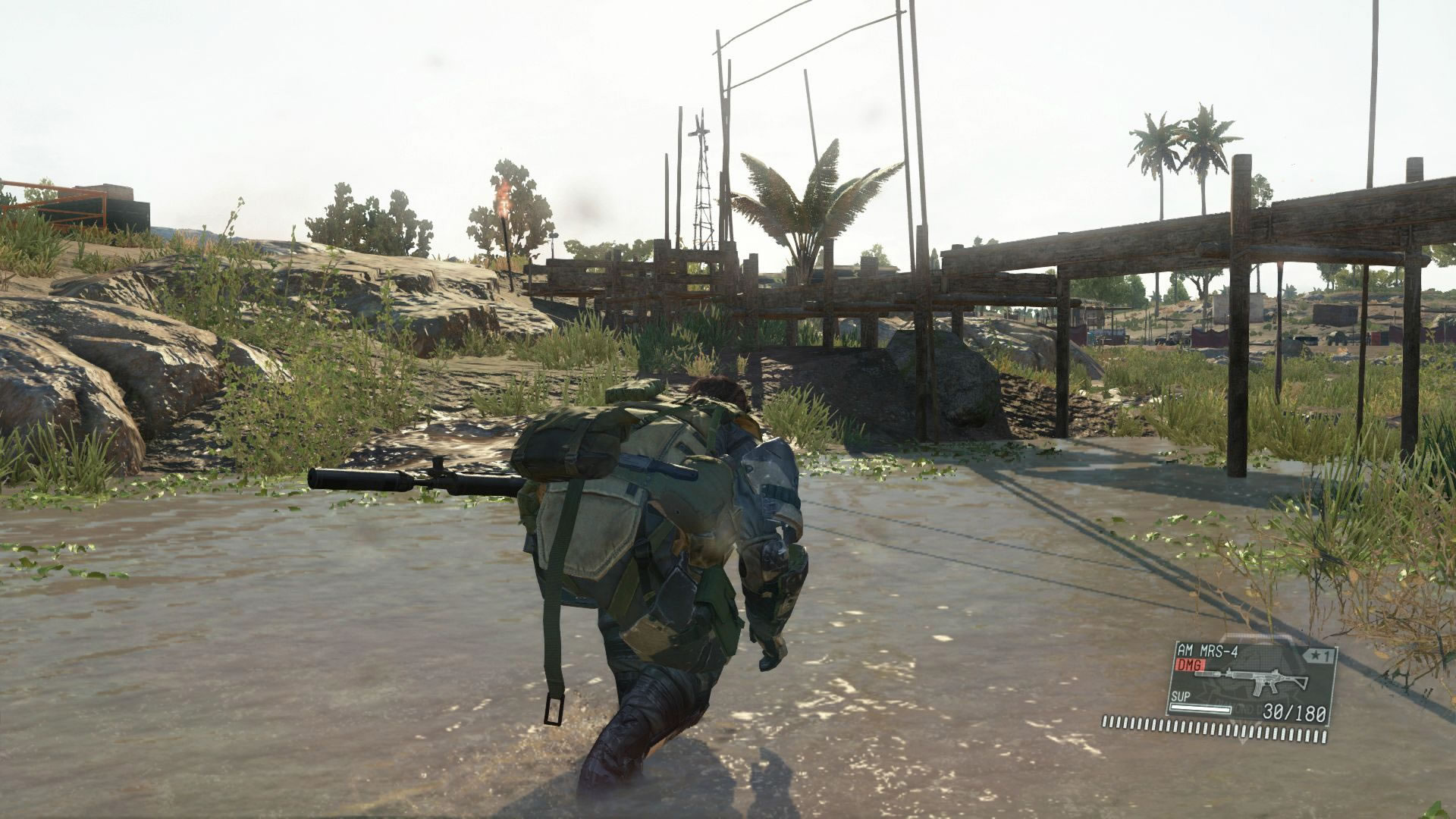
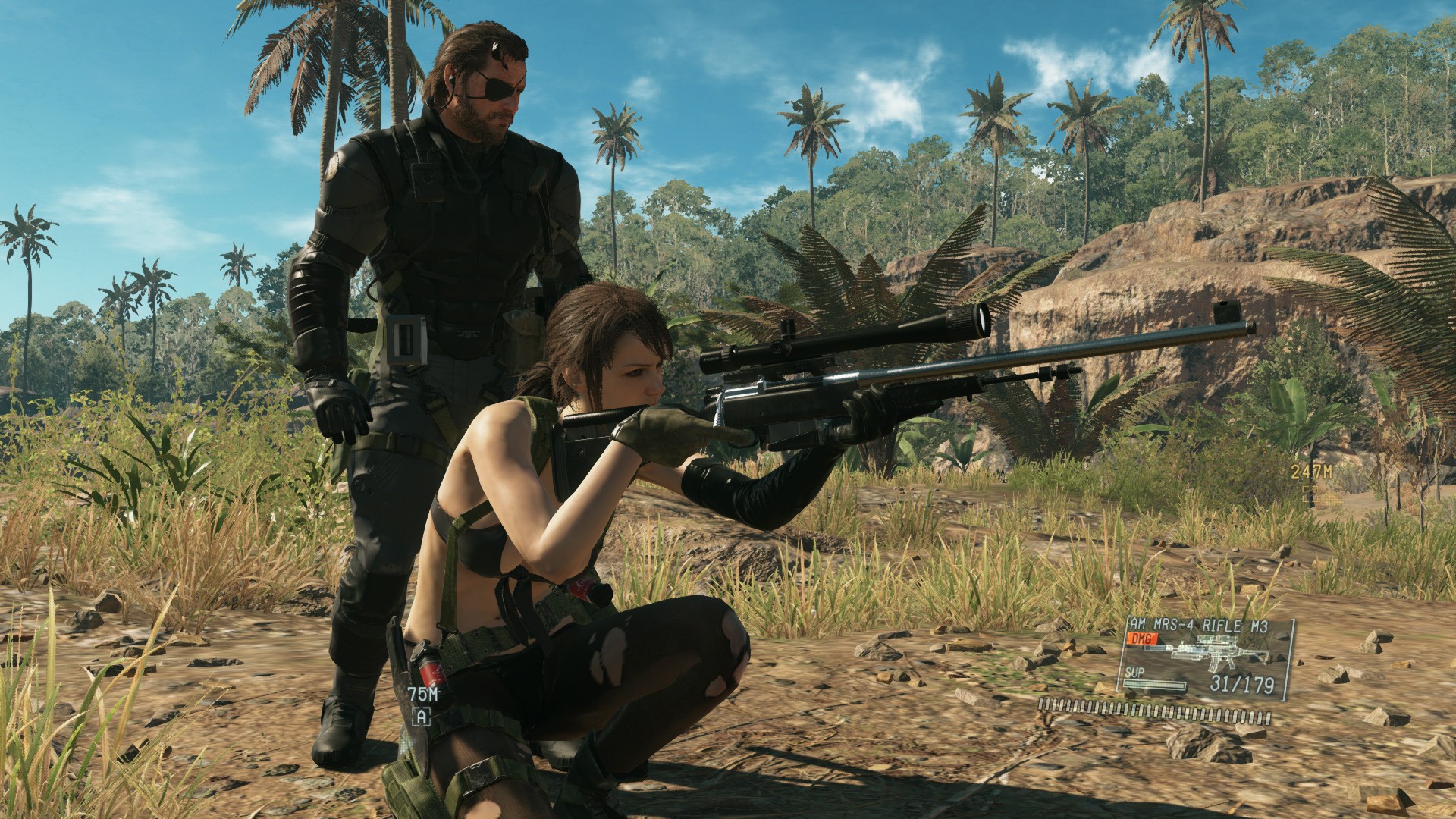
Source: Wikipedia
🏆 Official Game Awards & Accolades
OTHOther Accolades
- ★ NOMINEE: ()
- ★ NOMINEE: ()
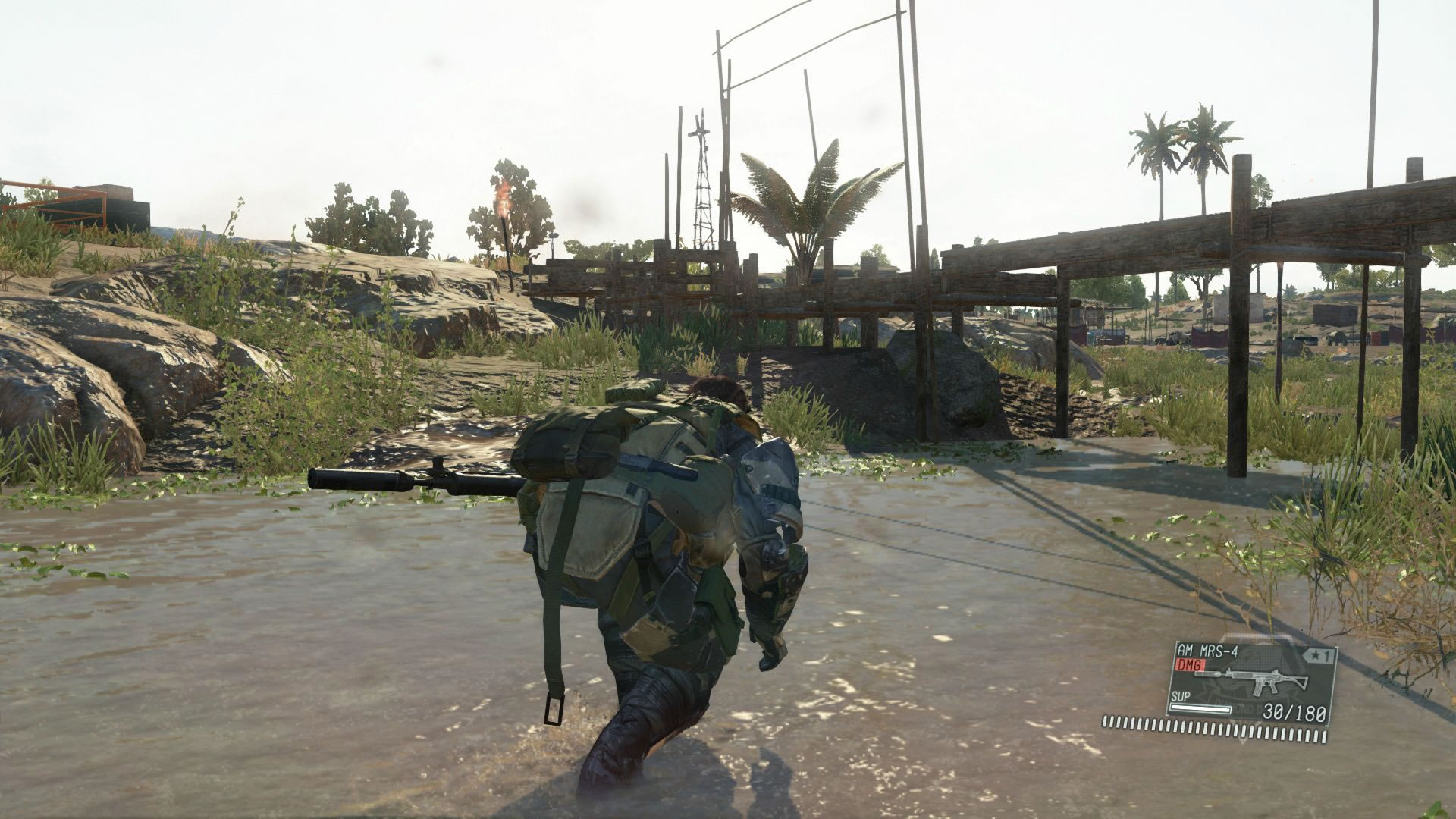
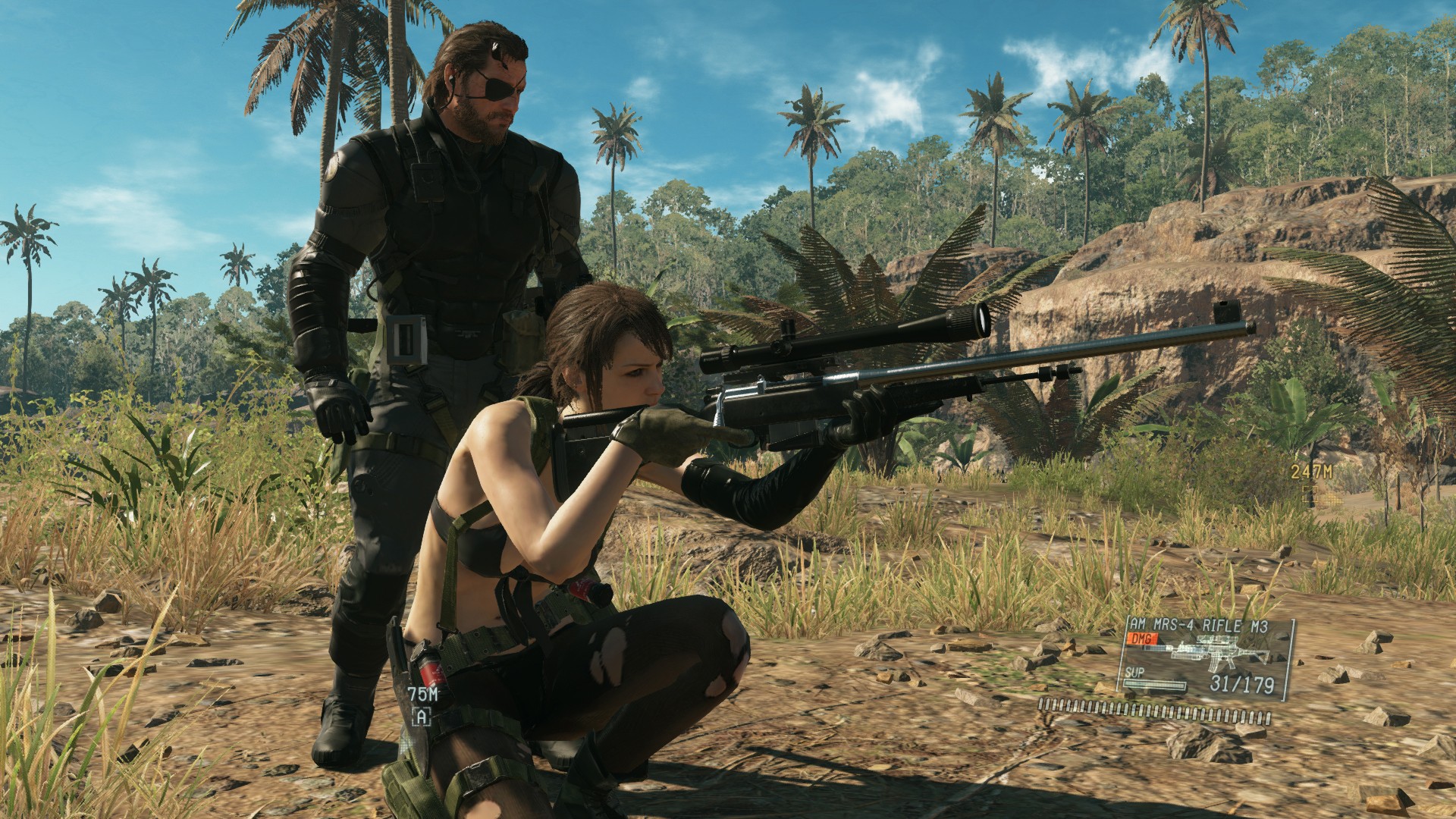









Gamer24h Editor's Take
Having closely reviewed Metal Gear Solid V: The Phantom Pain, the Gamer24h editorial team considers it one of the most noteworthy titles of recent times. Its innovative take on the Action, Adventure genre offers a breath of fresh air for fans of the category. In short, an outstanding and immersive gaming experience awaits genre fans — we highly recommend giving it a shot!