Introduction: The Next Chapter for Tom Clancy’s Rainbow Six 3: Raven Shield
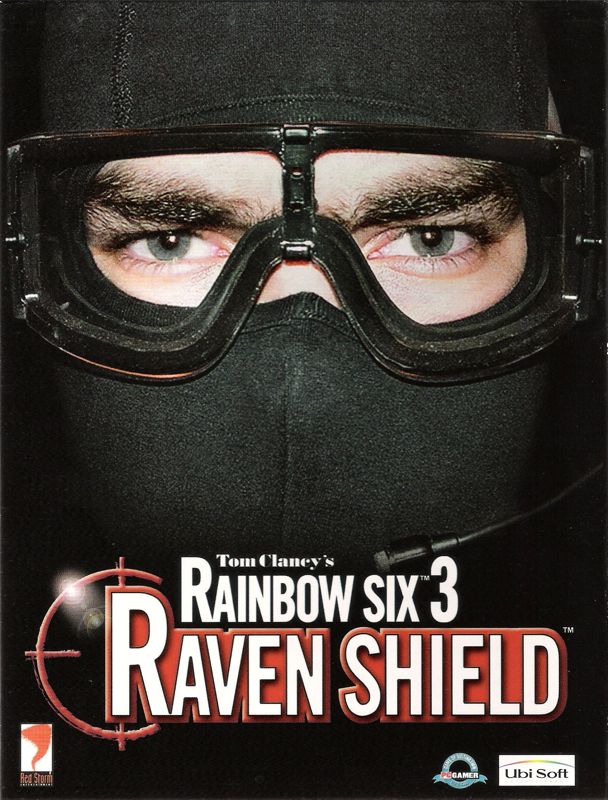
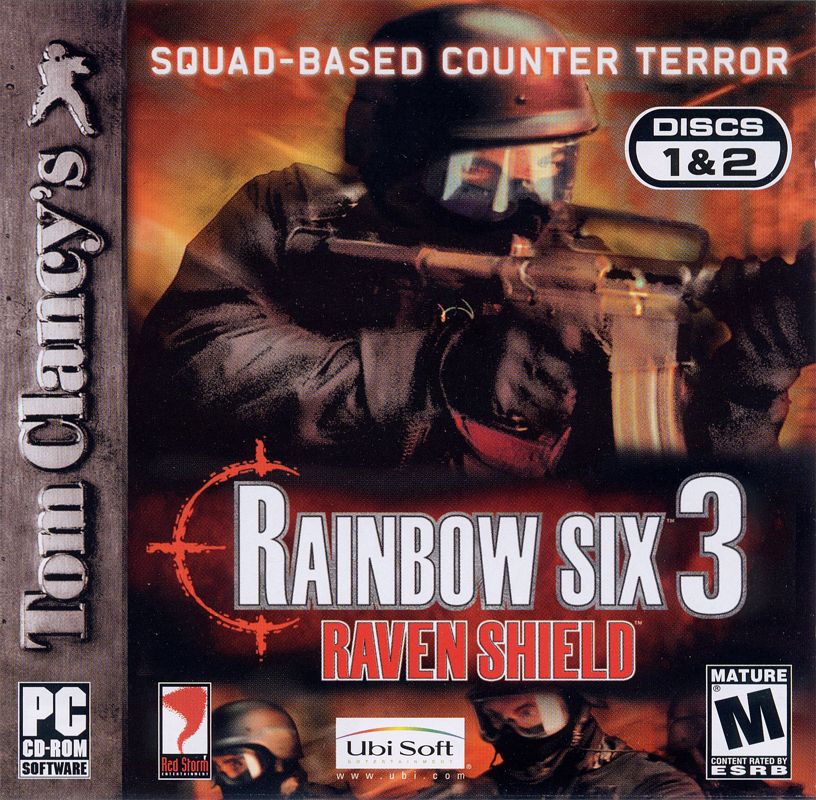
Rainbow Six has always represented the pinnacle of tactical, team-based first-person shooter experiences. With “Raven Shield,” Ubisoft aimed to redefine the franchise, building upon the foundations laid by its predecessors while introducing innovative gameplay mechanics and a gripping narrative. The anticipation surrounding this title was immense, fueled by promises of enhanced realism, deeper customization options, and a more immersive single-player campaign. This deep dive will dissect every facet of “Raven Shield,” examining what made it a critical success and how it continues to resonate with players today.
Visual Direction and Graphics Engineering
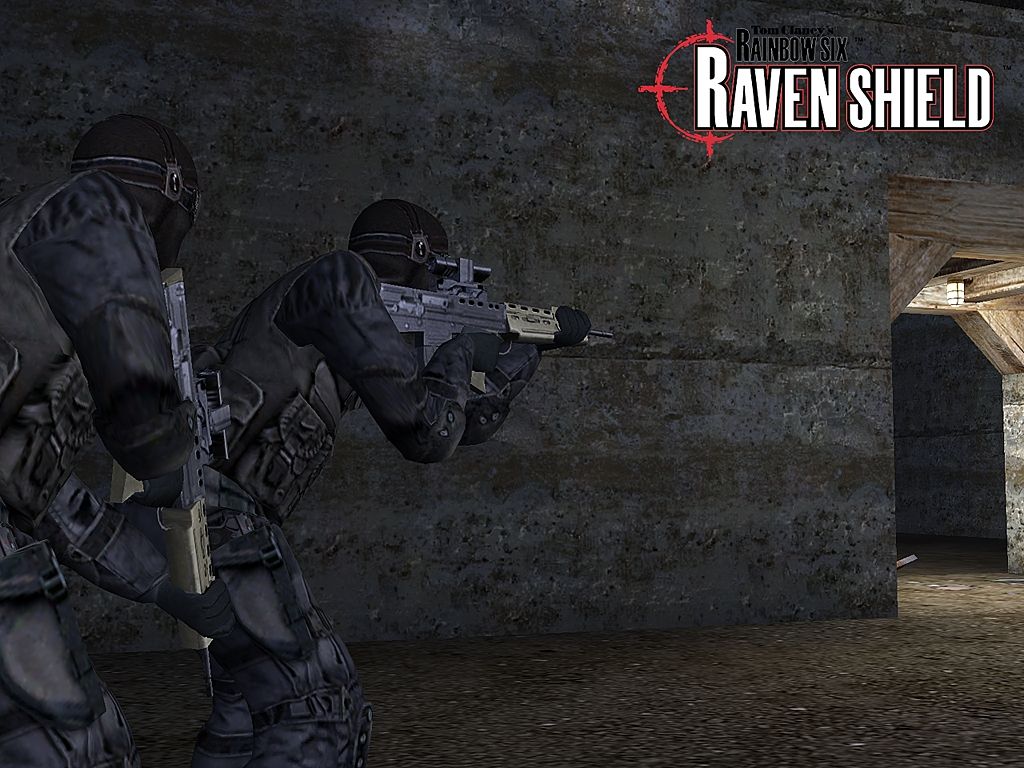
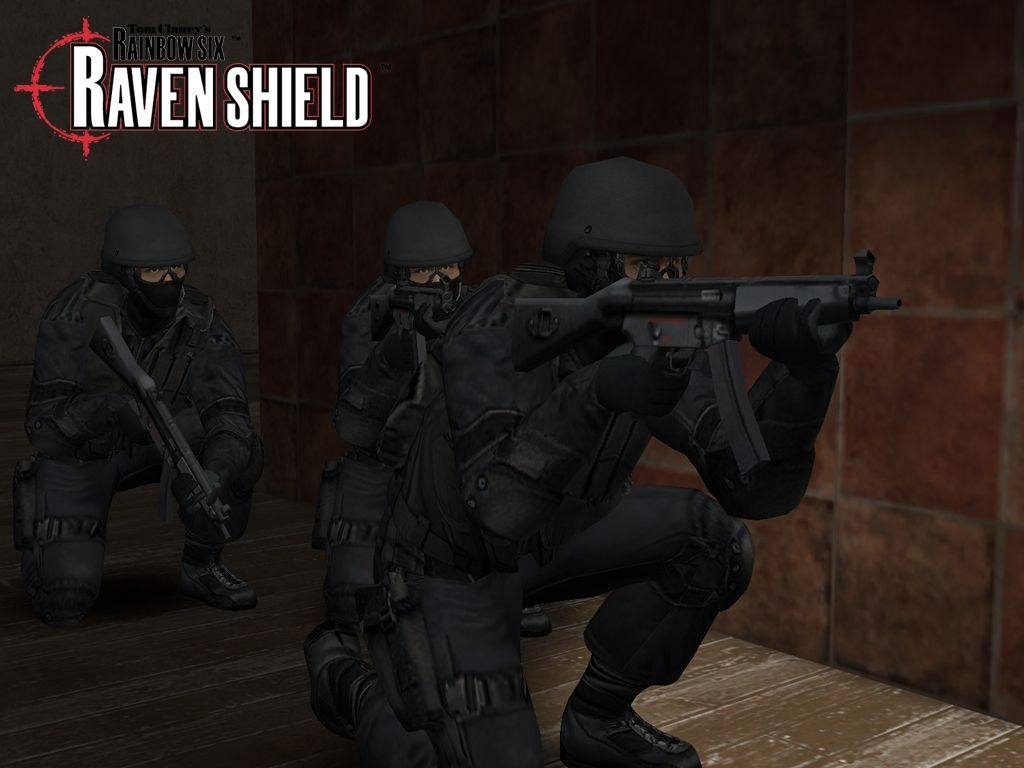
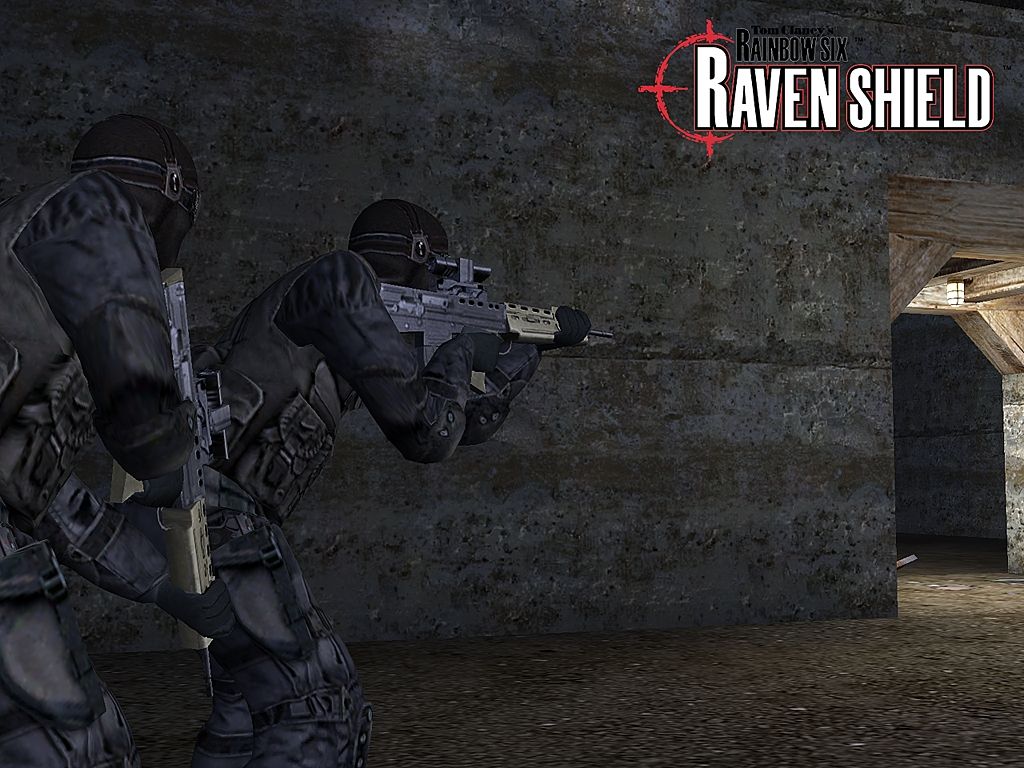
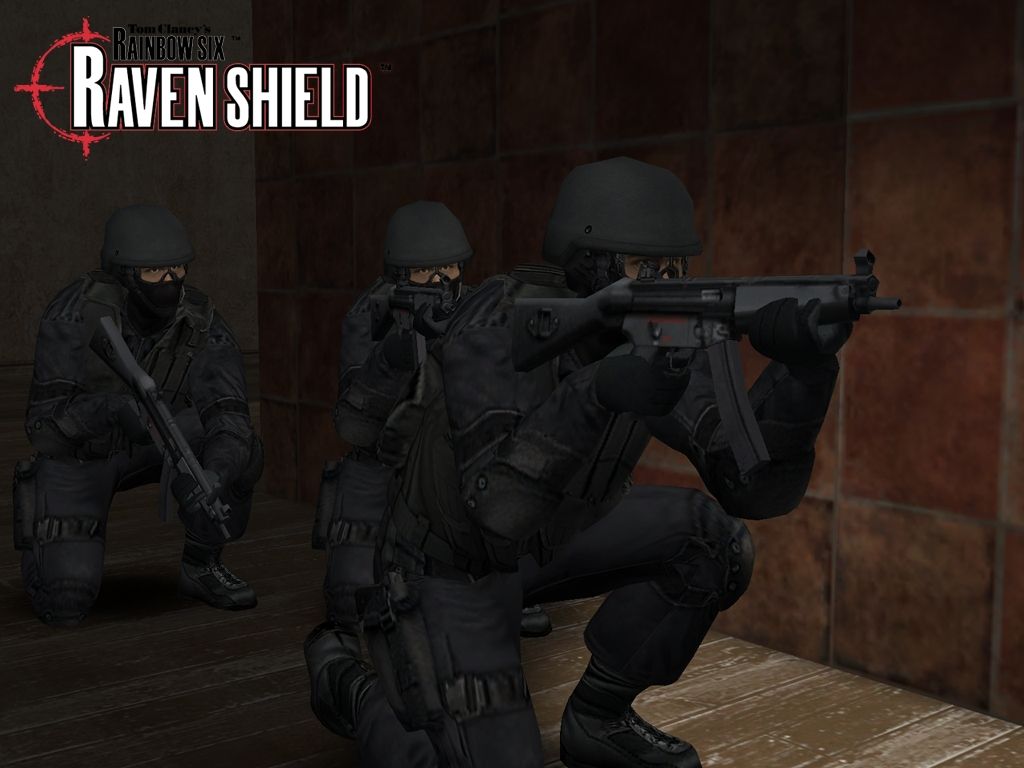
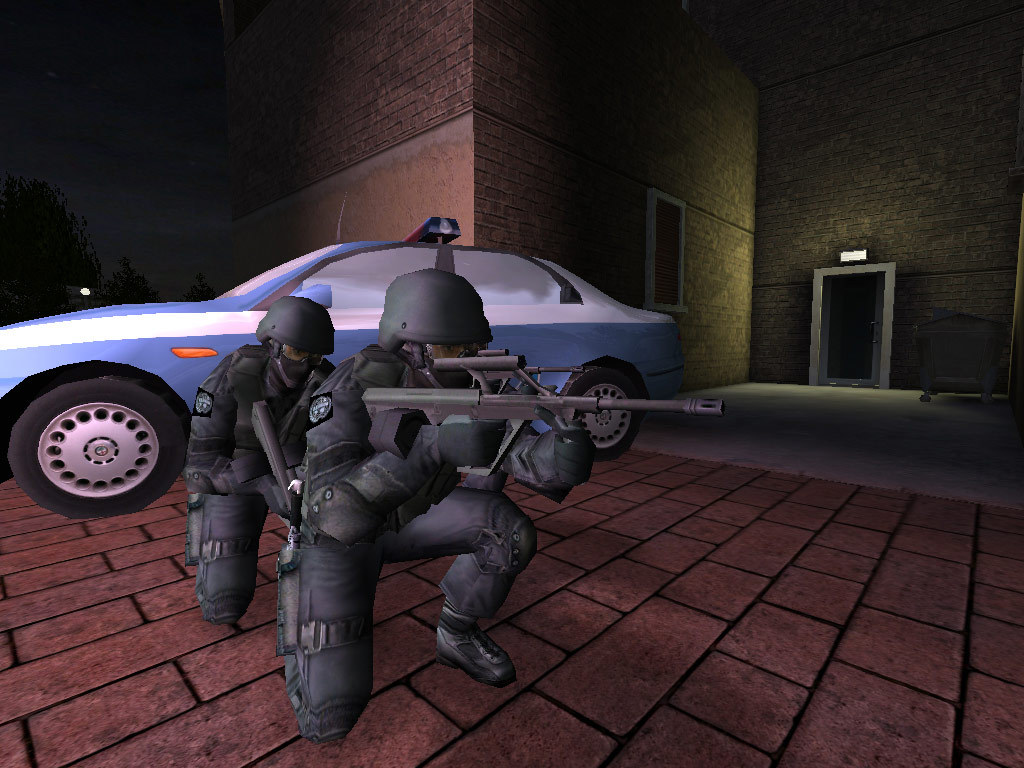
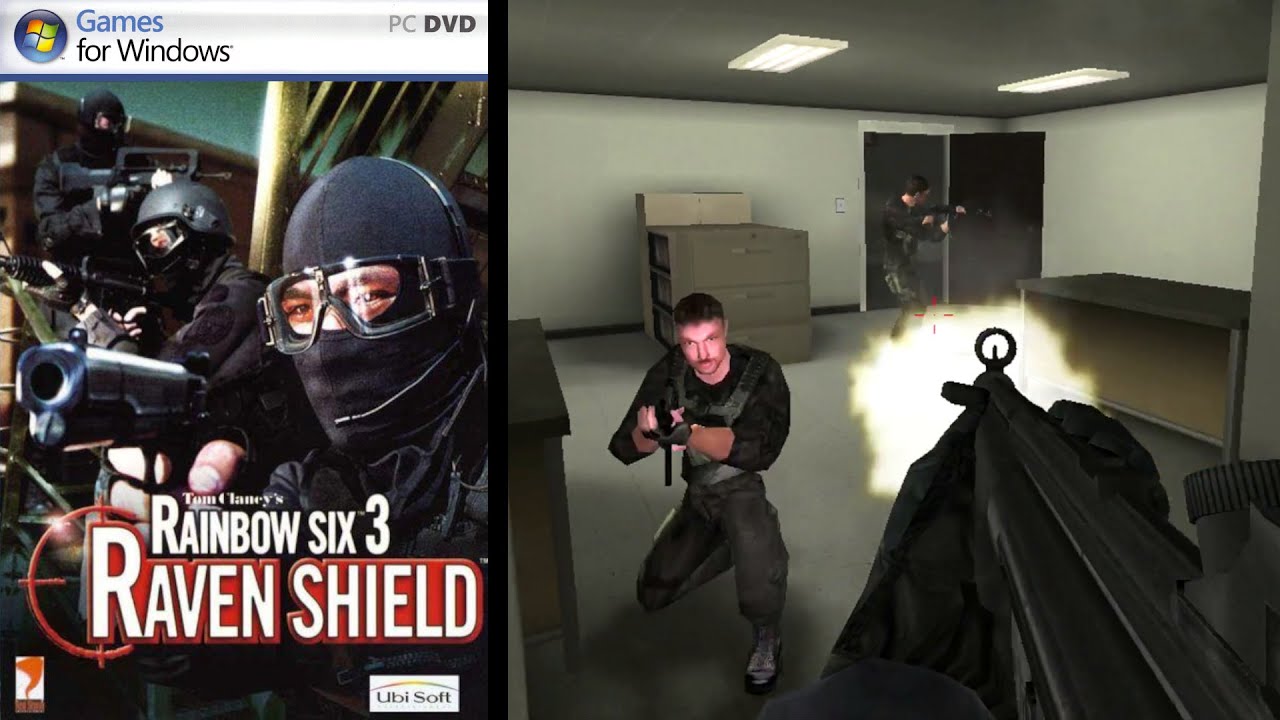
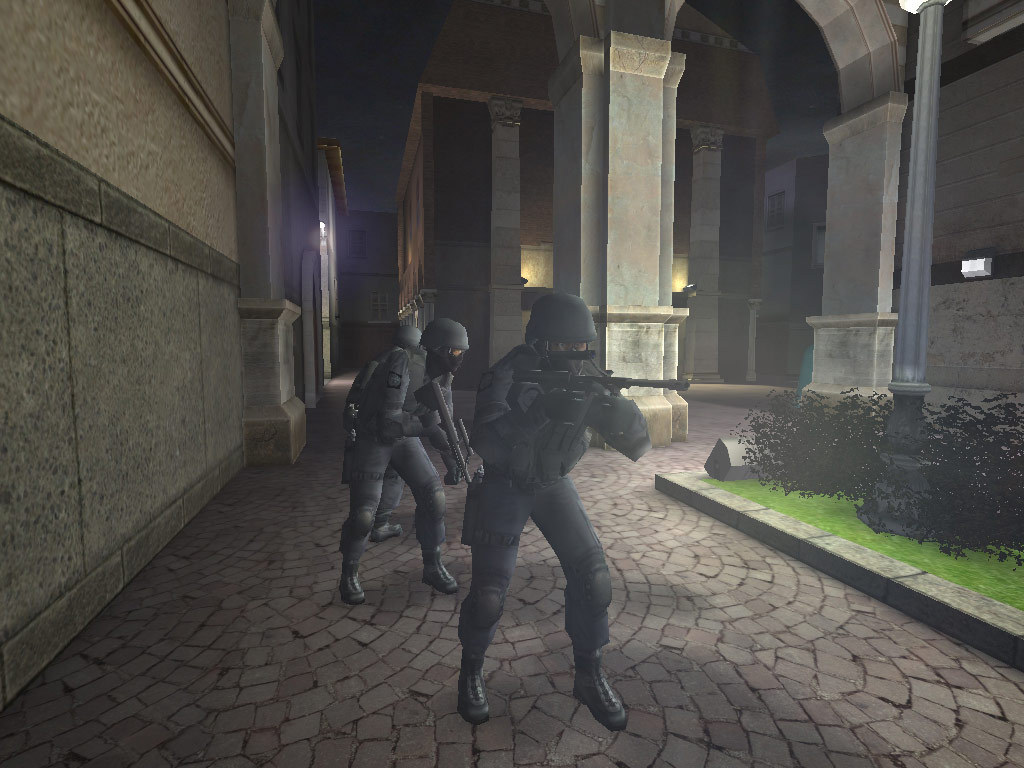
“Raven Shield” marked a significant leap in visual fidelity for the Rainbow Six franchise. The game engine, while not pushing the absolute bleeding edge of graphical capabilities at the time, delivered impressive results through meticulous attention to detail. Environments were richly textured, showcasing realistic wear and tear, and lighting effects created a palpable sense of atmosphere. Character models were highly detailed, reflecting the gritty realism that defined the game’s aesthetic. The developers leveraged advanced rendering techniques to create believable destruction physics, allowing players to breach walls and floors with satisfying visual impact. Optimization was also key; “Raven Shield” aimed for broad accessibility, ensuring a playable experience across a range of hardware configurations without sacrificing too much graphical quality.
Gameplay Mechanics and Core Systems
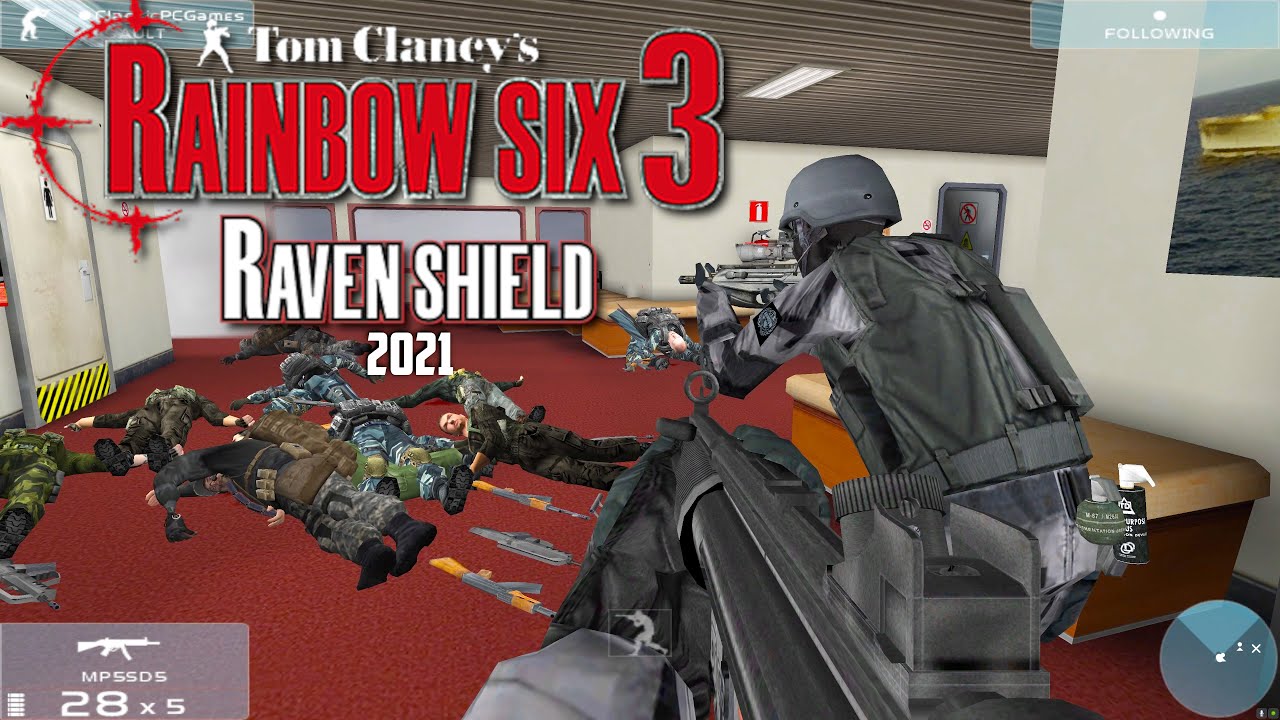
The core gameplay loop in “Raven Shield” revolved around methodical planning, precise execution, and strategic teamwork. Players could meticulously plan their approach to each objective, utilizing breaching charges, lockpicks, and various gadgets to gain an advantage. The game emphasized realistic weapon handling, with recoil patterns that demanded careful control and accuracy. A robust operator customization system allowed players to tailor their loadouts to suit different playstyles and mission requirements. The AI was designed to be challenging but fair, providing a credible threat without feeling cheap or exploitable. This focus on realism and tactical depth set “Raven Shield” apart from more arcade-style shooters.
Level Design and World Atmosphere
The level design in “Raven Shield” played a crucial role in creating an immersive and engaging experience. Each map was carefully crafted to provide multiple entry points, flanking routes, and opportunities for strategic maneuvering. The environments ranged from claustrophobic urban settings to sprawling industrial complexes, each with its own unique atmosphere and challenges. Sound cues were also integrated into the level design, providing players with valuable information about enemy positions and potential threats. This attention to detail created a sense of tension and realism that kept players on edge throughout their missions.
Narrative Depth and Character Profiles
While tactical gameplay was paramount, “Raven Shield” also delivered a compelling narrative experience. The story followed a new team of Rainbow operatives as they investigated a series of terrorist attacks orchestrated by a shadowy organization known as the Outcasts. The game featured a diverse cast of characters, each with their own unique personalities and backstories. Dialogue sequences were well-written and helped to flesh out the world and its inhabitants. While not a sprawling epic, the narrative provided a solid foundation for the gameplay and added another layer of immersion.
Sound Design and Acoustic Realism
The sound design in “Raven Shield” was exceptional, contributing significantly to the game’s overall sense of realism. Weapon sounds were meticulously recorded to accurately reflect their real-world counterparts. Environmental audio cues, such as creaking floors and distant gunfire, provided valuable information about enemy positions. The use of directional audio allowed players to pinpoint the source of sounds with remarkable accuracy. This attention to detail created a truly immersive soundscape that heightened the tension and excitement of gameplay.
Release Expectations and Community Hype
Prior to its release, “Raven Shield” generated considerable hype within the gaming community. Trailers and previews showcased the game’s improved graphics, enhanced gameplay mechanics, and compelling narrative. The promise of a more realistic and tactical Rainbow Six experience resonated with fans who had been eagerly awaiting a new installment in the franchise. However, some concerns were raised about the game’s single-player campaign, which was perceived by some as being too short or lacking depth. Despite these reservations, “Raven Shield” ultimately delivered on its promises and became a critical success.
Conclusion: The Future of Tom Clancy’s Rainbow Six 3: Raven Shield
“Tom Clancy’s Rainbow Six 3: Raven Shield” represents a significant milestone in the franchise’s history. It successfully built upon the foundations laid by its predecessors while introducing innovative gameplay mechanics and a more immersive single-player campaign. While not without its flaws, “Raven Shield” remains a beloved title among fans of tactical shooters. Its legacy continues to influence game design today, and its impact on the genre is undeniable. The future of Rainbow Six has evolved significantly since then, but “Raven Shield” will always be remembered as a pivotal moment in the franchise’s evolution.
Source: Wikipedia
🏆 Official Game Awards & Accolades
OTHOther Accolades
- ★ NOMINEE: ()
- ★ NOMINEE: ()





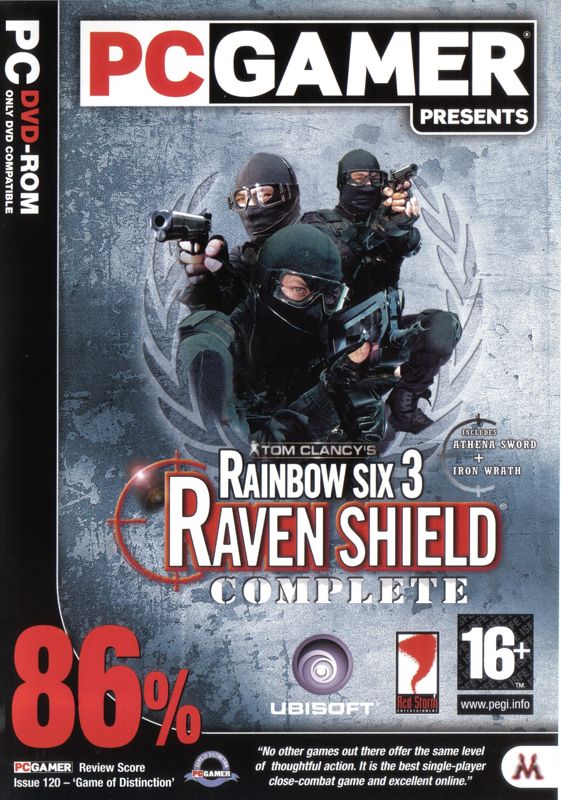

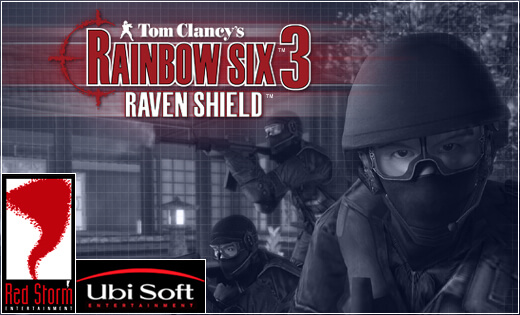
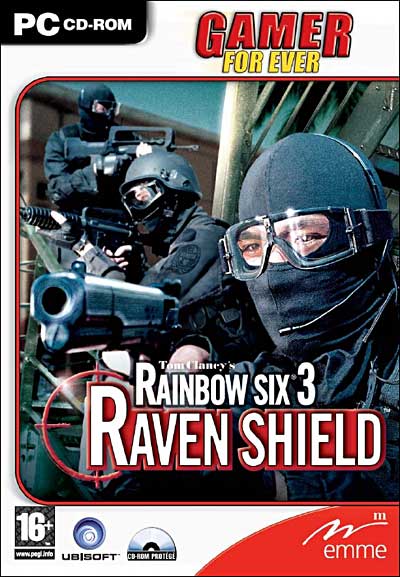
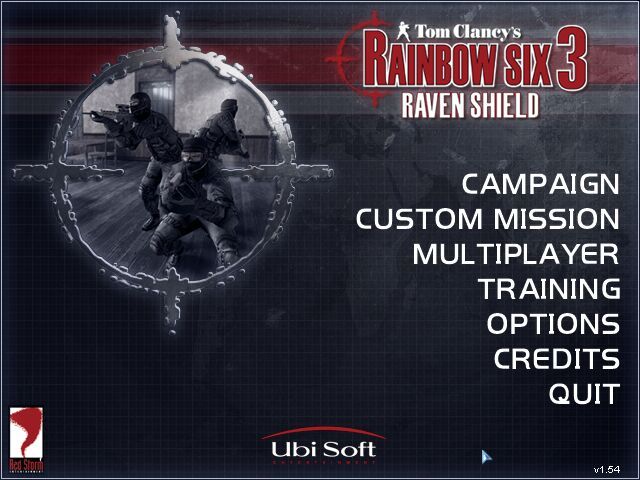
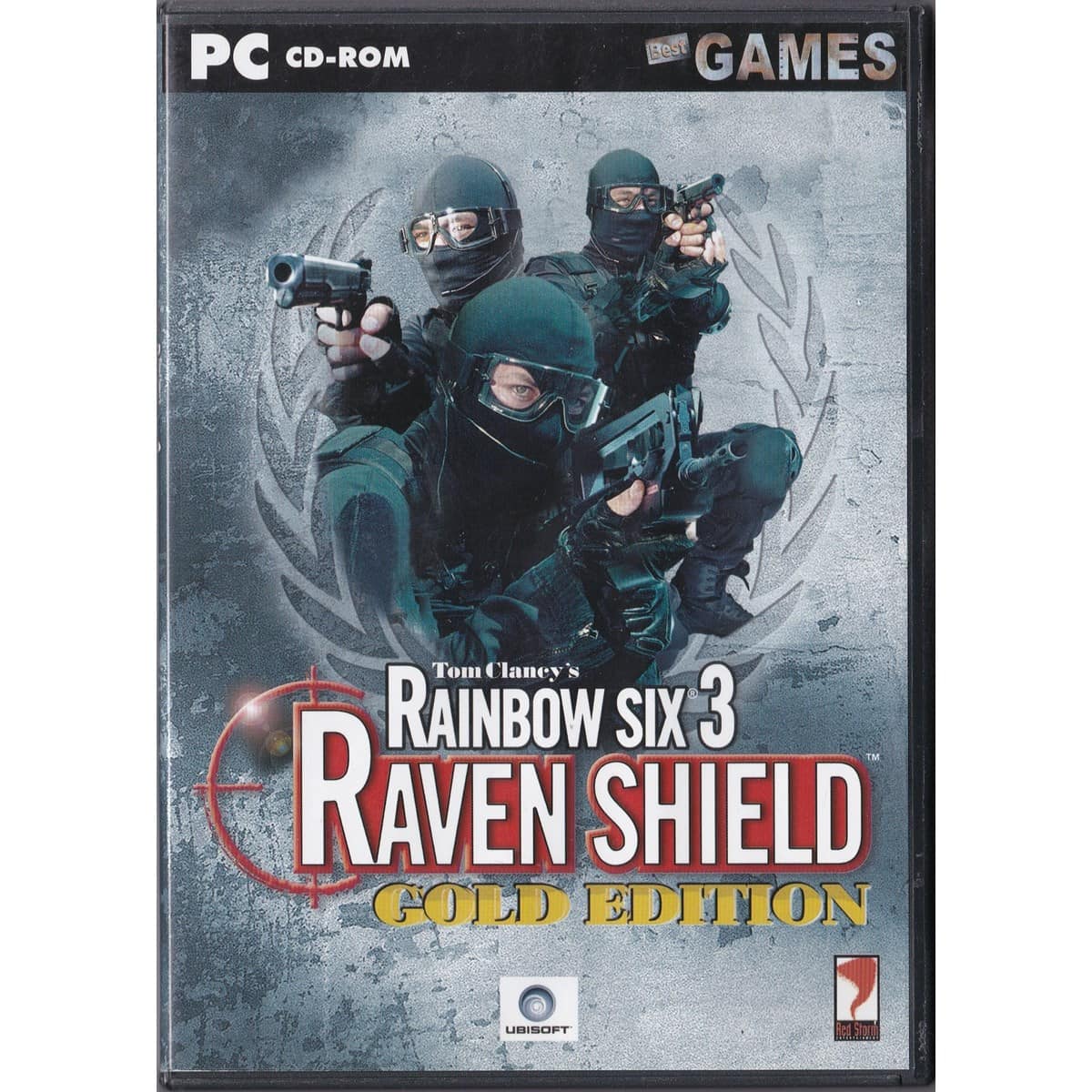



Gamer24h Editor's Take
Having closely reviewed Tom Clancy’s Rainbow Six 3: Raven Shield, the Gamer24h editorial team considers it one of the most noteworthy titles of recent times. Its innovative take on the Action, Adventure genre offers a breath of fresh air for fans of the category. If you're looking for an absorbing world and satisfying mechanics that pull you right in, this game might be exactly what you've been searching for.