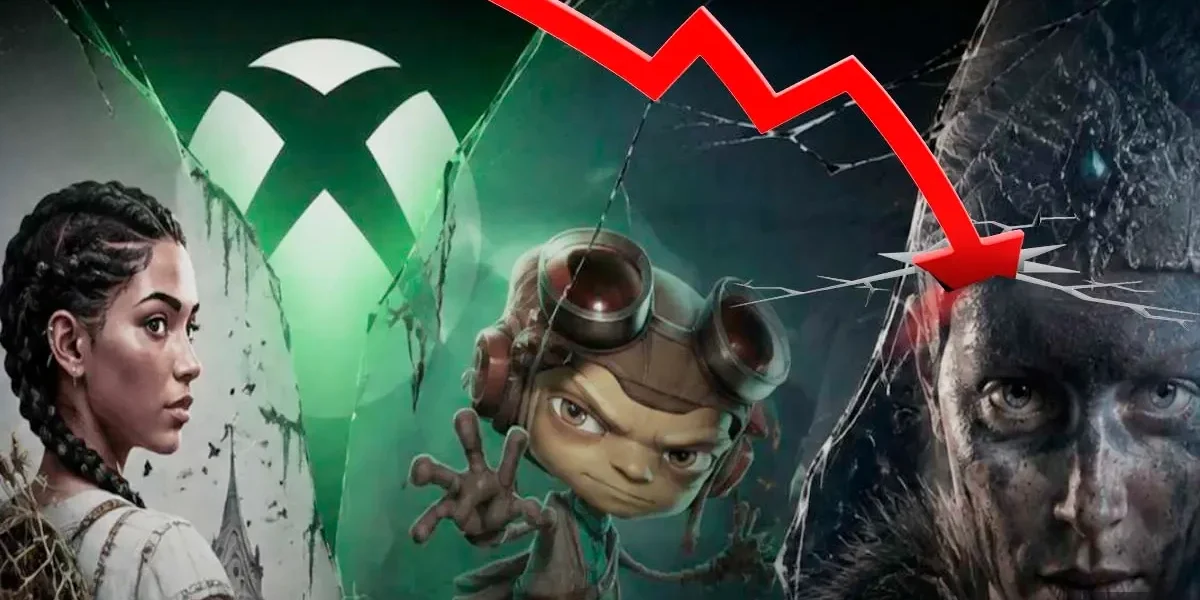
Microsoft’s Xbox division is currently navigating one of the most startling crises in its history, a scenario that threatens the future of several of its most talented development studios while exposing deep flaws in corporate communication and strategic planning.
In a shocking turn of events, the company has announced its intention to shutter the British studio Ninja Theory—renowned for its work on the Hellblade series—while forcing respected titles such as Compulsion Games and Double Fine to seek external buyers. This decision follows a recent celebration of Ninja Theory’s new Hellblade title, during which the parent company quietly revealed its plan to close the studio, leaving the community stunned and the industry on edge.
The fallout is grim: studios that once faithfully delivered artistic, exclusive titles for Game Pass are now facing forced closures or being sidelined entirely. Microsoft’s sudden pivot—demanding immediate multimillion-dollar profits to offset massive expenditures like the Activision acquisition and an intensified focus on artificial intelligence—has devastated employee morale and spurred a widespread push for autonomy before it’s too late.
To grasp the roots of this turmoil, one must look back at the era when Microsoft acquired studios en masse, promising developers a clear and attractive vision. Investigative journalist Jason Schreier uncovered that newly acquired teams were explicitly told to set aside traditional sales models and concentrate on quality, receiving transparent directives aimed at fostering creative freedom to enrich the ecosystem. As a source revealed, “The message was: make great games, help us fill Game Pass, aim for awards. Of course, don’t lose money, stay lean, but this isn’t a profit‑driven play. Game Pass is the North Star.”
Under the visionary leadership of Asha Sharma and Matt‑Booty, Xbox once championed prestige over immediate profit, aiming to flood its subscription service with distinctive, artistically rich titles. This strategy birthed beloved projects such as Psychonauts 2 and South of Midnight, proving that the console’s true value lay in delighting and retaining users rather than chasing blockbuster sales.
However, the landscape shifted dramatically in 2023 when senior executives observed a perilous plateau in Game Pass growth. This financial reality coincided with the colossal outlay to acquire Activision Blizzard and a corporate pivot toward artificial‑intelligence initiatives, placing Xbox under a stricter audit and eroding the long‑held promise of creative freedom overnight.
Internal sources explain the seismic change, noting that “everything suddenly became about profitability… we want to see a higher return on the massive investment we made in Xbox.” This new mandate to squeeze every dollar out of projects created chaos, leaving development teams mid‑stream with games conceived under an old artistic mandate but now judged by sales metrics.
Consequently, creators who followed the original vision are now reaping the consequences of a directionless strategy, fostering a climate of despair in studios. It is paradoxical that renowned developers face existential threats simply because their titles did not become instant best‑sellers, ignoring the fact that they were designed to enrich a subscription platform rather than dominate traditional retail charts.
An alarming disconnect has shattered employee confidence, plunging morale into an abyss as teams watch their job security teeter on a knife’s edge. In response, several groups are urgently seeking external investors to carve out independence, aiming to break free from a financial trap that rewards compliance with swift dismissal. This stark episode underscores how a lack of coherent leadership can dismantle the very foundations of an organization.
❓ Frequently Asked Questions (FAQ)
Why did Microsoft decide to shut down Ninja Theory and push other studios to find new buyers?
Microsoft cited a need to increase immediate profitability to offset large expenditures such as the Activision acquisition and a strategic pivot toward artificial intelligence. The company believes that reducing the number of studios under its umbrella will streamline costs and focus resources on high‑margin projects, even though this approach has shaken developer confidence.
How will the closure of Ninja Theory affect the future of the Hellblade series?
With Ninja Theory shut down, the Hellblade franchise will likely be transferred to another studio or managed internally by Microsoft. The transition could delay future releases and alter the creative direction, potentially impacting the series’ fan base and its position within Game Pass.
What impact does this move have on Microsoft’s Game Pass ecosystem and the broader gaming industry?
The abrupt studio closures signal a shift toward a more profit‑driven model for Game Pass, which may erode trust among developers and reduce the diversity of exclusive titles. This could lead to a more homogenized library, affect subscription growth, and prompt other publishers to reconsider their own studio‑acquisition strategies.
News Source: Tarreo





Comments
Be the first to comment.