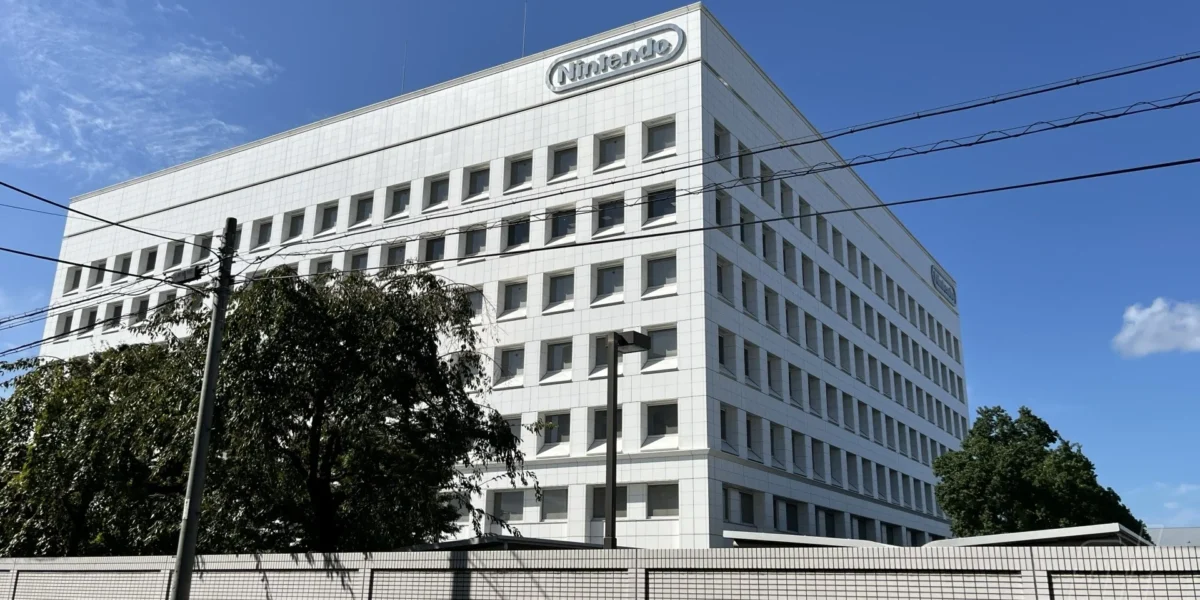
Rumors of a data breach involving Nintendo have surfaced, allegedly orchestrated by the hacking collective ShadowByt3$.
According to Technadu, citing Nintendo Everything, the suspected intrusion took place on June 13, and the group has issued a deadline of June 15 for Nintendo to respond.
ShadowByt3$ asserts that it has extracted 859 MB of internal information, encompassing full employee names, bank statements, personnel IDs, internal reports, analytics, and additional sensitive data.
The attackers claim the data was harvested through TINYpulse, a WebMD Health Services HR platform employed by Nintendo to boost employee engagement and organizational culture. Targeting a third‑party service rather than the company’s own infrastructure is a familiar strategy among ransomware outfits.
In a developing story that could shake the industry, a fresh leak has surfaced—though it pales in scale compared to the monumental “teraleak” that rattled The Pokémon Company in 2024 or the earlier “gigaleak.” Even so, the contents of this smaller breach are highly sensitive, and should the information prove authentic, it would represent a grave security failure for Nintendo.
We have reached out to Nintendo for an official response and will keep you informed as new details emerge.
❓ Frequently Asked Questions (FAQ)
What is the main claim made by the hacking group ShadowByt3$ regarding Nintendo?
ShadowByt3$ claims it has stolen 859 MB of internal data from Nintendo, including employee names, bank statements, personnel IDs, internal reports, analytics, and other sensitive information, and is demanding a $2 million ransom.
How did the attackers allegedly gain access to Nintendo's data?
The group says it exploited the TINYpulse HR platform, a third‑party service used by Nintendo to boost employee engagement, rather than targeting Nintendo’s own infrastructure.
What are the potential consequences for Nintendo if this breach is confirmed?
If verified, the breach could expose employees to financial and reputational risk, prompt stricter oversight of third‑party vendors in the gaming industry, and represent a significant security failure for Nintendo.
News Source: Nintendo Life






Comments
Be the first to comment.