

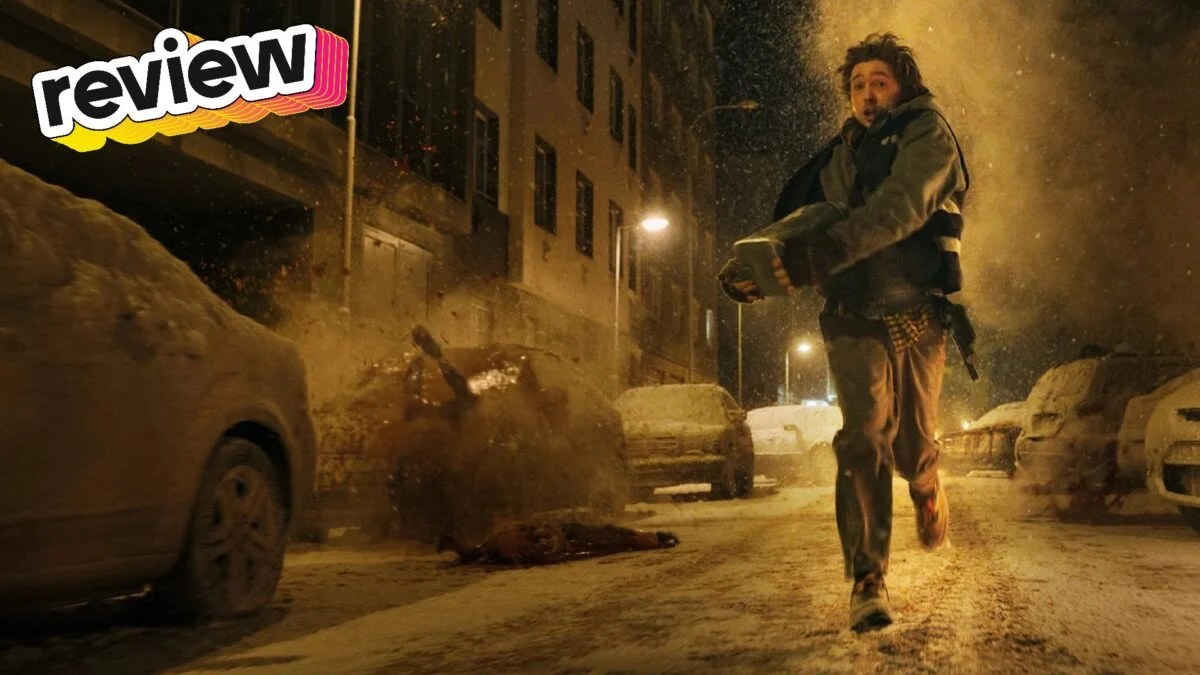
Reviewing Zach Cregger’s new movie, critics are finding that the film abandons traditional adaptation in favor of an absurdist comedy that channels the emotional experience of playing Capcom’s survival horror games rather than recreating their plot. Released this week to a polarized reception, the picture reimagines Raccoon City as the setting for a 95-minute spoof that leans heavily into slapstick humor while borrowing the visual aesthetics of the video game franchise.
The film follows Bryan (Austin Abrams), a medical courier transporting cooled organs to hospitals around Raccoon City. What begins as an ordinary stressful night transforms when he is contracted to deliver a mysterious high-priority package tied to the origin point of outbreak, one of the most infamous events in the series’ history.
A Courier’s Worst Night
The opening sequences establish Bryan as an overwhelmed everyman juggling professional obligations and personal relationships. While driving into the heart of Raccoon City, he attempts to discuss his future with girlfriend Michelle over an unstable phone connection. His distraction leads him to strike a woman wandering into the road, though she turns out to be infected rather than seriously injured.
This early sequence establishes the film’s comedic tone as Bryan struggles to maintain composure while driving alongside his increasingly aggressive passenger. The audience recognizes the infection immediately, but Bryan remains oblivious, generating humor from his desperate attempts at normalcy before being pulled over by police.
The Evil Dead Influence
Rather than embracing the campy soap opera tendencies that have defined some franchise entries, Cregger opts for a -like absurdism. Bryan is deliberately incompetent with firearms and survival equipment, ensuring viewers do not watch a nearly invincible hero dispatching monsters for ninety minutes.
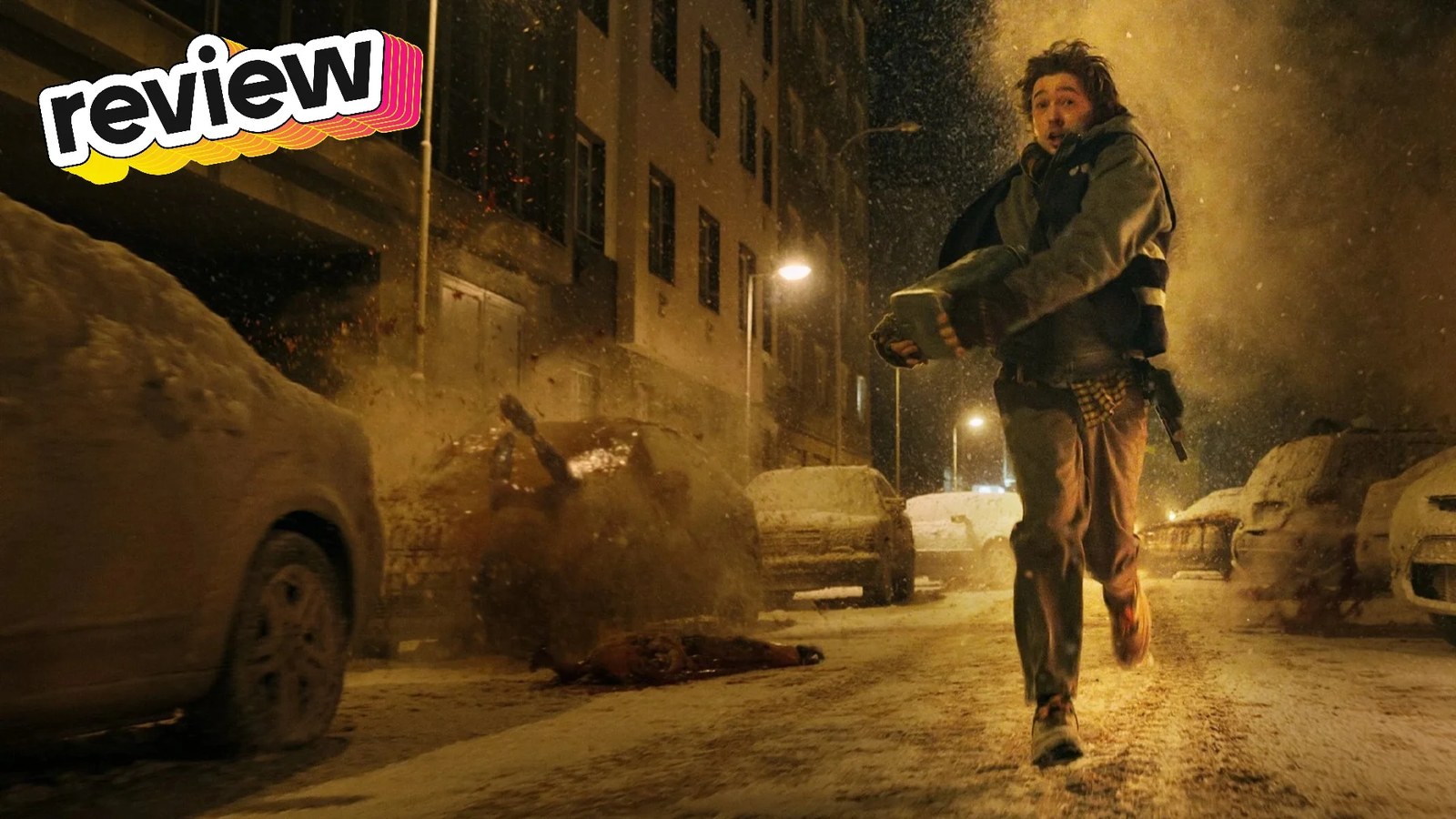
Instead, the film runs an hour-and-a-half of Abrams delivering authentic horror protagonist reactions as he confronts nightmares beyond his comprehension. He swears, stammers, and sprints from threats until his legs can carry him no further, treating himself like a cartoon character who somehow emerges unscathed.
The movie works best when viewed as a 95-minute spoof with a few gross-out moments and an occasional scare than as an attempt to faithfully adapt the franchise’s typical story beats. It captures the spirit of the games not through the specifics of its world or by dropping needless cameos into the mix, but in trying to channel the experience of being a big ol’ scaredy-cat trying to maintain some semblance of composure when the nastiest monstrosity is running toward you.
Kotaku Review
A Meta Adaptation
The film’s central conceit reframes what it means to adapt a video game. Rather than recreating specific plot points, the picture attempts to replicate the psychological experience of playing horror games: buying into the embarrassing premise of being preyed upon by unknowable monsters that cannot actually hurt you while laughing off the fear.
This approach explains why criticism emerged from some quarters. Entering a Resident Evil movie expecting genuine terror, viewers instead encounter something that rarely takes itself seriously enough to qualify as truly frightening. The creatures surpass some horrors seen in recent games, yet the film’s inability to sustain tension beyond brief moments allows absurdity to dominate.

Bryan essentially feels transported into the franchise’s universe through his complete inability to play the horror straight. Whether this works depends entirely on individual tolerance for intentional self-scaring, with the picture succeeding most when audiences stop judging it as an adaptation answering to series purists.
Fans and Critics Divide
The film’s tonal choices have split both critics and fans along predictable lines. Early reviews praised Cregger’s as a clever homage that avoids getting bogged down in source material details, with some calling it an example of how movies and video games can merge to strengthen each other.
However, others questioned whether the director moved too far beyond established canon. One critic noted that the film could be renamed into anything else while making equally much sense, suggesting its connection to the franchise exists more in spirit than substance.
The Director’s Response
Cregger has addressed the controversy surrounding the film’s humor, revealing he removed numerous jokes after test audiences found the original cut too funny. The
director stated that he actually liked the movie more after following this feedback, adding that he does not miss a single joke eliminated from the final version.
The director has also described feeling as though he has been on an apology tour regarding fan reactions, insisting the film will speak for itself. This comment follows broader discussions about how Western studios approach game development, with one former Capcom staffer criticizing competitor companies for spending excessive time on project management tools like Jira rather than focusing on creative priorities.
As conversation continues around the film’s legacy within the franchise, Resident Evil stands as a bold experiment in transmedia storytelling. Whether audiences embrace its absurdist vision or reject it as insufficiently faithful remains to be seen, but few will dispute that Cregger has created something entirely his own rather than another straightforward horror adaptation.























1 comment