Valve’s ambitious 2026 hardware lineup—the Steam Machine, Steam Frame VR headset, and refreshed Steam Controller—has now reached consumers worldwide, yet soaring component costs across the entire gaming industry are severely limiting their immediate appeal. While the gadgets themselves remain impressive engineering achievements, escalating prices for everything from handheld chips to high-end graphics cards have created a significant barrier to adoption, even as Valve’s underlying mission of expanding SteamOS support offers genuine hope for the future of PC gaming.
The core problem is not unique to Valve. Across the industry, acquiring hardware capable of running modern video games has become substantially more expensive than it was just a year ago, and these inflated costs have diminished the impact of otherwise compelling devices. For many potential buyers, the combination of high price points and comparatively modest performance makes reconsidering a purchase entirely reasonable.
The Price Problem Runs Deeper Than Valve
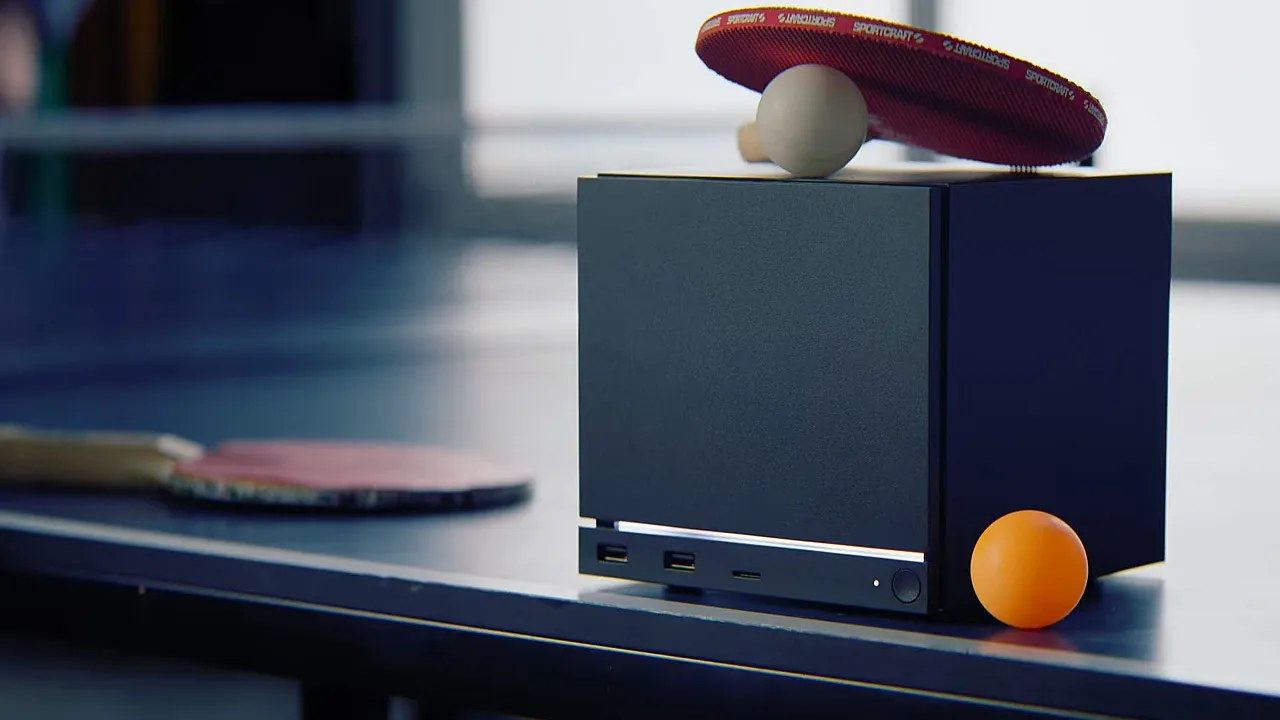
When Valve first unveiled its trifecta of hardware this year, there was genuine excitement about the prospect of an independent gaming ecosystem—one free from the subscriptions and data harvesting that have become commonplace on competing platforms. That vision remains a compelling reason to invest in products like the Steam Machine. However, the machine’s relatively weak performance paired with its $1,049 price tag (excluding even a controller) presents a substantial obstacle for most consumers.
The pricing crisis extends well beyond Valve’s own offerings. Intel recently launched new handheld chips led by the Arc G3 Extreme, which delivers impressive performance that outpaces competitors like the Xbox Ally X and Lenovo Legion Go 2. Yet when tested inside the MSI Claw 8 EX AI+, that power comes with an $1,899 price tag—money that could instead go toward a capable gaming laptop, at least until those prices rise as well.
If you’re willing to tweak some settings, most PC games will run just fine on 5-10-year-old hardware, and you’d struggle to even notice the difference unless you’re zooming in on the images side-by-side.
Jackie Thomas, Senior Tech Editor at IGN
The graphics card market tells an even starker story. The high-end Nvidia GeForce RTX 5090, which originally retailed for $1,999, now commands around $8,000 due to its massive VRAM capacity and popularity for AI workloads. Even the RTX 5070 has climbed from its intended $549 price to roughly $850. While rumors suggest Nvidia may release new graphics cards early next year, affordability remains a serious concern regardless of timing.
A Vision Beyond the Price Tag
If prices had remained at last year’s levels, Valve’s hardware and Intel’s handheld chips would have delivered transformative impact to the PC gaming landscape. Many players are already eager to abandon Windows 11 entirely—fatigued by its quirks such as requiring internet connectivity during setup and the pervasive presence of Copilot—and embrace SteamOS or another Linux distribution for everyday use.
Making it easier to play PC games on SteamOS was Valve’s primary objective with this wave of hardware. The Steam Machine, in particular, provides developers with a sensible baseline configuration toward which they can direct their optimization efforts, its specs deliberately aligning with what the majority of existing Steam users already own.
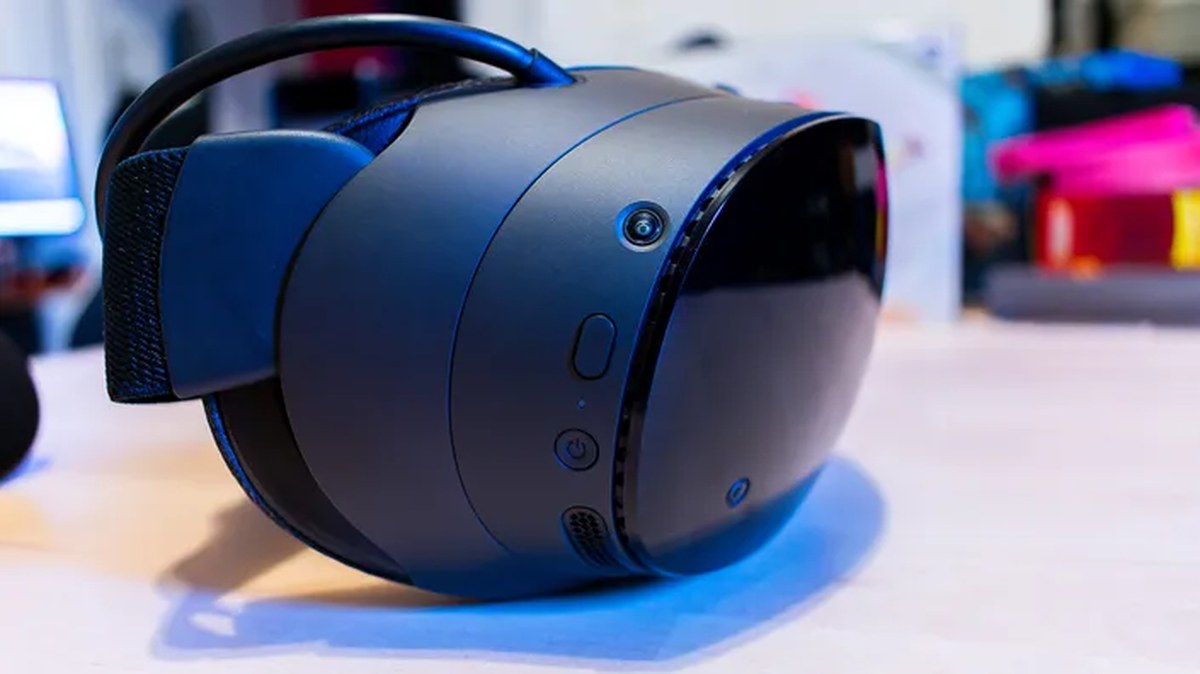
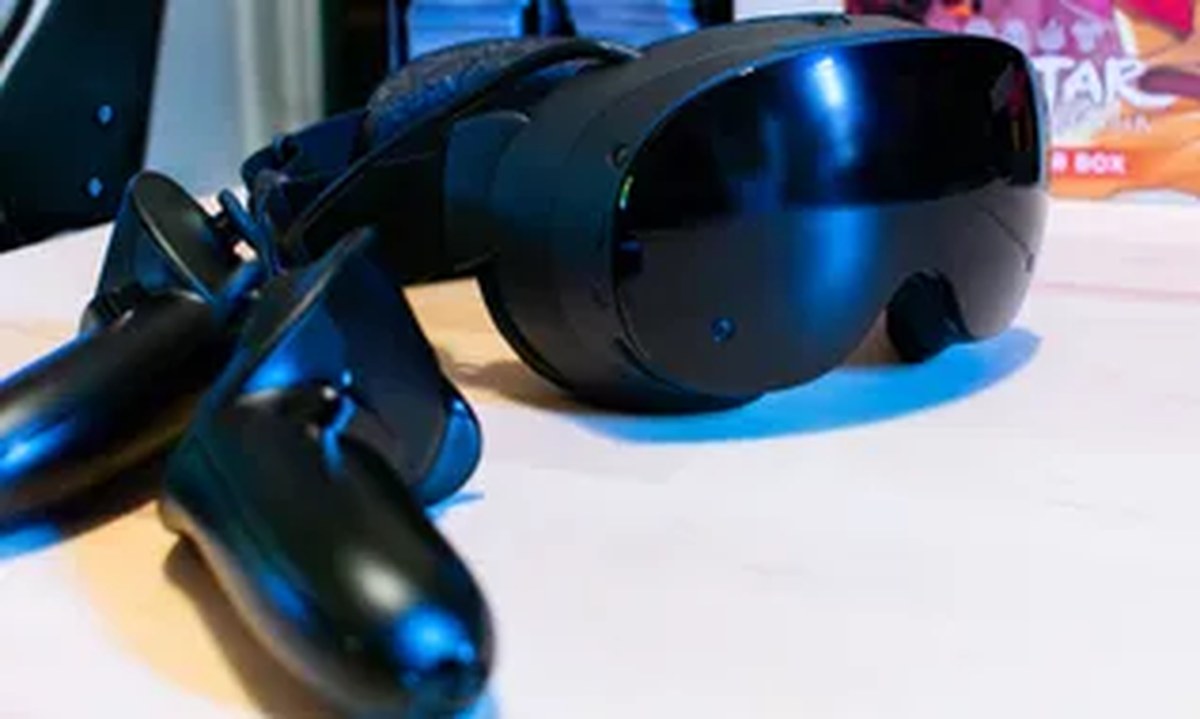
The Steam Frame serves a similar software-focused purpose by expanding SteamOS support to ARM hardware. While the standalone performance of Valve’s VR headset remains modest due to an aging phone processor, the company successfully leveraged Proton and Fex to run Windows games natively. With Valve now working on Nvidia driver support, its broader vision of running SteamOS across virtually all hardware feels increasingly attainable.
The Future Rests on Accessibility
If the Steam Machine had launched at $750 rather than its current price point, it might have matched or slightly exceeded the PS5’s cost while remaining far more affordable than today’s reality. That lower entry would have allowed Valve to source additional RAM and distribute more units, amplifying its influence on Linux gaming support as a whole.
Progress has not been entirely derailed, however. Even if purchasing a Steam Machine falls outside reach for most people, the ongoing work on SteamOS and Bazzite benefits all hardware. Gamers can still assemble a capable alternative to the Steam Machine and install the operating system themselves—even on older, used equipment.
Ironically, that older, used hardware may represent the near-term future of PC gaming. Recent years have fixated on the most powerful current-generation components, chasing maximum settings and extreme frame rates—a pursuit that often merely justifies spending thousands on high-end rigs. Games are increasingly easier to run as well; Capcom’s RE Engine scales gracefully to lower-power systems, and titles like Crimson Desert remain playable without top-tier hardware.
As a new console generation approaches, there remains hope that developers will recognize current hardware costs and prioritize optimization more seriously. At some point, ever-more realistic graphics risk limiting how many players can actually experience a game as intended—making accessibility far more valuable than raw visual fidelity alone.
Copyright in the content and news published on this platform is not reserved, and the material may be shared with attribution. Much of the news is compiled from publicly available domestic and international press sources. Responsibility for the accuracy of claims, data, and material attributed to those sources rests with the source organizations; the platform does not assume responsibility for them. Third-party images, logos, and openly licensed materials remain subject to their original source and license terms.
To submit original news, articles, press releases, or content notices for publication, please contact us:


























1 comment