

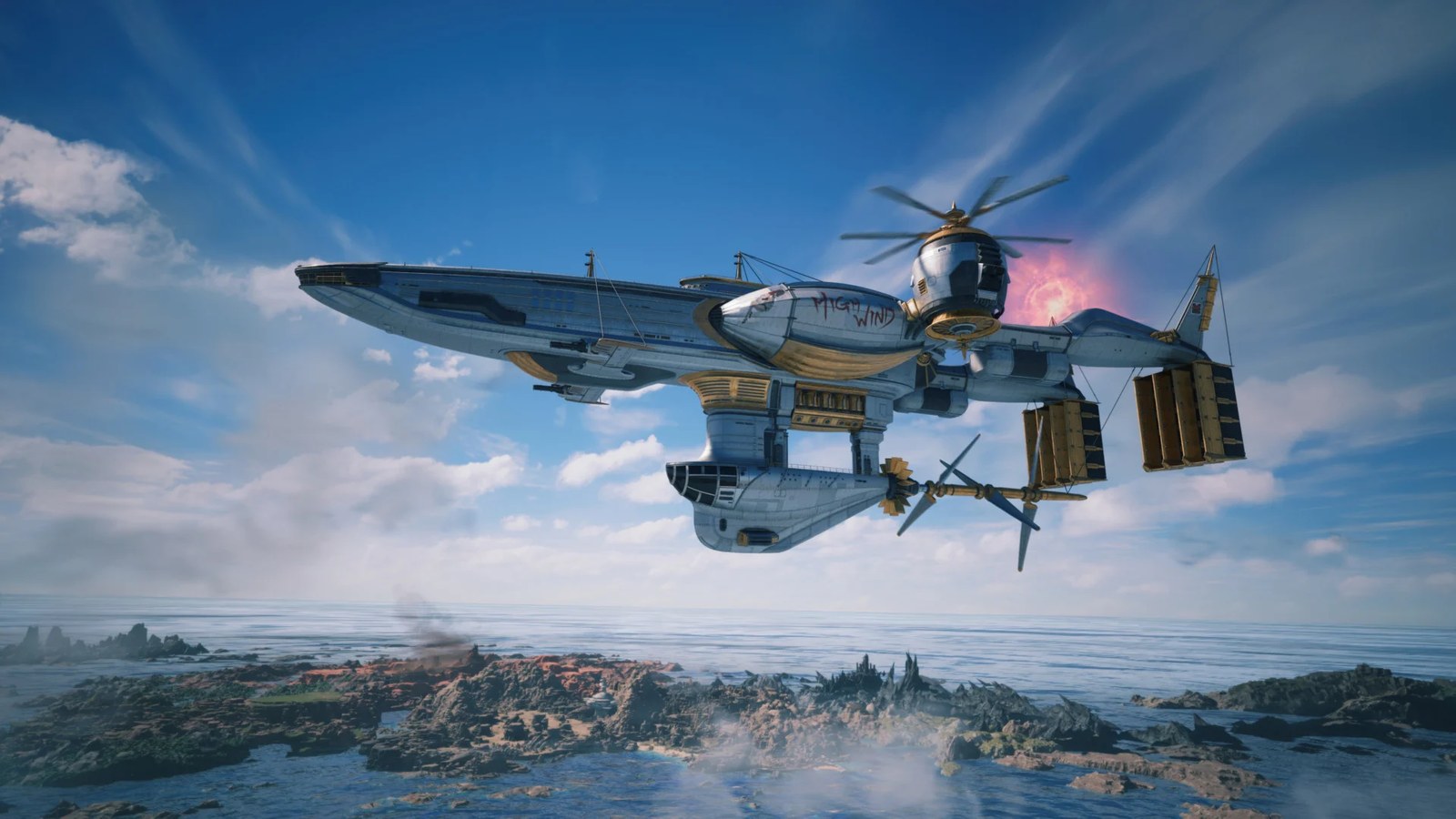
As Square Enix prepares to conclude the ambitious Final Fantasy VII remake project with Final Fantasy VII Revelation, players are discovering that this grand finale diverges significantly from the 1997 PlayStation original at its core. Released across modern platforms following the studio’s two preceding installments, the game introduces a fully explorable open world and an enhanced battle system layering the FITS job class mechanic over real-time combat, marking what developers describe as a dramatic departure from the canon that launched the franchise into the third dimension.
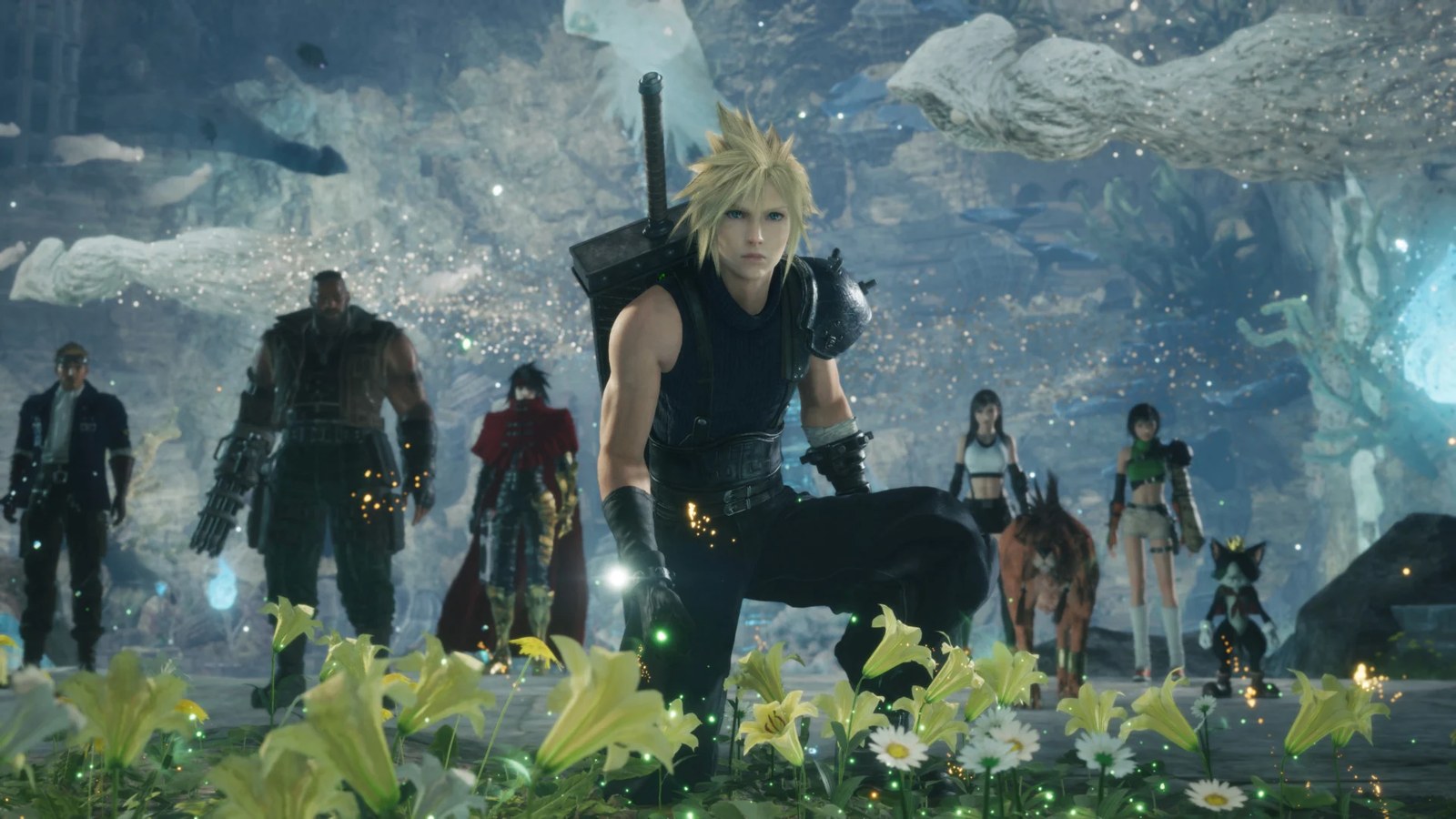
The trilogy has unfolded across seven years, with each entry growing larger than its predecessor. Revelation represents the culmination of this endeavor, demanding that players master new mechanics for Cloud and his companions while learning to navigate Cid and Vincent as full-time party members. Amid this complexity, subtle yet meaningful differences have emerged between Final Fantasy ’97 and its 2027 counterpart, reshaping familiar locations, characters, and systems in ways both surprising and deliberate.
A True Open World From The Start
The development team has emphasized that Revelation delivers a genuine open world from the outset, allowing players to board the Highwind airship and travel freely once again. However, unlike the original game where unlocking the Highwind opened every location worldwide, Revelation takes a more measured approach. Weather events and closed airspaces will gate certain content until the appropriate narrative moment arrives, keeping some areas mysterious until they become accessible.
Snowboarding And Party Changes
Fans recalling the original game remember Cloud’s snowboarding minigame near Icicle Town after the Forgotten City events. While previews suggest Revelation won’t follow this exact sequence, the activity, along with the Icicle Inn and hypothermia mechanics, remains present—simply reordered from what players expect.
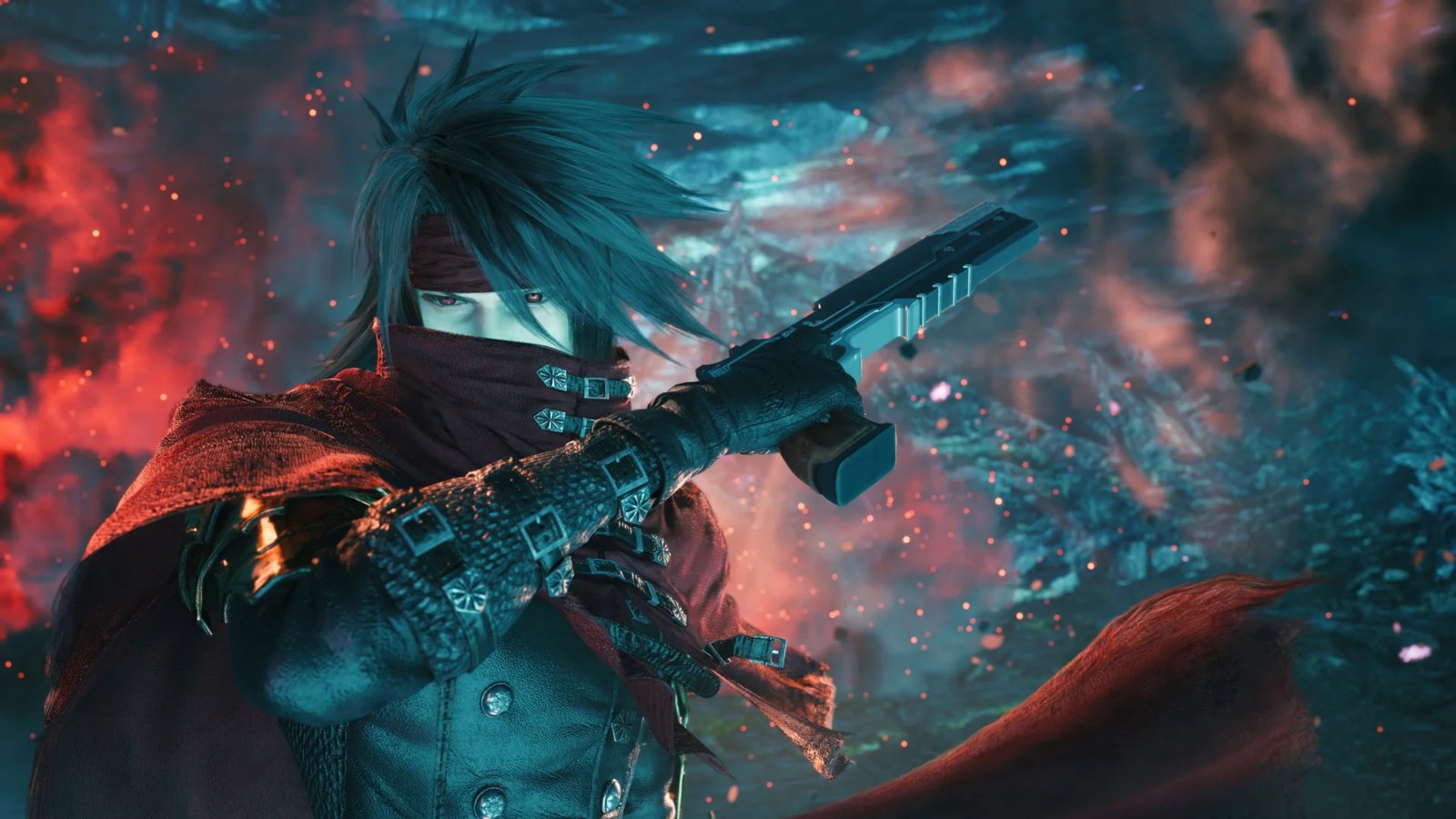
The narrative stage also expands to feature Yuffie and Vincent’s stories more prominently. Vincent’s original Limit Break, which transforms him into the Galian Beast, becomes part of his regular combat kit. Battle director Teruki Endo highlighted this quirk as one of his favorite aspects of Vincent’s fighting style in an interview with IGN, noting how it distinguishes him from the rest of the party.
We had to have an emergency meeting to discuss rebuilding the fight from scratch because we determined it wasn’t hard enough. Knights of the Round is going to have its own dedicated storyline, split into multiple pieces. Cloud and the party will follow that story as they engage with the summon materia.
Naoki Hamaguchi, Final Fantasy VII Revelation Director
Materia And Summoning Overhaul
The Master Materia, which granted access to every command ability, spell, and summon in the original turn-based system, will not appear. Game director Naoki Hamaguchi offered a straightforward explanation when Wccftech asked about its inclusion: “No, there aren’t. Master materia would break the game.” This decision reflects the team’s commitment to balancing the new FITS-based combat.

Summoning locations have also been reshuffled across the world. Typhoon has relocated from the Ancient Forest to Mideel, while Hades now serves as Wutai’s patron deity, replacing Leviathan in an upgraded role. Meanwhile, Leviathan itself appears to receive a similar treatment to Bahamut’s three original versions, with hints of an enhanced form appearing in the Icicle Inn zone.
The Ultimate Summon Returns
Knights of the Round, the original game’s ultimate summon with its legendary 80-second animation, will likely serve as Revelation’s superboss. With chocobo breeding absent from this installment, players must earn the materia through combat rather than the painstaking process that once required raising the ultimate chocobo to reach the hidden island.
The team worked extensively to ensure the encounter matched the spell’s storied reputation, splitting the quest into multiple narrative pieces similar to the Gilgamesh questline from Rebirth. This approach ensures the finale delivers a challenge commensurate with its iconic status in franchise history.
Looking Ahead
Revelation arrives as the trilogy’s grand conclusion, demanding 200 gigabytes of storage and shipping as a download rather than multiple discs to preserve fidelity. Square Enix will also offer free level boosts for players preferring a story-focused experience without extensive grinding.
Director Naoki Hamaguchi has spoken about pushing beyond franchise conventions, aiming to demonstrate that Final Fantasy need not conform to traditional JRPG structures. With less content never part of the conversation, the team approaches this final installment as if there will never be another Final Fantasy VII game, leaving everything on the field for fans awaiting the trilogy’s dramatic conclusion.























Join the conversation