
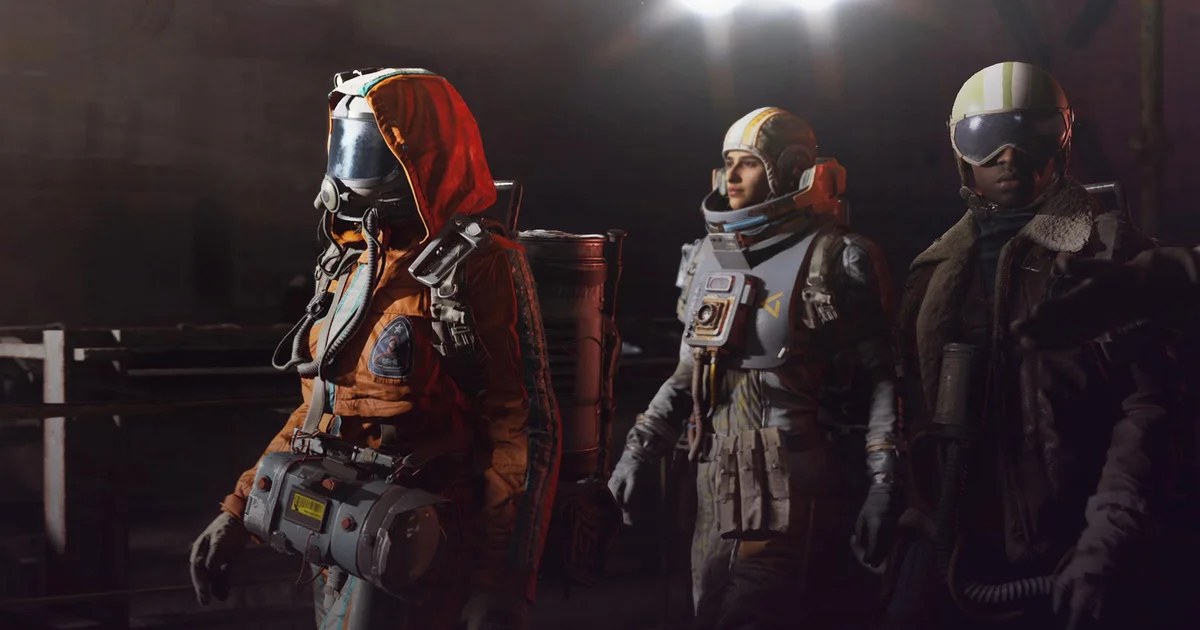
Embark Studios has openly admitted that it drastically underestimated the challenges of building a full-blown live service game, following the launch of Arc Raiders nearly a year ago. Executive producer Aleksander Grøndal conceded in a new interview that the studio’s ambition to ship monthly post-release updates proved unsustainable, leaving the team exhausted and unhappy as it was “constantly overshooting its capacity” in the game’s first few months.
The revelations come from a conversation Grøndal gave to Game Developer at Gamescom this year, where he reflected candidly on the toll that the game’s live service model took on the development team. Arc Raiders, which launched around a year ago, earned praise from critics and became one of publisher Nexon’s top earners, celebrated in company investor material as a repeatable formula for a big original video game production. Yet according to Grøndal, the title’s early months were far from smooth.
The Reality of Transitioning to Live Service
Grøndal described the shift from traditional game development to a live service model as far more punishing than the team had anticipated. “Transitioning to live service is going to be fucking hard. Everyone said that to me,” he recalled. “I’ve even said that to other people. I was mentally prepared for it to be hard—but I wasn’t completely prepared for how hard it was.”
He explained that the studio’s development philosophy was built around the launch cycle, where teams build, test, fix, and measure results in a controlled loop. Once a game ships, however, player expectations escalate dramatically. “The way that we’ve been building video games was based on that idea—but now the demands of the players are really high we feel like we really can’t go much faster,” he said, adding that the team was “super tired” and struggling to keep pace with demand.
“The team is super tired. We’re putting out content as fast as we can but it’s not enough, and perhaps it wasn’t necessarily interesting enough as well. I’m proud of what we achieved during the first four months of this year, but at the same time, I think we have to be honest at looking at some of the impacts of that.”
Aleksander Grøndal, Executive Producer, Embark Studios
A Strategic Pivot Toward Sustainable Development
After the intense initial period, Embark revised its approach to the live service component of Arc Raiders. Grøndal noted that maintaining the game—implementing bug fixes, addressing exploits, and managing other constraints—consumed enormous resources, making it difficult to plan when so much needed to be done. “We didn’t have the time,” he said. “We were constantly overshooting our capacity and so it was hard to plan when there’s so much to do.”

Back in May, the Arc Raiders team publicly ditched its monthly update schedule in favor of larger, biannual additions. Grøndal said the new approach aims to recapture the experience of working on the game before launch, allowing the studio to play to its strengths. “Ultimately, we asked ‘why are we doing this?’ Everything pointed towards the fact that we were doing it better before shipping, so we need to play to our strengths […] and what we produce will be better, more interesting, and higher-quality across the board. It also gives us time to work things out instead of just shipping, shipping, shipping. We can actually iterate.”
A Manager Aware of Burnout’s Toll
Grøndal brings 15 years of experience from Electronic Arts, where he worked across the Battlefield and Star Wars: Battlefront series. He is no stranger to the burnout that can accompany the development of massive franchises. Closing the interview, he recalled being “completely broken” and having to take five months of sick leave after overworking to ship a Battlefield game. “It’s terrible. I don’t recommend it to anyone. Also, it means we lose good people who might be out for a very long time.”
While Grøndal’s candor is welcome, some observers note that a veteran with his depth of experience could have anticipated the human cost of an aggressive monthly update strategy. Fifteen years grinding away on Battlefield and Battlefront titles should have provided ample insight into scoping the labor required for such a demanding model. Still, the studio’s public commitment to giving itself a more sustainable pace represents a meaningful step in the right direction.
Looking Ahead
With the development team now working toward a more sustainable schedule, the future of Arc Raiders looks toward both content expansion and developer wellbeing. Among the things Embark is currently testing out is a PvE mode, added in response to players who have expressed a preference for cooperating against AI opponents over competing against one another. As the studio settles into its revised cadence, the hope is that Arc Raiders will continue to evolve as the work of more rested and contented developers, proving that a live service game can thrive without sacrificing the people who build it.























2 comments