
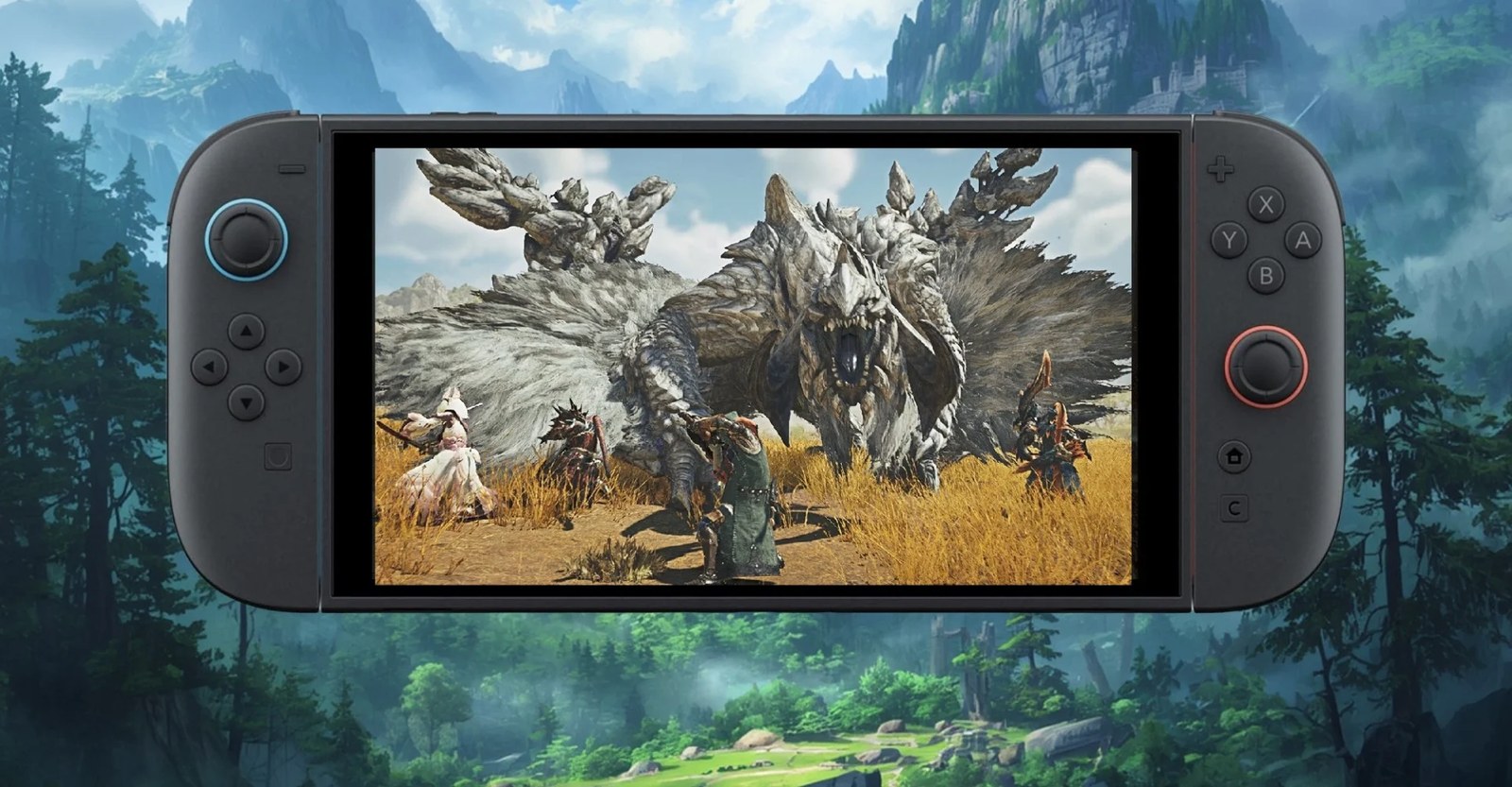
Capcom has revealed the immense effort behind porting Monster Hunter Wilds to the Nintendo Switch 2, describing the process as a “painstaking and at times seemingly endless” undertaking that required rebuilding core game assets rather than simply scaling down the console and PC version. According to producer Genki Sunano, the studio’s goal was never to compromise the experience but to deliver a faithful version of the open-world action RPG on Nintendo’s more modest handheld hardware, a task that involved reworking shaders, hitboxes, and internal processing from the ground up. The game is scheduled to launch on the Switch 2 on December 4.
While many Monster Hunter titles have called Nintendo handheld devices home, few were originally built to target high-end consoles and PC. Monster Hunter Wilds, with its vast open world, bespoke action animations, and seamless online multiplayer for large-scale boss hunts, represented an unprecedented challenge for the franchise’s porting team. As noted in coverage of the broader lineup of Switch 2 releases, Of all the ports announced for Switch 2, Monster Hunter Wilds could end up being one of the most impressive feats of adaptation. The Switch 2 version of Monster Hunter Wilds was not treated as a straightforward downgraded copy but as a project to be reconstructed with as few sacrifices as possible.
A Faithful Experience, Not a Scaled-Down Port
Sunano explained to Kotaku that the studio approached the port with a clear philosophy about what it meant to bring the game to a new platform. “The Nintendo Switch 2 version of Monster Hunter Wilds was developed around the concept of delivering a natural Monster Hunter Wilds experience on Nintendo Switch 2,” he said in a recent interview with Kotaku. “In other words, we didn’t want it to feel like a simple port, where the graphics or performance had merely been scaled down to make the game run on Nintendo Switch 2. Instead, our goal was to bring the Wilds experience to Nintendo Switch 2 without compromising the experience of Monster Hunter Wilds.”
The performance target the team settled on is a stable 30 frames per second in handheld mode, even during four-player multiplayer hunts. Given the sheer density of the game, that requirement demanded careful scrutiny of nearly every element. “Wilds is packed with a tremendous number of elements, so we had to carefully evaluate the assets and underlying processing behind each one, determining what needed to be preserved and what could be adjusted without changing the overall experience,” Sunano said. “It was this painstaking, and at times seemingly endless, process of making decisions and optimizations one by one that proved to be one of our biggest challenges in delivering a comfortable handheld experience while preserving what makes Wilds feel like Wilds.”
“We didn’t want it to feel like a simple port, where the graphics or performance had merely been scaled down to make the game run on Nintendo Switch 2. Instead, our goal was to bring the Wilds experience to Nintendo Switch 2 without compromising the experience of Monster Hunter Wilds.”
Genki Sunano, Producer
Rebuilding Assets and Shaders From Scratch
One concrete example of the team’s meticulous approach involved rebuilding certain assets and shaders for the Switch 2 version entirely from scratch. Capcom designed what it called “more efficient implementations” while working hard to preserve the game’s original visual identity, aiming to give Switch 2 players the same quality experience without any disadvantage compared to those on other platforms. When the team modified visual-effect assets, it took care to ensure the new versions still aligned with existing hitboxes and collision detection, preserving the precise feel of combat that the series is known for.
Sunano emphasized that the studio concentrated its resources on the elements that most directly shape the gameplay experience. “At the same time, we took another, much closer look at areas we had previously considered sufficiently optimized for home-console hardware. To make the game run on handheld hardware, we reassessed every aspect of these areas and replaced certain visual techniques and internal processing with more efficient solutions,” he said. The producer also noted that the studio intends to carry the expertise gained from this work into future projects, applying it to performance improvements for existing platforms in the lead-up to the release of Monster Hunter Wilds: Ascendance.
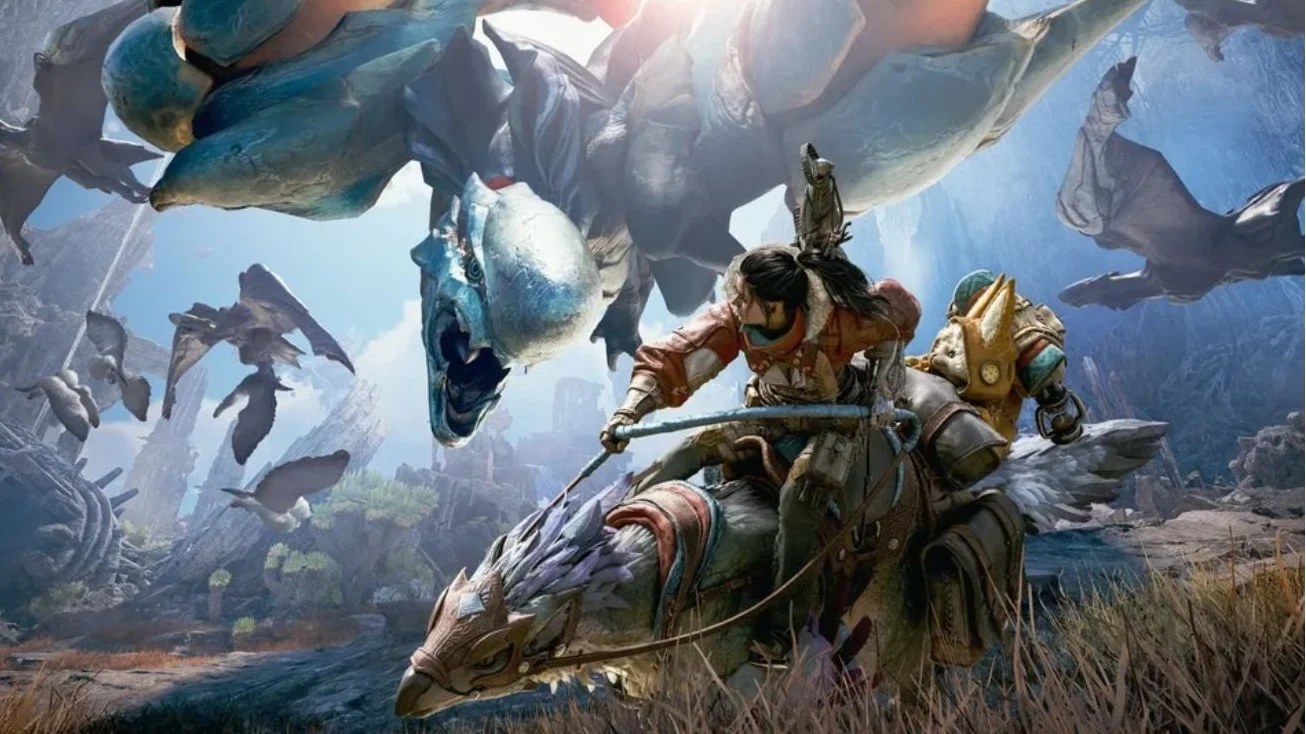
The Capcom producer said the benefits from this development process will remain unique to its work with Switch 2 ports, but that the learning exercise could yield benefits for how it thinks about development on other platforms as well. Players will find out whether the effort paid off once Monster Hunter Wilds arrives on Nintendo’s console on December 4.
Looking Ahead
As Capcom turns its attention to the broader Monster Hunter ecosystem, the performance insights gathered during the Switch 2 port are expected to inform upcoming optimization work. The studio has already teased Monster Hunter Wilds: Ascendance, a major expansion that aims to supercharge the endgame and raise the difficulty with new Master Ranks, promising to deliver the level of challenge and depth players would expect. With the base game’s December 4 launch on the horizon, all eyes will be on how faithfully Capcom has preserved the Wilds experience on a handheld device—and whether the painstaking port ultimately stands as one of the Switch 2 lineup’s most impressive achievements.



1 comment