

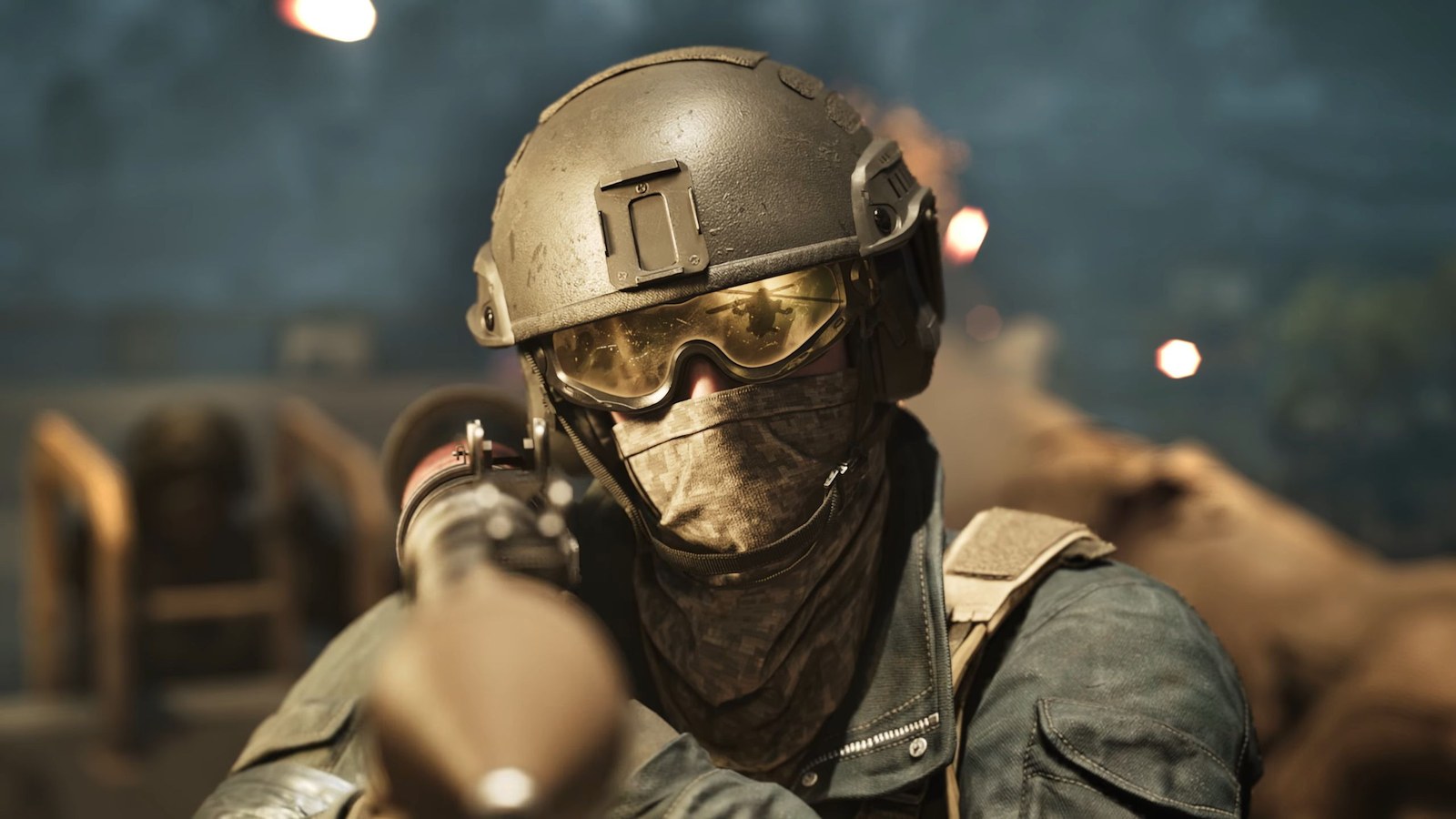
Almost three weeks into its early access launch, Wardogs is drawing sharp scrutiny over its endgame, and the game’s developer is not shying away from the criticism. Bulkhead CEO Joe Brammer took to X this week to openly address player frustration over the title’s progression curve, acknowledging in blunt terms that the game’s late-game balance is currently flawed. The 100-player sandbox FPS, which has earned a place among several critics’ games of the year, has nonetheless sparked debate as its most dedicated players began unlocking the highest tiers of vehicles, armor, and weapons.
Brammer’s comments arrived in response to a video from a content creator, in which he reacted to community concerns about what players have dubbed the “mortar spam meta.” Rather than deflecting, the executive offered a candid window into how Bulkhead views its own title—first and foremost as an emergent sandbox shooter rather than a precision-balanced competitive title.
A Sandbox First, Not a Competitive Shooter
The heart of Brammer’s defense lies in the studio’s design philosophy. Bulkhead positions Wardogs as a game where no two matches should feel identical, deliberately prioritizing variety and over the kind of delicate equilibrium that defines titles built around competitive integrity. That distinction, the CEO argued, justifies a willingness to let certain weapons or loadouts swing between overpowered and underpowered across seasons.
“Sometimes in our game, we’re going to be OK with something being a bit overpowered for a season and then underpowered next season, to keep it interesting.”
Joe Brammer, Bulkhead CEO
But Brammer was careful to separate that general philosophy from the game’s actual state at the top end of the progression ladder. “That doesn’t mean I think level four armor is working, or that our balancing is great. I think the endgame is a bit sht,” he said, a striking admission from a studio head publicly engaging with its most frustrated players.
The Armor Debate and Asymmetric Combat
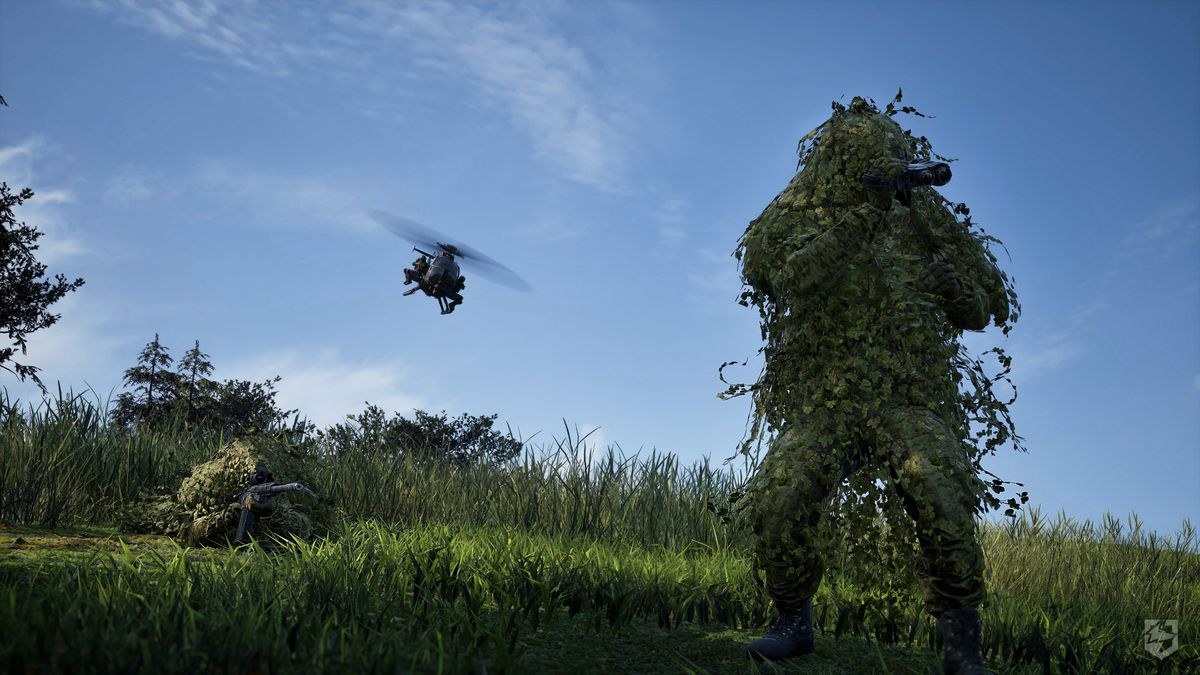
The criticism has been visceral. Players wielding smaller weapons have reported struggling to damage heavily-armored opponents, while others have been repeatedly overwhelmed by the most powerful vehicles on the battlefield. Some in the community have even argued that the thickest armor tiers should be removed entirely, a reaction Brammer’s own comments seem to validate.
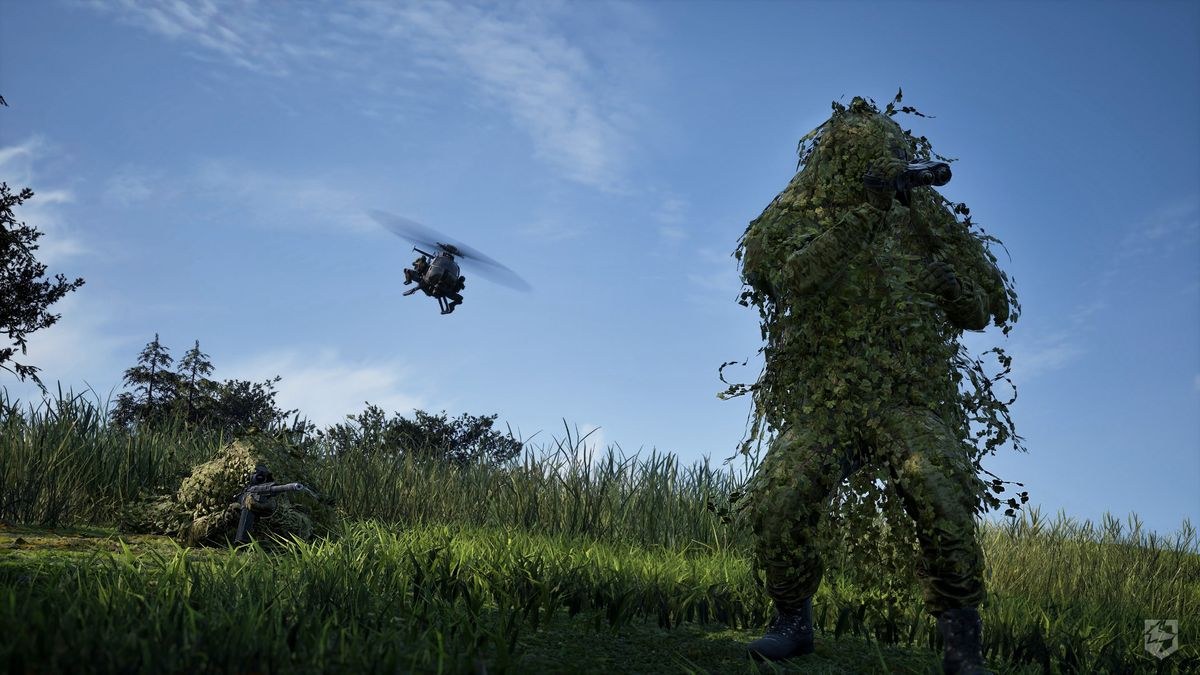
Yet stripping out high-tier armor would also eliminate much of the build variety that gives Wardogs its identity. The game’s firefights are inherently asymmetrical, and that tension between the underdog and the heavily-equipped veteran is, for many, the core appeal. Players who deliberately enter fights at a disadvantage can still pull off thrilling upsets by gaining the drop on wealthier opponents and then looting their gear to climb the food chain themselves.
Beyond individual loadouts, the week-to-week shifting of playstyles has become a point of contention. Some matches see few teammates willing to engage in the hot zones, instead focusing on construction or attacking forward bases—a dynamic that can leave aggressive players feeling sidelined. As both Brammer and community figure Jbowen have noted, though, Wardogs tends to be most fun when players adapt their approach to the evolving shape of each match.
What’s Coming: Persistent Skills and a New Resource
Brammer also offered a glimpse of the progression systems Bulkhead plans to introduce, signaling that the current state of the game is only the beginning. The studio intends to add Tarkov-style skills that improve through repetition rather than pure unlocks—abilities such as longer tactical sprint duration and better stability when cycling a sniper rifle’s bolt. Crucially, these skills will be persistent, surviving from season to season rather than being wiped clean.
In addition to the existing cash and XP systems, a new “intel” resource will eventually unlock gun parts and attachments beyond the current selection of grips, scopes, and muzzles. Brammer framed the current experience as only a fraction of what’s coming, telling players, “You’re playing 25% of the game.”
The announcement has drawn a mixed reaction. While the persistent-skill model and expanded gunsmithing sound intriguing, longtime fans of deep customization systems in titles like the Battlefield and Call of Duty franchises worry that players will eventually optimize their weapons to a point where they lose their character. Whether Bulkhead’s approach avoids that fate remains to be seen, but the studio’s willingness to engage directly with its community’s concerns suggests it is listening closely as it shapes Wardogs’ future.



Join the conversation