


Mexican senators have thrown their weight behind a growing global movement to safeguard digital game ownership, unveiling a consumer rights initiative that would reshape how players interact with the video game industry. Luis Donaldo Colosio Riojas, president of the Mexican Senate’s Digital Rights Commission, alongside federal deputy Iraís Reyes, announced the legislative proposal this week, seeking to strengthen protections for consumers in an increasingly digital marketplace.
The announcement, which Colosio Riojas shared via his personal Instagram account, comes at a pivotal moment for the gaming world, as debates over what players actually own when they buy digital titles intensify across multiple continents. The initiative targets three core areas: purchase clarity, digital preservation, and corporate accountability for companies selling digital goods to Mexican consumers.
Defining What Players Actually Buy
At the heart of the proposal is a demand for transparency regarding the nature of digital purchases. The initiative would force companies to clarify whether customers are purchasing an actual product or merely a license to use a piece of software—a distinction that has profound implications for ownership rights. Under current conventions, most digital storefronts sell licenses rather than goods, which legally allows publishers to revoke access, delist titles, or alter terms without the same obligations that accompany physical products.
By mandating clearer language, the Mexican lawmakers hope to eliminate the ambiguity that has left countless consumers confused about the scope of their purchases. The goal is to ensure that anyone spending money on a digital game understands precisely what rights they are acquiring and what limitations may apply down the line.
Fighting for Digital Preservation
The initiative also addresses one of the most contentious issues in modern gaming: what happens to a game once its servers are shut down. Colosio and Reyes are pushing for measures that would allow consumers to continue playing digital purchases even after official support ends, a practice known as digital preservation.
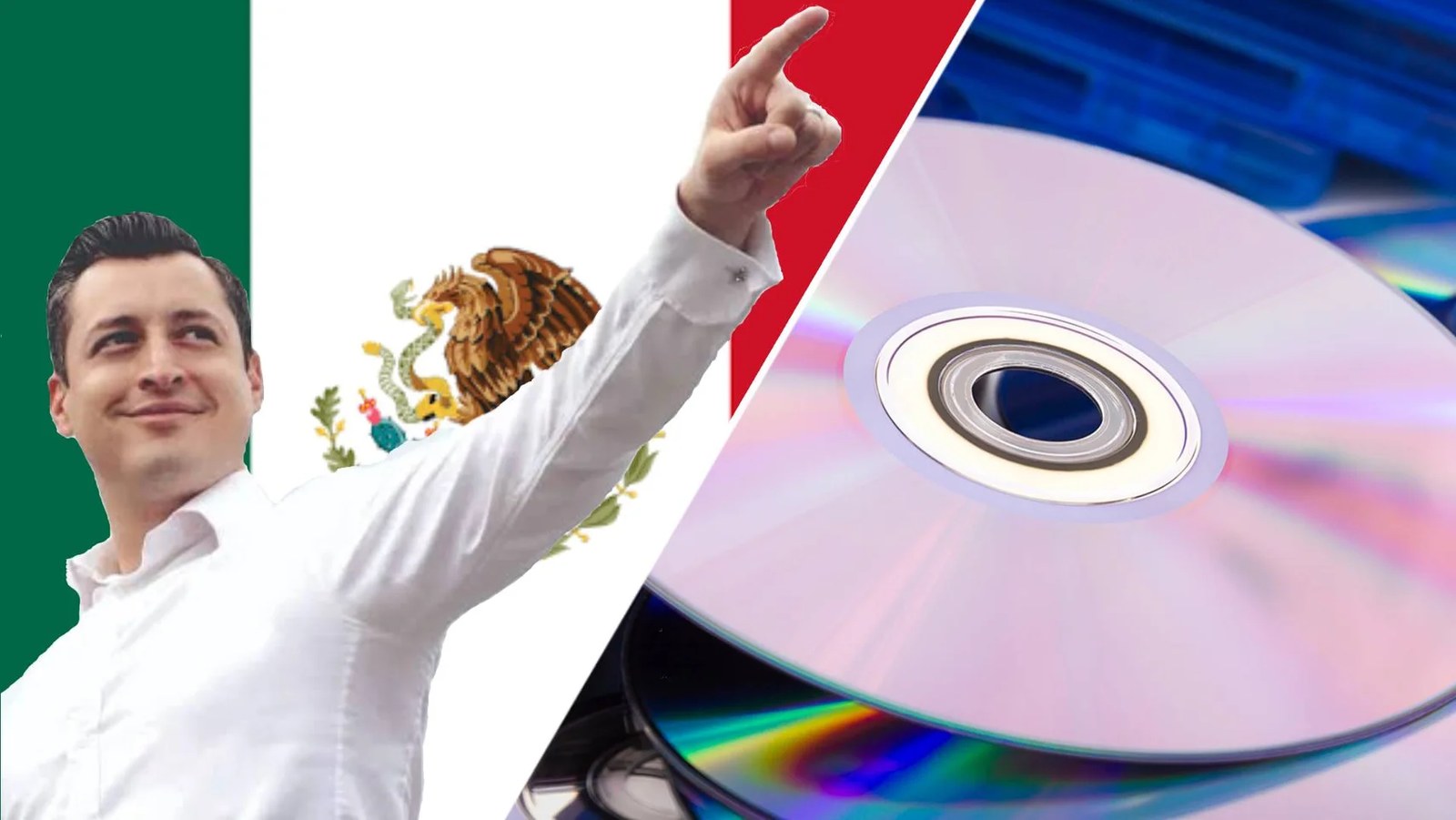
This concern has become increasingly urgent as more publishers rely on always-online infrastructure, leaving games unplayable the moment their servers go dark. The Mexican proposal aligns with similar objectives championed elsewhere, including Californian consumer rights arguments from earlier this year, which have sought to ensure that digital purchases survive the lifespan of a company’s support.
Demanding Corporate Accountability
Perhaps the most consequential element of the initiative targets the lack of consumer-facing support offered by many digital game companies operating in Mexico. Today, numerous publishers and storefronts do not maintain a physical business presence in the country, making it difficult for authorities to intervene when consumer rights are violated.
The proposal would require businesses selling digital goods to maintain a Mexican business address, thereby giving regulators a concrete point of contact through which they can act on complaints. This measure aims to close a regulatory gap that has long left Mexican players with limited recourse when facing issues such as fraudulent transactions, broken promises, or sudden loss of access to purchased content.
“We must ensure that as gaming becomes fully digital, the consumers who fuel this industry are afforded the same protections and clarity they deserve elsewhere.”
Luis Donaldo Colosio Riojas, President of the Mexican Senate’s Digital Rights Commission
A Global Movement Gains Momentum
The Mexican initiative arrives as the shift toward a fully digital gaming landscape becomes increasingly likely, and increasingly contested. Earlier this year, Sony announced plans to end physical disc support in 2028, a move that sent shockwaves through the community and reignited concerns about the future of physical media.
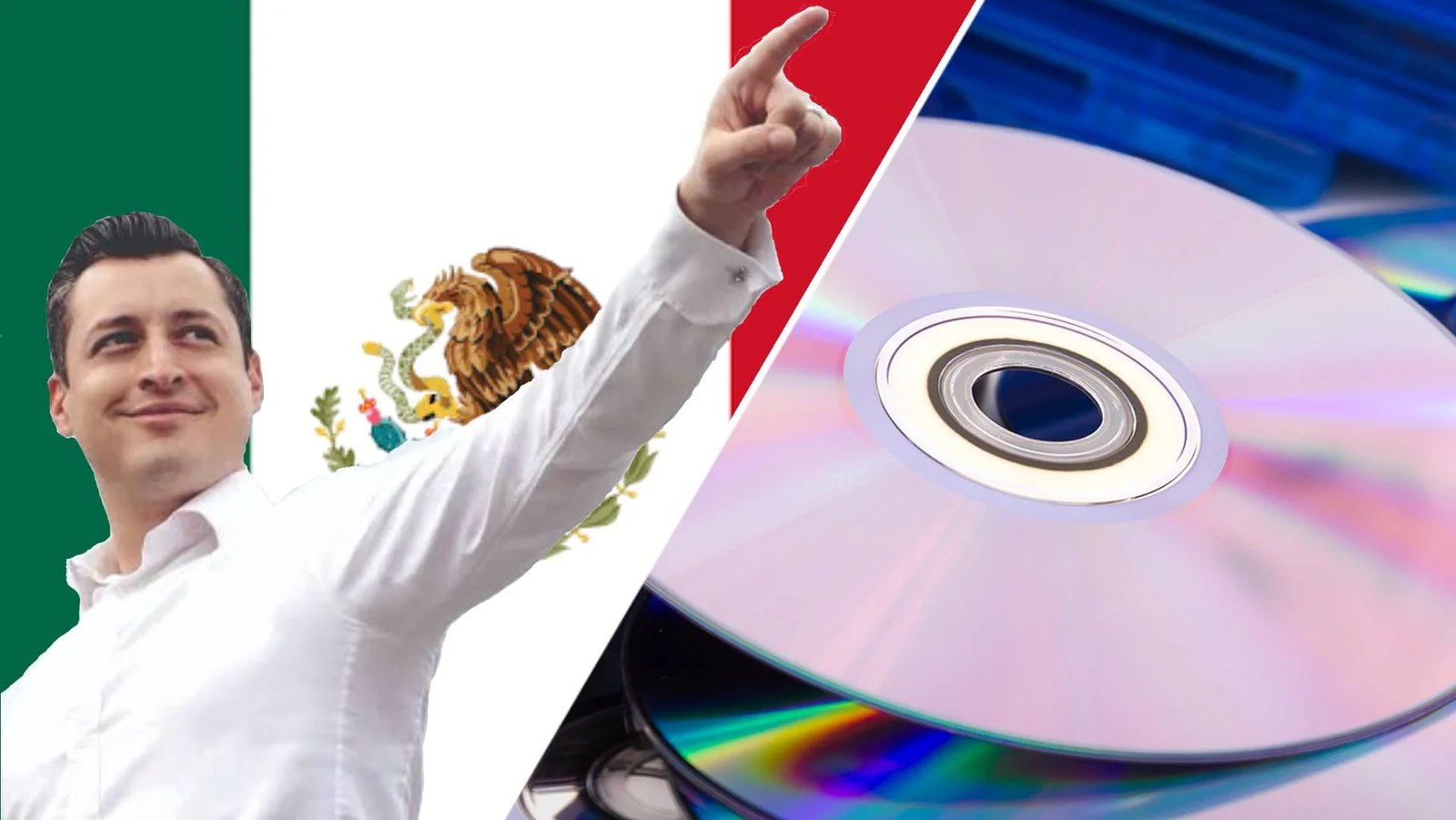
In response, advocacy groups such as Stop Killing Games have applied pressure on the EU to introduce stronger consumer rights protections, while Colosio and Reyes themselves filed an antitrust complaint against Sony following its announced shift away from physical games. The backlash has been substantial, with many enthusiasts expressing their displeasure towards Sony following its announcement.
Notably, Sony appears uncertain about how developers feel about the transition. Last week, the company reportedly polled game developers about their feelings about the shift to digital, suggesting that even the industry’s largest players may find the planned move to a digital-only future still up in the air.
Looking Ahead
While the Mexican initiative remains in its early stages, it signals a widening coalition of lawmakers and advocates determined to redefine consumer rights in the digital age. As more countries weigh in on the question of digital ownership, the pressure is mounting on publishers to adopt fairer practices and greater transparency.
Colosio and Reyes will now need to navigate the legislative process to advance their proposal, building alliances with fellow advocates and gathering public support. If successful, Mexico could emerge as a leader in digital consumer protection, setting a precedent that resonates far beyond its borders. For now, the debate over who truly owns the games we buy remains one of the most defining issues facing the gaming industry today.



1 comment