

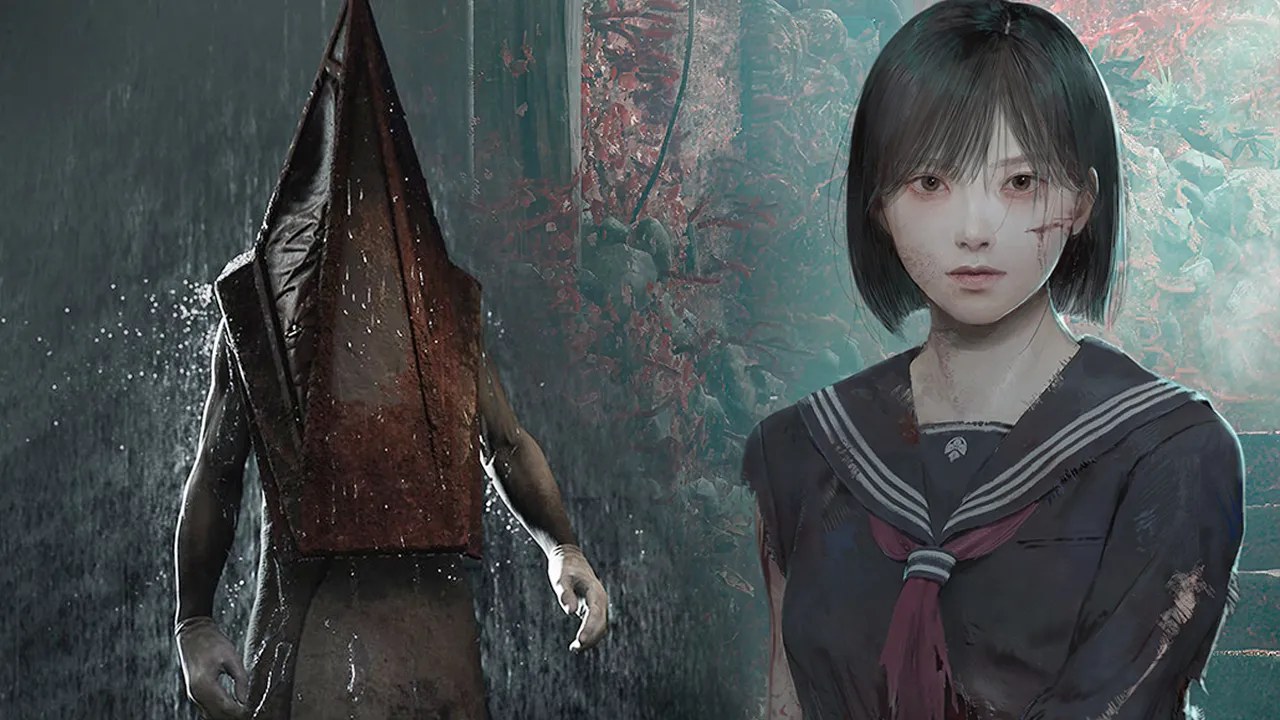
For nearly three decades, the fog-choked town of Silent Hill has haunted the nightmares of horror fans, and now Konami has taken the opportunity to finally chart the sprawling, contradictory history of its psychological horror series. Following the back-to-back releases of Silent Hill ƒ and Silent Hill: Townfall, the publisher has compiled a comprehensive timeline that attempts to reconcile the franchise’s tangled canon — a task complicated by the fact that each entry often reimagines the Otherworld rather than continuing it. The guide, which traces the series from its 1999 debut through its most recent and most experimental installments, reveals a franchise that is less a single narrative than a collection of parallel mythologies.
Since the original Silent Hill launched in 1999, roughly 18 games have reached players, developed by a rotating cast of studios across Japan and North America. The first four titles — Silent Hill, Silent Hill 2, Silent Hill 3, and Silent Hill 4: The Room — were crafted by the legendary Team Silent between 1999 and 2004, and are widely regarded as the “major canon.” Everything after that, including a string of spin-offs and mobile entries, sits in murkier territory. Konami has also published four mobile titles, including the Orphan trilogy and Silent Hill: The Escape, whose connections to the mainline games remain deliberately vague. For the purposes of this timeline, the publisher has set those aside, along with the Play Novel reimagining of the original and the interactive streaming series Silent Hill: Ascension.
The Silent Hill timeline is less a straight line than a web of overlapping stories, each protagonist carrying their own version of the Otherworld. The recent releases have pushed the franchise in new directions, and the canon is more suggestive than definitive.
Konami / IGN
For newcomers trying to navigate this labyrinth, the answer to “where do I start?” depends entirely on what a player is chasing. Those seeking a modern, polished entry point are well served by Bloober Team’s Silent Hill 2 remake, a faithful recreation of the series’ most acclaimed title with meaningful quality-of-life upgrades. Lore enthusiasts, on the other hand, may prefer to begin at the beginning — or with the original Silent Hill 2 — and piece together the mythology through memos, posters, and the small details that quietly bind the games together.
Tracing the Fractured Chronology
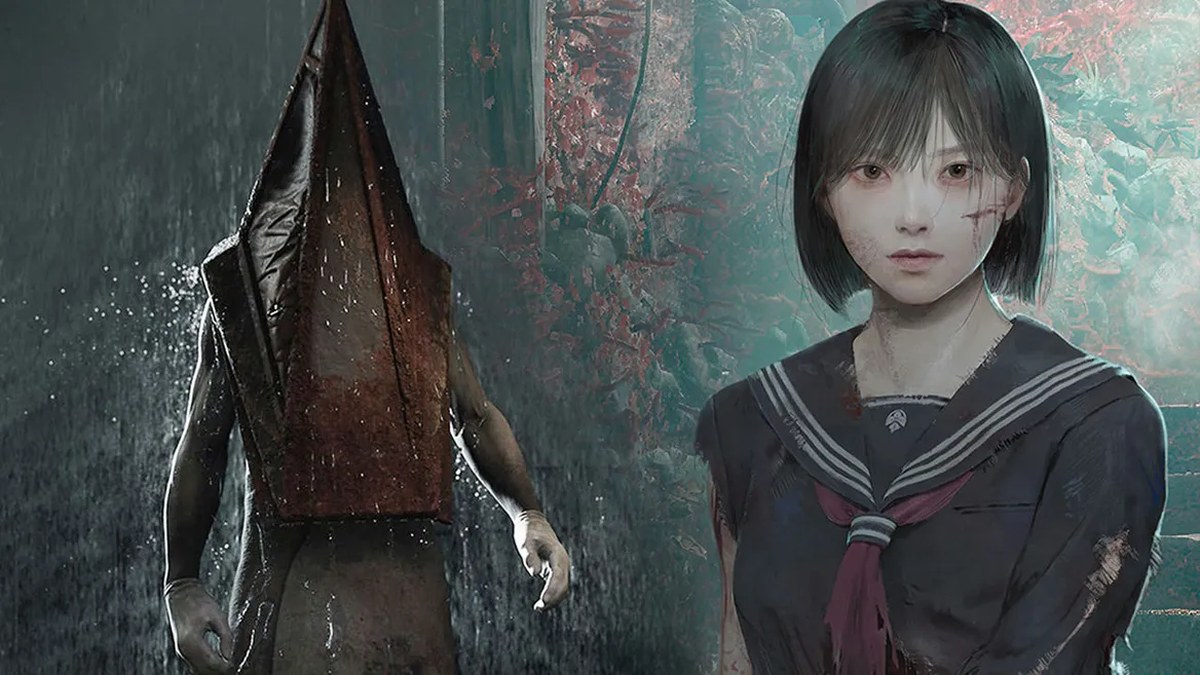
The timeline itself begins with one of the most recent releases, which is a deliberate inversion of the franchise’s apparent order. Silent Hill ƒ transports players to the town of Ebisugaoka in the 1960s, marking the first time the series was set in Japan. Its protagonist, Hinako, is a teenager grappling with fear of her own future, and its characters, locations, and version of the Otherworld are entirely distinct from the American Silent Hill. The game’s unique approach to save states and endings was enhanced by writer Ryukishi07.
Working backward, Silent Hill: Origins serves as a prequel that directly connects to the original game and Silent Hill 3 through the “Alessa Gillespie” arc. Its “Good” ending literally paves the way for the character of Cheryl in the first game. The original Silent Hill then introduced the opaque fog that became the series’ atmospheric signature, following Harry Mason’s search for his missing daughter Cheryl after a mysterious car crash.
Silent Hill 2, the series’ most iconic entry, extends that lore while introducing new characters and the unforgettable Pyramid Head. Art director Masahiro Ito has mentioned the game taking place in the late 1970s, though later documents peg it closer to the 1990s. Unlike many of its siblings, Silent Hill 2 does not necessarily feature a “canon” ending that leads into future events.
From there, the timeline descends into spin-off territory. Silent Hill: The Arcade leans into action-shooter mechanics while offering insight into earlier history, including the sinking of the Little Baroness ship in 1917. Silent Hill: Townfall then shifts to the fictional island of St. Amelia in 1996, where protagonist Simon wakes at the docks with no memory of how he arrived — a game that stays connected to the series through themes of guilt rather than the original cult mythology.
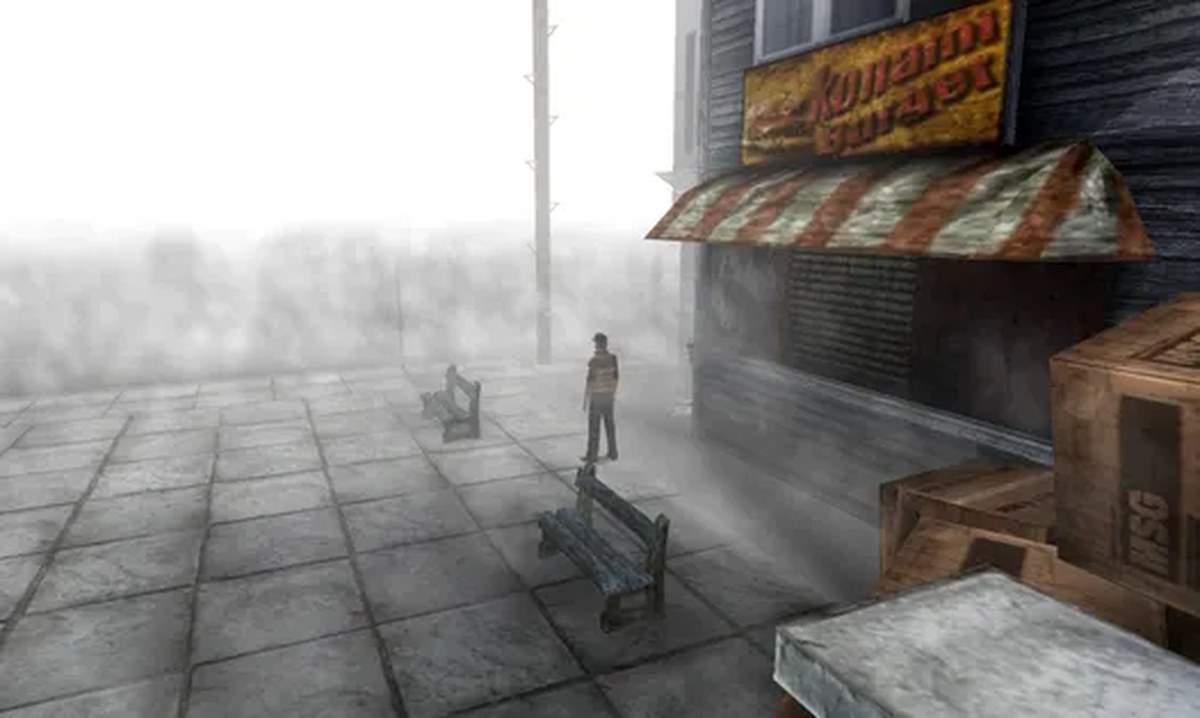
Silent Hill 3 picks up the Alessa arc by following Heather, Harry Mason’s daughter, as she returns to the town 17 years after the first game. Silent Hill 4: The Room carries on into the early 2000s and moves the setting away from the town itself to Ashfield. Homecoming then leaves the town behind entirely, following Alex Shepherd back to Shepherd’s Glen, while Downpour returns to the classic premise of a man in a crashing vehicle — though its canon placement remains debated.
Looking Ahead
The recent releases of Silent Hill ƒ and Townfall signal a shift in Konami’s creative strategy, favoring experimentation over strict continuity. The publisher has openly discussed annual Silent Hill releases, yet no official announcements about future mainline games have materialized. What is confirmed is that Bloober Team is following up its Silent Hill 2 remake with a remake of the original 1999 game, which will likely reinvigorate interest in the franchise’s earliest entries.
Meanwhile, the franchise’s cinematic ambitions persist, with studios continue to take cracks at adapting Silent Hill to the big screen. Until then, the timeline Konami has assembled offers fans a roadmap through a canon that is deliberately fractured — a reminder that in Silent Hill, the truth is always buried somewhere in the fog.



1 comment