

As the credits roll on Silent Hill: Townfall, it is hard to believe this is the same franchise that, until recently, had been allowed to slip into near-irrelevance. Released on September 24th, the game stands as a fascinating entry in the series’ near-three-decade history — a bold creative swing that is part inversion, part subversion, and part evolution of the survival horror formula. Developed by Scottish indie studio Screen Burn and published by Konami in partnership with Annapurna Interactive, Townfall transplants the series’ signature fog to 1996 and St. Amelia, a small Scottish town on a remote North Sea island, and has already earned praise for its atmospheric ambition and unsettling craft. The title is available now on PlayStation 5 and PC via Steam and Epic Games Store.
Where 2025’s Silent Hill f spent a long time reimagining the series’ DNA before its identity fully emerged, Townfall moves with urgency. It rattles through the franchise’s classic touchpoints — a guilt-ridden man wandering shifting melancholy mists in search of a woman — before revealing itself to be considerably more ambitious than its opening moments suggest. Screen Burn, the studio behind the acclaimed Observation and Stories Untold, shifts the setting once more, and the result is an exquisitely realised world that shares the slavish verisimilitude of Everybody’s Gone to the Rapture. From the moment protagonist Simon Ordell hauls himself from the water beneath bleak Scottish skies, the sea salt in the air and the chill damp in the bones make St. Amelia feel engulfing before you even leave its weather-battered seafront.
A Scottish Fog with a Social Conscience
Geographically, Townfall is yet another kind of Silent Hill. The town’s quaint shops, blinking crossing lights, and cheery bunting give way to rows of “for sale” signs and “closed for business” notices, hinting that decay had already begun before the fog arrived. As the world expands toward pebbledashed terraced houses, tatty pubs, and eventually stark 1970s brutalism, St. Amelia proves itself as much a character as anything else. Screen Burn also reinterprets the series’ iconography through a distinctly British lens: gleaming white hospitals become cramped NHS wards, and spacious malls become concrete shopping precincts.
Crucially, the game’s horrors are not solely phantasmagorical. The studio infuses its tale with a quiet, grounded rage, grappling with themes of corporate colonisation and worker exploitation. As the narrative reveals, the town has been shattered by awful tragedy — and the nurse is no shambling cleavage monster, but a traumatised key worker reeling from a horrific death toll. This social realism serves as a powerful emotional throughline, while the story itself is told with surprising directness for a series that has traditionally delighted in obfuscation.
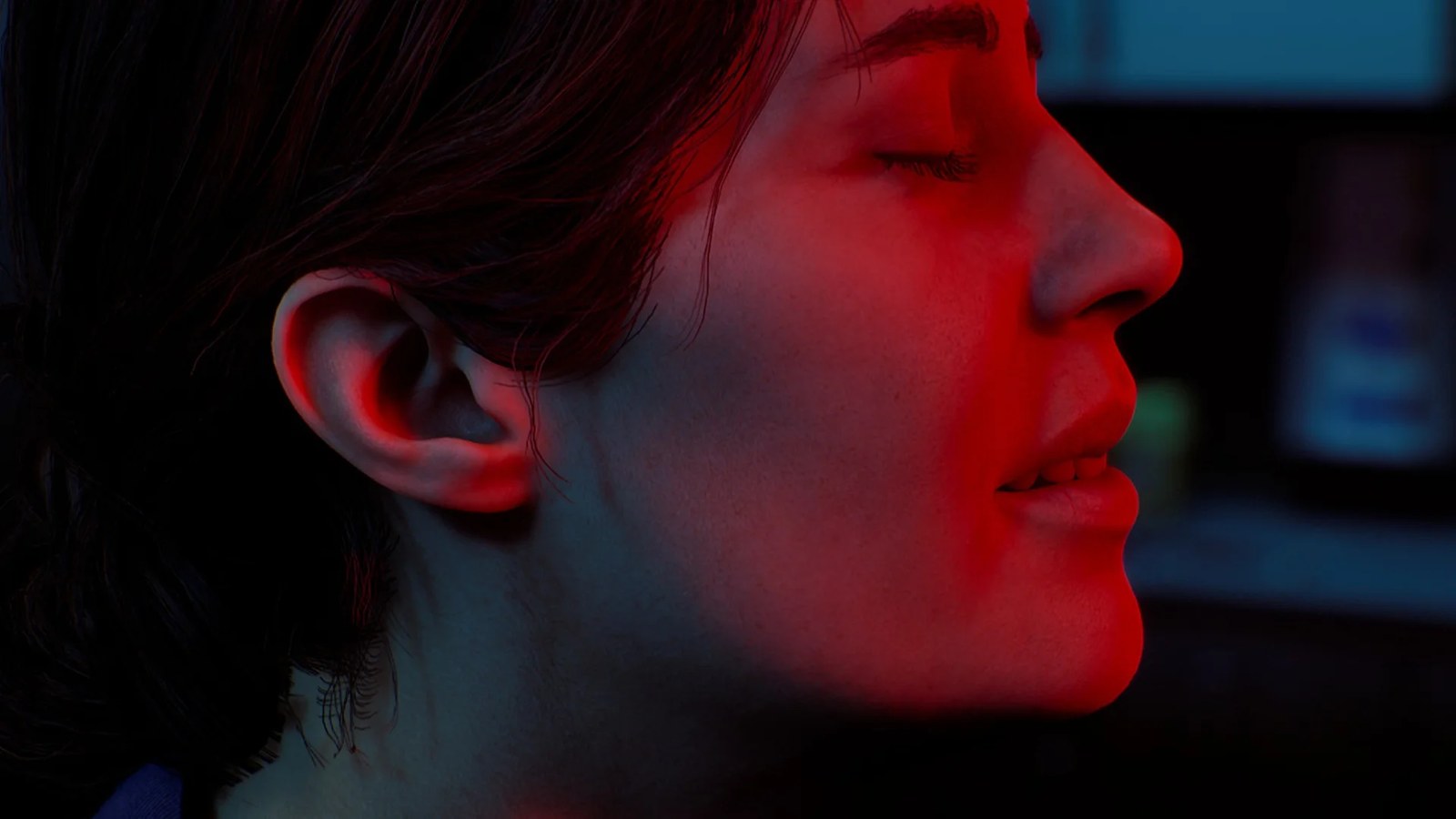
Silent Hill has, from near-death, blossomed into something unexpected. Under the watch of Konami and in the hands of talented studios with their own distinct sensibilities, it has transformed into one of gaming’s most fascinating series.
Review of Silent Hill: Townfall
That transformation is visible in the game’s mechanics as much as its themes. Townfall shifts to a first-person perspective — technically first attempted in Silent Hill 4, but only in its hubworld — creating a more limiting, vulnerable viewpoint. Combined with a focus on slow-paced, violence-avoidant stealth, the result is sometimes unbearable tension. Combat is deliberately limited, and creatures — tumorous horrors with axe-like heads or grasping syringes bursting from puckered wounds — hit hard and pursue aggressively. Even the revolver added later reloads with the speed you could boil an egg by, and fights against multiple enemies rarely end well.
Enter the CRTV: part Game Boy, part tiny portable television, and a neat twist on the series’ classic radio-static early warning system. Move into an enemy-infested area and a quick hiss of static signals that new signals have been added to its dial. Each represents a single patrolling creature, and once locked onto, their isolated silhouette appears in the screen’s roiling red static — with no other visual clues. This creates an unusual dynamic where you are often aware of distant enemies before you have any sense of the area they patrol, a rhythm that echoes original Silent Hill designer Keiichiro Toyama’s cult classic Siren.
Looking Ahead
Across a 15-hour runtime, Townfall reinvents itself repeatedly. A long sequence in the game’s latter stretch makes the Silent Hill 2 remake’s prison level feel like a breezy stroll as it smothers the world in corpses, while a sudden shift into power fantasy is immediately dashed by a prolonged sequence of jumpscare hide-and-seek in near darkness. Composer Anthony Scott Burns also makes a stellar series debut, capturing the melancholy synths and industrial cacophony of Akira Yamaoka’s soundscapes while forging a beauty and violence of its own.
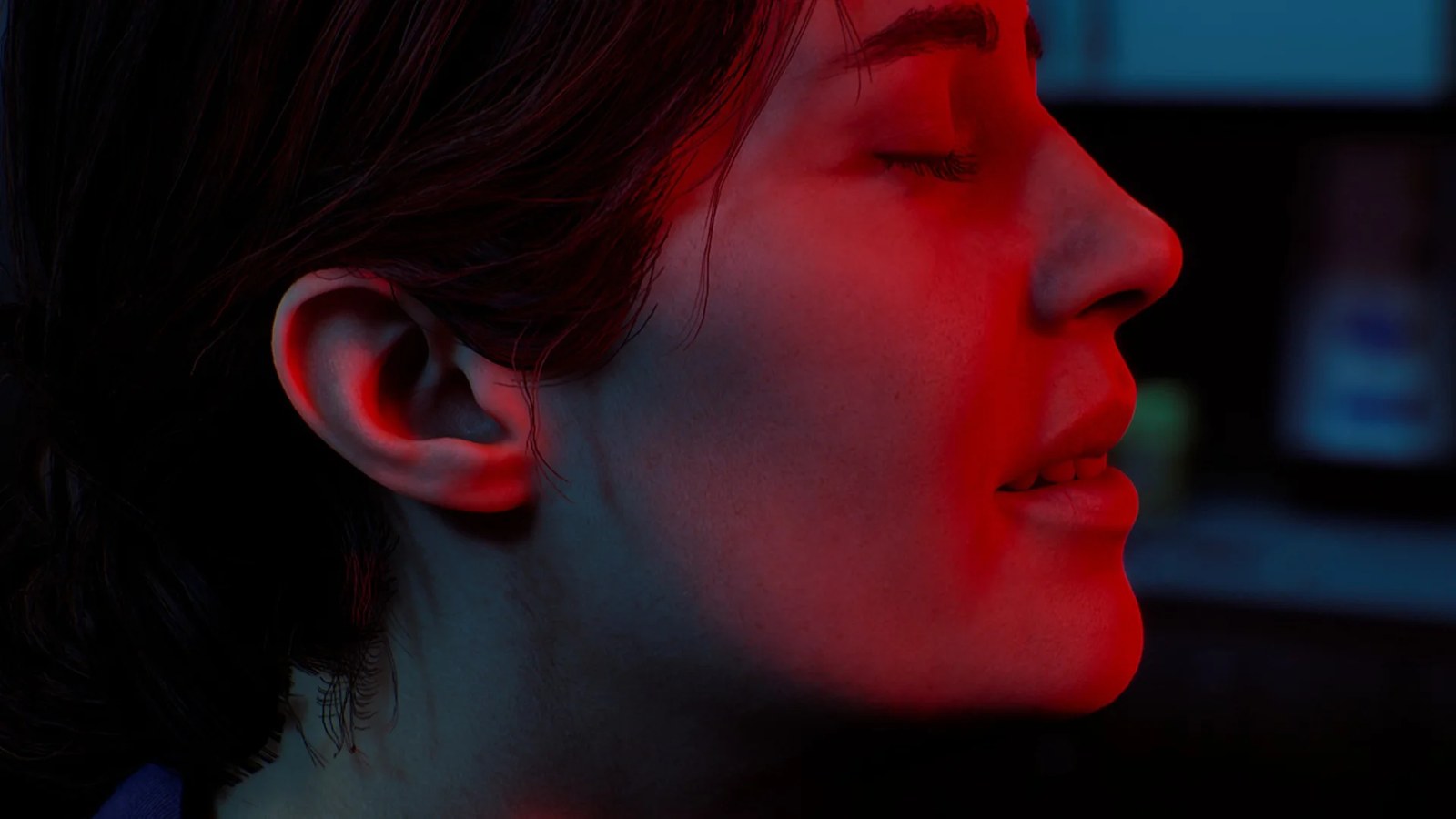
The game offers a robust suite of accessibility options, including a head bob toggle, adjustable aim dot size, subtitle and closed caption settings, individual volume sliders for music, dialogue, and sound effects, an invert Y axis toggle, and a quick time event switch for repeated or held button presses. The review notes that the title’s main stumble lies in its broader rhythms — once its melancholy opening act ends, Townfall roars into high gear and largely stays there, with respite offered only through grimly inventive puzzles.
Ultimately, Silent Hill: Townfall is an often phenomenal ride — reverent to its roots, rich with ideas, and properly unnerving. As the review observes, there is pleasing symmetry in the fact that the two granddaddies of the survival horror genre, Resident Evil and Silent Hill, have bookended the year with their own distinctive highs. Konami, itself undergoing a revival, has transformed the series into one of gaming’s most fascinating properties, and long may its bold creative swings continue.
A copy of Silent Hill: Townfall was provided for this review by Konami.



2 comments
[…] Article: Konami’s Silent Hill: Townfall Reimagines the Series in 1996 Scotland → Kaynak: Polygon […]
[…] Article: Konami’s Silent Hill: Townfall Reimagines the Series in 1996 Scotland → Kaynak: Rock Paper Shotgun […]