
Valve has shipped a fresh build of SteamOS for its Steam Frame VR headset, addressing a battery-charging quirk that left the device sluggish to power up during early testing. The update, released this week, introduces substantially faster charging while the unit is switched off or sleeping, alongside a batch of stability, performance, and compatibility fixes. The change comes after the headset’s launch last week and follows hands-on testing that surfaced a charging behaviour far slower than the hardware’s specifications suggested. The fix arrives as Valve continues to expand its library of officially certified titles for the platform.
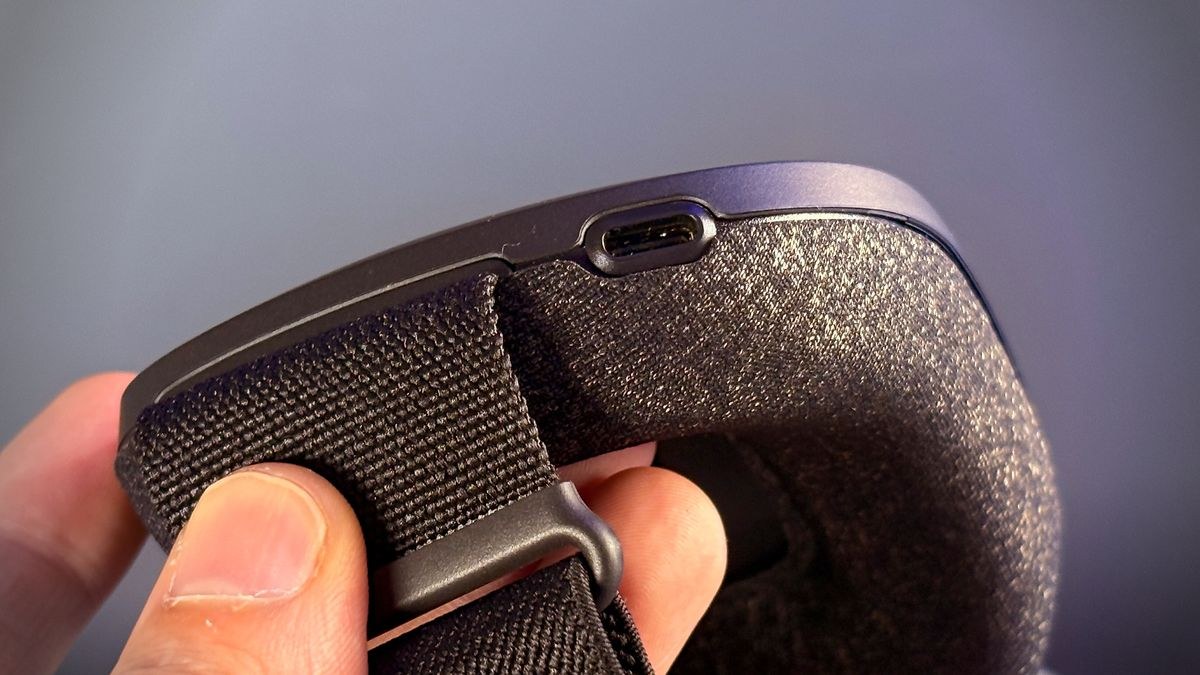
The story began with a simple observation: during review testing, the Steam Frame took more than two hours to charge from a fully depleted state to full capacity. Inserting a power meter between the charger and the outlet revealed a steady draw of just 11 W, well below the 45 W the official power adapter is capable of delivering. Suspecting the slowdown might be a deliberate safeguard for battery longevity, the testing team reached out to Valve for clarification. The company responded that an empty battery takes roughly two hours to reach full capacity, but that charging is not linear—fast charging applies from 0 to 65 percent, with regular charging from 65 percent onward, and that the 65 percent threshold should be reachable in under 40 minutes. The team noted these figures could be optimised over time.
A Sleeping Device Was the Key
The explanation only became clear once the device was left powered down during the charge cycle. Running the battery down to around 4 percent before beginning to charge, the power meter registered roughly 31 W, and the Steam Frame climbed from 4 percent to 65 percent in just 35 minutes—matching Valve’s stated timing closely. The final push to 100 percent then drew 18 W, bringing the total charge time down to about 75 minutes. The discovery revealed that leaving the headset switched on while charging was actively throttling the process, a behaviour that would have bitten thousands of customers once the units reached the wider market.
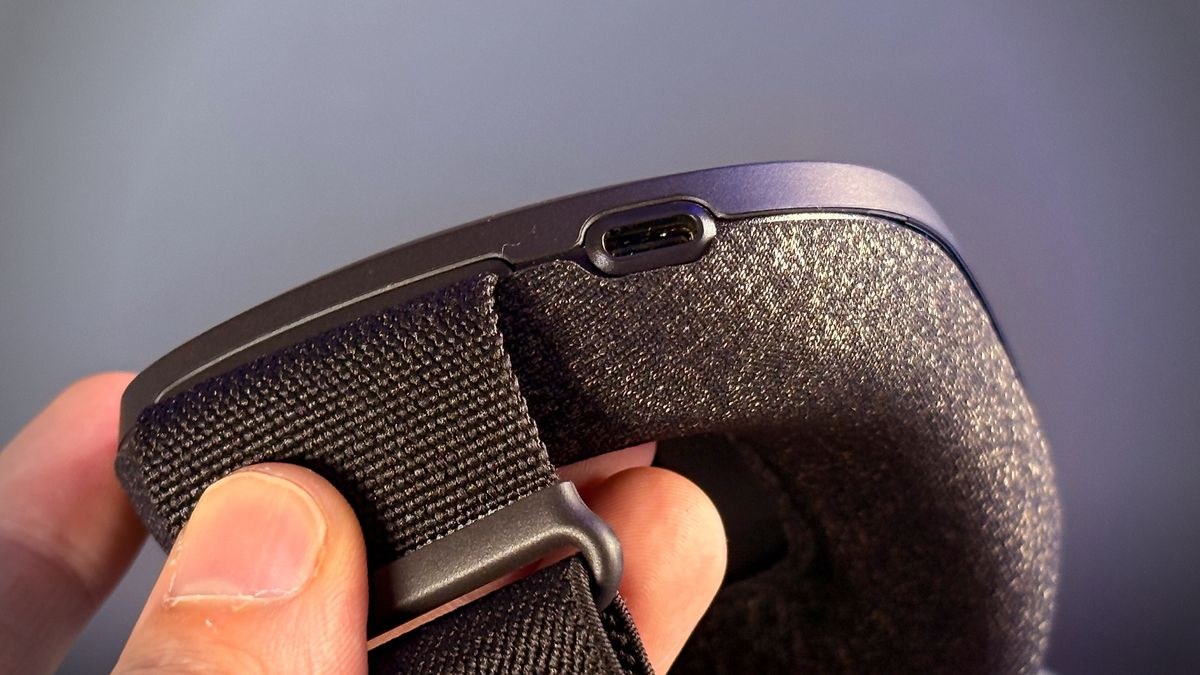
An empty battery takes around two hours to charge to full capacity. However, the charging is not linear. There is fast charging from 0 to 65%, and regular charging from 65% and up. Charging to 65% is expected to take less than 40 minutes. (Note: these values may be optimized over time, and are therefore subject to change.)
Valve
Beyond Charging
The patch notes also carry a set of developer-focused improvements, including a loosened performance criteria to allow any resolution rather than the previous 1440p requirement, plus Vulkan layer fixes aimed at broadening game compatibility. Multiple enhancements to overall system and graphics performance, backed by updates to the Mesa driver stack, round out the release. Valve has confirmed it remains focused on expanding the roster of titles officially certified to run on Steam Frame through Proton and FEX compatibility layers as units begin arriving with customers.
Looking Ahead
With the charging behaviour resolved and the certified game library still in active development, Valve’s priorities appear aligned toward refining both the hardware experience and software support in the months ahead. The company has also encouraged owners to share their availability feedback through a dedicated survey, helping shape its understanding of how the headset is being received. As the Steam Frame ecosystem matures, updates like this one signal a steady cadence of polish that should keep early adopters satisfied while the platform grows.



1 comment
[…] Article: Valve Patches Steam Frame’s Slow-Charging Quirk in New SteamOS Update → Kaynak: Polygon […]