

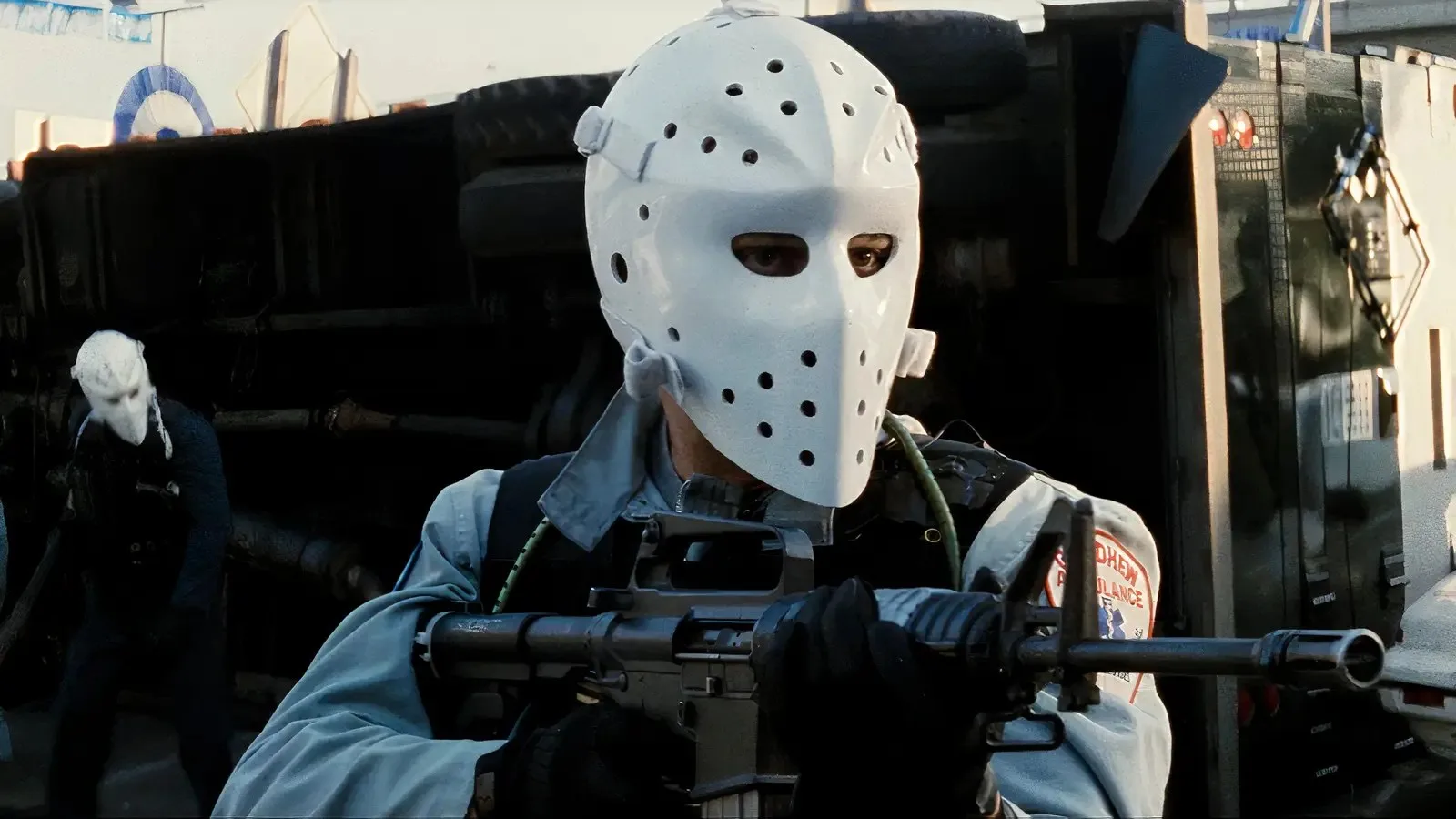
Seven R-Rated Action Movies That Deserve a Perfect 10/10
When it comes to action movies, the “R” rating often conjures images of excessive violence and over-the-top fight choreography. While those elements can certainly be present, a truly great R-rated film goes beyond mere spectacle. It’s about crafting a compelling story with complex characters, pushing boundaries, and leaving a lasting impact on the viewer. Today, we’re diving into seven action movies that not only earn their “R” rating but also deserve a perfect 10/10 for their execution.
The Matrix (1999)
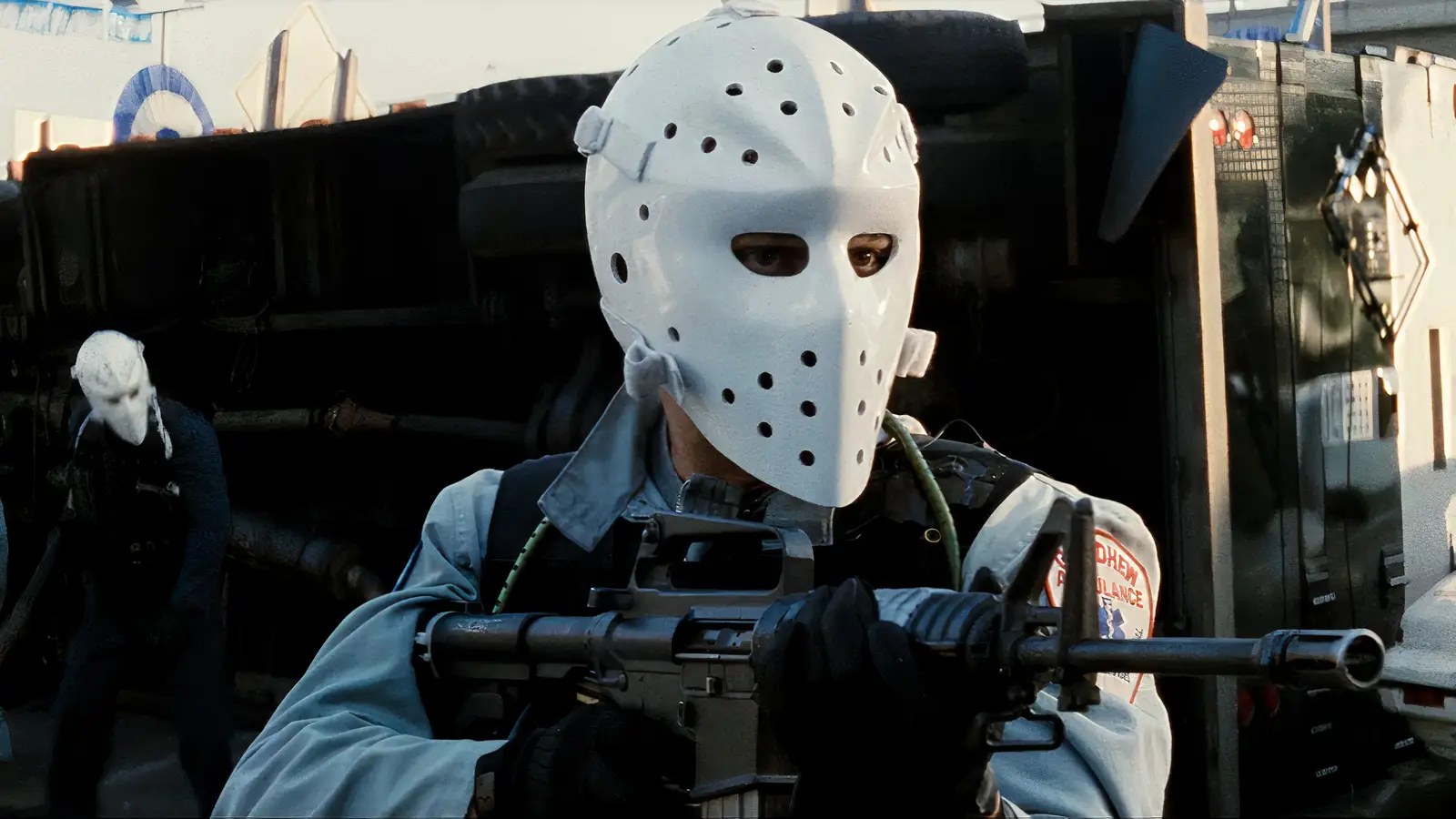
The Wachowskis’ groundbreaking film drew inspiration from cyberpunk literature to create a cinematic masterpiece that remains influential today. While calling it just an action movie feels reductive, the fight choreography in The Matrix is revolutionary. The concept of “bullet time,” where the camera appears to slow down around the action, was popularized by this film and became a defining visual element. Beyond the intense shootouts, The Matrix explores unsettling body horror related to disconnecting from the simulated reality, along with profound themes about the nature of our world. The blend of Hong Kong-style martial arts and cutting-edge sci-fi aesthetics gives The Matrix a unique visual language that countless action movies have tried to emulate.

Terminator 2: Judgment Day (1991)
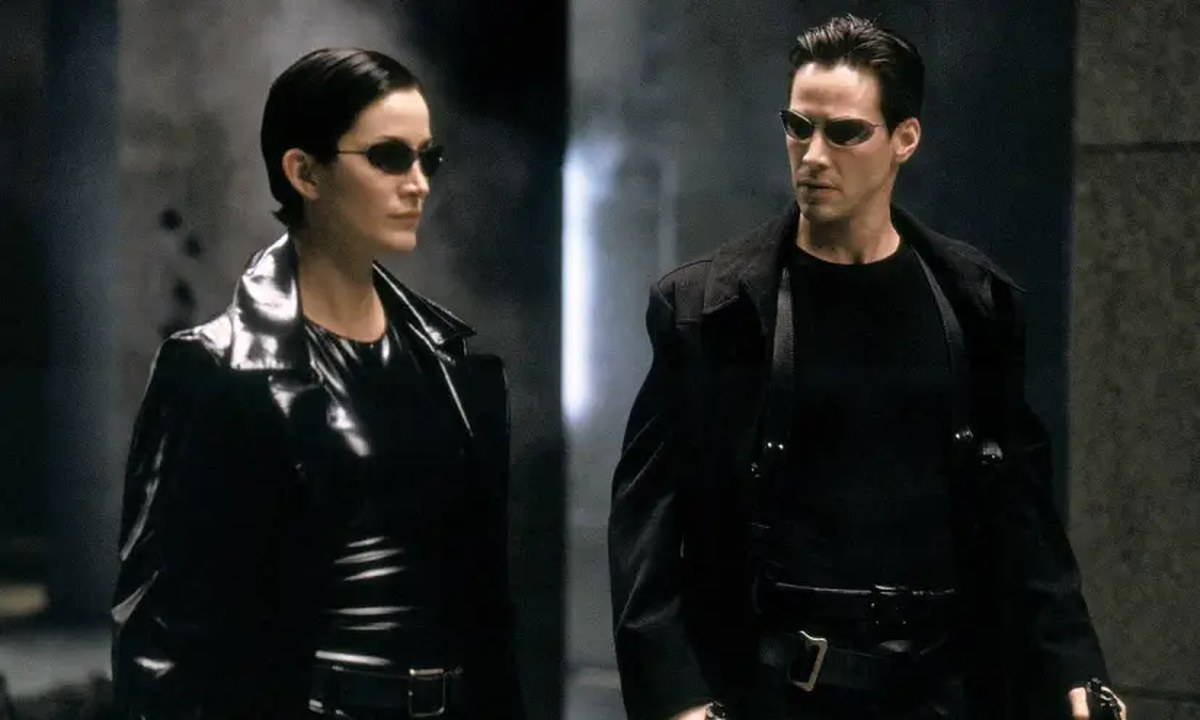
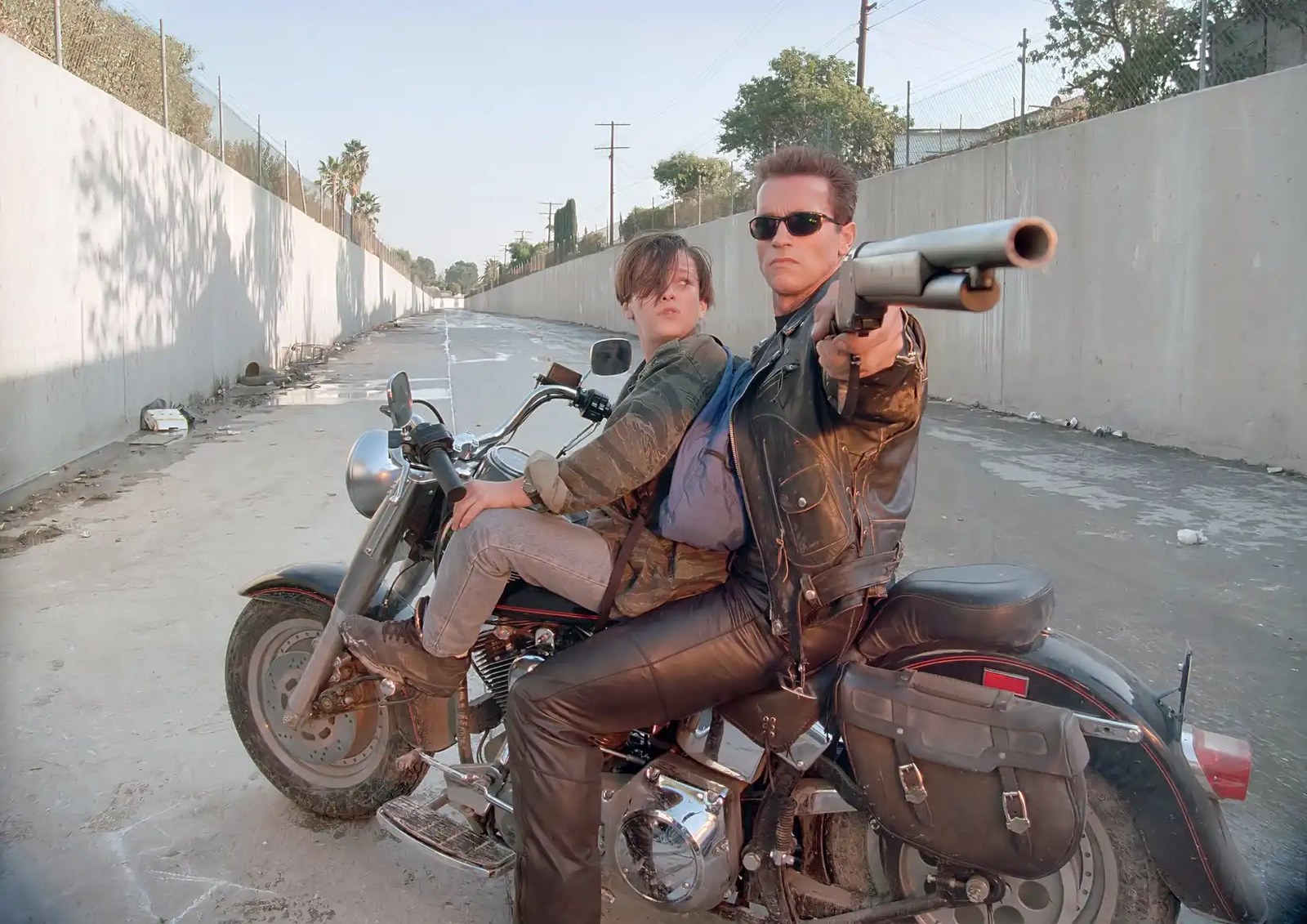
While the original Terminator is a classic, its sequel, Terminator 2: Judgment Day, elevates the action to another level. The premise itself is brilliant: the previously antagonistic T-800 (Arnold Schwarzenegger) returns as protector to a child destined to lead the fight against the machines. The film’s brutal combat alone warrants its R-rating, but Judgment Day also features incredibly realistic special effects wounds and showcases the advanced T-1000 model (Robert Patrick) using liquid metal – a groundbreaking achievement in CGI. The film uses apocalyptic visions to inject terror into its adrenaline-fueled storyline, allowing characters like Sarah Connor (Linda Hamilton) to evolve into compelling figures.
Heat (1995)
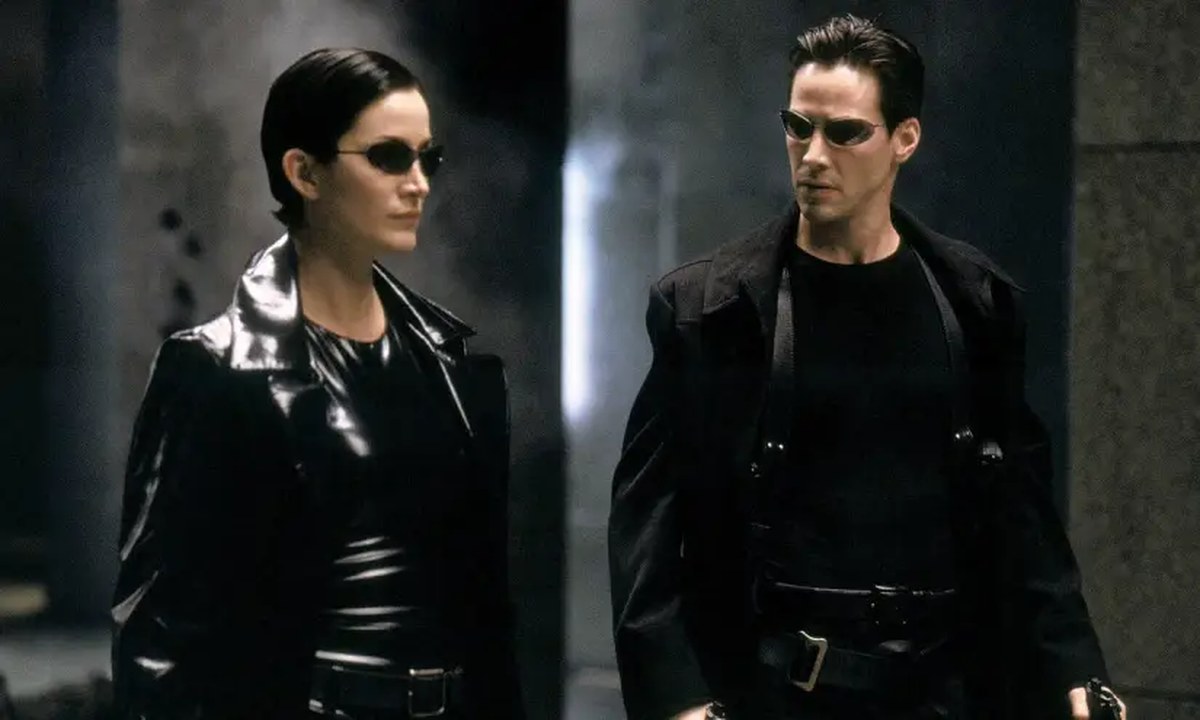
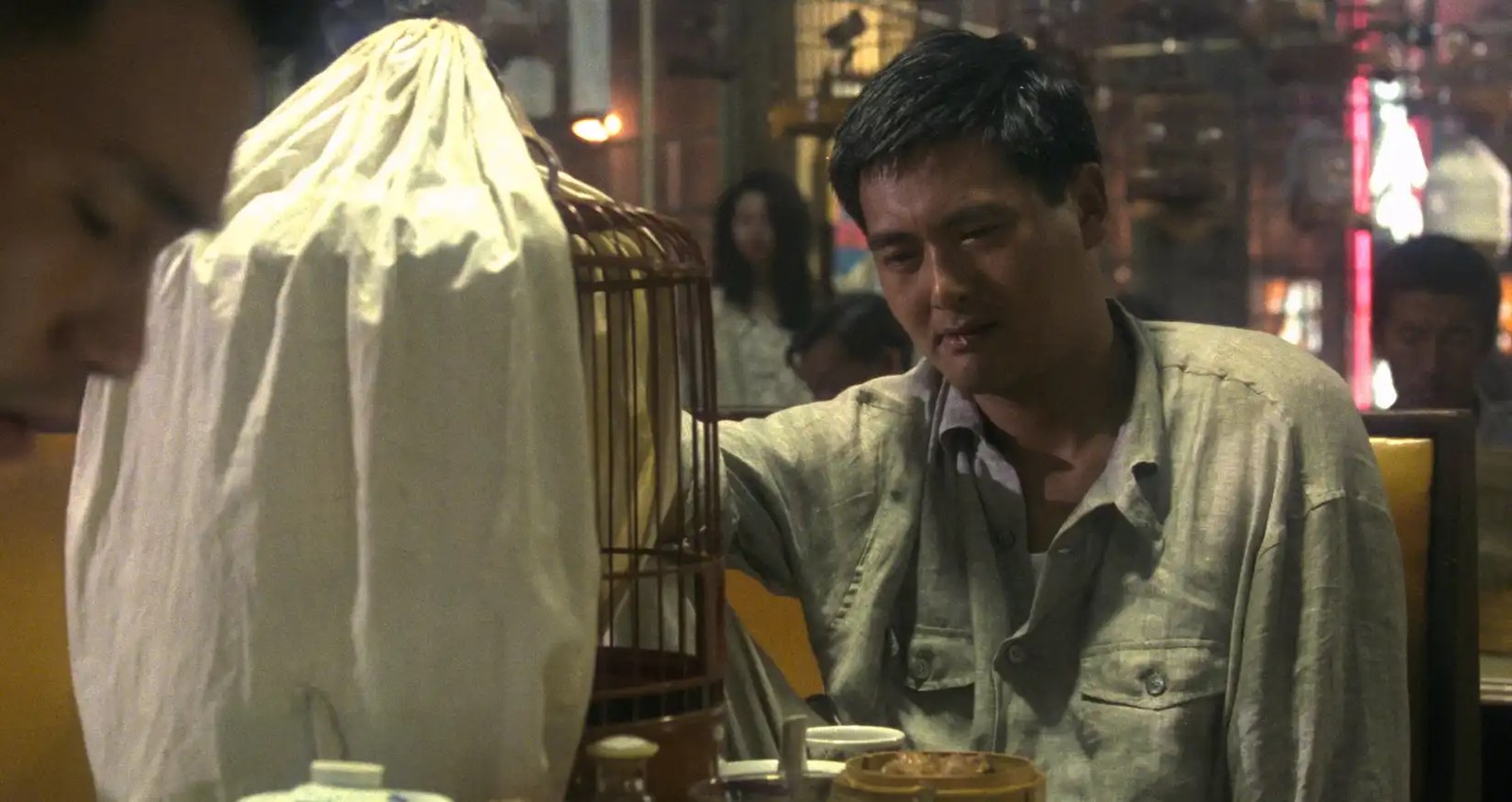
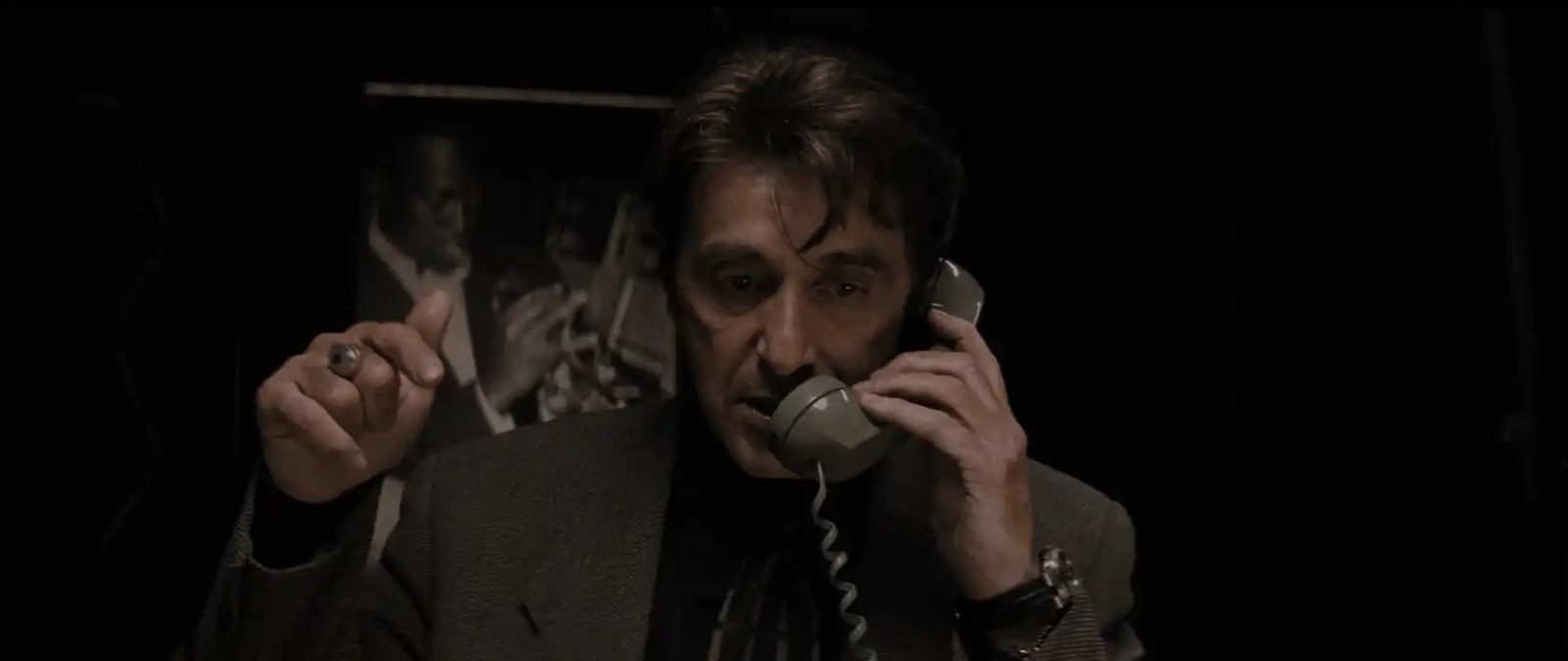
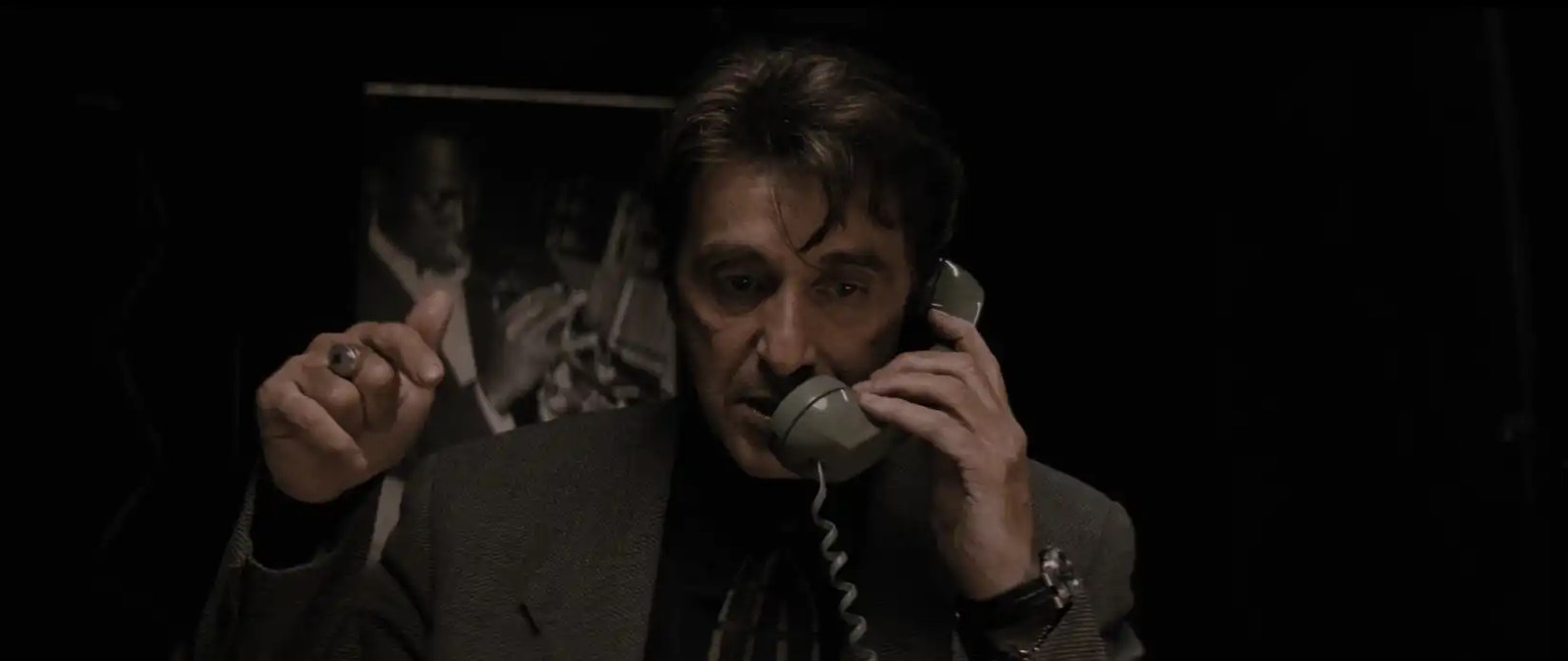
Michael Mann’s Heat is more than just a crime epic; it’s a bleak portrayal of life in a crime-ridden Los Angeles. Characters are forced to make tragic sacrifices for their professions, and innocent bystanders often get caught in the crossfire. The film’s central bank robbery shootout is breathtaking, showcasing Mann’s tactical realism. Heat balances this intensity with intimate conversations that allow characters from opposing moralities to connect, making it a brilliant action thriller that explores the consequences of crime on everyday lives, including detectives who sacrifice their sanity for justice.
Mad Max: Fury Road (2015)
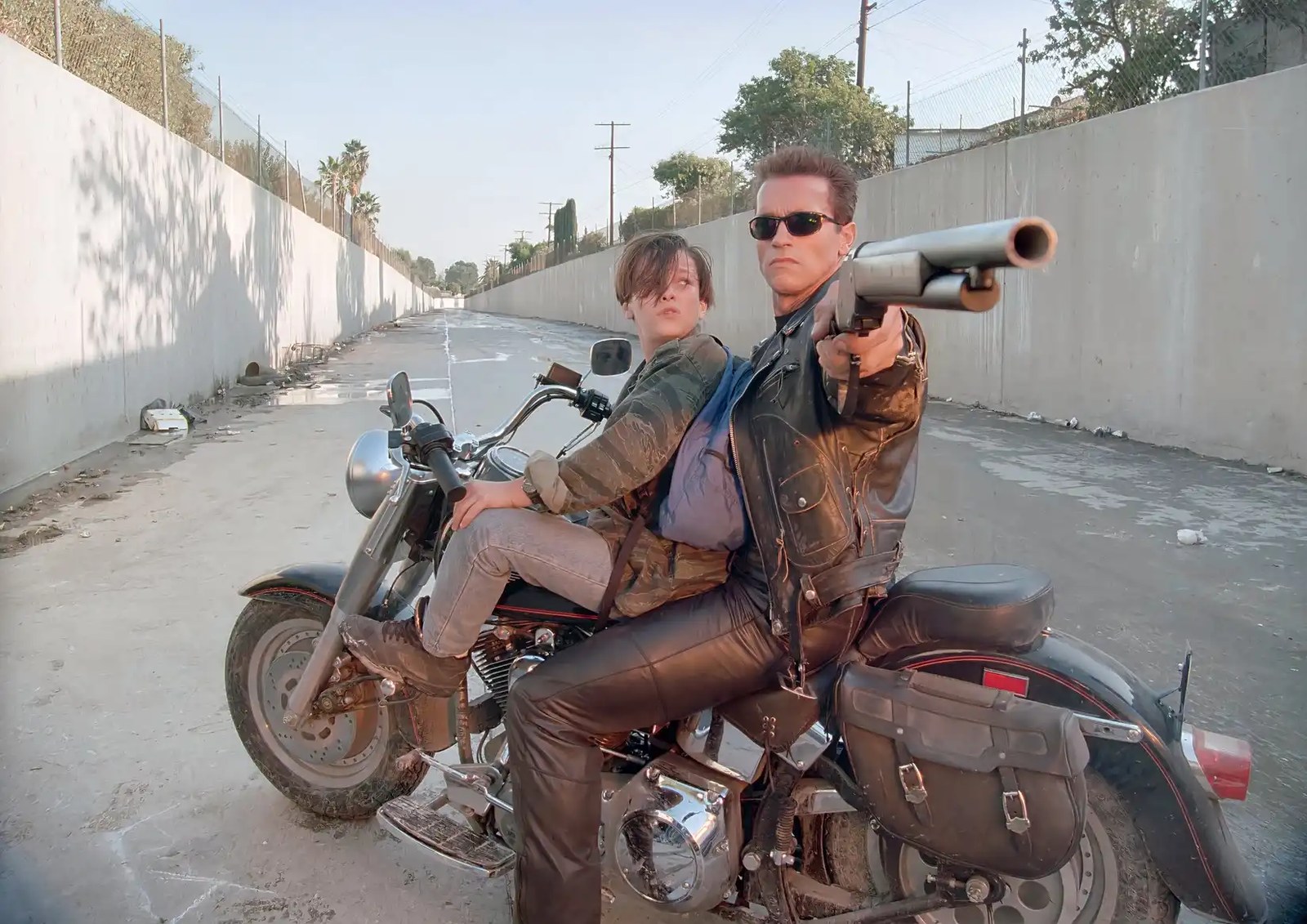
Mad Max: Fury Road transports viewers to a harsh desert wasteland populated by hardened survivors. The film’s R-rating stems from its brutal depiction of a post-civilization world ruled by the cruel Immortan Joe (Hugh Keays-Byrne), who treats survivors as property. Fury Road combines exceptional stuntwork with vehicular combat, using the Namibian desert as a stunning backdrop. While there’s plenty of carnage, Fury Road excels at worldbuilding through visual cues alone. The rebellious Furiosa (Charlize Theron) and survivalist Max (Tom Hardy) team up, triggering a spectacle-heavy quest to escape this hellish wasteland.
Hard Boiled (1992)
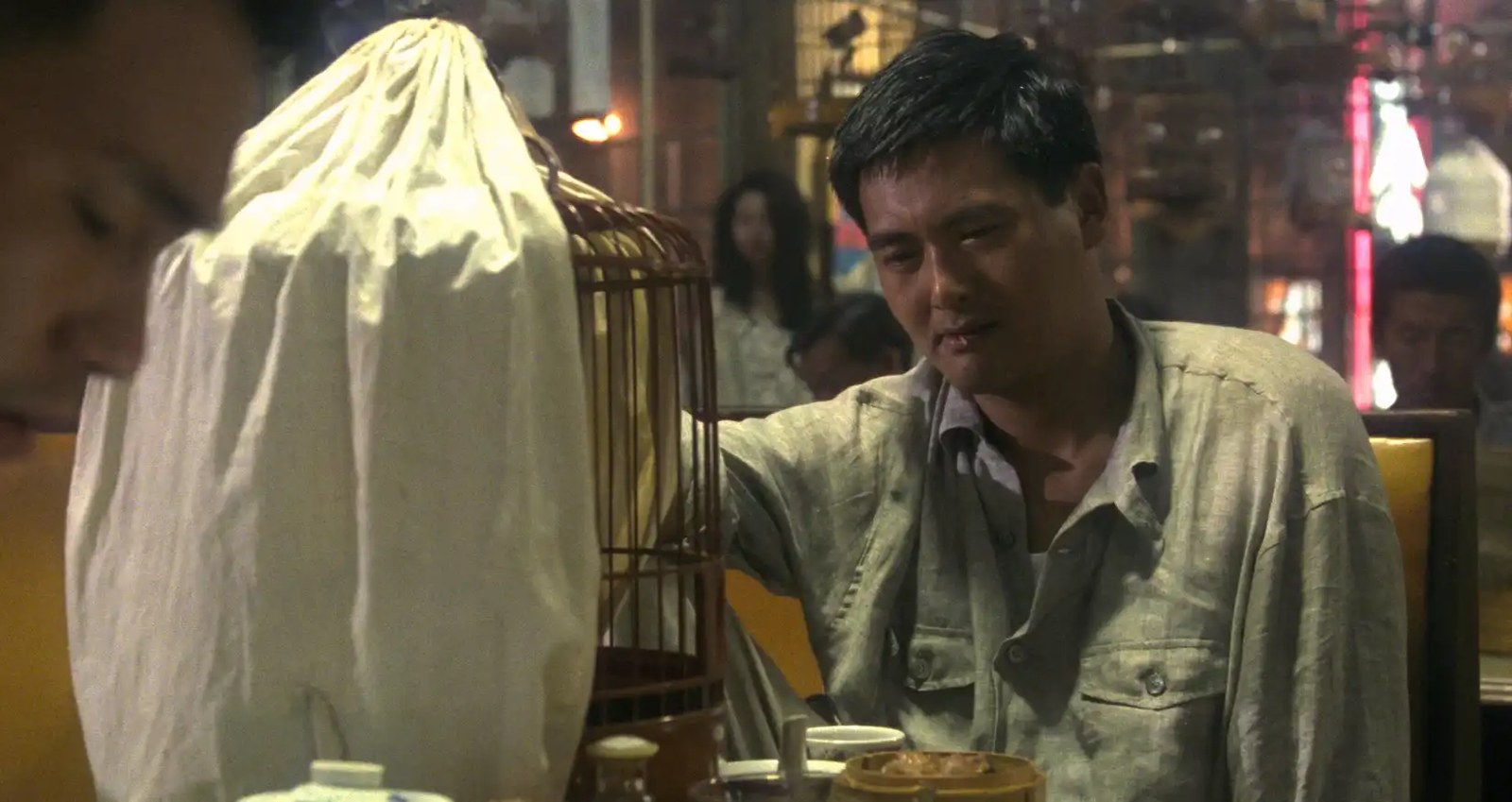
John Woo’s Hard Boiled is a celebration of “gun-fu,” where action isn’t just about raising the stakes; it’s an art form. Shootouts are treated as performances, with characters diving in slow motion, wielding pistols with both hands, and smashing through obstacles with unstoppable momentum. After Inspector Tequila (Chow Yun-fat) loses his partner in a frenetic shootout at the beginning of the film, he embarks on a mission to dismantle a crime syndicate. Woo’s R-rated violence occurs in bursts throughout, serving as a precursor to the chaotic excellence found in action films like Face/Off. This commitment to over-the-top momentum is sustained throughout, but Woo also knows when to slow down and allow Tequila to be multi-faceted and vulnerable.
Die Hard (1988)
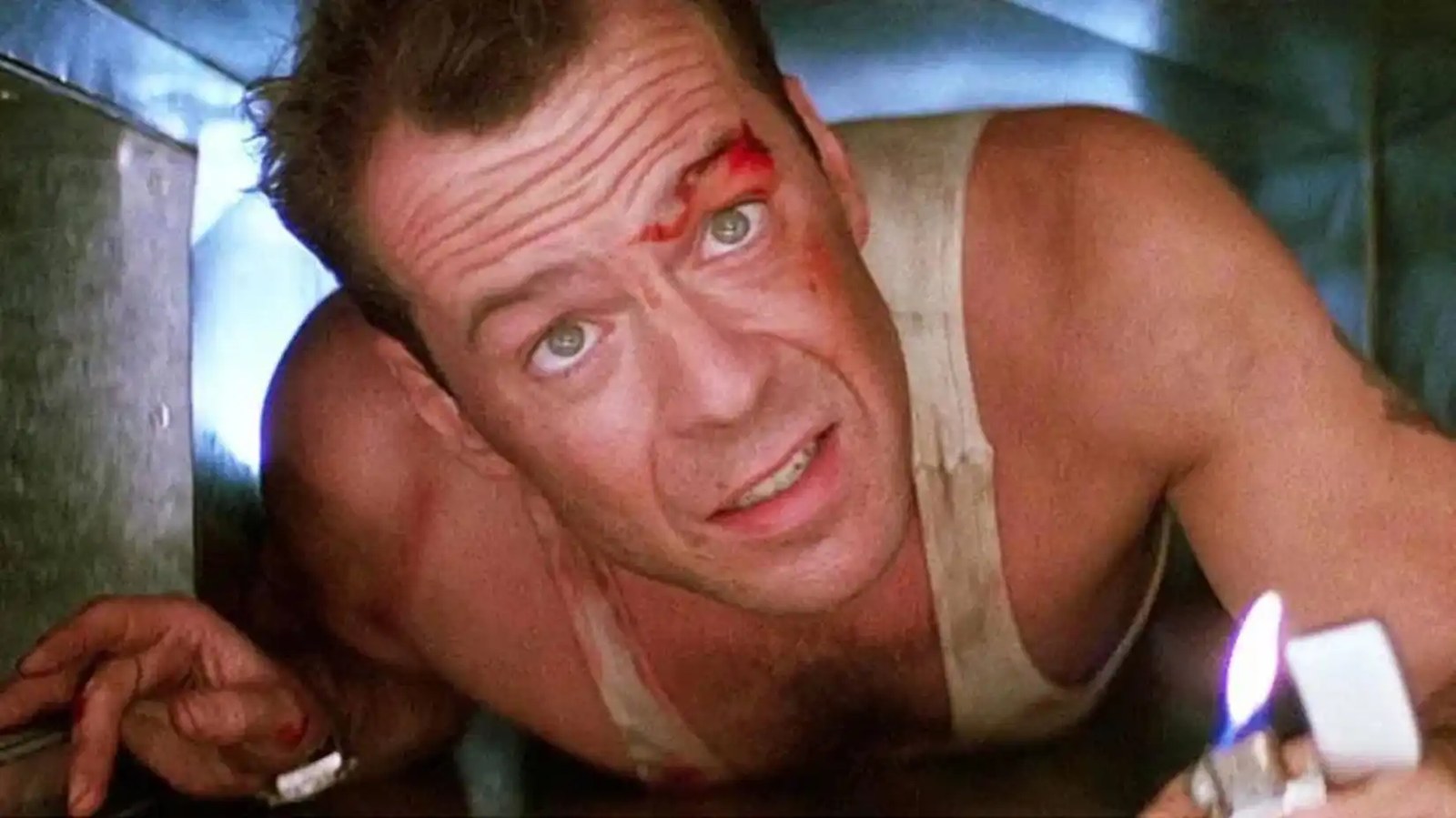
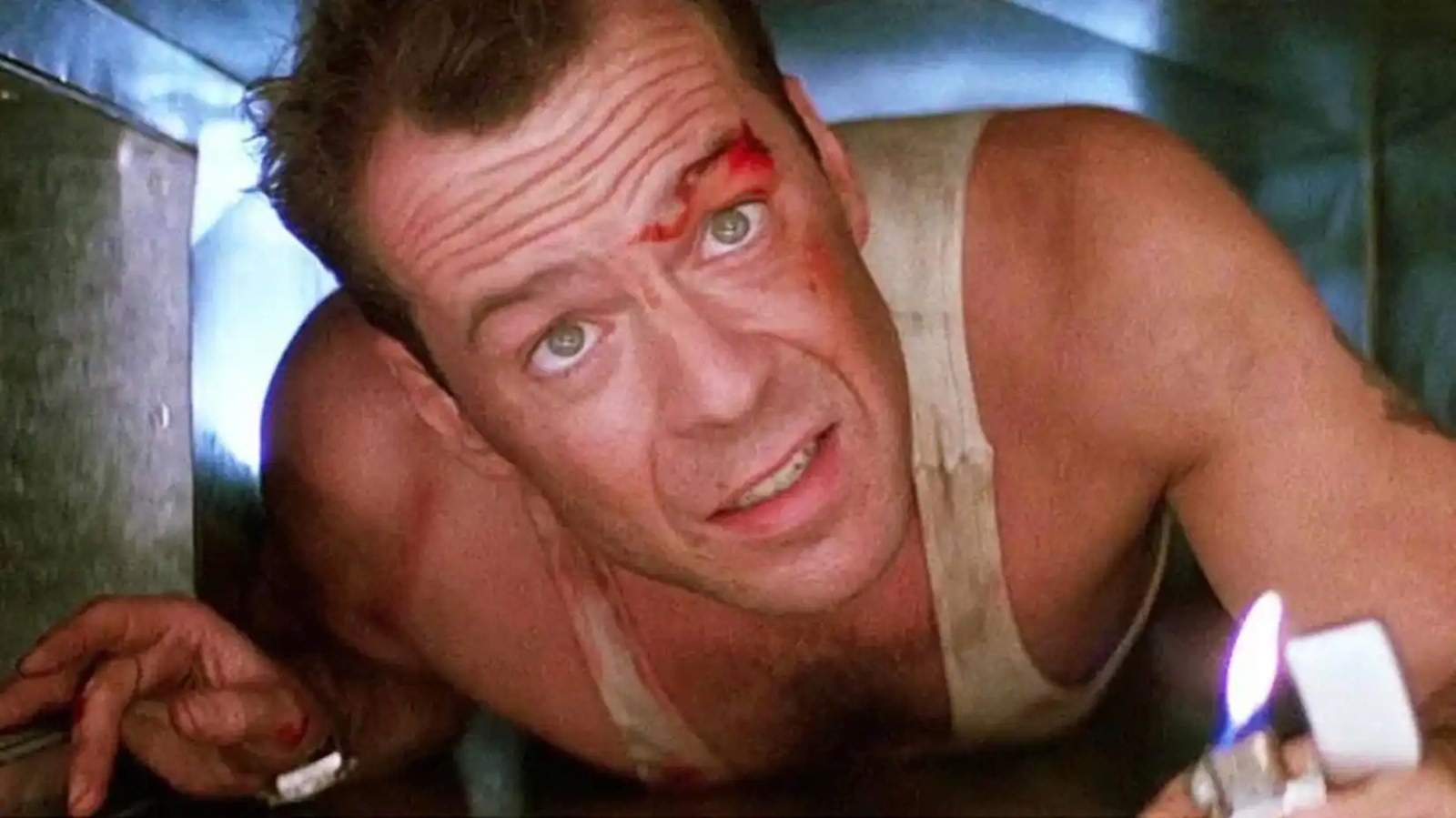
Die Hard is an endlessly rewatchable action masterpiece that taps into the relatability of the “everyman” by focusing on Detective John McClane (Bruce Willis). McClane isn’s invulnerable, which adds to the tension whenever he’s in harm’s way. Die Hard’s grounded tension works in favor of the standout performances that elevate it, most notably Alan Rickman’s Hans Gruber, a calm, sophisticated criminal mastermind. The majority of Die Hard takes place inside Nakatomi Plaza, adding a claustrophobic element to McClane’s mission and his cat-and-mouse dynamic with Gruber. It’s a well-made film with great action and a satisfying payoff, proving that an R-rated action adventure can be incredibly effective.

John Wick (2014)
Chad Stahelski’s John Wick might not have invented gun-fu, but it pushes the concept to its absolute limits. Stahelski’s grasp of controlled chaos is reflected in the impressive stuntwork, which works hand-in-hand with rapid editing and a fluid sense of combat. Wick (Keanu Reeves) isn’t the most morally upright protagonist, but he doesn’t have to be. His vengeance is justified this time around, making our cynical assassin come out of retirement like a boogeyman hell-bent on carnage. The R-rated violence is deliberately messy, often bordering on senseless destruction, where guns, knives, katanas (and even pencils!) are used to inflict harm. The film’s rich worldbuilding bodes well for a story that would go on to become a lucrative action franchise that feels both exciting and cathartic.

Have thoughts, questions, or benchmarks on this topic? Join the discussion on our forums.
Join Discussion ➔






















1 comment