

 •
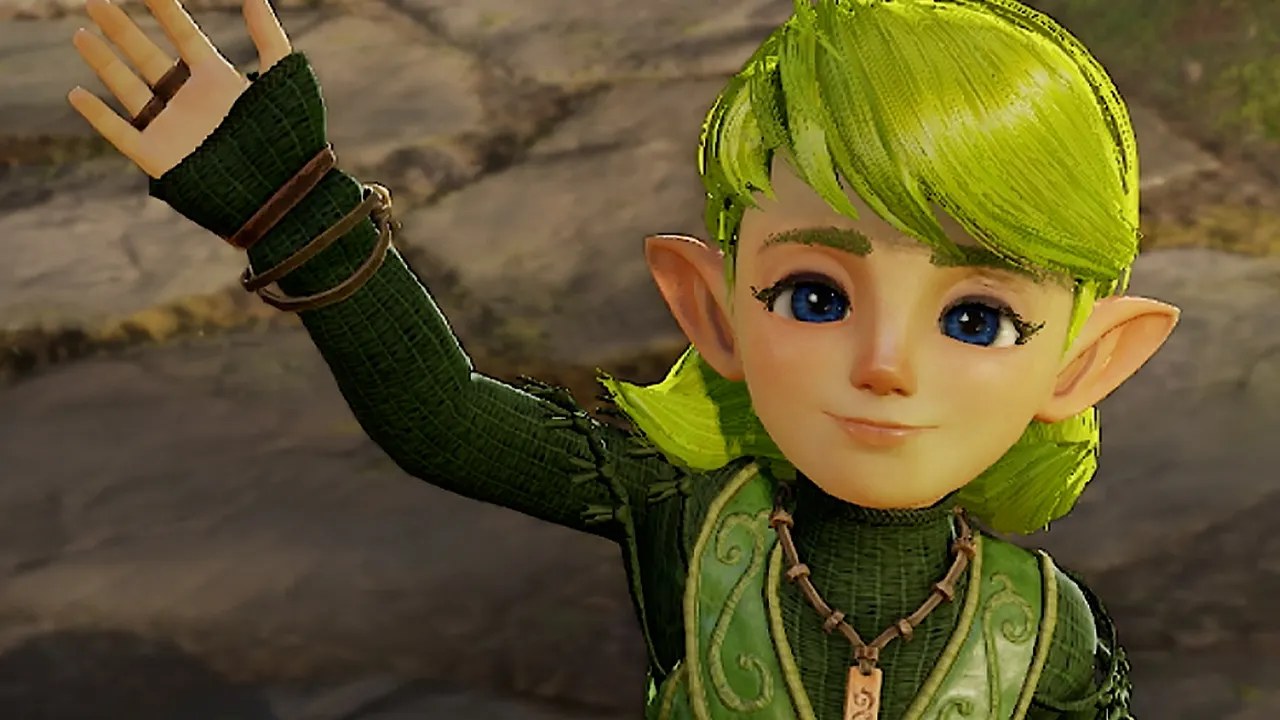
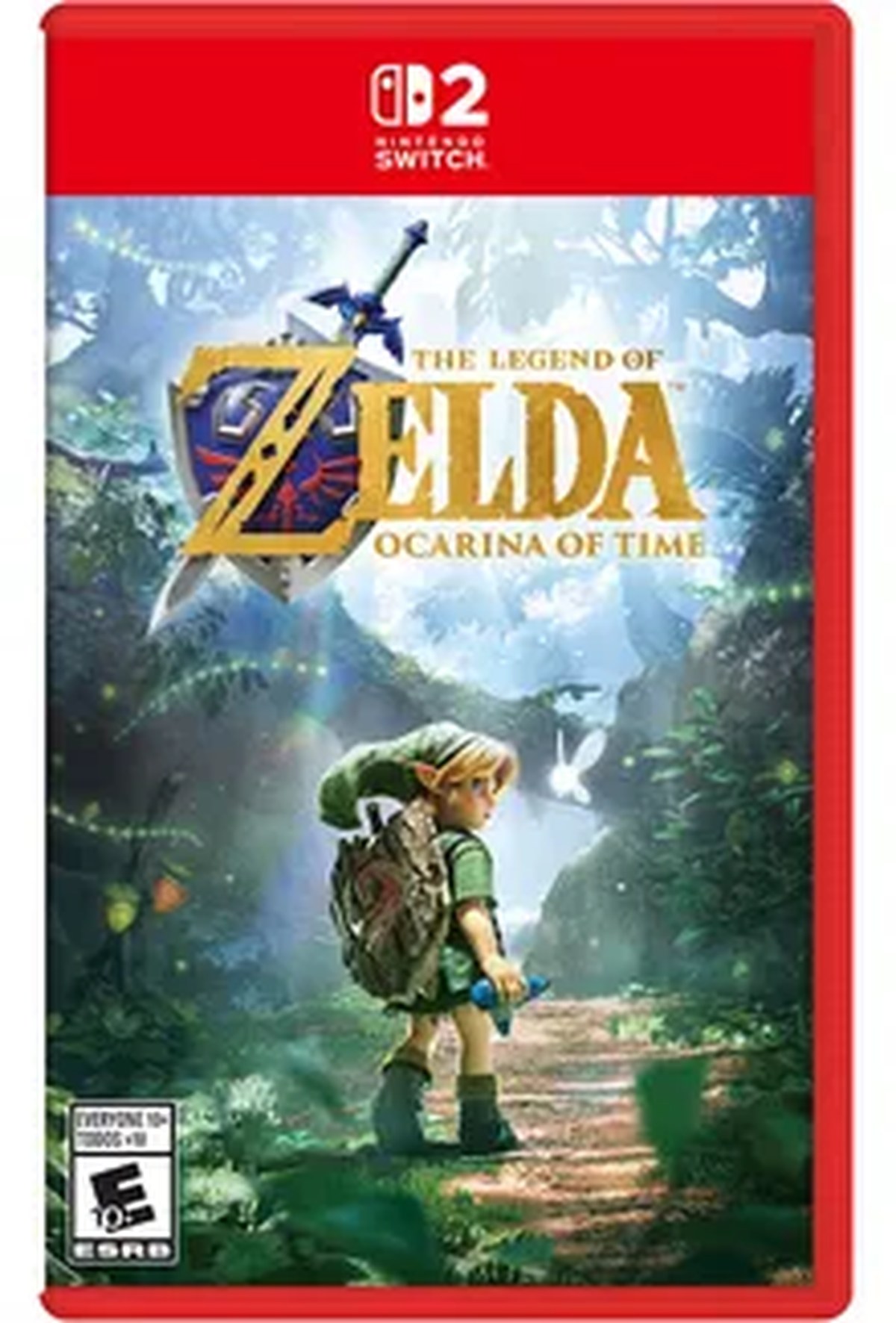
•During a hands-on session with bağlantı”>The Legend of Zelda: Ocarina of Time remake on Switch 2, IGN’s Logan Plant observed more than an hour of changes that illuminate the thinking behind recreating the N64 classic. The game releases November 5.
The list below is not Plant’s official preview, nor does it attempt to catalogue every difference from the original. He focuses on changes he confirmed through gameplay or learned something new worth sharing, leaving out broad overhauls like controls, art style, and voice acting covered in his earlier piece.

The differences span Kokiri Forest, the Great Deku Tree, Hyrule Field, Castle Town, and the Forest Temple. Because discussing them requires explaining the source material, the article contains spoilers for the original game.
Kokiri Forest
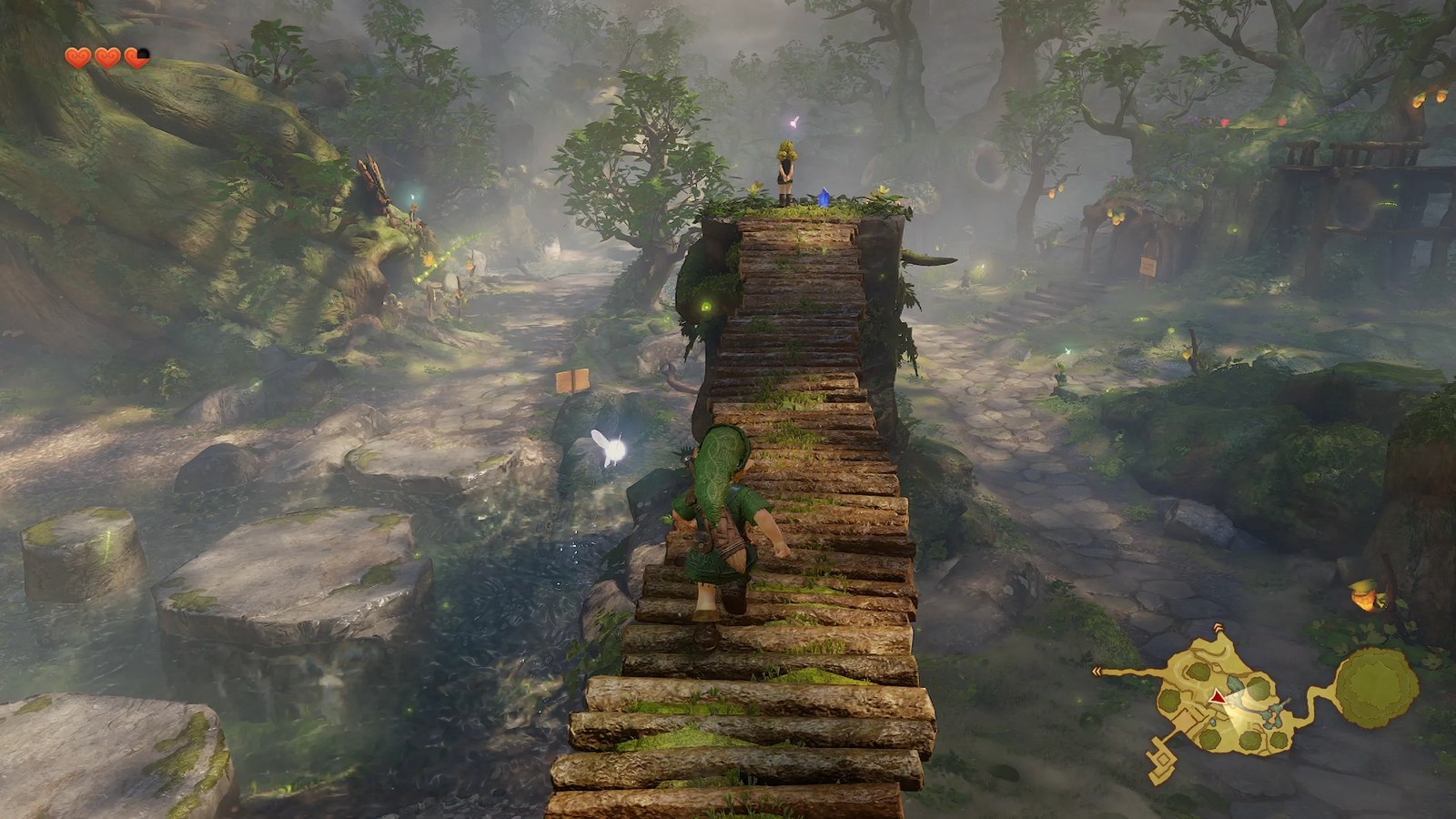
1. Link’s wallet holds 200 rupees from the start, versus the N64’s limit of 99.
2. Jumping across the stone platforms beside the Kokiri shop no longer grants a secret five-rupee reward; instead, additional blue rupees are scattered throughout the forest.
3. A new scarecrow training dummy sits to the right of the shop counter, where a villager runs Link through a quick tutorial on raising his defenses.
4. The Kokiri Sword challenge has been overhauled: the treasure chest now rests high on a platform in the middle of the room, requiring a jump rather than practicing camera reorientation to reach it.
The Great Deku Tree
5. In the slingshot room, a second smaller chest previously held a random recovery heart. It now holds several Deku Nuts instead.
6. Skulltula attack patterns have changed: striking one with your sword sends it spinning to expose its soft underbelly, rather than occasionally revealing the weak spot on its own. Plant notes this fits the remake’s focus on logic—an enemy no longer gives an unearned opening; you must trigger it.
Hyrule Field
7. Lon Lon Ranch now appears more naturally woven into the environment, with horses visible grazing from outside rather than hidden behind high walls.
8. Peahats once decorated the corners of Hyrule Field; on Plant’s playthrough, several appeared in more central locations as he headed to Castle Town.
9. Near new Peahats, a cracked section of ground looks suited for a bomb. Original hidden-room entrances were often invisible to the naked eye, making this a clearer hint toward a secret area.
10. A sign outside Castle Town’s gate—flagged in Plant’s earlier “Biggest Changes” piece as potentially containing lore about Hyrule or Skyward Sword—turns out to be merely a large directional sign pointing toward the field’s biggest landmarks.
Castle Town
11. Castle Town has shifted from fixed camera angles to full third-person control. Plant walked seamlessly from the town’s entrance to the Temple of Time with no loading screens or camera breaks.
12. A new NPC—a blonde woman—warns Link not to spend all his money upon entering, despite the market’s many options. As this is only his first visit, Plant hopes she gains additional quest or dialogue later on.
The Forest Temple
A spoiler warning applies here: some of the puzzle changes are fairly significant.
13. At the temple entrance, Link now aims his Hookshot at a traditional target above the front door rather than hooking onto a tree branch. Combined with shooting an eyeball target instead of a ladder in the Great Deku Tree, this suggests the remake intends to teach players how to use these items on recognizable, intended targets.
14. After pushing blocks and climbing ladders to reach a room’s top, a new elevator now lets players avoid re-walking tunnels and re-climbing ladders on repeat visits.
15. Floormasters are now telegraphed by a bright spotlight that shines on Link and changes color just before the hand swoops down—a change Plant ties to the remake’s theatrical vibe.
16. An arena where Link fights a Stalfos once had a giant hole in its center; the skeleton could hover over it while players risked falling. That hole is now a shallow pool of acid: skeletons still walk through it, but Link takes damage. The fight plays out as before—the Stalfos controls the whole room while Link is constrained to its edges—but Plant calls the construction “more logical.”
17. Rooms on the mansion’s red-Poe side now feature red carpeting and stained glass windows, while their counterparts on the blue-Poe side are blue—a distinction that makes otherwise similar rooms easier to tell apart.
18. A torch puzzle once involving spinning platforms has been redone without rotating elements.
19. Guard rails have been added where a giant block crashes onto the floor, preventing Link from leaping onto it before it rises. On N64, players couldn’t jump at will; developers had to rethink much of the world’s geometry now that jumping is always available.
20. The final two Poe encounters have been remixed: the sliding-block puzzle revealing the green Poe no longer has a time limit, and each round of the final Poe fight is unique rather than repeating the same pattern three times. A new cutscene also leads into the battle.
21. The room before the Forest Temple boss once required rotating a cylinder’s inner wall to reach outer-wall rooms. That concept remains, but now involves torches as well.
General Changes
22. Characters have expanded dialogue throughout Plant’s session—Link’s friends seem to know him better, the Kokiri shopkeeper has beef with Mido, and Castle Town villagers show interest in the “mysterious forest boy.” A few cutscenes feature voice acting, and new dialogue choices echo Link’s snarkier tone from Breath of the Wild and Tears of the Kingdom.
23. Din’s Fire now casts in real time rather than freezing the world, forcing players to ensure they aren’t at risk of being hit before using it.
24. Like the 3DS remaster, playing the Ocarina quickly opens a songbook showing button prompts for each song without entering the pause menu.
25. The original offered four collectible bottles; the remake’s inventory shows five slots. Plant confirmed the extra slot during play, meaning an additional bottle is involved somehow in Link’s quest.
26. On the inventory screen, the top-left quadrant holds items only Child Link can equip and the top-right holds Adult Link’s tools; the bottom half contains shared items, with dividing lines separating the three areas.
27. When the Hookshot aligns with a strikeable enemy, the target reticle shifts from blue to red.
28. A quest log lightly guides players toward their next objective and adds flavor text written like old legends—”There once was a boy named Link…”—which Plant finds fitting.
29. Plant praised the music, describing it as “a joy to listen to” from Kokiri Forest through Hyrule Field, with classic songs brought to life by recordings of real musicians.
The game launches November 5. For his official hands-on preview and further discussion on this week’s Nintendo Voice Chat, readers can visit the links below.
bağlantı”>Check out Logan Plant’s more formal first impression of Ocarina of Time here, bağlantı”>watch this week’s Nintendo Voice Chat, and read his bağlantı”>official hands-on preview.























1 comment