

 •
•Two decades after The Lord of the Rings trilogy established its reputation for detailed prosthetics and creature work, New Zealand studio Wētā Workshop applied those same practical-effects techniques to Black Sheep, a 2006 comedy-horror film that has been described as one of the country’s strangest zombie movies.
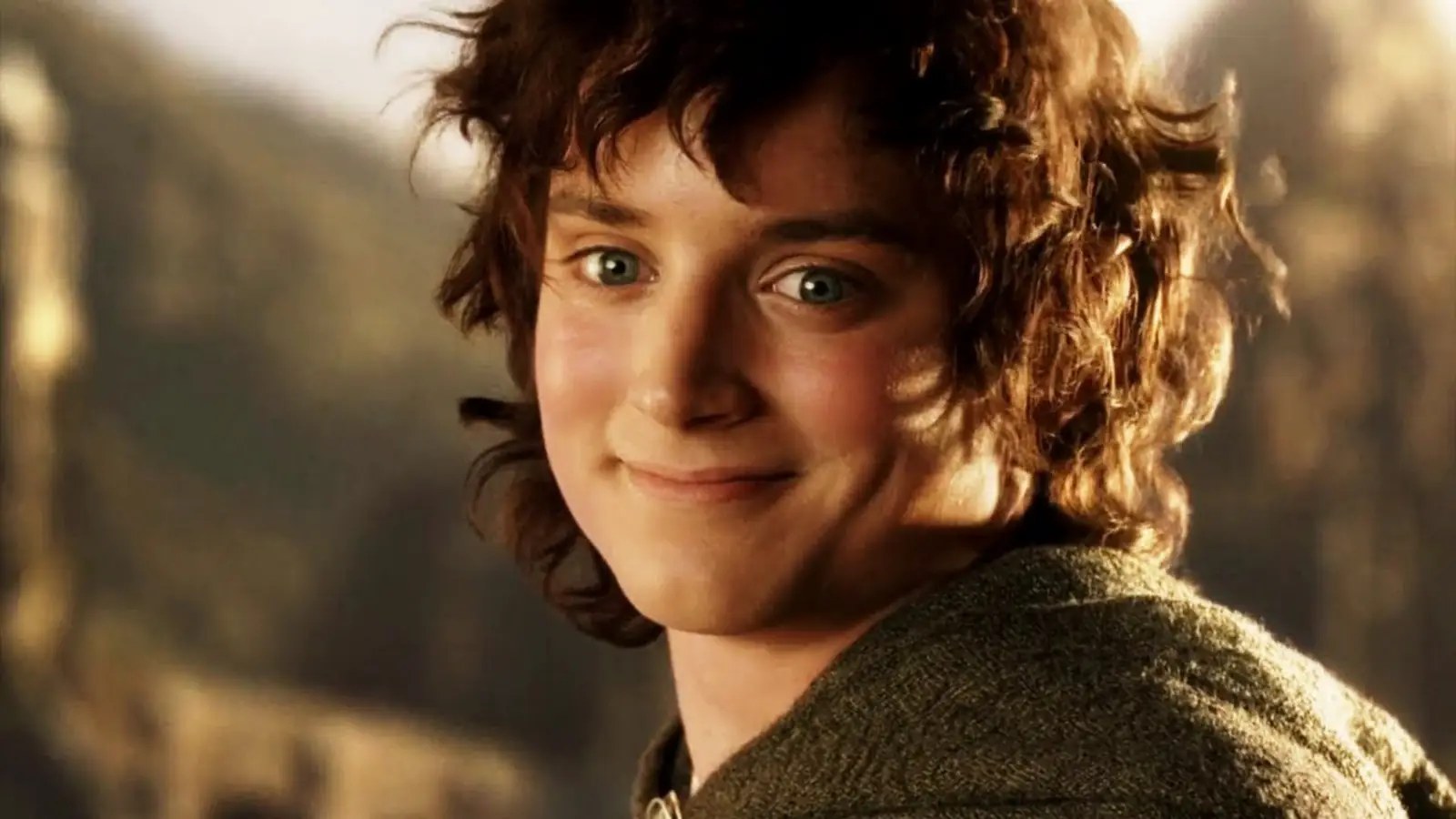
The Fellowship of the Ring remains widely regarded as one of the greatest fantasy films ever made, praised for its acting, soundtrack and New Zealand scenery. But according to reporting on the film’s legacy, the trilogy could not have looked as convincing without Wētā Workshop—the effects house distinct from the digital studio Wētā FX—crafting every elf ear, dwarf nose, orc prosthetic and link of chainmail by hand.

Those lessons carried over to Black Sheep, a film that director Jonathan King approached with surprising seriousness. The story follows Henry (Nathan Meister), who develops a phobia of sheep after a cruel prank by his brother Angus (Peter Feeney). A decade later he returns to sell Angus his share of the family farm—only to discover his brother has been running genetic experiments on the flock, producing sheep that attack and bite humans, transforming them into bloodthirsty half-human/half-sheep killers.
The film’s premise is absurd, yet it tackles themes of corporate greed and animal cruelty. As one reviewer noted, “Black Sheep’s message about corporate greed and animal cruelty remains pretty damn relevant even 20 years later,” despite scenes such as throwing mint sauce at a sheep to make it smoke and writhe.
Wētā Workshop leaned heavily into the gruesome elements King required. Aside from a few mistakes edited out, the film used very few visual effects; instead, the viscera-covered killer sheep were created by combining animatronic puppets with stitched-together creature suits worn by performers.
The most memorable puppet was the bloodthirsty “sheep baby” experiment that tears through an environmental activist in an early scene. Made of foam latex, it featured dual-gimbal cable controls, rod puppetry for its arms and a servo pack to aid movement—rendering it “impressively expressive, grotesque and slimy as it chomped into a man’s jugular.”
children’s book characters gone murderous
The studio also transformed creature-suit performer Kevin McTurk into a were-sheep. The eight-foot-tall suit was built around his frame—though he still had to wear stilts—and included an animatronic head, with some visual effects reserved for the human-to-sheep transformation.
Though the orcs of Moria and the were-sheep appear unrelated, Wētā’s work on both films demonstrates that practical effects suited each project. The realism of the murderous sheep reportedly would not have matched with CGI alone—helping audiences look past a premise “strange enough to make anyone dismiss it.”
A sequel, Black Sheeps, is set to release on Nov. 12 this year, with both King and Wētā Workshop returning. Whether it lives up to the original remains to be seen, but with Wētā involved, master puppetry and animatronics are expected.
Black Sheep is streaming on Starz.























انضم إلى المحادثة