Introduction: The Next Chapter for Mario Kart 7
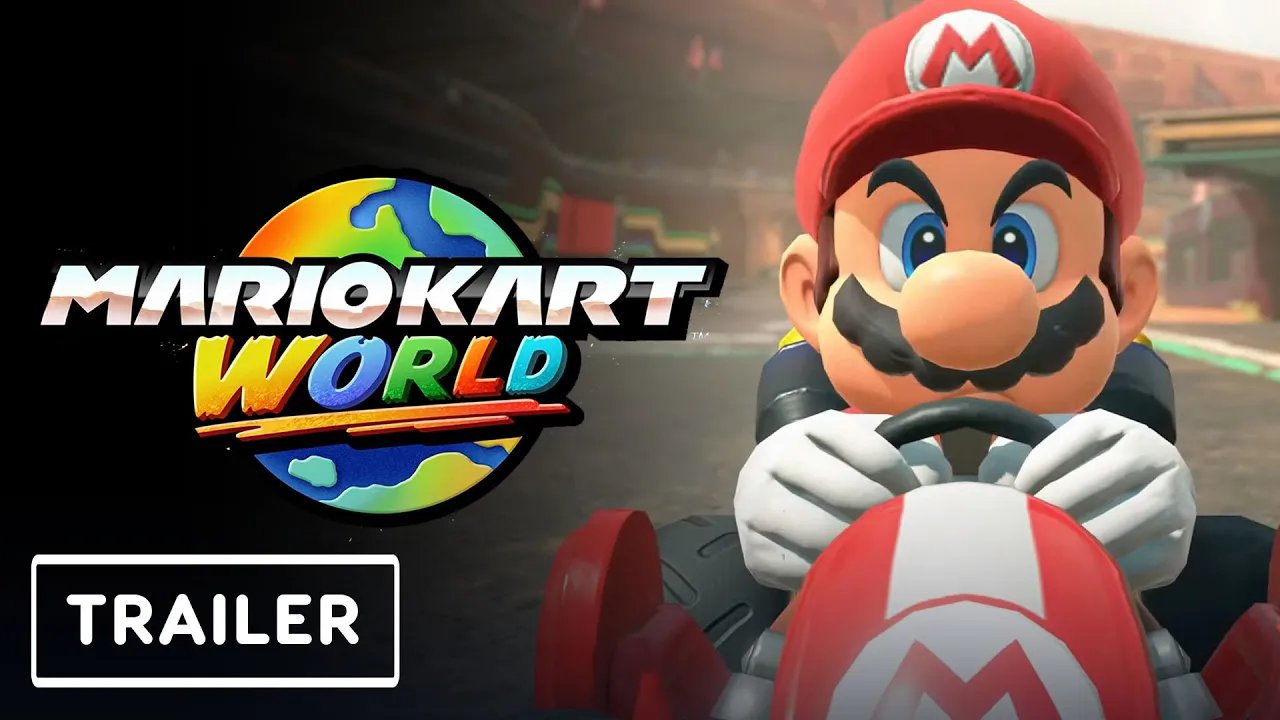
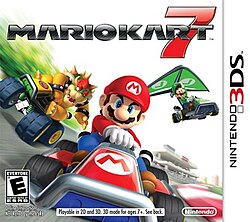
Mario Kart 7, released in 2011 for the Nintendo 3DS, wasn’t just another kart racer; it was a significant evolution of the beloved franchise. Developed by Nintendo EAD in collaboration with Retro Studios, this title aimed to leverage the unique capabilities of the 3D handheld console while retaining the core gameplay that made previous installments so successful. It represented a bridge between the Wii era and the future of Mario Kart, introducing innovative features like hang-gliding and first-person driving, all while maintaining the accessibility and charm that defined the series. The game’s legacy extends beyond its technical achievements; it solidified Mario Kart 7 as a cornerstone title for the Nintendo 3DS library.
Visual Direction and Graphics Engineering
The visual direction of Mario Kart 7 was a crucial element in showcasing the power of the Nintendo 3DS. While not pushing the console to its absolute limits, the game delivered vibrant and colorful graphics that were both charming and technically impressive for the platform. The character models retained their signature cartoonish style, while the environments were richly detailed and varied, ranging from lush forests to bustling cities. The implementation of stereoscopic 3D was a key feature, adding depth and immersion to the racing experience. This visual fidelity, coupled with clever use of particle effects and lighting, created a visually appealing and engaging world for players to explore. The graphics engine, while proprietary, demonstrated Nintendo’s commitment to optimizing performance on the 3DS hardware, ensuring smooth frame rates even during intense multiplayer races.
Gameplay Mechanics and Core Systems
Mario Kart 7 built upon the established gameplay formula of its predecessors, introducing several key innovations that enhanced the core racing experience. The most notable addition was the ability to use hang-gliding attachments for karts, allowing players to navigate aerial sections of tracks for the first time in the series. This added a new layer of strategy and skill to the gameplay, as players had to carefully manage their altitude and momentum while soaring through the air. Another significant feature was the introduction of first-person driving, offering a unique perspective on the races. The game also retained the familiar item system, with a variety of power-ups that could be used to hinder opponents or gain advantages. The kart customization options were expanded, allowing players to fine-tune their vehicles’ performance and handling characteristics.
Level Design and World Atmosphere
The level design in Mario Kart 7 was a masterful blend of familiar locales and entirely new environments. From the vibrant landscapes of Coconut Mall to the treacherous paths of Mount Magma, each track offered a unique visual experience and gameplay challenge. The inclusion of both ground-based and aerial sections added depth and variety to the racing experience, encouraging players to explore different strategies for navigating the courses. The attention to detail in the environments was remarkable, with subtle animations and interactive elements that brought the worlds to life. The level design also cleverly incorporated iconic Mario characters and objects, creating a sense of nostalgia and familiarity for long-time fans.
Narrative Depth and Character Profiles
While Mario Kart games are primarily focused on racing, they often feature lighthearted narratives and memorable character interactions. In Mario Kart 7, the story revolves around a mysterious force that has transformed some of the characters into mischievous Koopa Troopas, who are causing chaos throughout the Mushroom Kingdom. The game features a cast of seventeen playable characters, each with their own unique stats and abilities. While the narrative is not deeply complex, it provides context for the races and adds to the overall charm of the experience. The character profiles offer glimpses into the personalities of the iconic Mario universe inhabitants, adding depth and personality to the gameplay.
Sound Design and Acoustic Realism
The sound design in Mario Kart 7 was a crucial element in creating an immersive and engaging racing experience. The game featured a mix of original music tracks and remixes of classic Mario themes, all composed by Kenta Nagata and Satomi Terui. The soundtrack perfectly complemented the visuals, enhancing the sense of speed and excitement during races. The sound effects were equally impressive, with realistic engine noises, tire squeals, and impact sounds that added to the overall realism. The audio cues also played a crucial role in providing feedback to the player, alerting them to incoming items or hazards.
Release Expectations and Community Hype
The release of Mario Kart 7 was highly anticipated by Nintendo fans worldwide. As one of the flagship titles for the Nintendo 3DS, it represented a significant opportunity to showcase the console’s capabilities. The game generated considerable hype in the months leading up to its launch, with trailers and gameplay demos teasing the new features and improvements. The community eagerly awaited the chance to experience the innovative hang-gliding mechanic and the enhanced graphics. The release was met with overwhelmingly positive reviews, solidifying Mario Kart 7’s place as a must-have title for the Nintendo 3DS.
Conclusion: The Future of Mario Kart 7
Mario Kart 7 remains a beloved entry in the franchise, celebrated for its innovative gameplay mechanics, charming visuals, and overall polish. While online multiplayer support has been discontinued, the game’s legacy continues to inspire new generations of players. Its influence can be seen in subsequent Mario Kart titles, which have built upon the foundations laid by Mario Kart 7. The game serves as a testament to Nintendo’s commitment to innovation and its ability to create timeless gaming experiences.
Source: Wikipedia


