The Genre Genesis: From Modern Titans to 2009 Pioneers
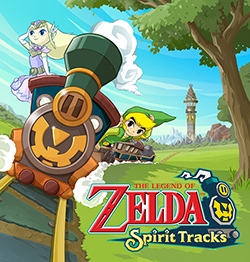
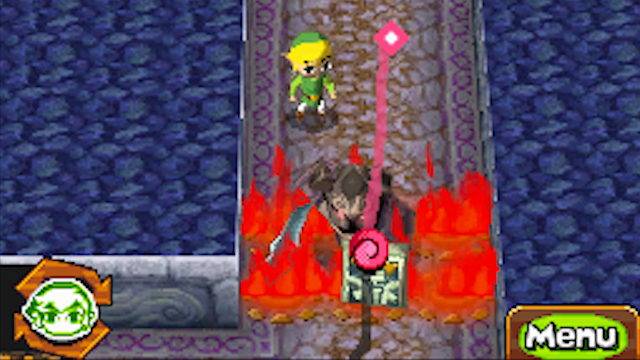
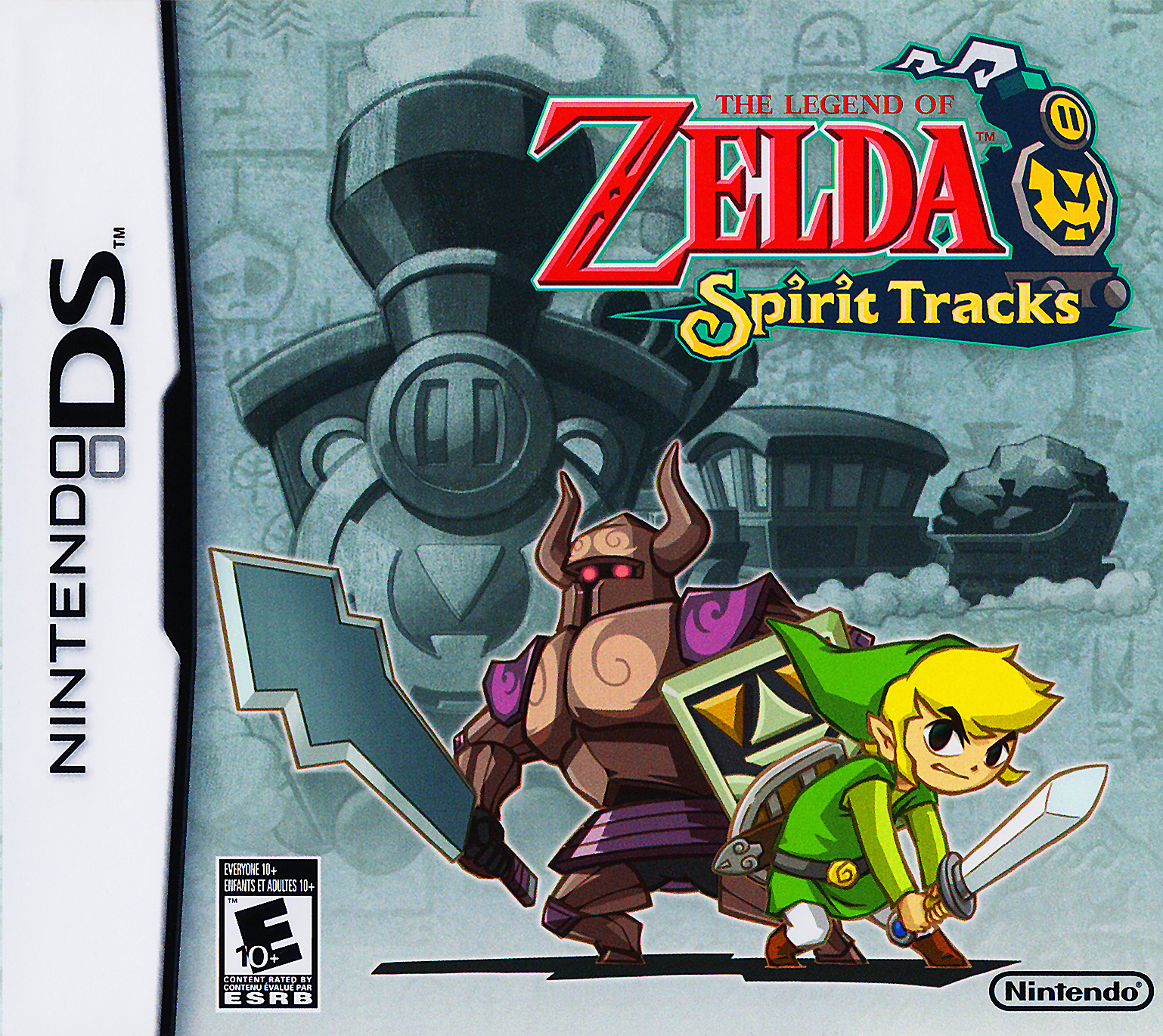
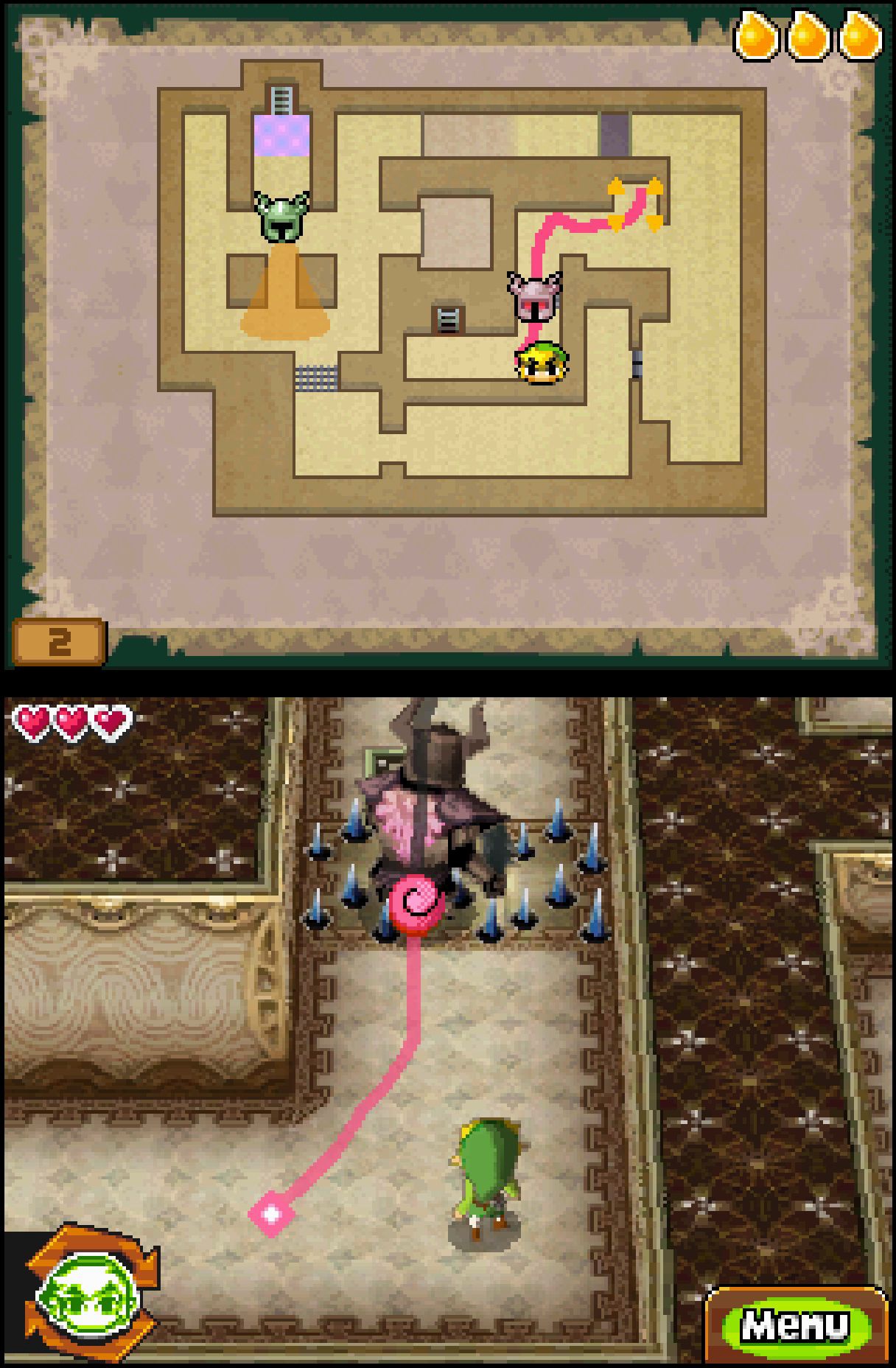
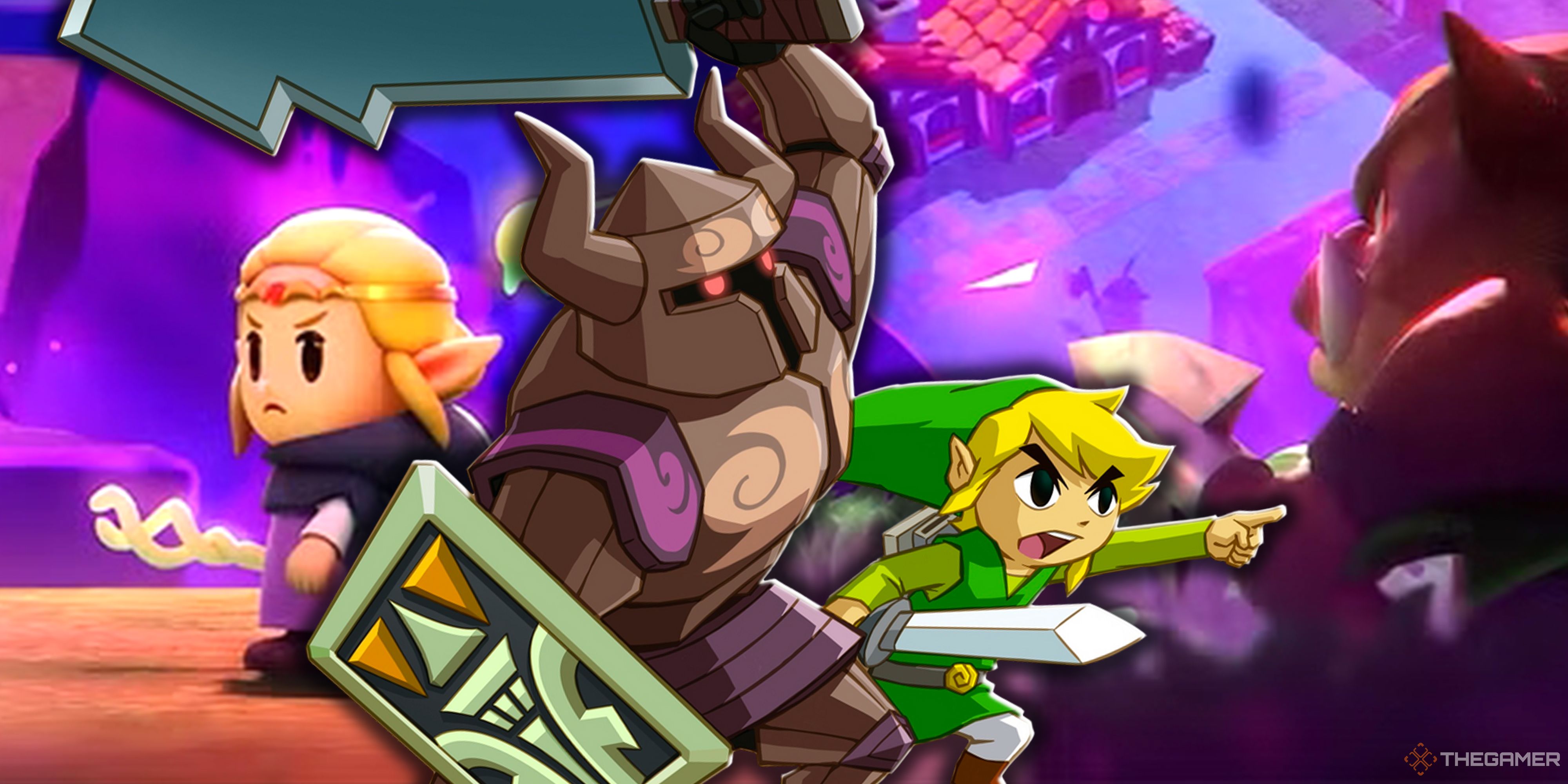
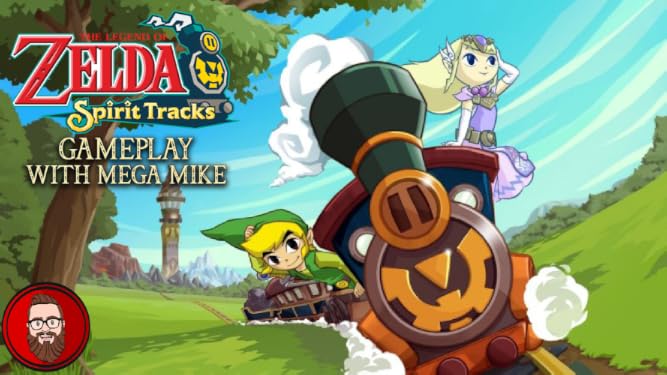
Dual-character cooperative touch-screen puzzle-dungeon action-adventure architecture (controlling the heroic swordsman Link with precision stylus slashes and rolls while simultaneously drawing real-time tactical path lines on the touch screen to command the disembodied, armored spirit of Princess Zelda inhabiting a towering, iron Phantom knight to walk across boiling lava, carry Link on a shield, and battle dark phantoms), paired with locomotive rail network traversal and acoustic folk music—from The Legend of Zelda: Echoes of Wisdom (2024), Phantom Hourglass, Brothers: A Tale of Two Sons, Tunic, and modern dual-character puzzle adventures—trace their undisputed, most charming handheld summit to December 7, 2009 with Nintendo EAD's crowning DS masterpiece, The Legend of Zelda: Spirit Tracks.
Produced by series producer Eiji Aonuma and directed by Daiki Iwamoto at Nintendo EAD in Kyoto with an enchanting, world-music, Celtic pan-flute, and locomotive train whistle score composed by Toru Minegishi and Manaka Kataoka (*Breath of the Wild*), Spirit Tracks was universally praised as the most refined, puzzle-dense, and character-rich handheld Zelda game of the dual-screen generation.
Platform Context & Gaming Environment
A century after *The Wind Waker* and *Phantom Hourglass*, a new kingdom is founded: New Hyrule, linked together by sacred energy railroads known as the Spirit Tracks that act as chains binding the ancient Demon King Malladus beneath the Tower of Spirits. When the villainous Chancellor Cole kidnaps Princess Zelda and strips her spirit from her physical body to serve as a vessel for Malladus, the ethereal ghost of Zelda teams up with apprentice train engineer Link. Piloting the steam-powered Spirit Train across Four Expansive Realms:
- Forest Realm: The Tower of Spirits and the sacred Forest Sanctuary of Anjean.
- Snow Realm: Frozen tundra switchbacks, the Anouki Village, and Blizzard Temple.
- Ocean Realm: Coastal bridges, island sea temples, and pirate train ambushes.
- Fire & Sand Realms: Volcanic magma caverns, Goron Village, Sand Temple, and the Dark Realm train chase against the Demon Train.
Popularity & Cultural Standing: Niche vs. Blockbuster
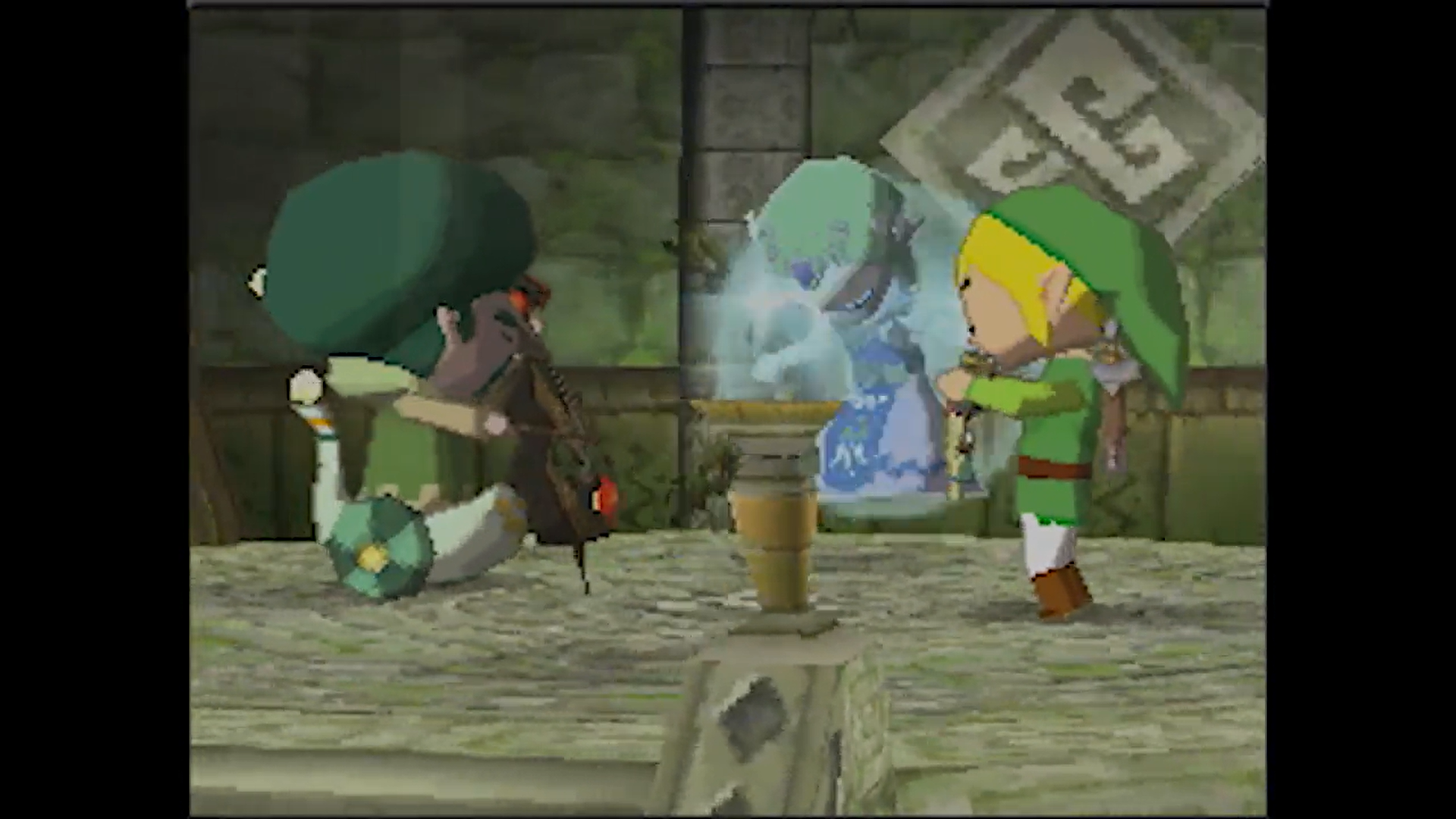
The Legend of Zelda: Spirit Tracks was a massive critical triumph. The active role of Princess Zelda—not as a passive damsel in distress, but as Link's fully playable, sword-wielding, delightfully expressive companion throughout the entire adventure—stands as one of the finest companion portrayals in Nintendo history.
Gameplay Mechanics & Technical Innovations
Spirit Tracks established standard-setting touch action mechanics:
- The Dual "Link & Phantom Zelda" Co-Op Engine: In the Tower of Spirits, Zelda's spirit possesses heavy iron Phantoms; drawing paths with the stylus to direct Phantom Zelda:
- Iron Phantom: Acts as an invincible shield, blocks laser beams, and walks through fire.
- Torch Phantom: Lights dark subterranean dungeons and melts ice walls.
- Warp Phantom: Teleports across the map to ambush dark sentries.
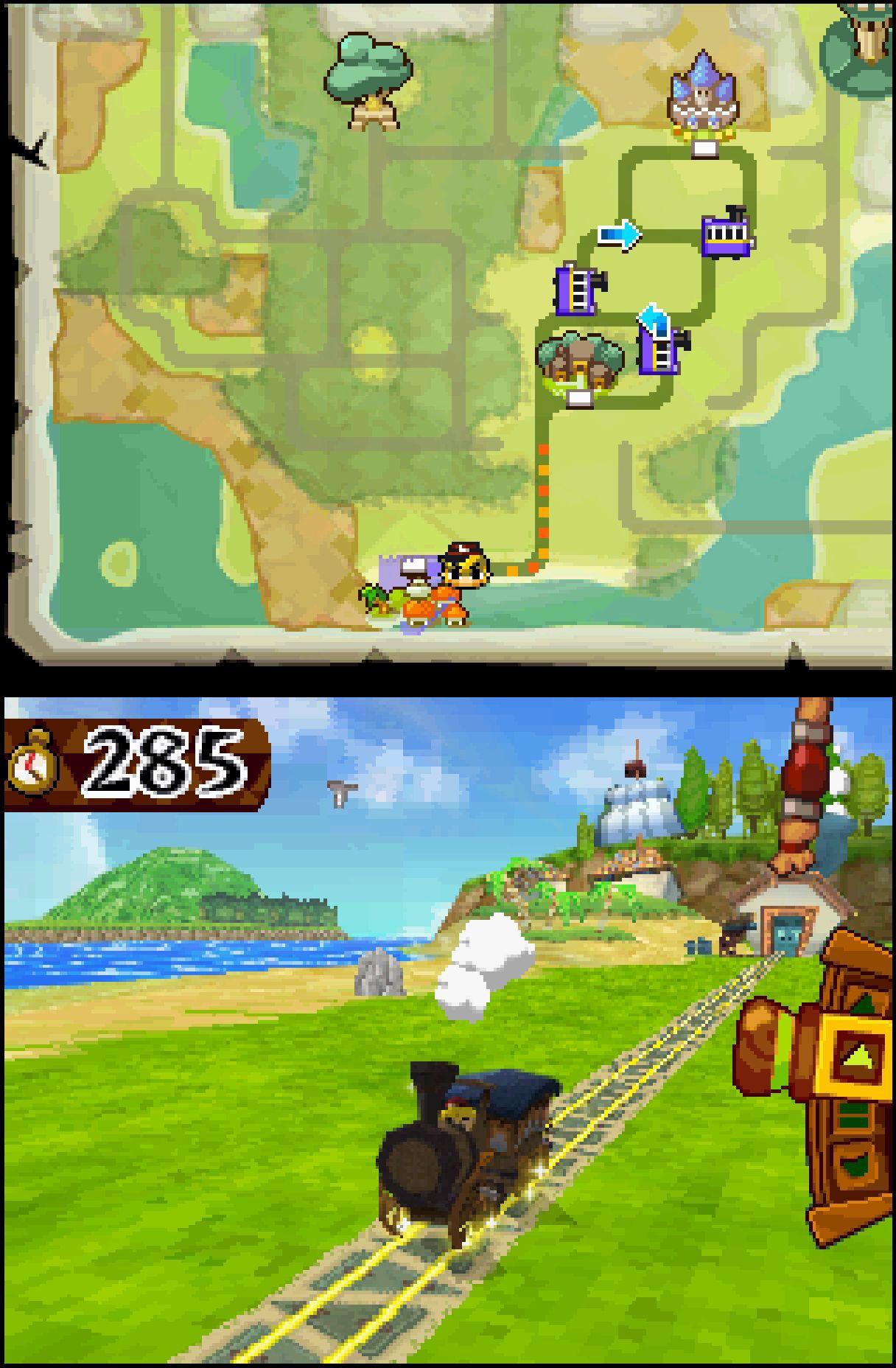
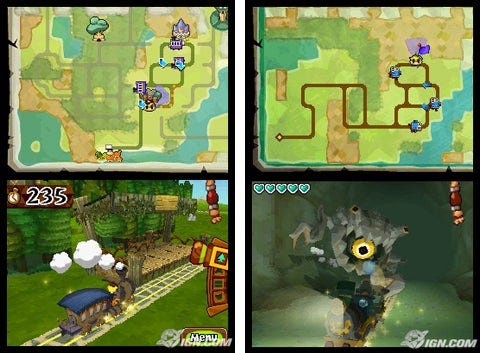
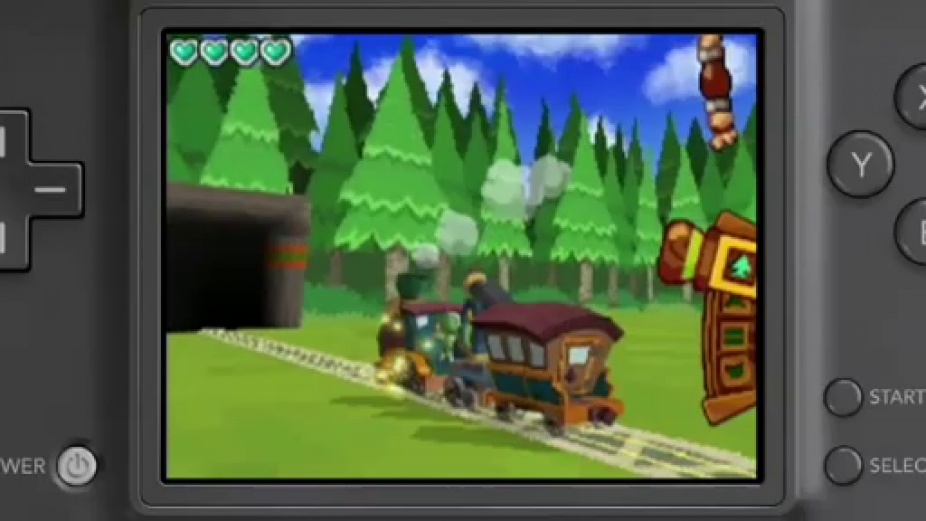
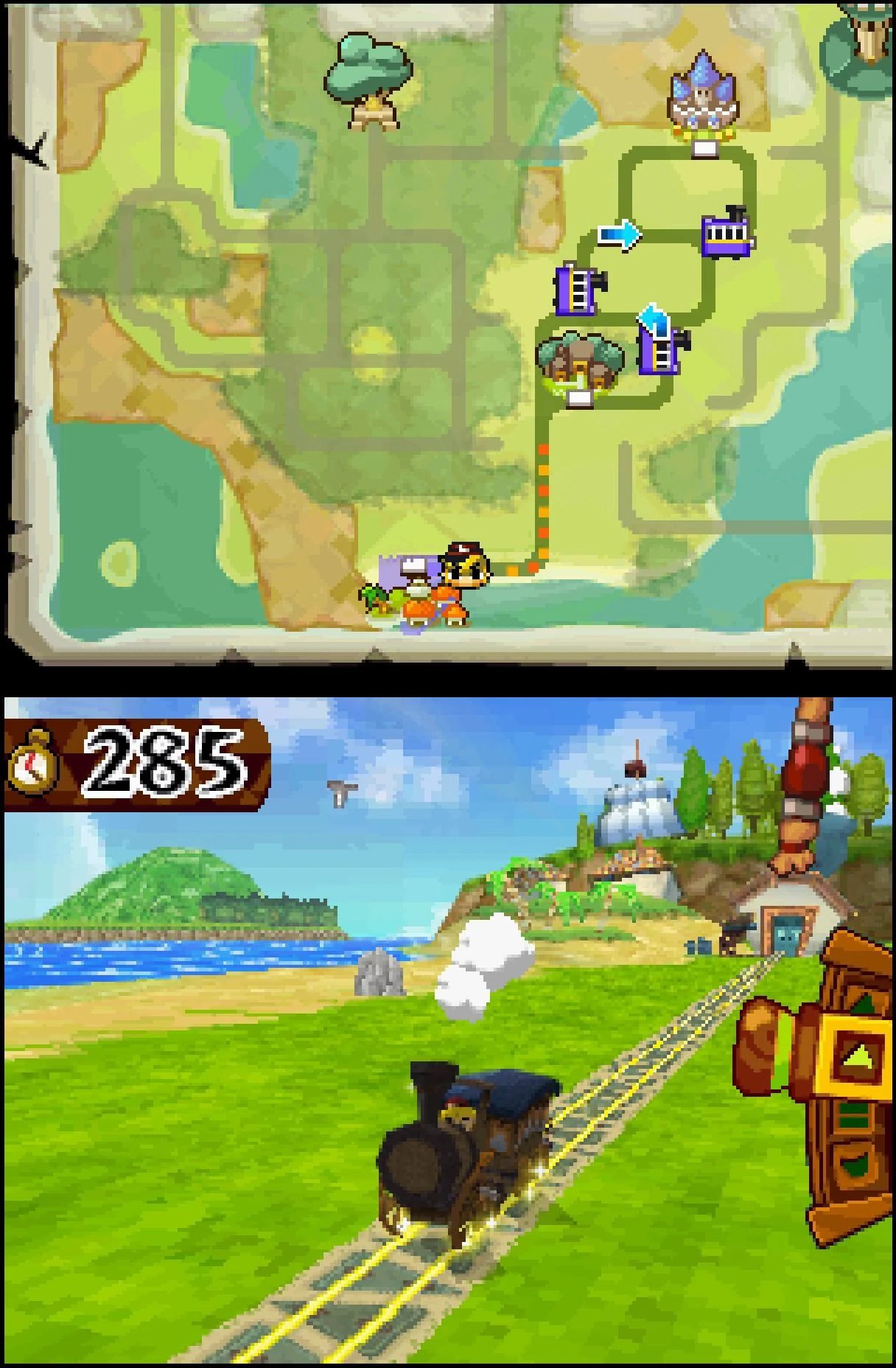
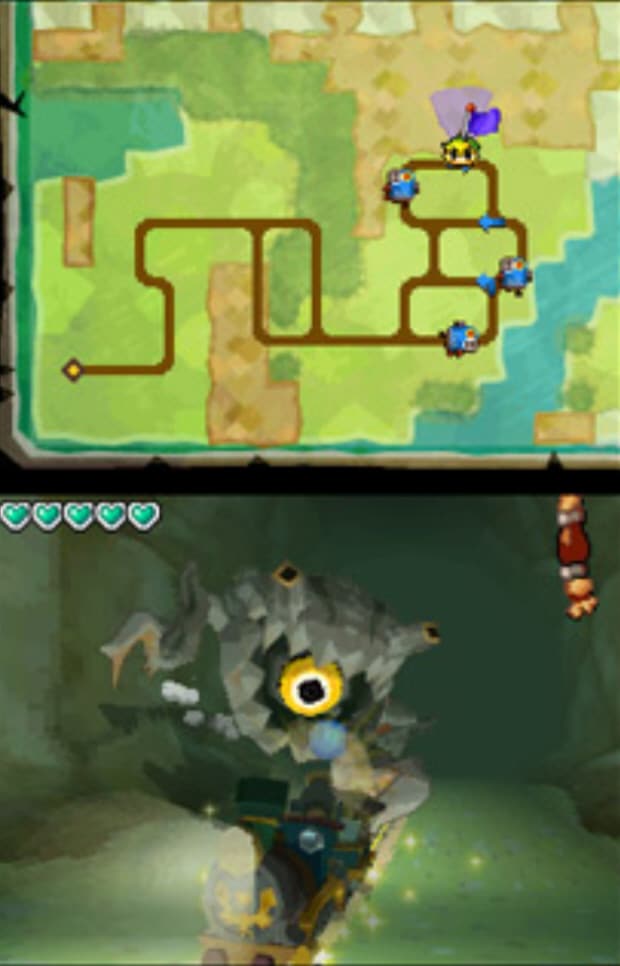
- The Steam-Powered "Spirit Train" Overworld Engine: Driving a customizable steam locomotive across the rail network; operating the throttle, switching track switches in real-time, pulling the whistle cord to scare animals off tracks, and firing a 360-degree cannon to destroy enemy train pirates.
- The "Spirit Pipes" Microphone Pan-Flute: Blowing physical air into the Nintendo DS microphone while sliding pan-flute pipes across the touch screen to perform musical duets with the Lokomo Sages (Gage, Steem, Carben, Embrose, Rael) to restore the divine tracks.
- Clever Touch-Screen Item Suite: The Whirlwind (blowing air with the stylus), Whip (swinging across wooden poles and stealing enemy shields), and the Sand Wand (raising columns of solid sand).
- Elimination of the Timer Penalty: Completely overhauling the Tower of Spirits from its predecessor; removing the frustrating countdown timer and adding staircases to skip previously completed floors.
Historical Legacy & Archival Preservation
The Legend of Zelda: Spirit Tracks is permanently celebrated in Zelda history as the absolute peak of touch-screen puzzle-dungeon design and Princess Zelda's greatest playable co-op starring role.