

Among the growing sea of procedurally generated driving games flooding the market, Slow Roads has quietly distinguished itself with a design decision that many are now calling exemplary: a refreshingly unobtrusive approach to the road markings that have long cluttered the screens of more mainstream racing titles. While competitors like Forza continue to rely on the familiar, high-visibility blue and red guide lines that can pull players out of the experience, Slow Roads appears to have found a more elegant answer—one that prioritizes immersion over the loud, sparkling race lines that have become such a ubiquitous fixture of the genre.
The observation comes from a recent community discussion, where the game’s handling of this small but persistent detail drew particular praise. For those who follow the driving genre closely, the phenomenon is well known: nearly every major car game draws a bright, unmistakable line down the center of the road to help players stay on track. The effect is functional, but for players with a higher tolerance for immersion, it can feel like a constant visual intrusion. Most titles offer a toggle to disable these markings, but that solution is crude and requires the player to make a conscious effort to remove the distraction.
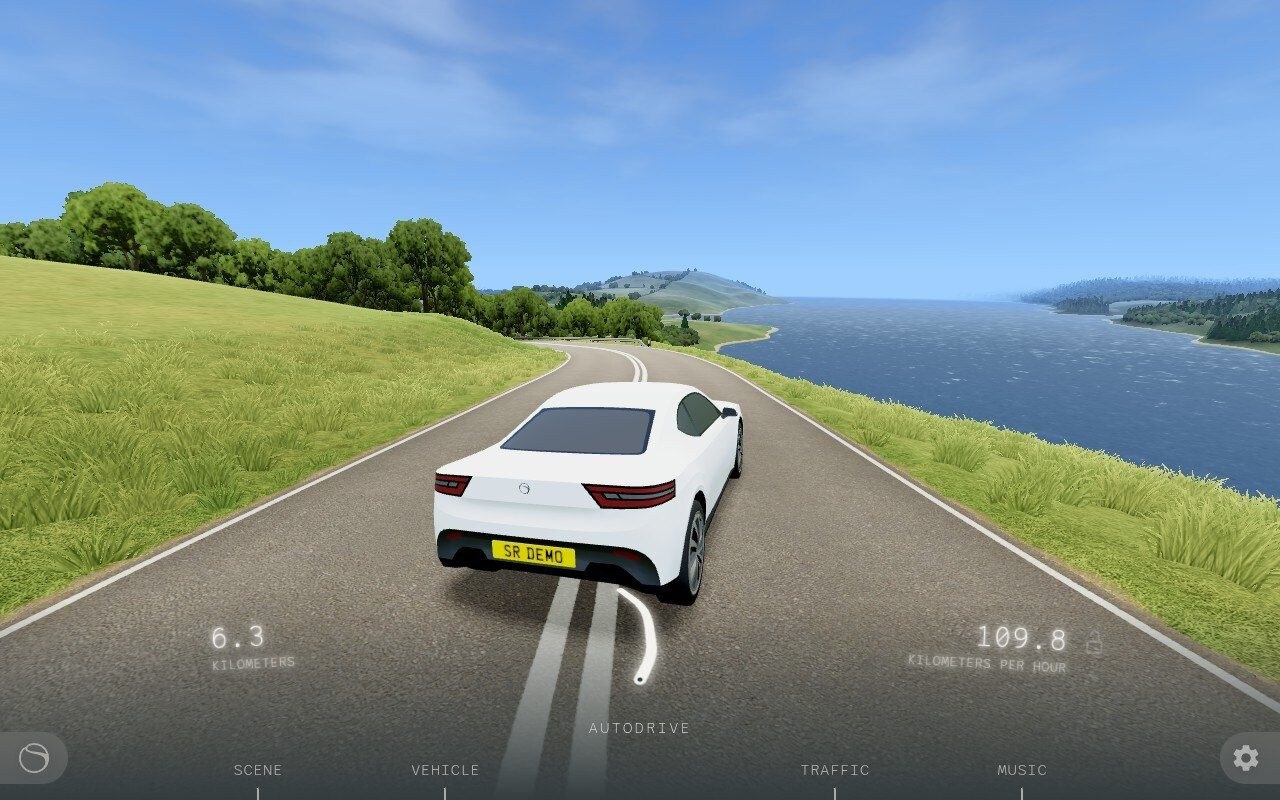
What makes Slow Roads stand out is that it seems to have simply accepted the distraction as unnecessary. Rather than forcing players to toggle away a glaring guide line, the game appears to render the road in a way that keeps the player oriented without demanding their attention. The result is a calmer, more contemplative driving experience that fits the game’s overall “chill” identity—perfectly suited to a title built around exploration and relaxation rather than competitive racing.
A Quiet Rebellion Against the Racing Line
The driving line has become such a staple of the genre that it rarely warrants discussion, yet Slow Roads’ approach represents a meaningful departure from convention. In games like Forza, the guide line is often rendered in bright, saturated colors precisely so that it stands out against the asphalt. The trade-off is that this very visibility breaks the illusion of driving through a real, lived-in world. Slow Roads seems to have reasoned that a game built around slow, deliberate travel does not need to shout its instructions at the player.
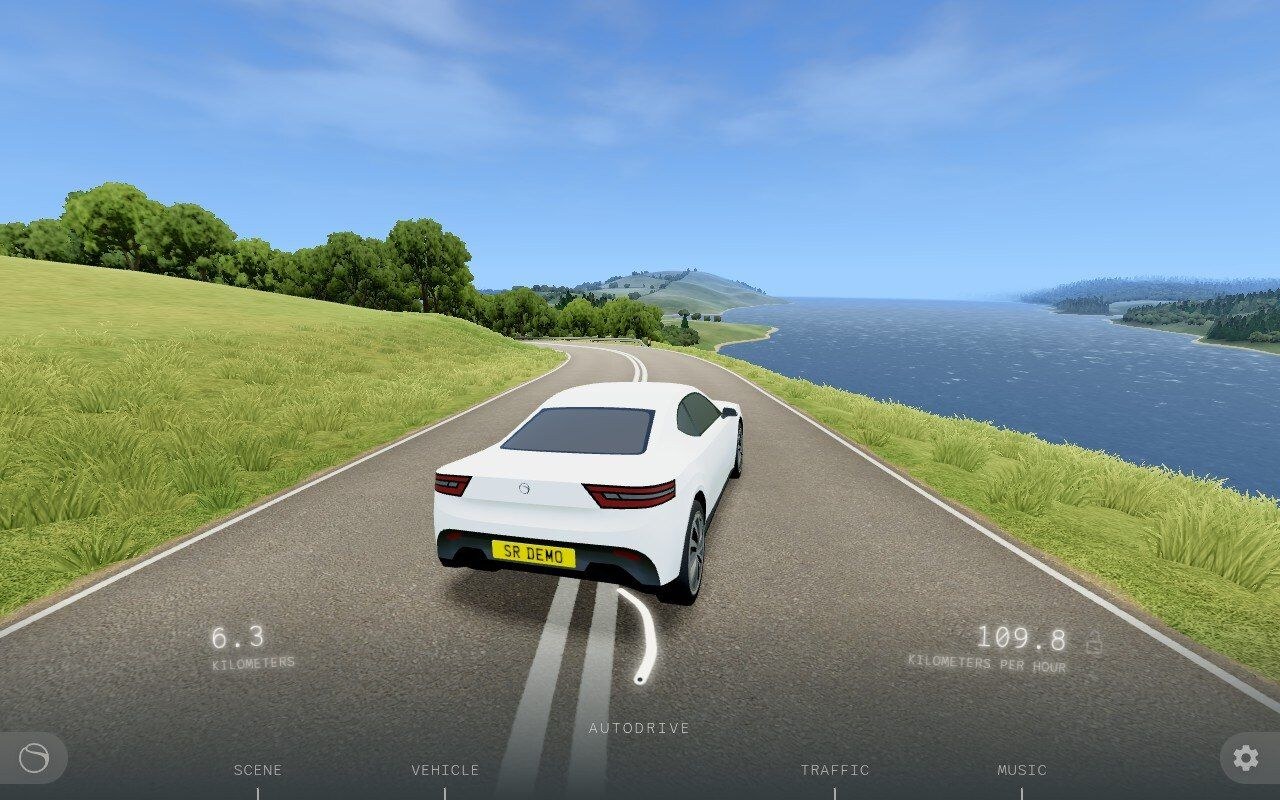
This philosophy extends beyond a single visual choice. By removing the need for constant visual guidance, the game encourages players to engage with the environment more naturally—reading the road, judging turns, and absorbing the surrounding scenery at their own pace. For a procedurally generated open road, this restraint is not a limitation but a feature, allowing the world to feel more expansive and less like a guided track.
When you’re building a game about slow, deliberate travel, the last thing you want is to be shouting instructions at the player every few seconds. We’d rather let the road speak for itself.
Slow Roads
The community response has been overwhelmingly positive, with players noting that the absence of the traditional guide line makes for a more immersive and less fatiguing experience. For those who have grown tired of the same visual crutches across dozens of racing titles, Slow Roads’ restraint feels like a welcome breath of fresh air. The discussion has also reignited broader conversations about whether bigger, more prominent games should adopt similar design sensibilities, with some commentators suggesting that restraint in the UI is a feature that the entire genre could benefit from.
Looking Ahead
While Slow Roads has not yet made sweeping promises about how its design language will evolve, the emphasis on thoughtful, player-respecting interfaces suggests a studio willing to prioritize quality of experience over convention. As the driving genre continues to expand and compete for attention, titles like this serve as a reminder that the smallest design choices can have a disproportionately large impact on how a game feels.
For now, the game stands as a strong example of what restraint can achieve in a space that often rewards excess. Whether larger studios follow suit remains to be seen, but Slow Roads has at least proven that sometimes the most elegant solution is simply to leave the road alone.



No comments