The Genre Genesis: From Modern Titans to 1989 Pioneers
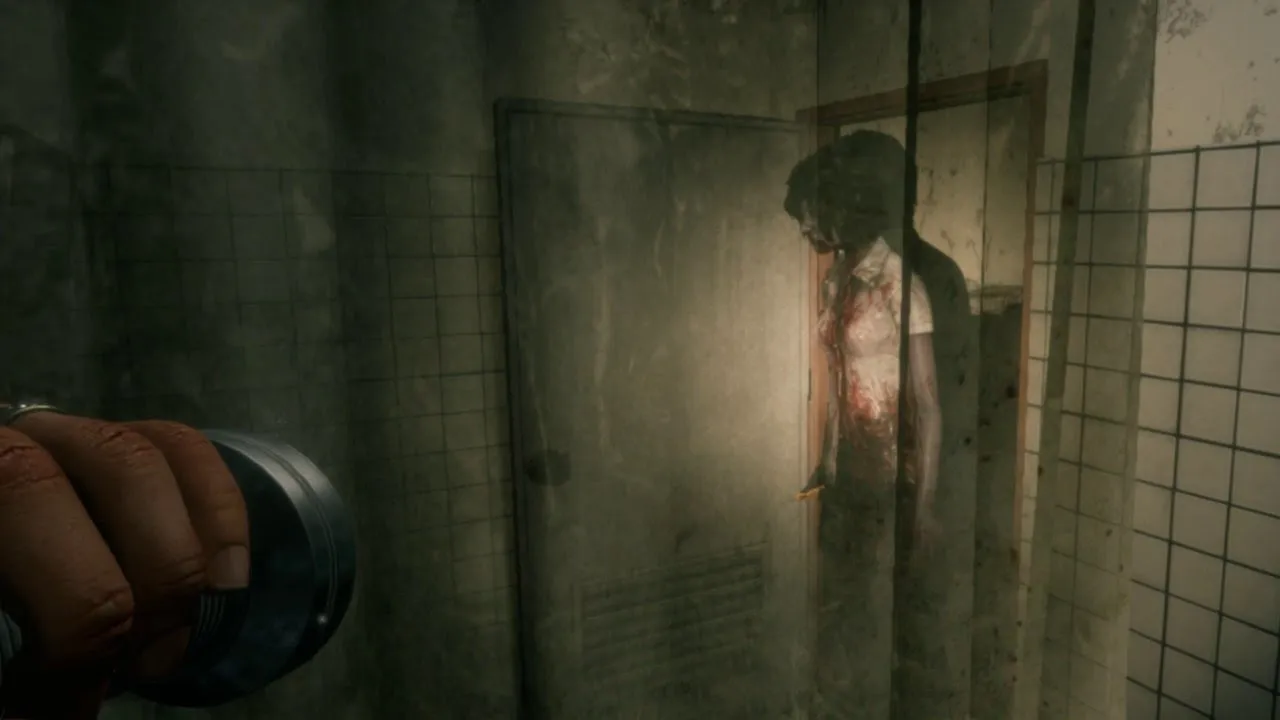
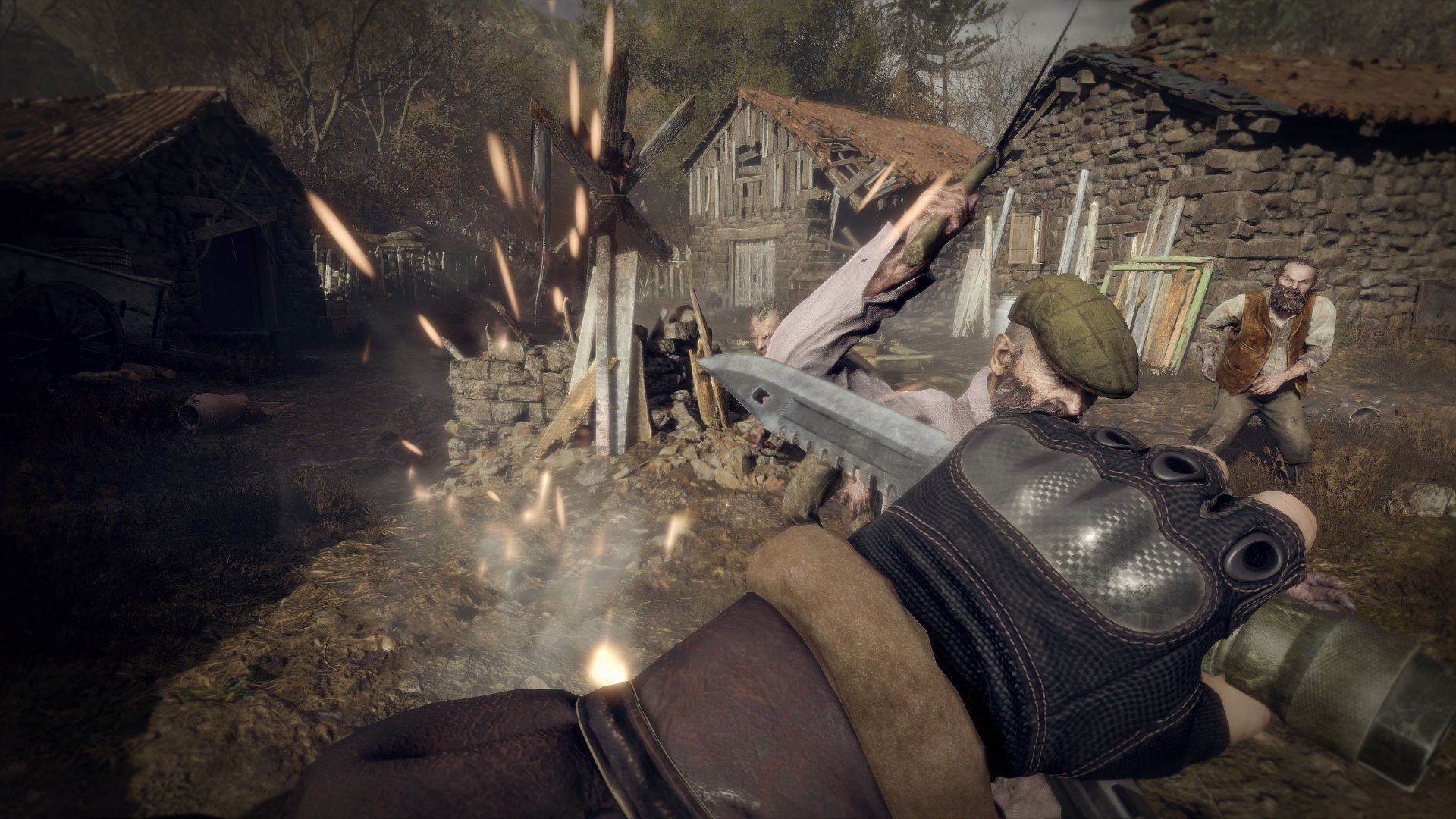
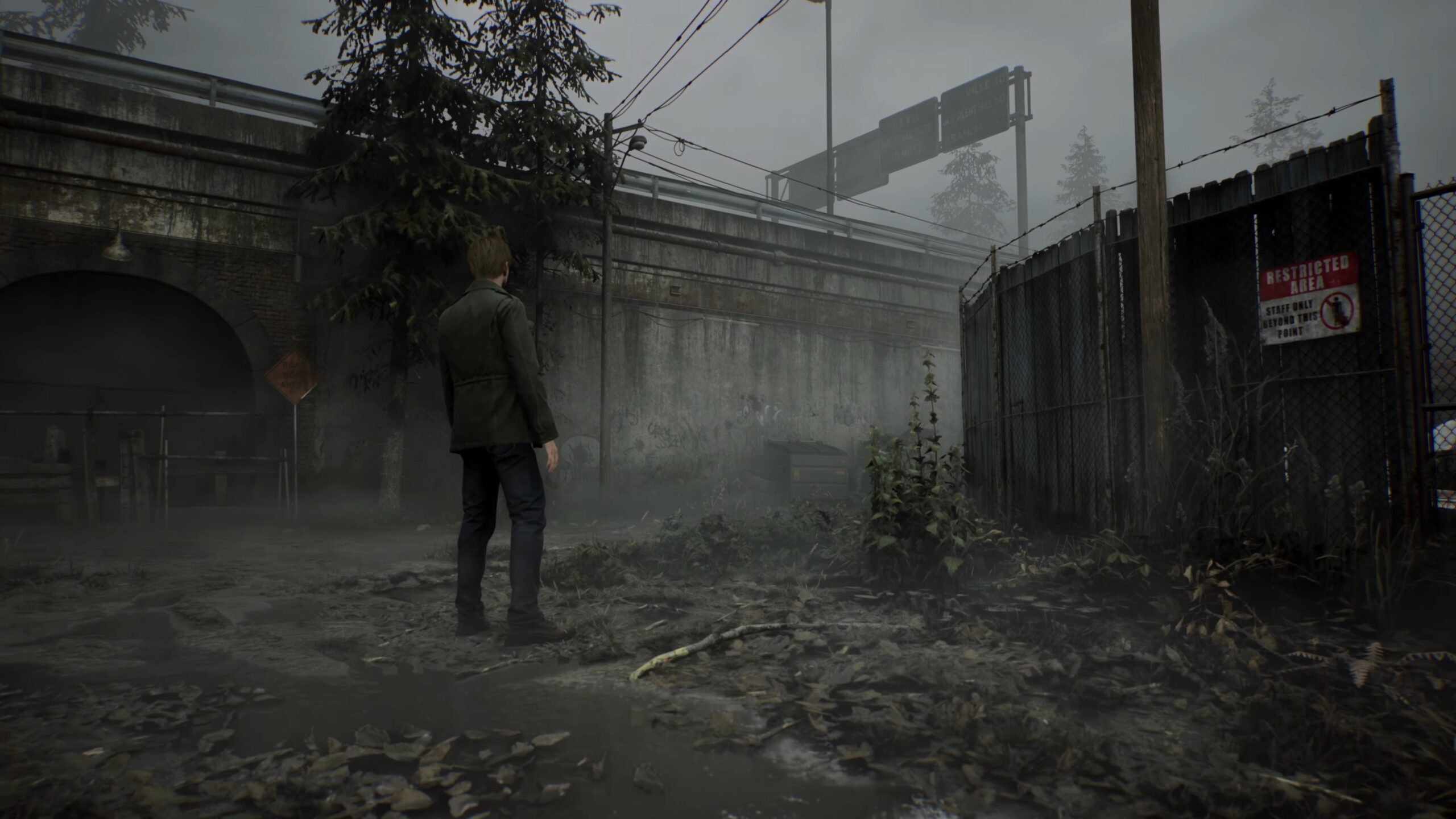
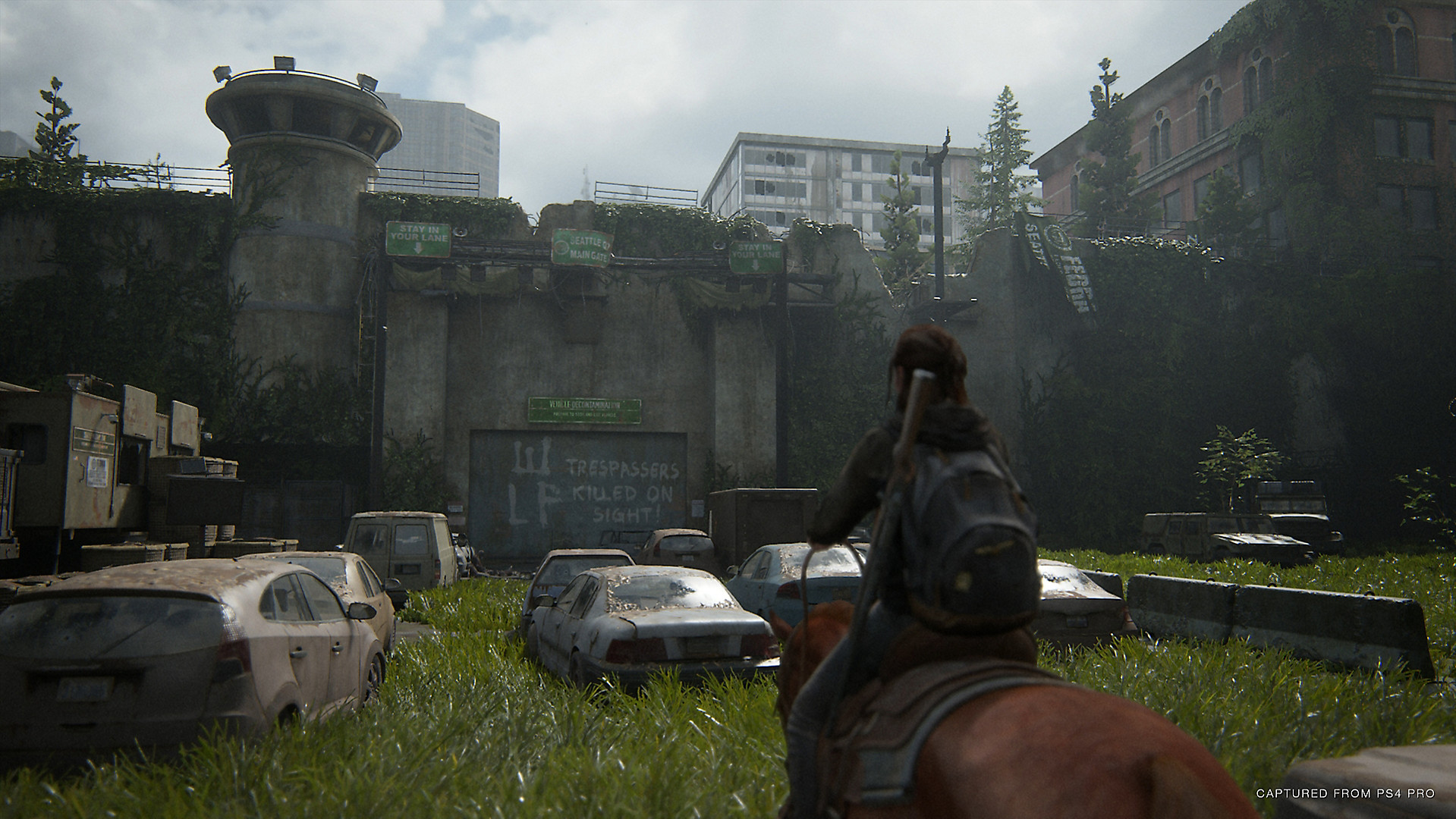
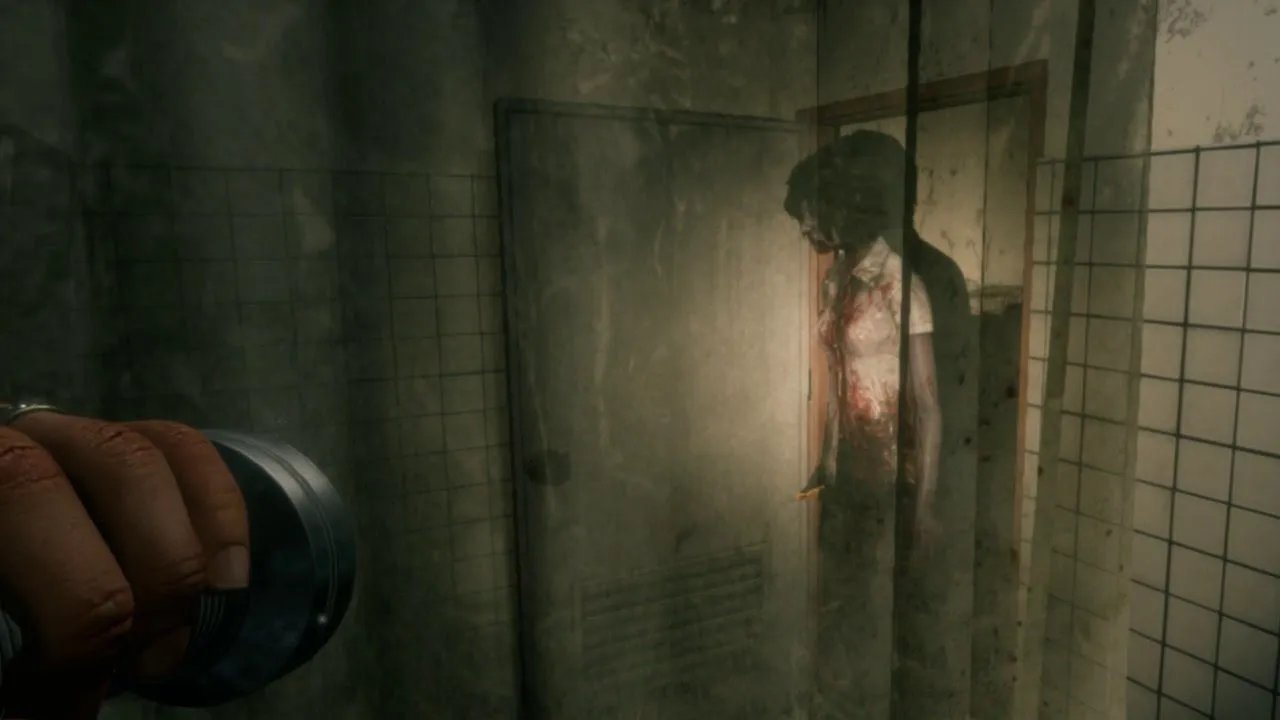
Survival horror video games, haunted mansion exploration, limited inventory slot management, item-based environmental puzzles, door-opening loading animations, and horrific diary lore logs—from Resident Evil (1996), Resident Evil 2/4/7, Silent Hill, Dead Space, and The Evil Within to modern survival horror games—trace their direct, undisputed royal genesis to December 15, 1989 with Capcom's Sweet Home.
Conceived, designed, and directed by Capcom auteur **Tokuro Fujiwara** (in creative partnership with director **Juzo Itami**, based on Itami's 1989 Japanese horror movie) with music composed by **Junko Tamiya** for **Capcom** on the **Nintendo Famicom**, Sweet Home holds monumental historical stature: it is universally recognized by video game historians as **the founding father and direct blueprint that gave birth to the entire Survival Horror genre** (Shinji Mikami explicitly created the original Resident Evil as a 3D remake of Sweet Home).
Platform Context & Gaming Environment: The Mamiya Mansion

Sweet Home operated on a 256KB Famicom cartridge. A five-person television documentary crew enters the abandoned mountain mansion of the reclusive painter Ichirō Mamiya to film his lost frescoes, only to be trapped inside by the terrifying, child-murdering ghost of **Lady Mamiya**.
The game introduced the famous **creaking door-opening animation** between rooms that became the signature visual motif of *Resident Evil* for decades.
Popularity & Cultural Standing: The Survival Horror Genesis

Sweet Home was an enormous critical and cultural triumph in Japan, celebrated for its mature horror storytelling, terrifying visual gore, and tense survival gameplay. Although never officially localized in the West due to Nintendo of America's strict censorship of gore and religious themes, it achieved legendary global acclaim through fan translations.
Gameplay Mechanics & Technical Innovations
Sweet Home established the foundational grammar of survival horror:
- Five Unique Party Specialists: Manage five distinct characters, each possessing a permanent, non-transferable item essential for survival:
- Kazuo: Equipped with a Lighter to burn ropes and navigate dark rooms.
- Akiko: The team nurse, carrying a First Aid Kit to cure status conditions (Poison, Paralysis).
- Taro: The photographer, armed with a Camera to decipher hidden fresco paintings.
- Asuka: Equipped with a Vacuum Cleaner to clear glass shards and poisonous dust.
- Emi: Equipped with a Key to unlock sealed mansion doors.
- Strict Permanent Death (Permadeath): If a crew member dies in combat or an environmental trap, they are dead forever; alternative items appear in the mansion so the game can still be completed, but the narrative ending changes based on surviving members!
- Severe Inventory Resource Management: Each character can carry only two loose items in addition to their unique tool, forcing tense party coordination and item swapping.
- First-Person Turn-Based Horror Combat: Battle grotesque ghouls, severed floating heads, and poltergeists using weapons and the "Pray" psychic energy mechanic, culminating in the tragic multi-phase confrontation with **Lady Mamiya**.
Historical Legacy & Archival Preservation

Sweet Home is permanently inducted into the World Video Game Hall of Fame and the Smithsonian Institution. As Tokuro Fujiwara's supreme masterpiece that invented survival horror and birthed Resident Evil, its historical stature is immortal.