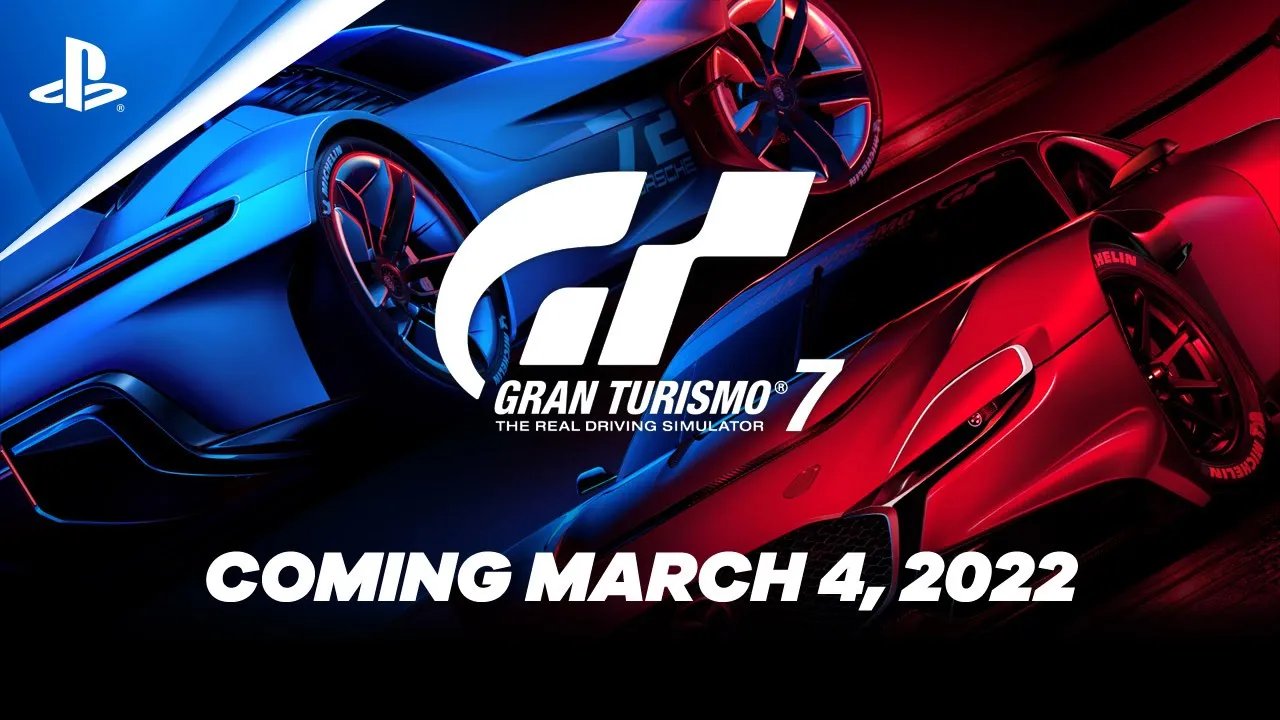
Introduction: The Next Chapter for Gran Turismo 5
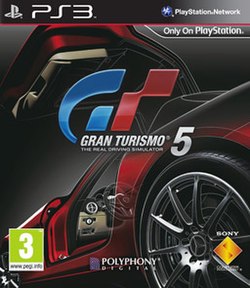
Gran Turismo 5, released in 2010 for the PlayStation 3, represented a significant leap forward for Polyphony Digital's flagship racing simulator. Building upon the foundations laid by its predecessors, GT5 aimed to deliver an unparalleled level of realism, content, and online functionality. This Masterclass Deep-Dive will dissect every facet of the game, from its groundbreaking engine technology to its immersive world and engaging gameplay mechanics. We’re not just looking at a game; we're examining a pivotal moment in racing simulation history.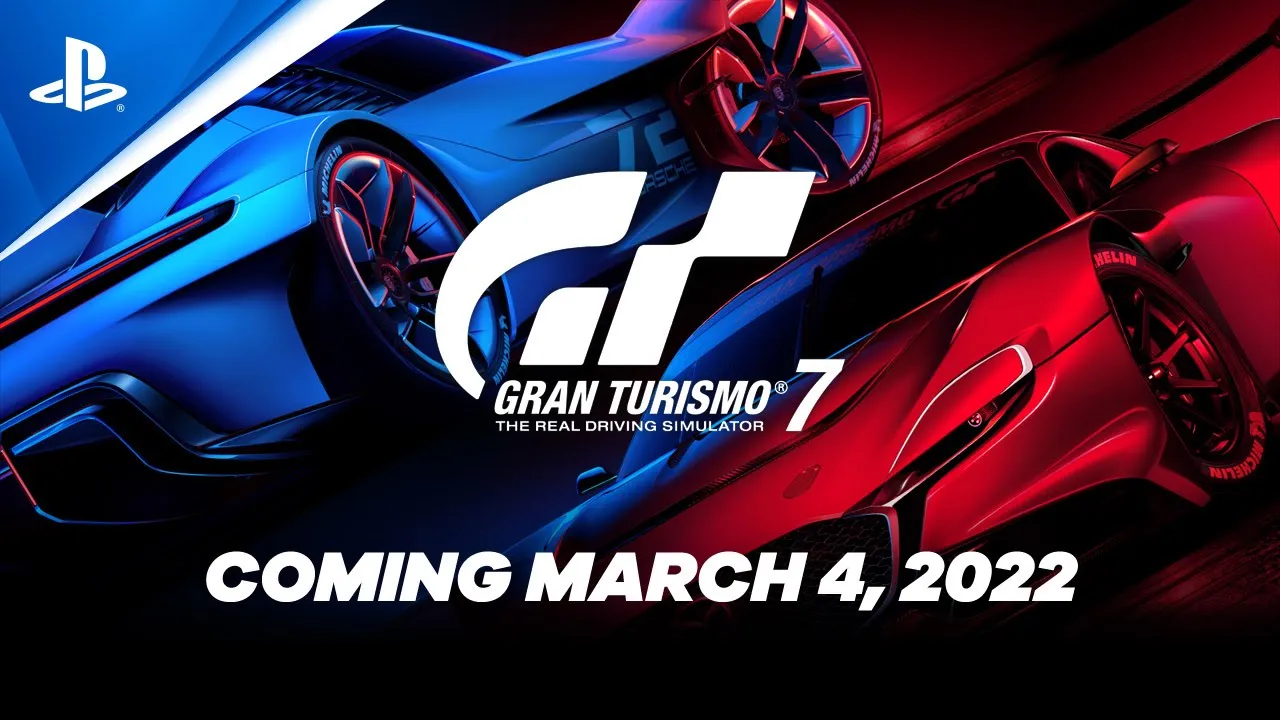
Visual Direction and Graphics Engineering
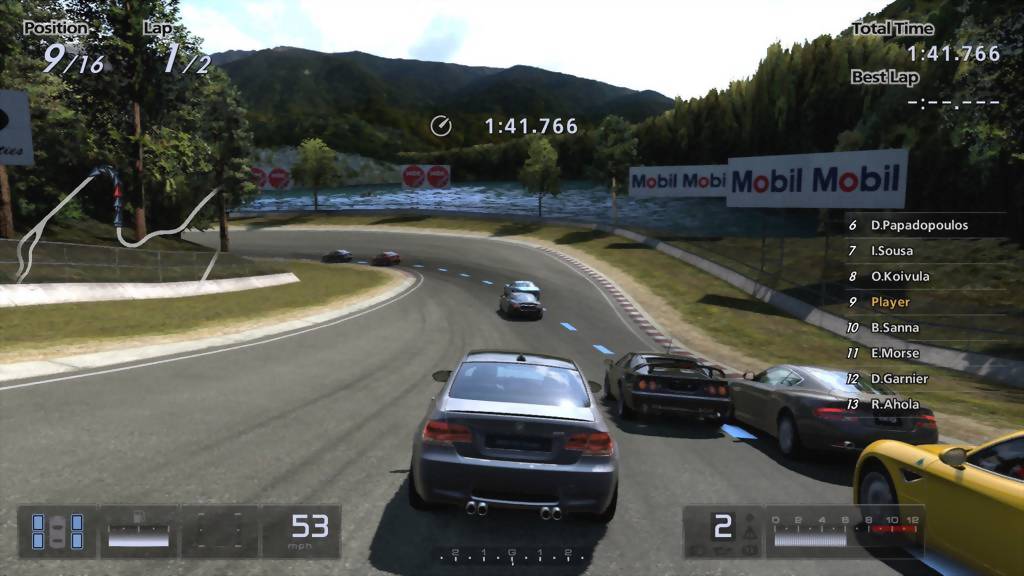
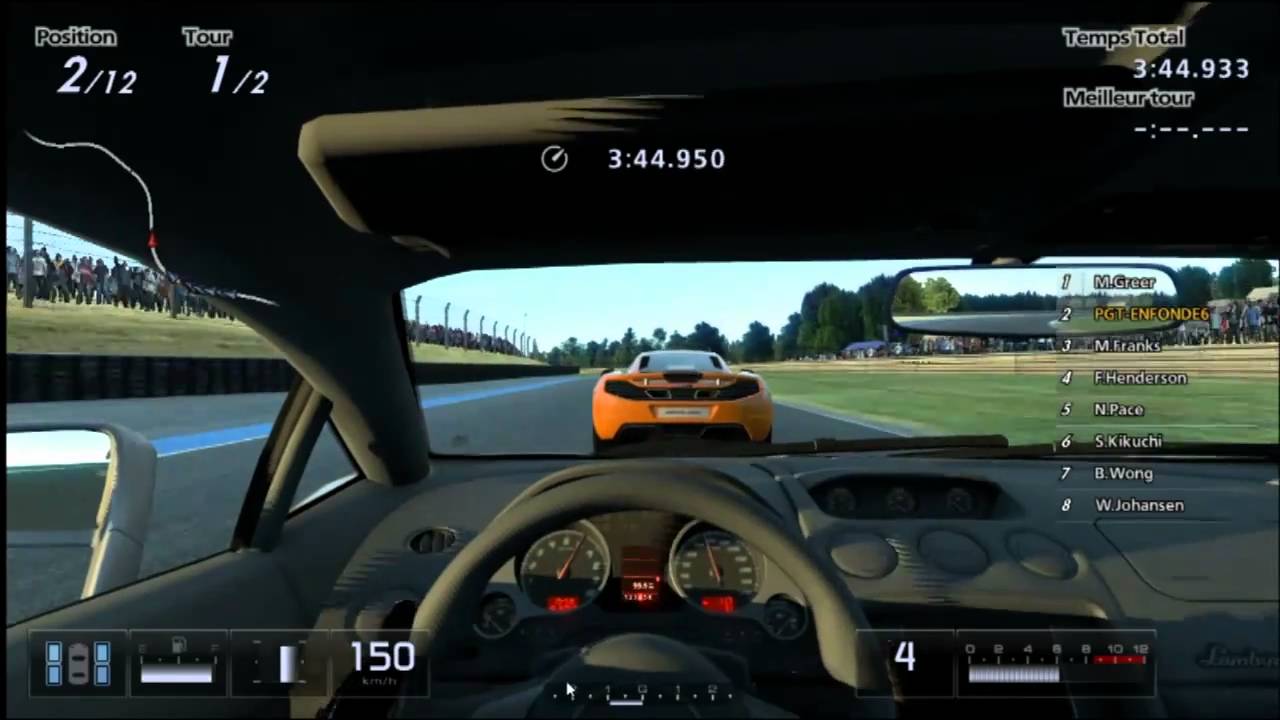
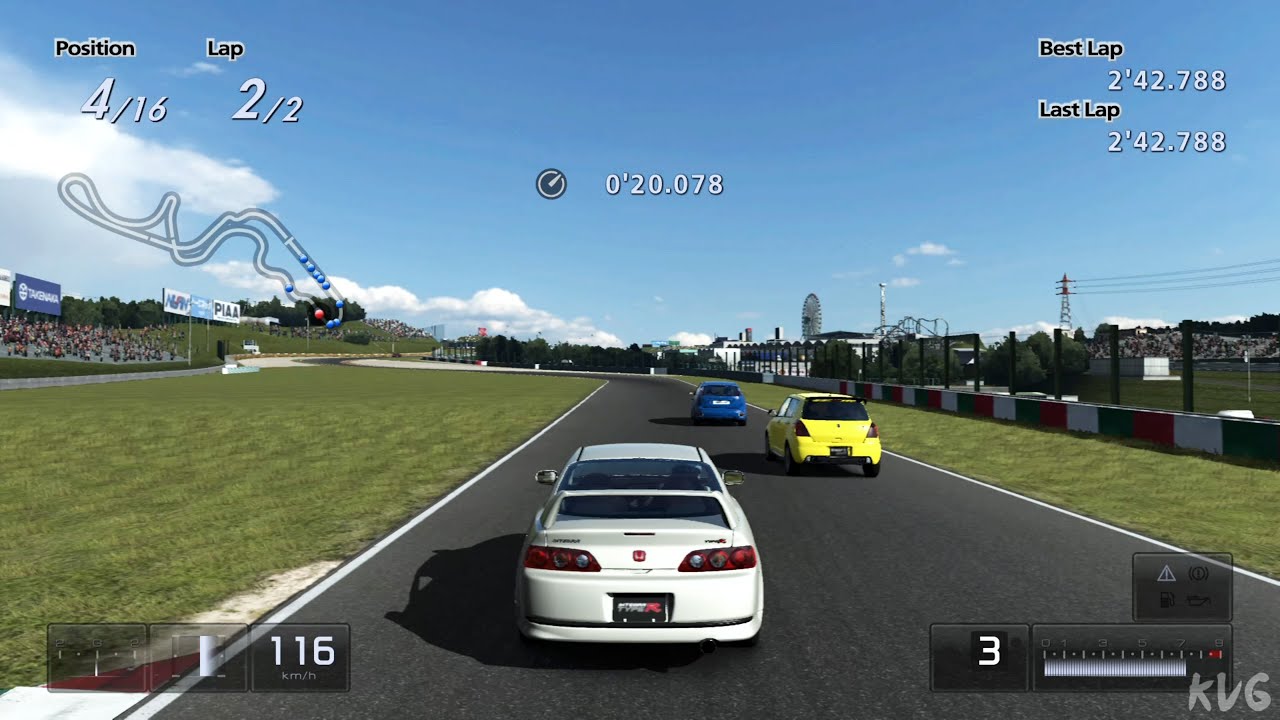
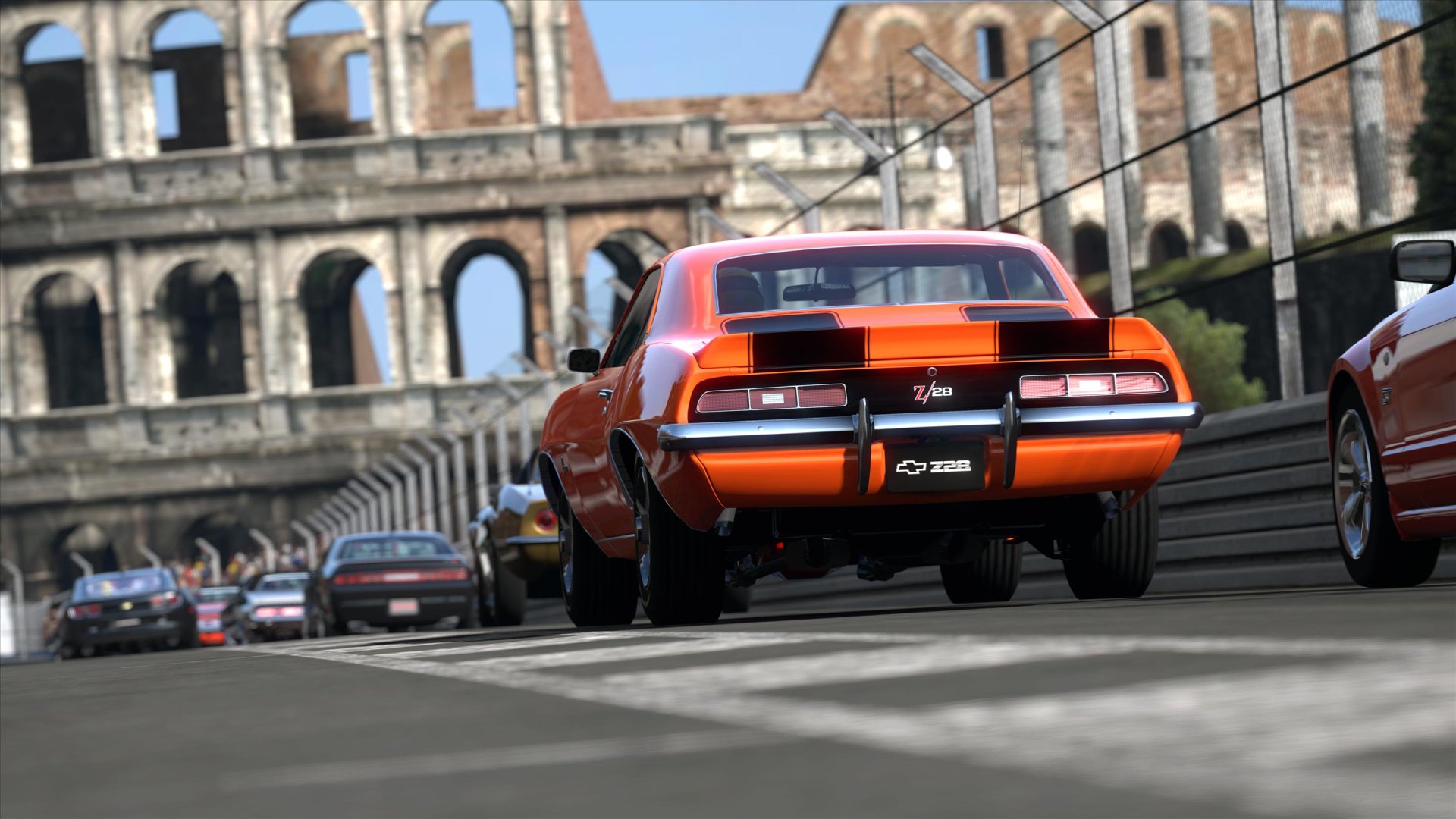
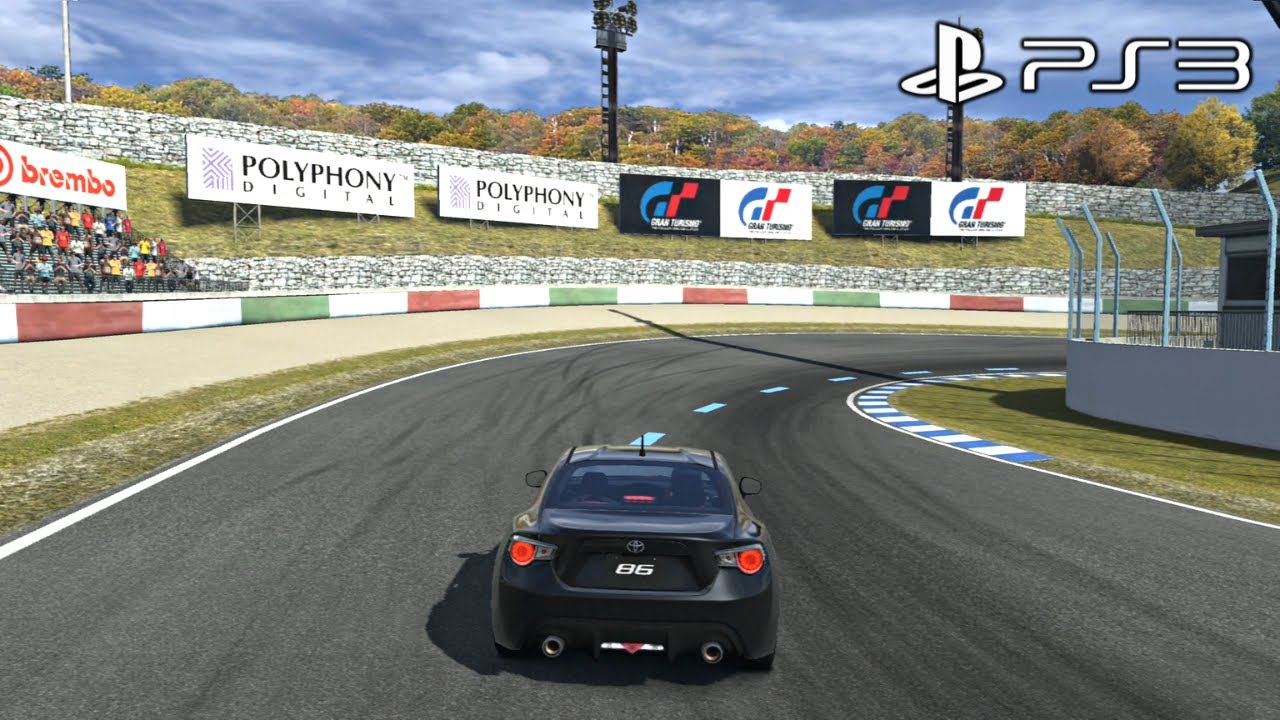
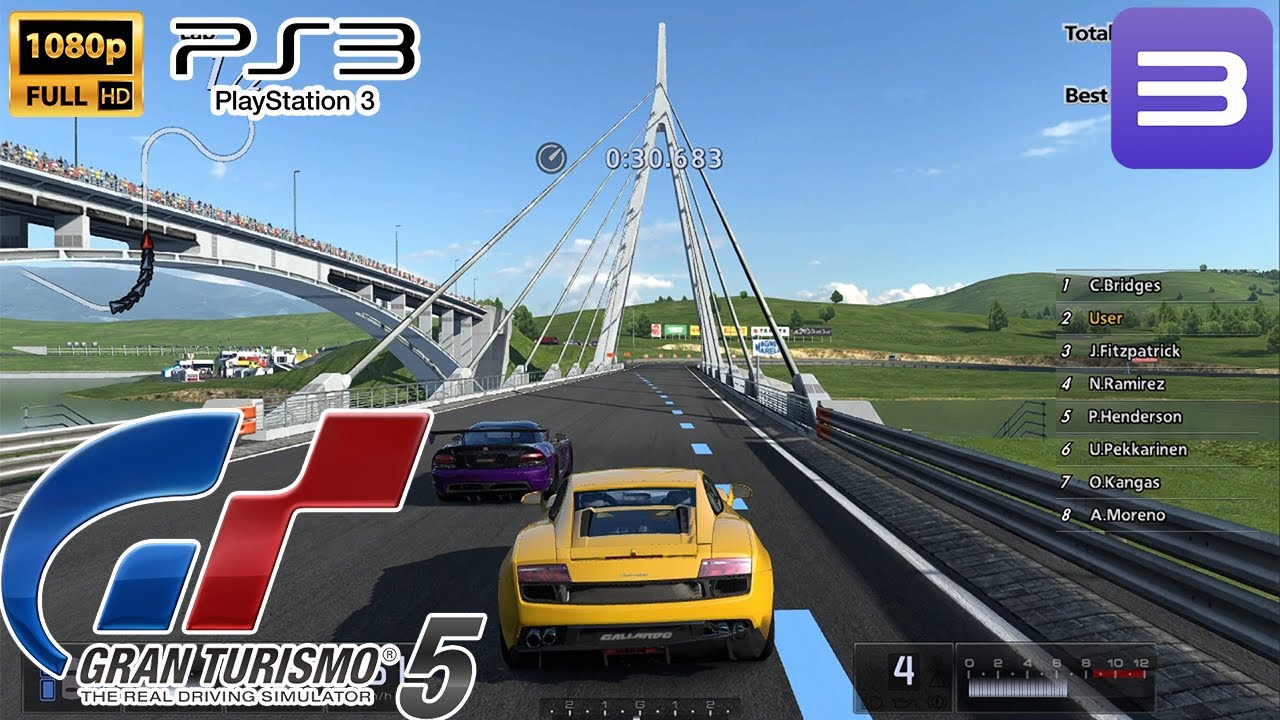
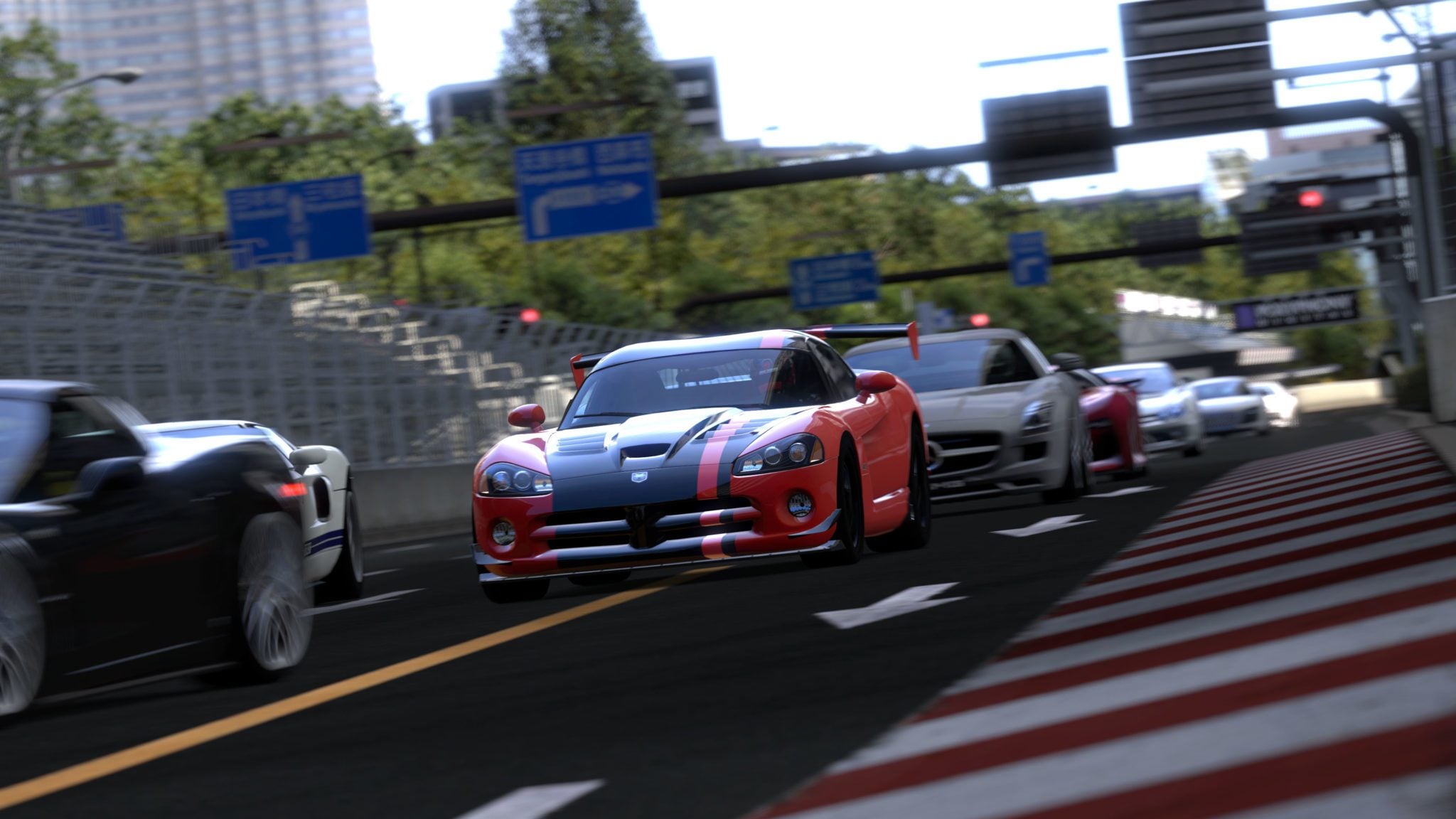
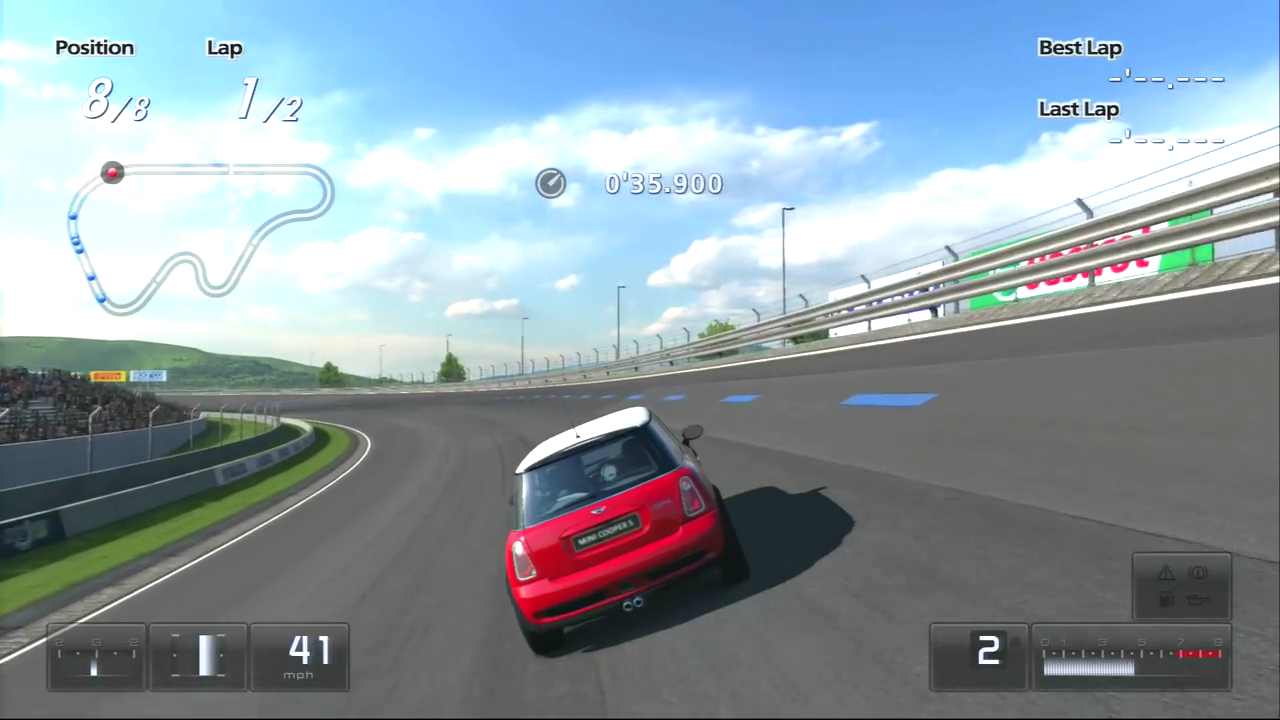
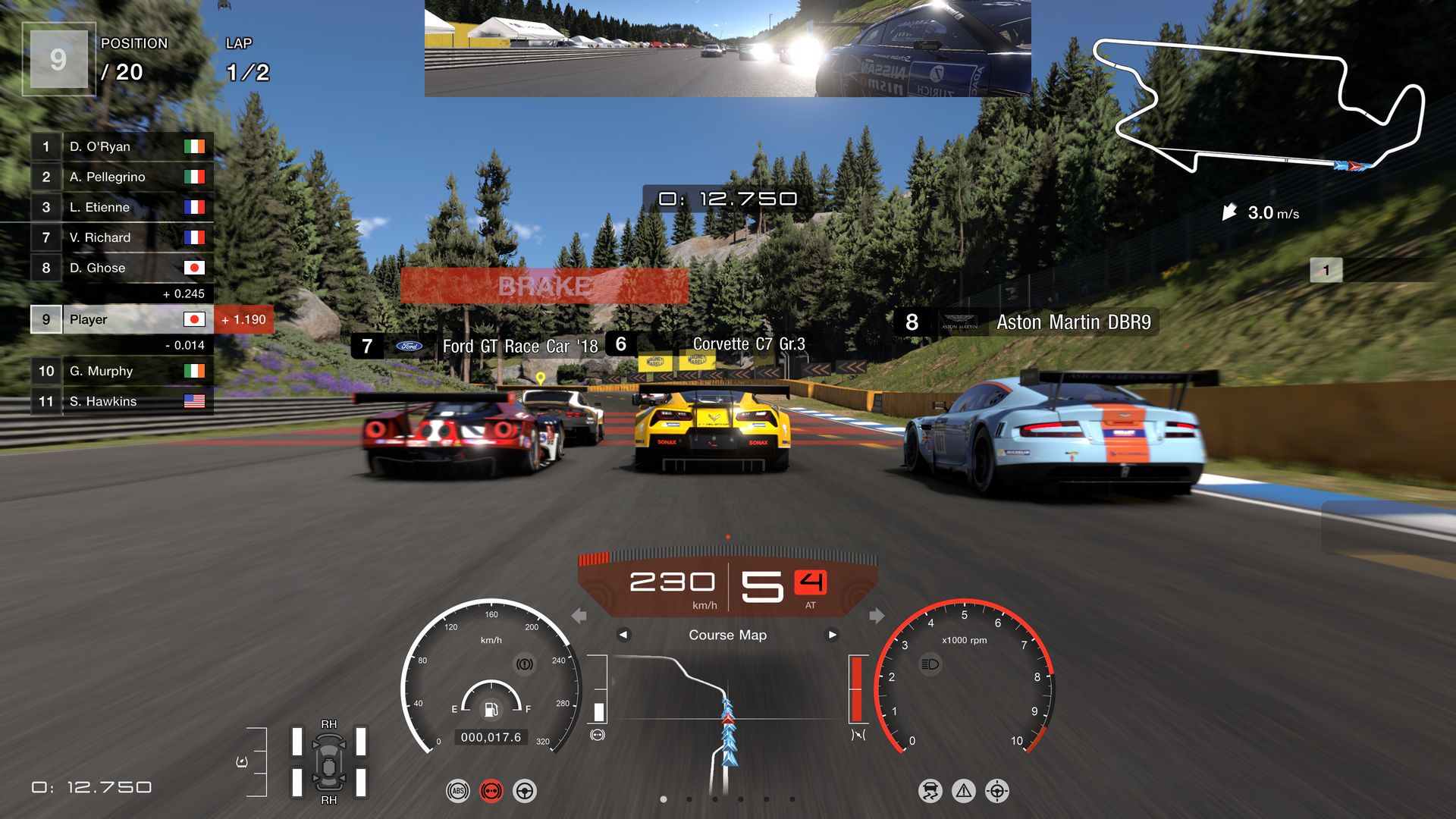
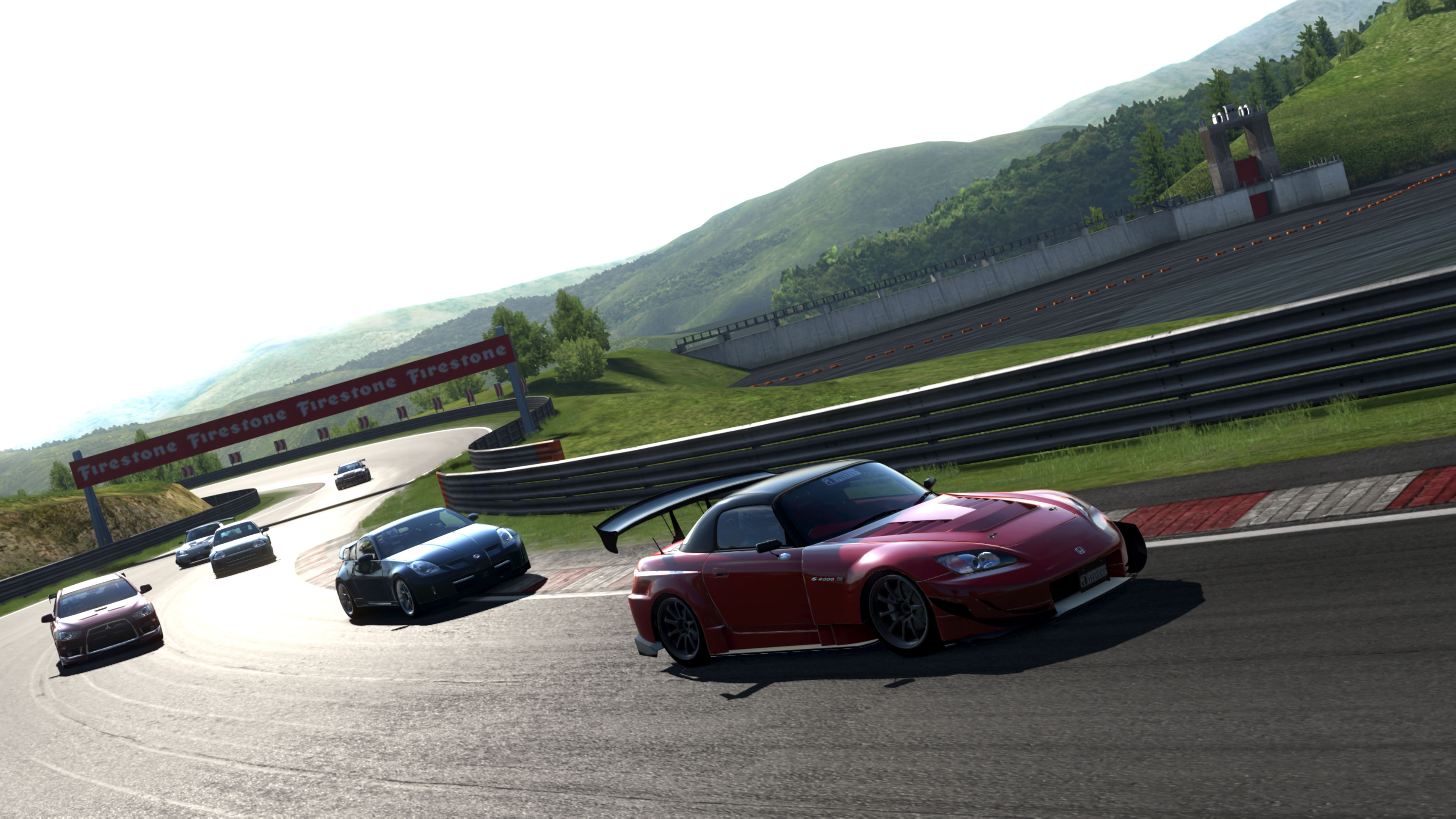
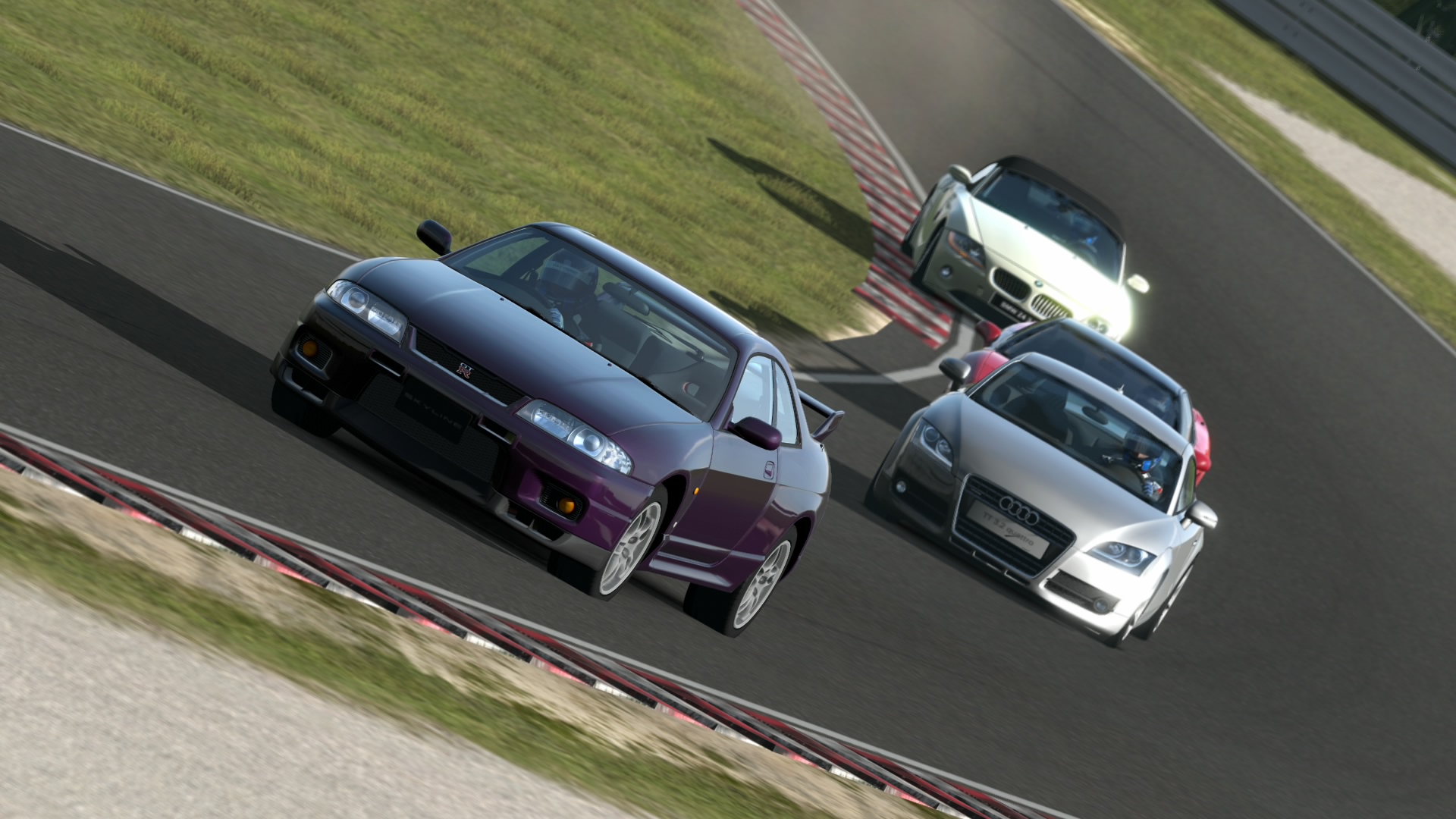
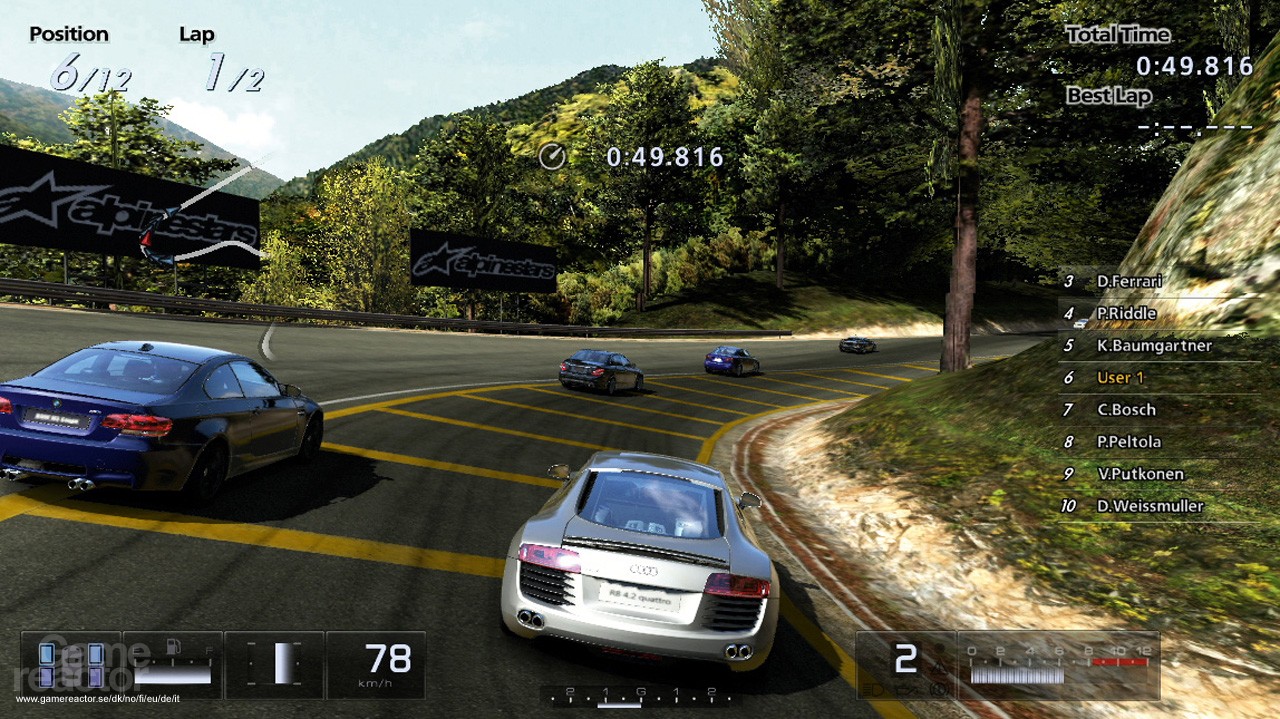
The visual direction for Gran Turismo 5 was ambitious, pushing the PlayStation 3 hardware to its limits. Polyphony Digital's proprietary "Next-Gen Engine" (though technically still an evolution of previous iterations) delivered impressive car models with intricate detail, realistic lighting effects, and dynamic weather conditions. While not as visually stunning by today's standards, the game showcased a commitment to replicating real-world automotive aesthetics. The engine allowed for detailed reflections on car bodies, subtle dirt accumulation, and varying levels of damage based on collision impact. This attention to detail extended to track environments, which featured diverse landscapes and meticulously recreated landmarks. However, the game also suffered from occasional frame rate dips, particularly in complex scenes with numerous cars or intricate weather effects.
Gameplay Mechanics and Core Systems
Gran Turismo 5 refined the core gameplay loop that defined the series: a blend of realistic physics simulation, car customization, and career progression. The driving model emphasized precision and control, rewarding players who mastered the nuances of each vehicle's handling characteristics. Car damage was implemented, albeit in a simplified form compared to later racing games, adding another layer of realism. The game offered a wide range of assists for accessibility, catering to both casual and hardcore racing fans. The career mode, known as "License to Drive," provided a structured path through various licenses and challenges, unlocking new cars and tracks along the way. This system was designed to gradually introduce players to more demanding driving conditions and advanced vehicle types.
Level Design and World Atmosphere
Gran Turismo 5 boasted an expansive selection of real-world locations, ranging from iconic circuits like Monza and Nürburgring to diverse road courses across Europe, Asia, and the Americas. The game's track generator allowed players to create custom tracks, adding a unique element of creativity and replayability. While not as open-world in design, each location was meticulously crafted to capture its distinct atmosphere and visual identity. Dynamic time and weather effects further enhanced the sense of immersion, transforming familiar tracks into challenging environments with changing grip levels and visibility. The game's world felt expansive, despite being primarily focused on racing circuits and road courses.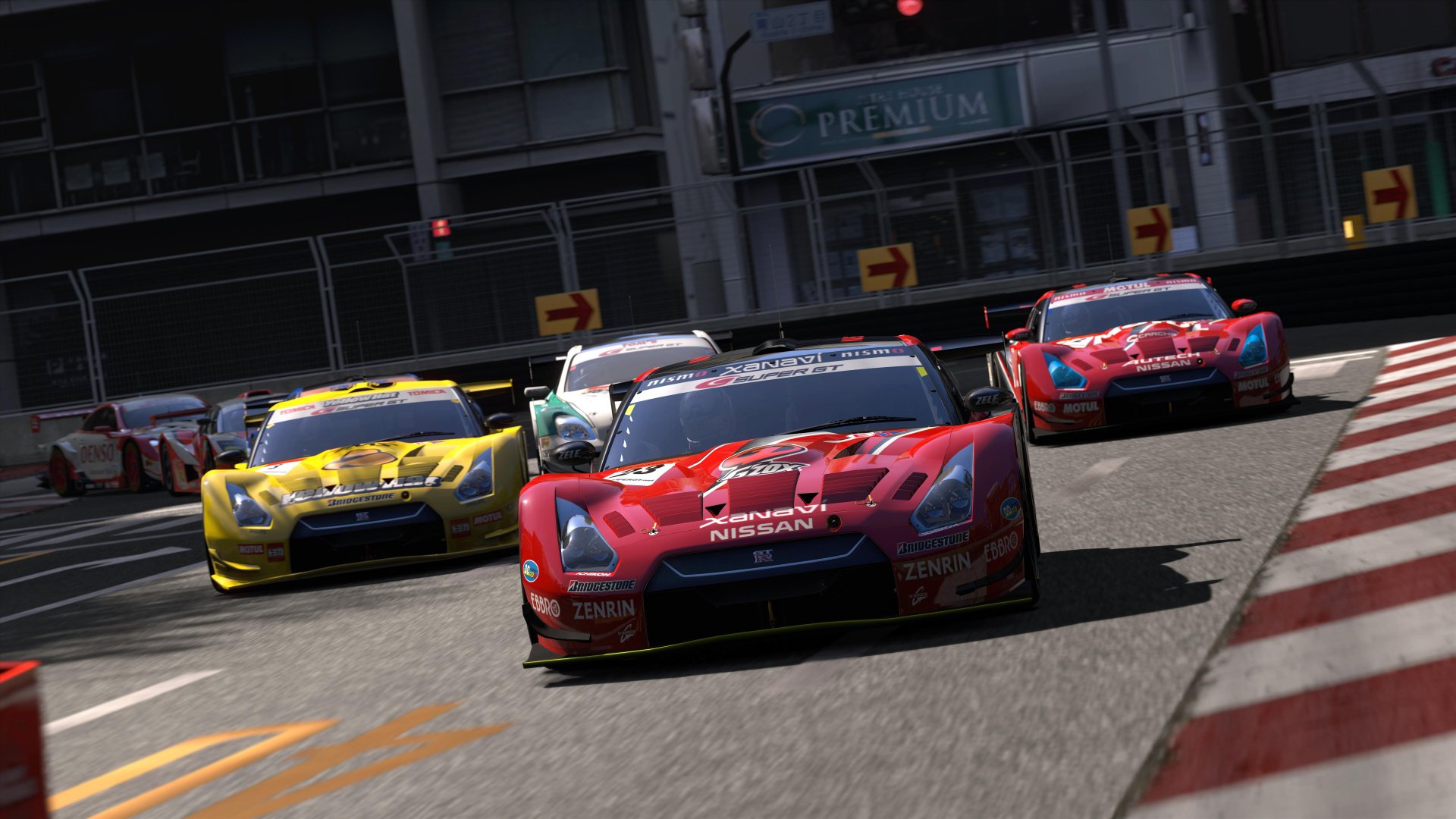
Narrative Depth and Character Profiles
While Gran Turismo 5 wasn't known for its deep narrative or complex character development, it did feature a subtle sense of progression and accomplishment as players advanced through the career mode. The game provided a loose framework for player goals, encouraging them to unlock new cars, master different driving techniques, and compete against increasingly skilled opponents. While there were no prominent characters with detailed backstories, the game's focus was on the experience of driving itself, rather than a traditional narrative structure. This allowed players to project their own motivations and aspirations onto the virtual world, creating a personalized racing journey.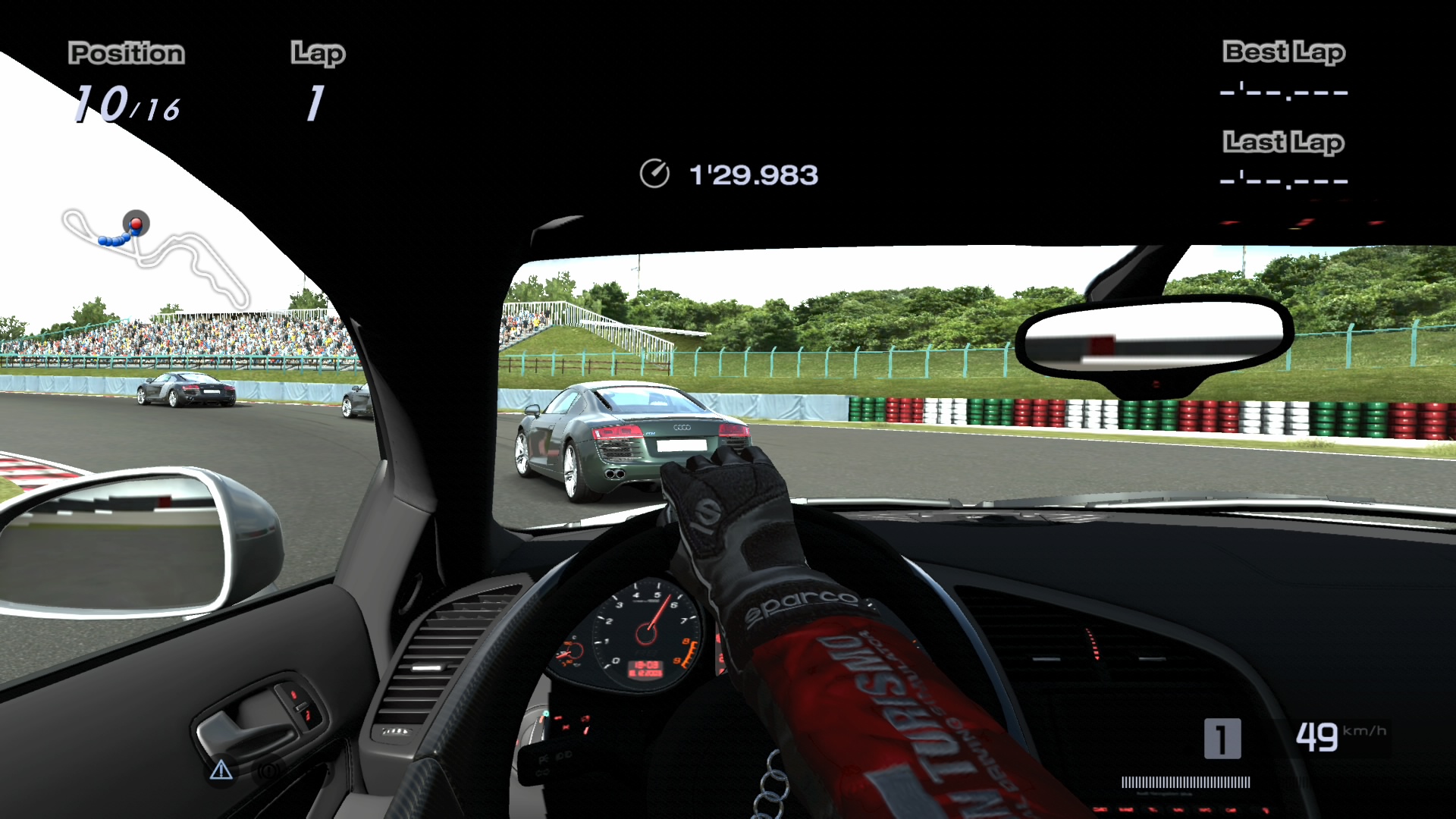
Sound Design and Acoustic Realism
The sound design in Gran Turismo 5 played a crucial role in enhancing the sense of realism and immersion. Each car featured its own unique engine note, meticulously recorded and reproduced to capture its distinct character. The game also incorporated realistic ambient sounds, such as wind noise, crowd cheering, and trackside announcements, further immersing players in the virtual racing environment. The sound effects were carefully balanced to provide feedback on driving performance, alerting players to potential hazards or opportunities for improvement.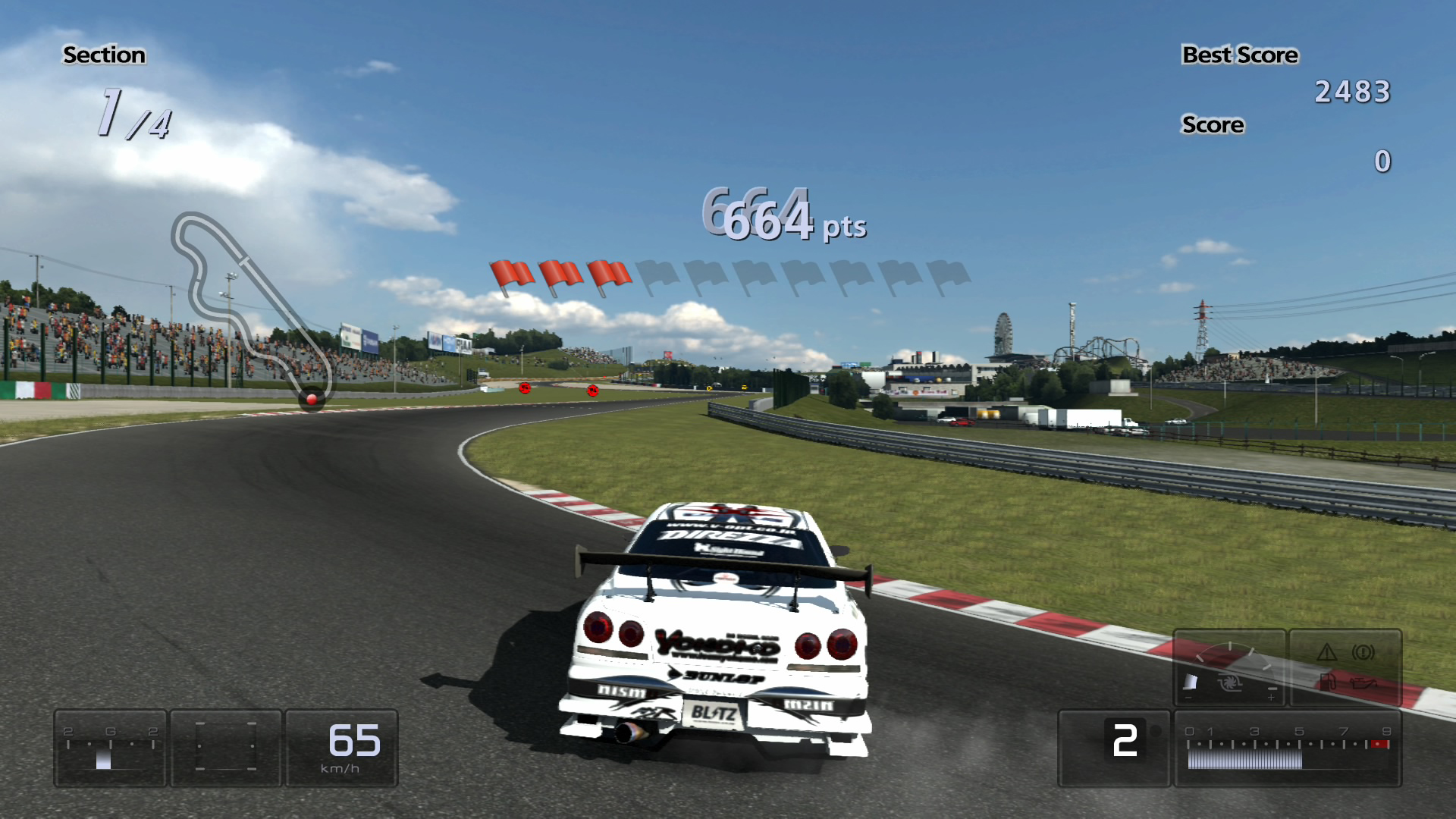
Release Expectations and Community Hype
Gran Turismo 5 was one of the most anticipated games on the PlayStation 3 at the time of its release. The hype surrounding the game stemmed from Polyphony Digital's reputation for delivering high-quality racing simulations, as well as the promise of a vast car list, diverse track locations, and improved online functionality. The game's development was closely followed by fans, who eagerly awaited news and screenshots showcasing its visual fidelity and gameplay features. The release of Gran Turismo 5 generated significant buzz within the gaming community, solidifying its position as a must-have title for racing enthusiasts.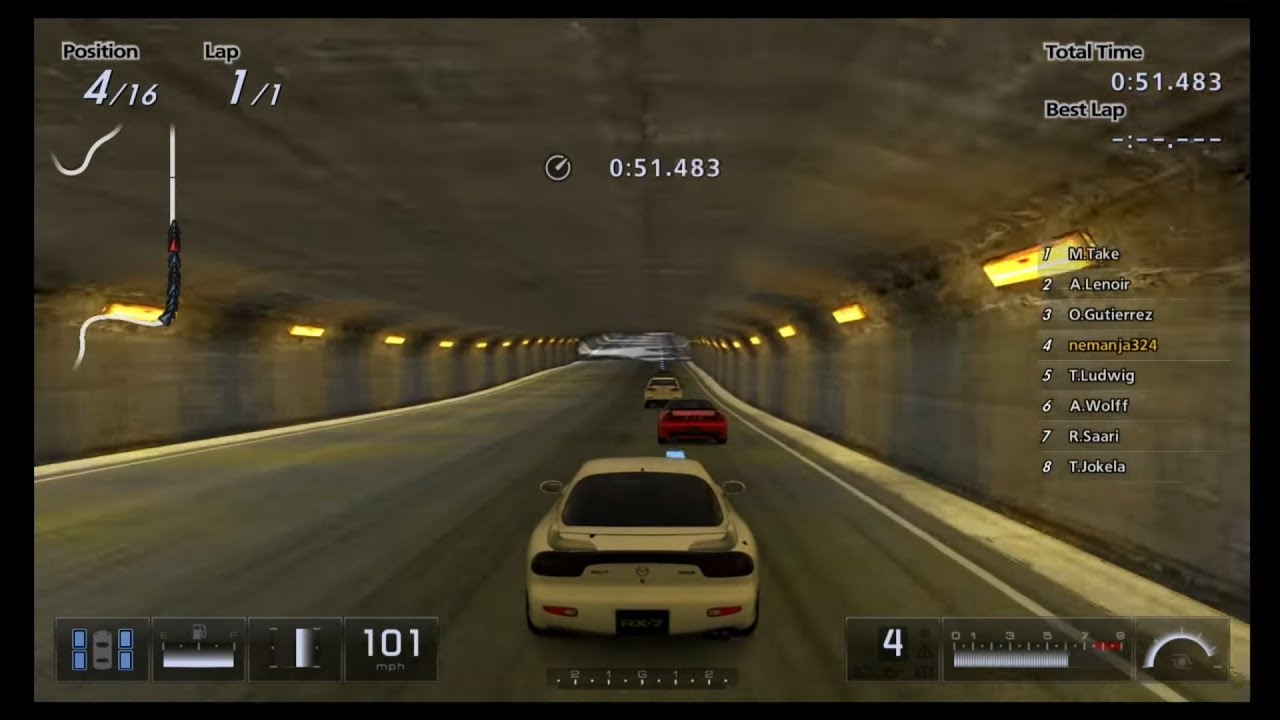
Conclusion: The Future of Gran Turismo 5
Gran Turismo 5 represented a pivotal moment in the evolution of racing simulation. While not without its flaws, the game pushed the boundaries of what was possible on the PlayStation 3, delivering an unparalleled level of realism, content, and online functionality. Its legacy continues to influence the genre today, inspiring developers to strive for even greater levels of immersion and authenticity. Gran Turismo 5 remains a testament to Polyphony Digital's commitment to pushing the limits of racing simulation, solidifying its place as a landmark title in gaming history.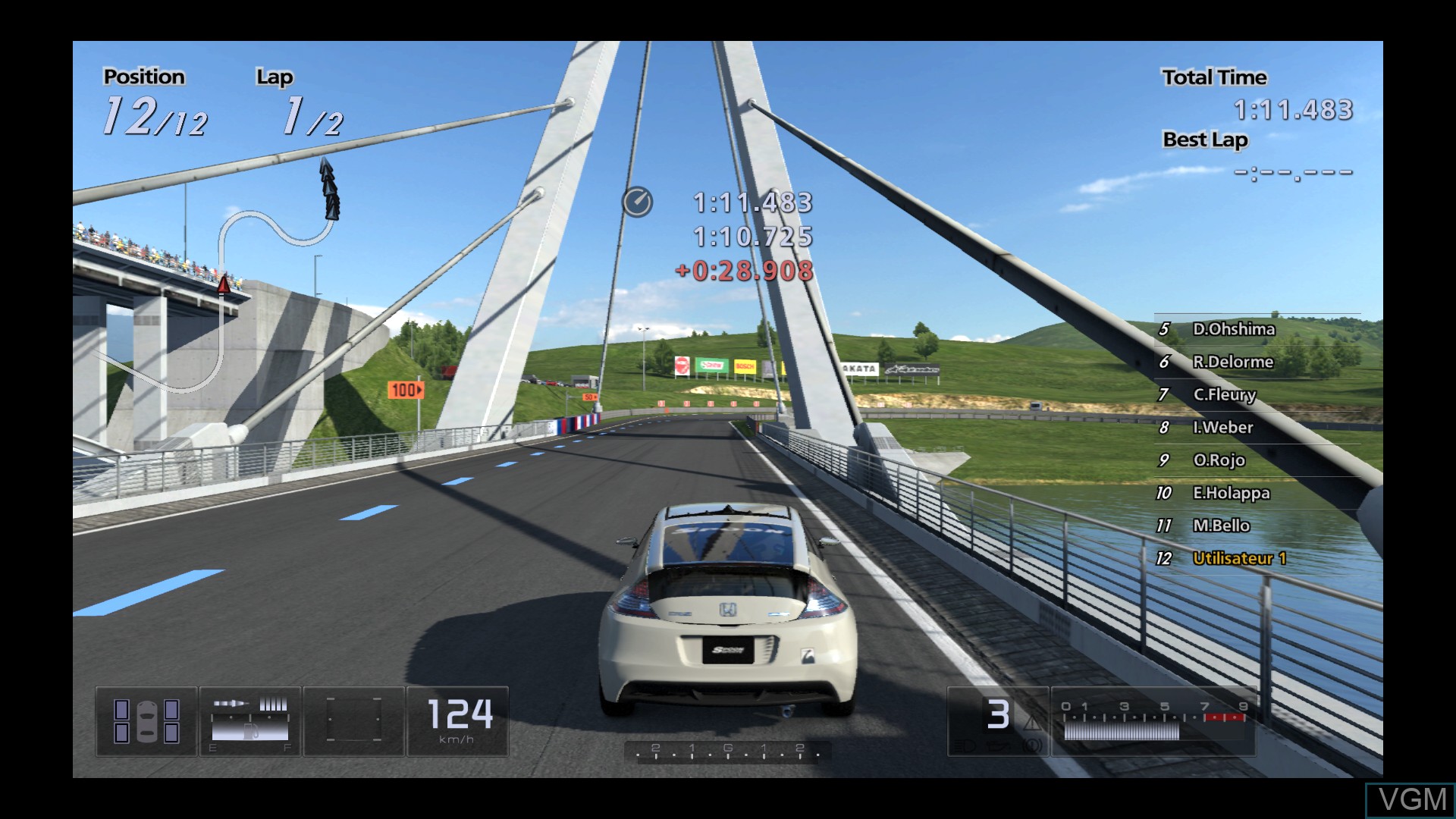
Source: Wikipedia
Google Preferred Source
Add us to your favorite news sources on Google
Get instant updates and breaking news directly in Google News