Introduction: From Console to Screen
The journey from console gaming to television screens has always been an intricate and challenging process, but when it comes to adapting the stunning visuals and immersive storytelling of Ghost of Tsushima: Legends, the task becomes even more daunting. Originally published by Sony Interactive Entertainment for PlayStation 4, this multiplayer expansion of the critically acclaimed single-player game has captivated audiences with its unique blend of historical drama, martial arts prowess, and hauntingly beautiful landscapes. Now, as we delve into the potential adaptation of Ghost of Tsushima: Legends to a television series or film, it’s crucial to explore how the core elements that made the game so unforgettable can be translated to a new medium.
Visual Direction: Translating Game Aesthetics
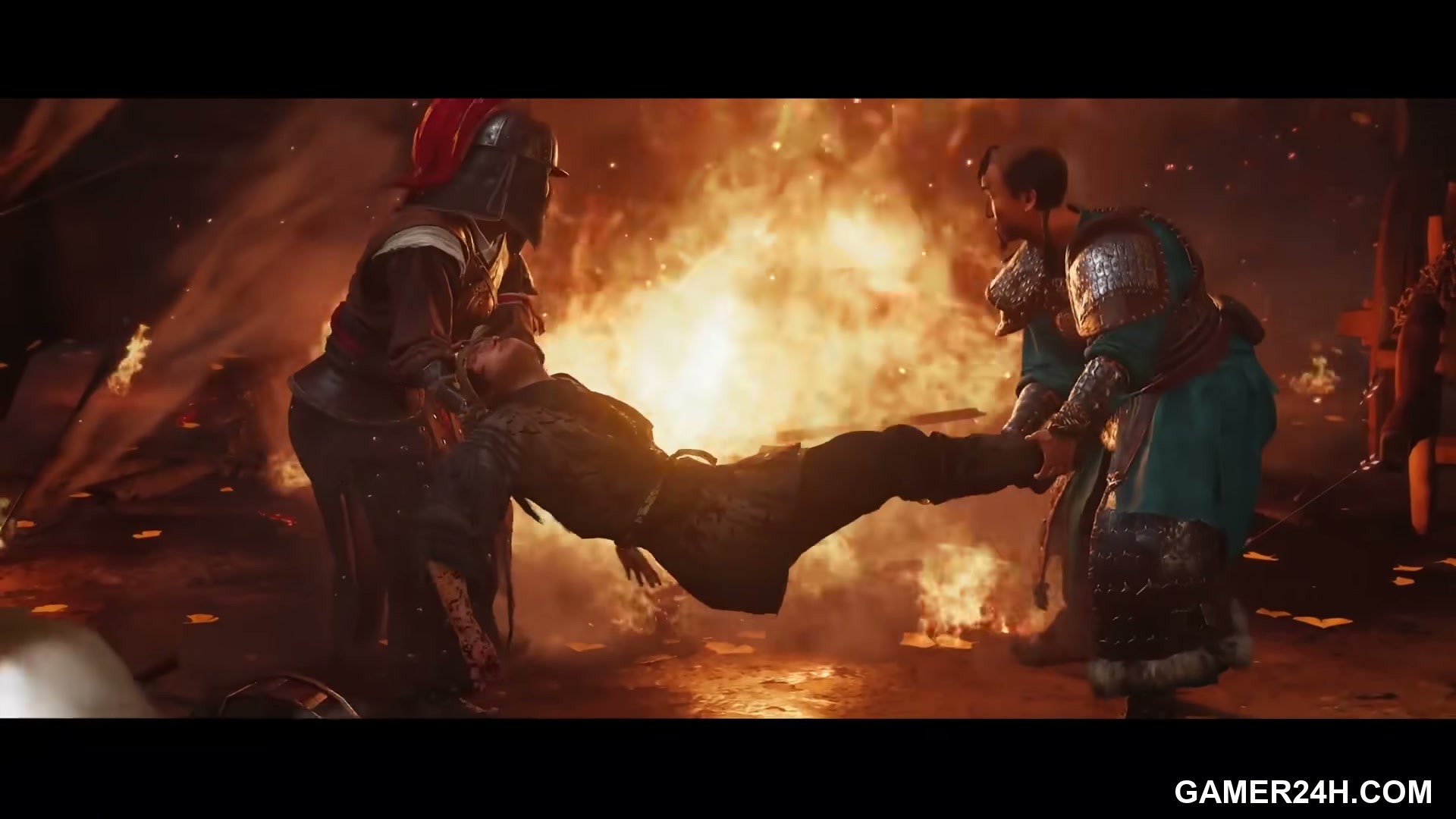
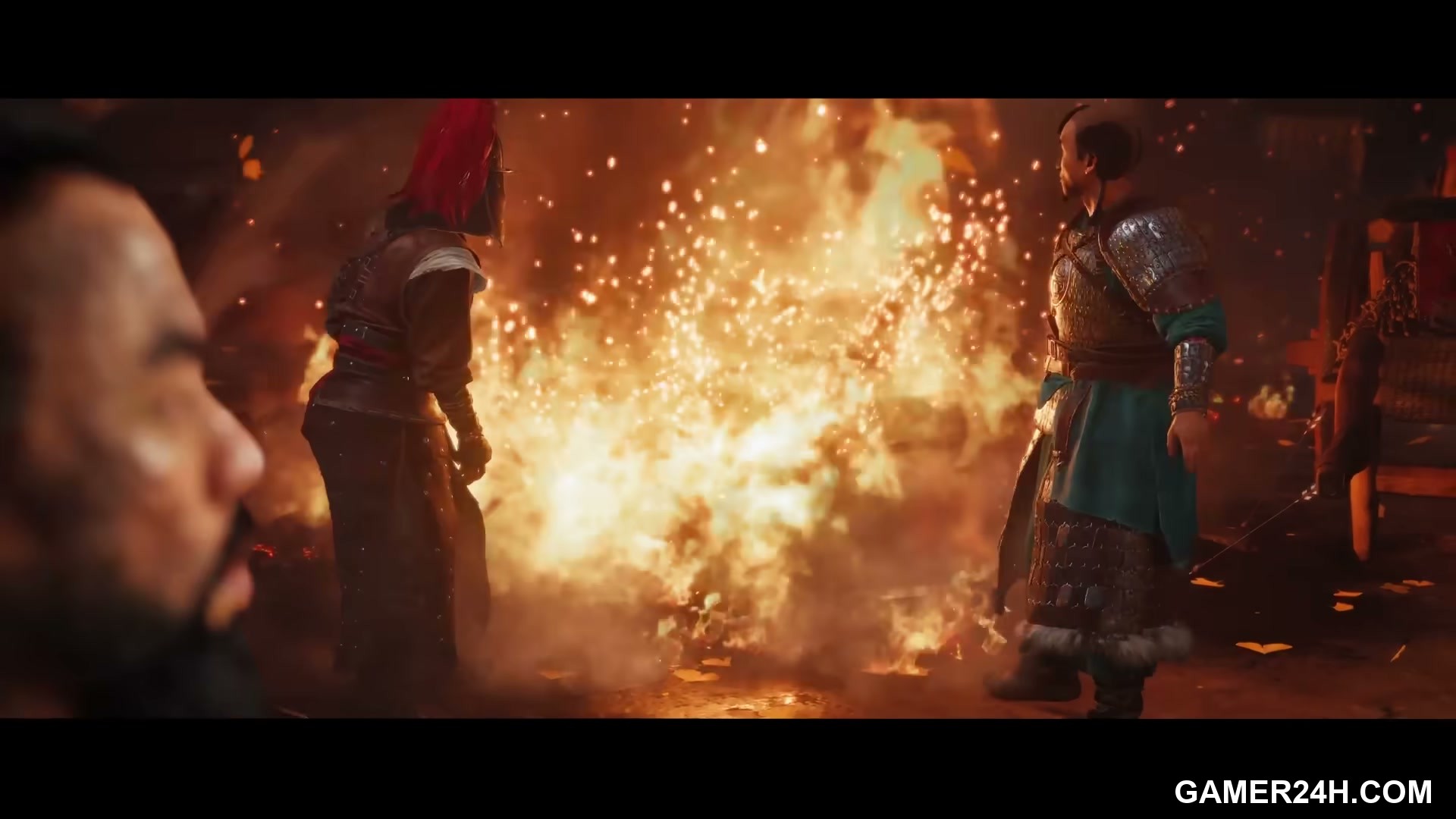
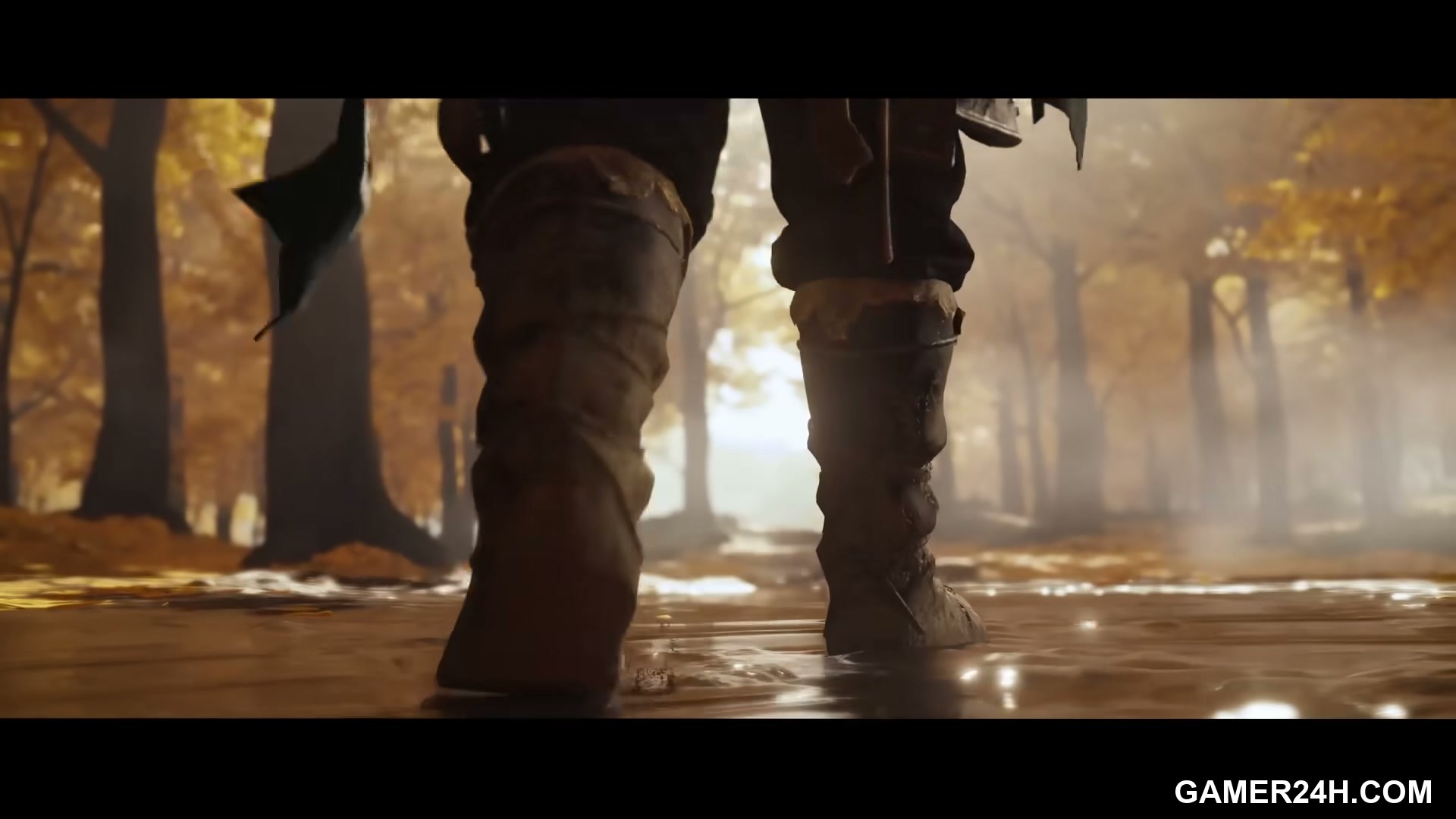
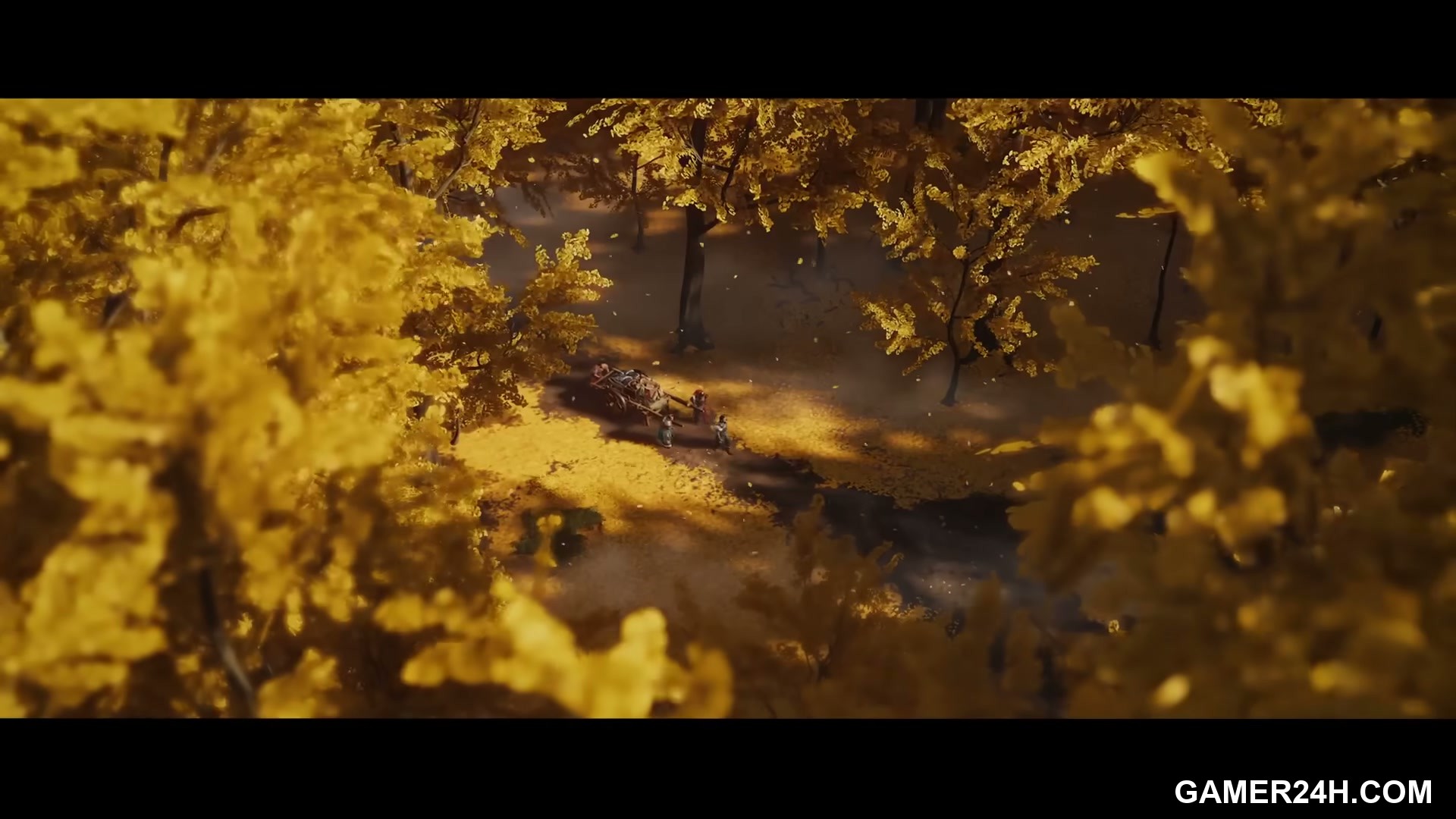
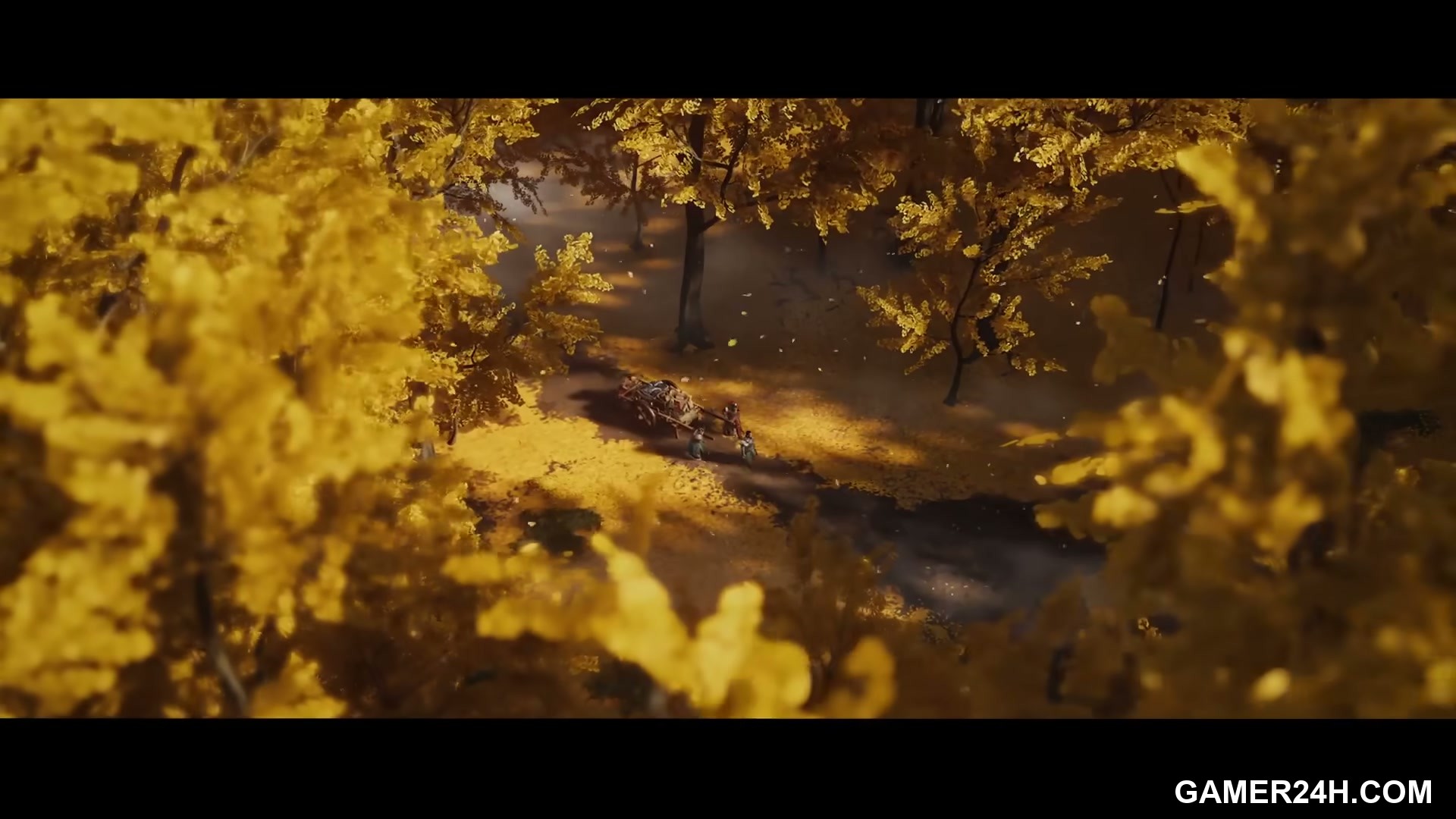
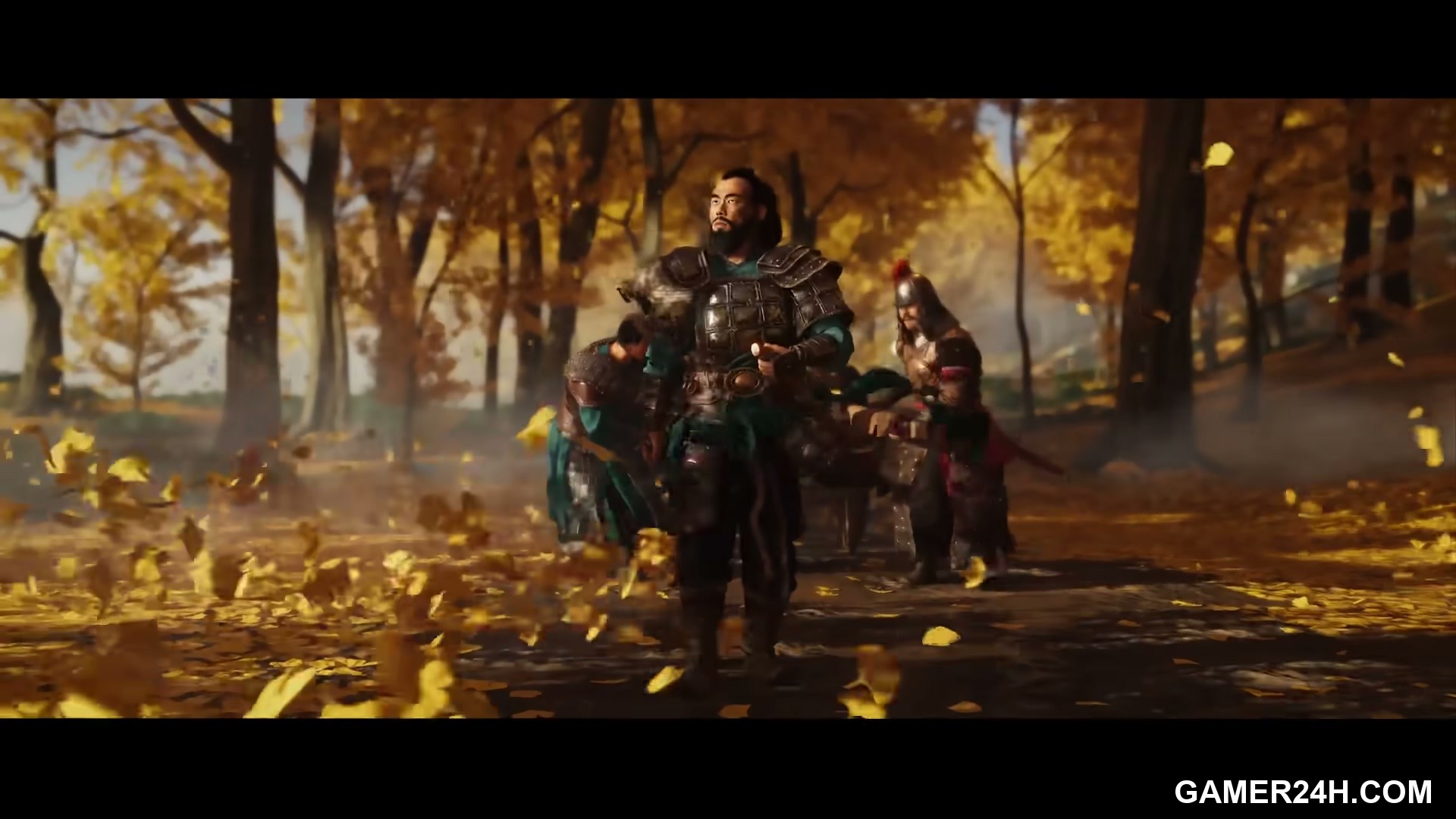
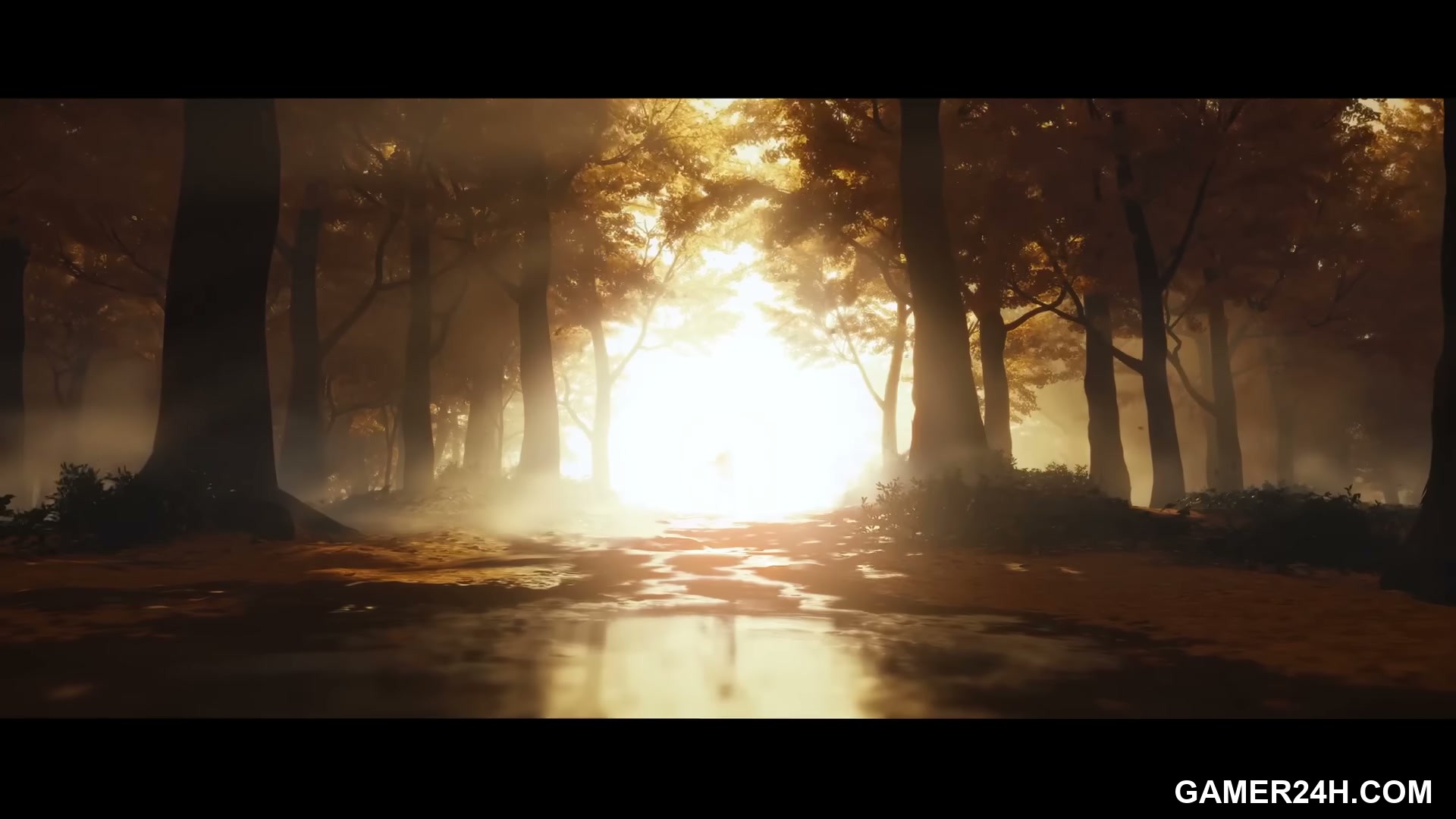
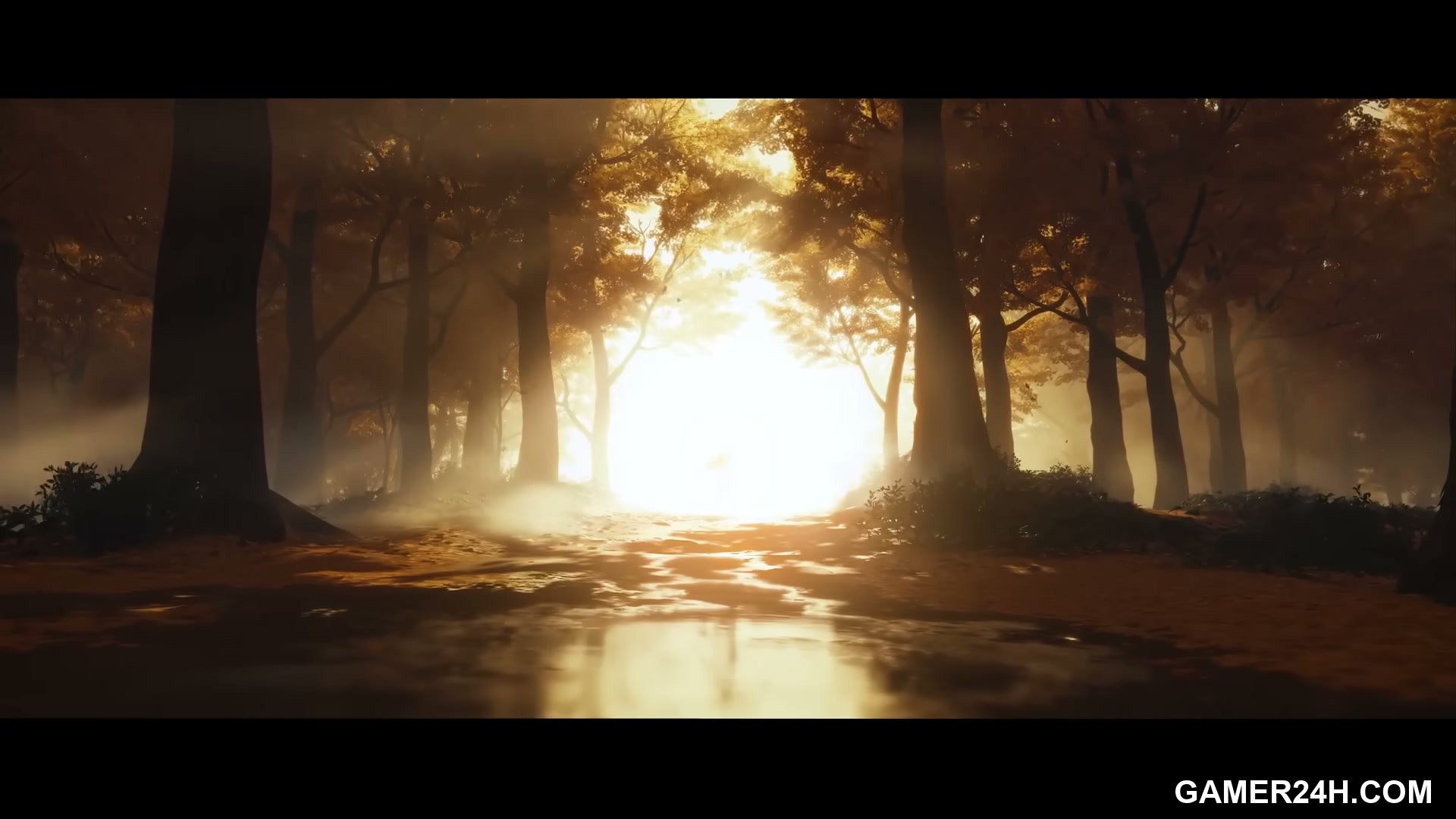
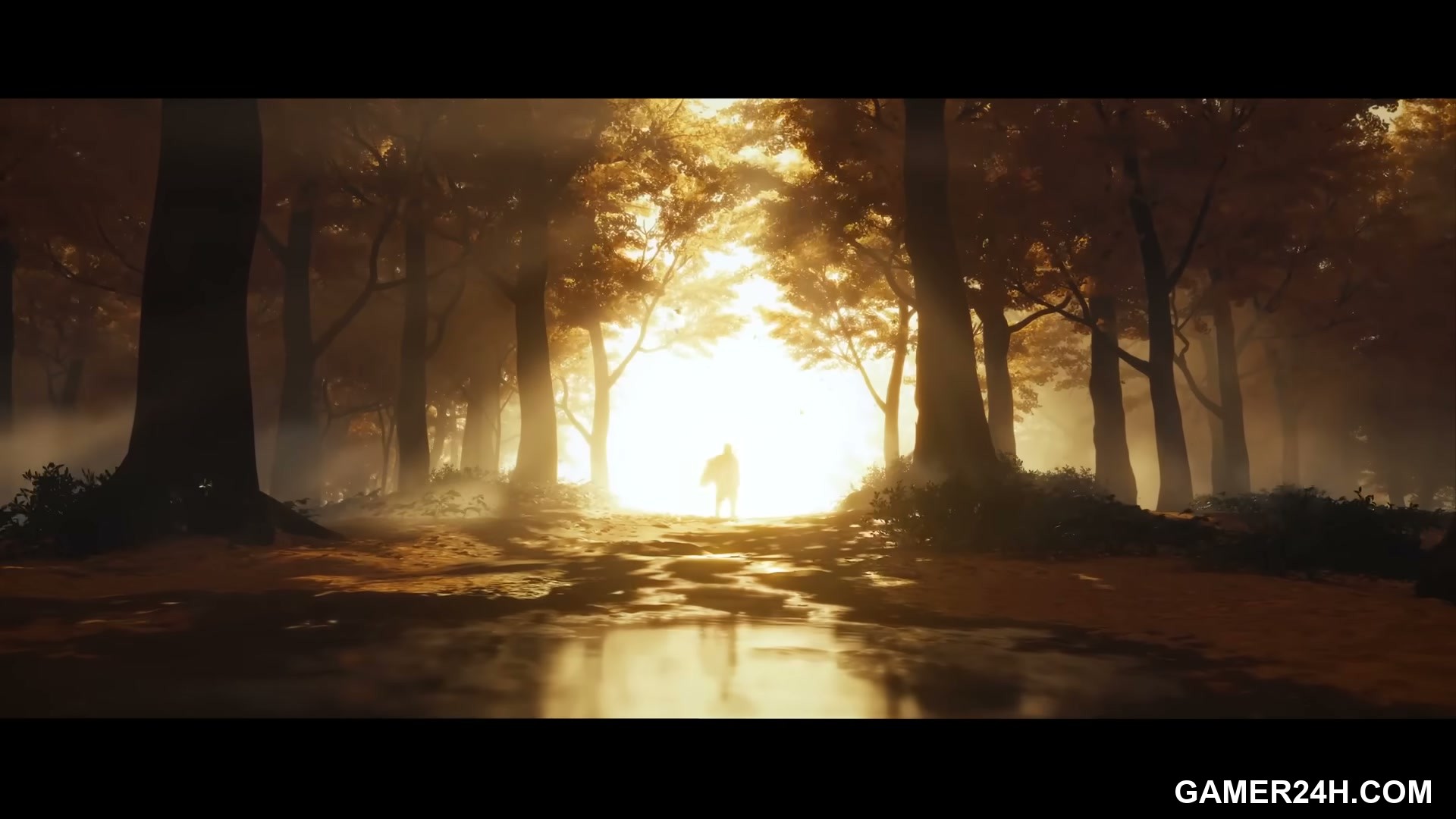
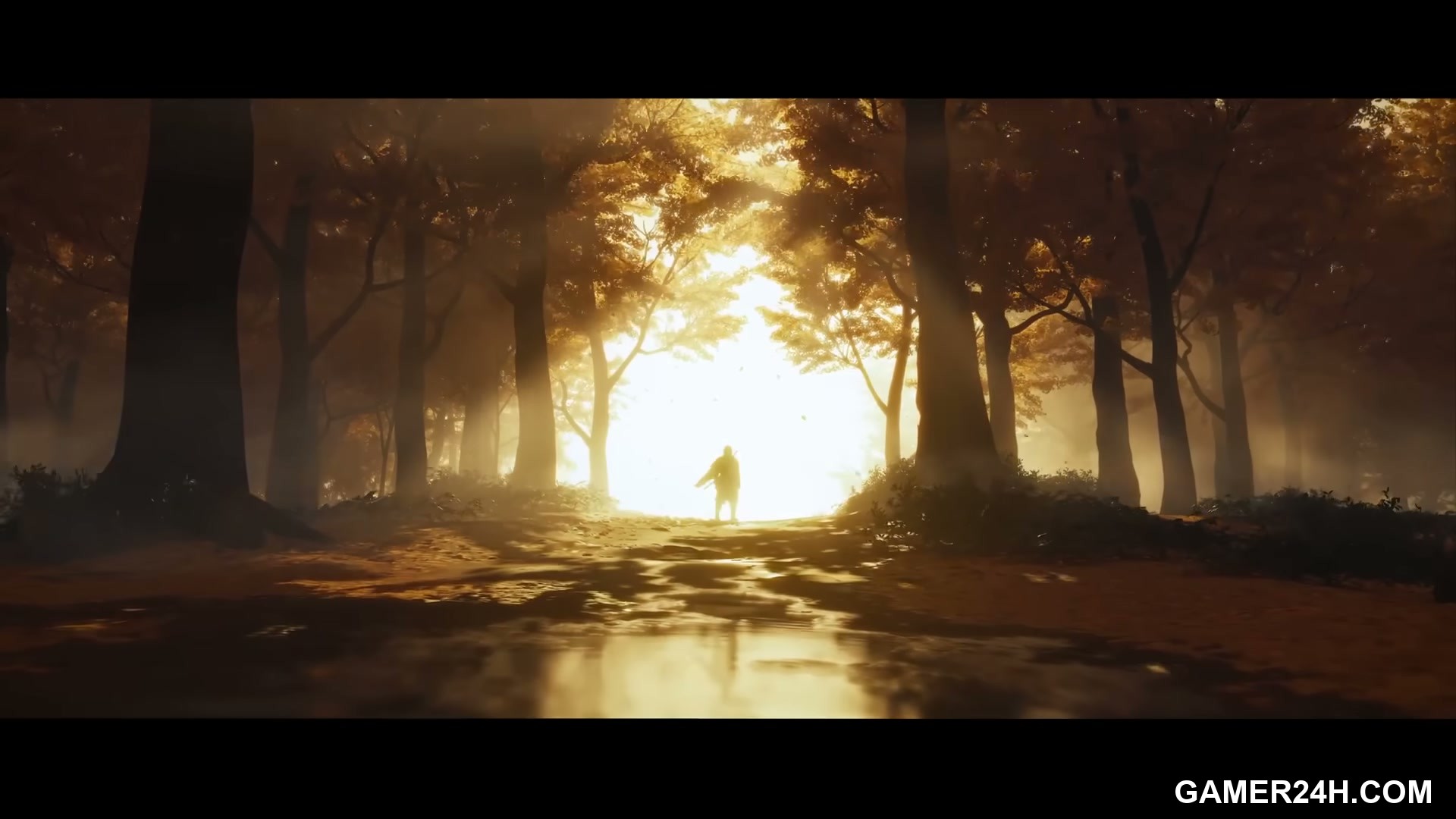
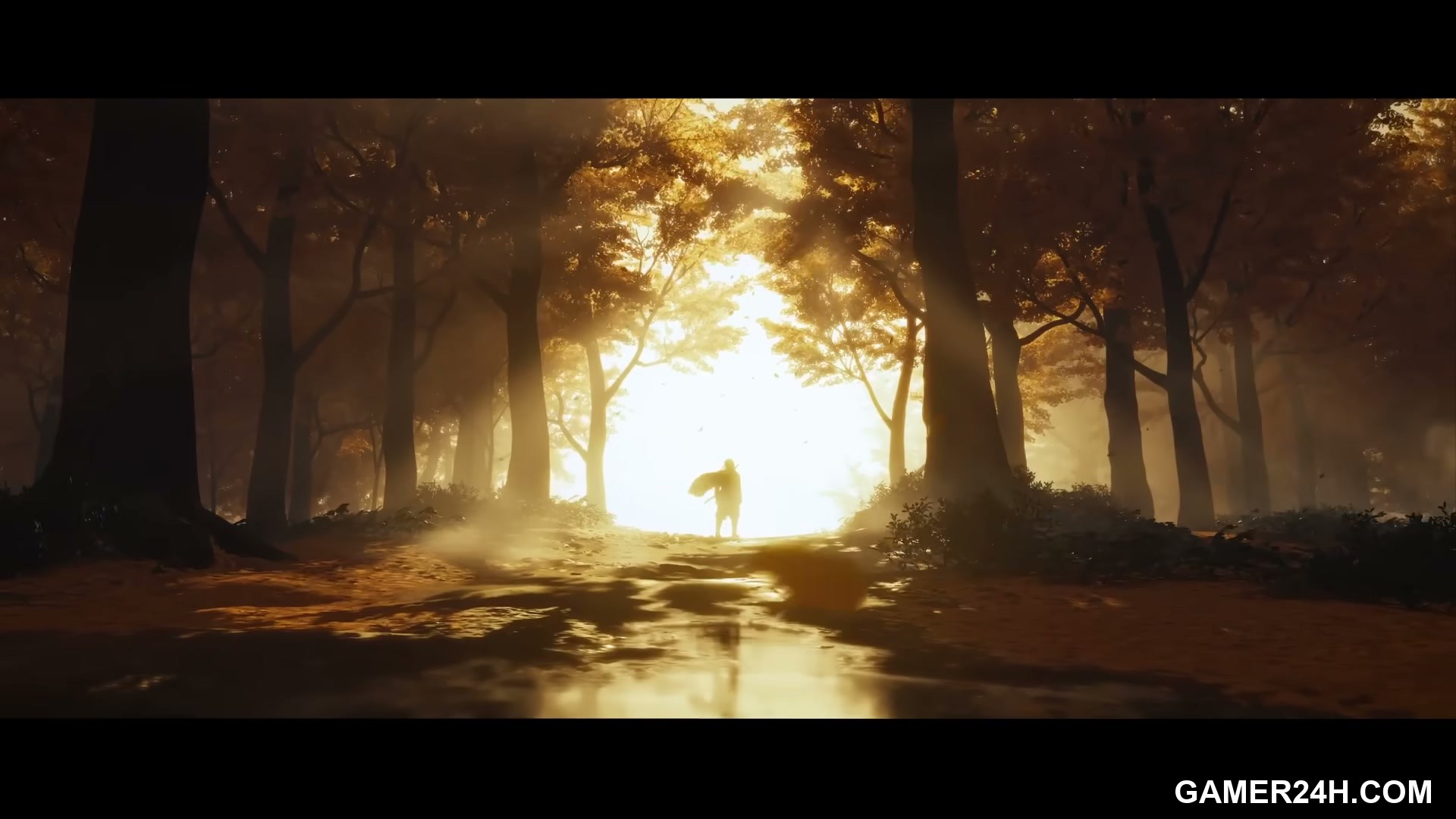
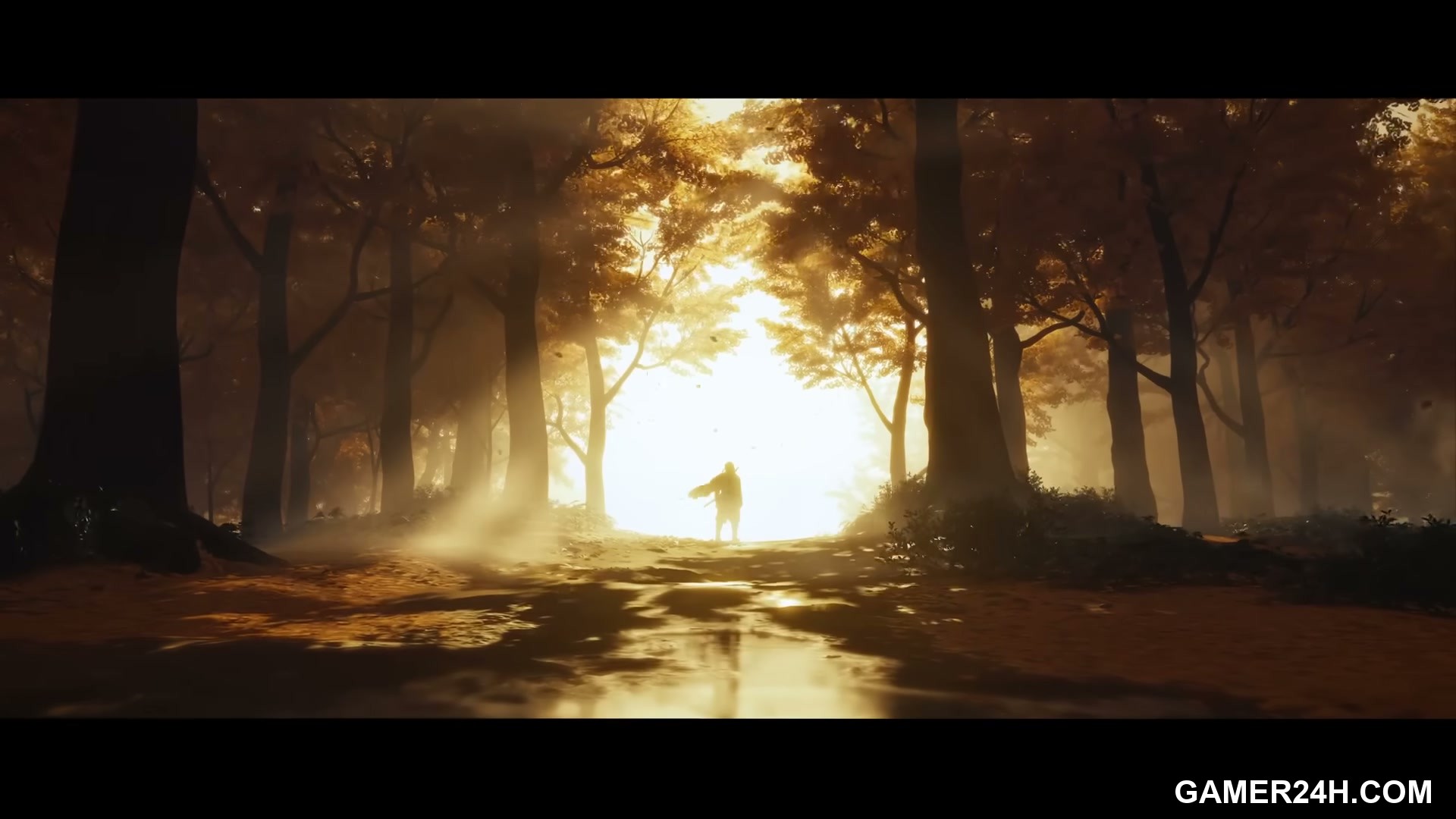
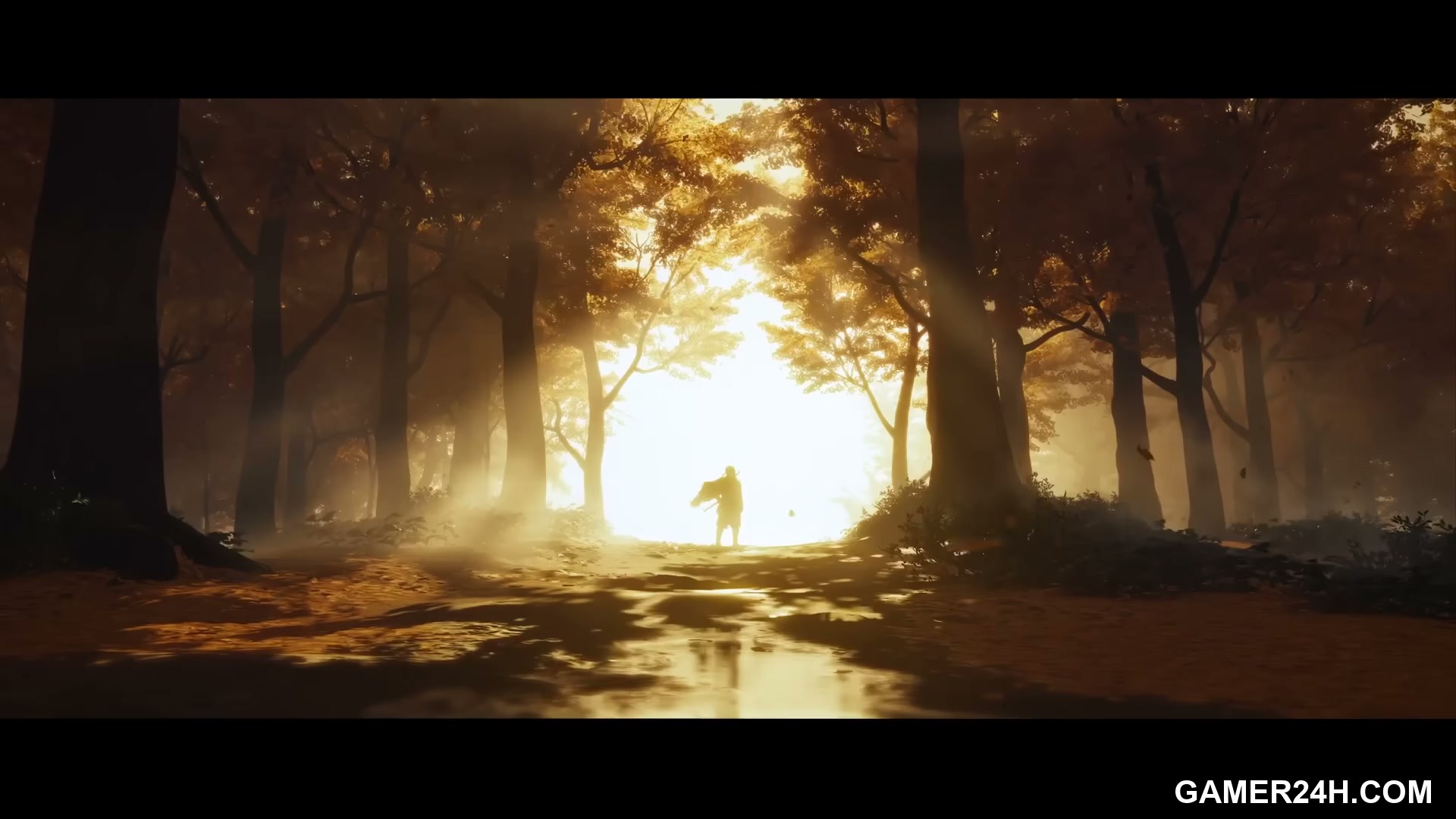
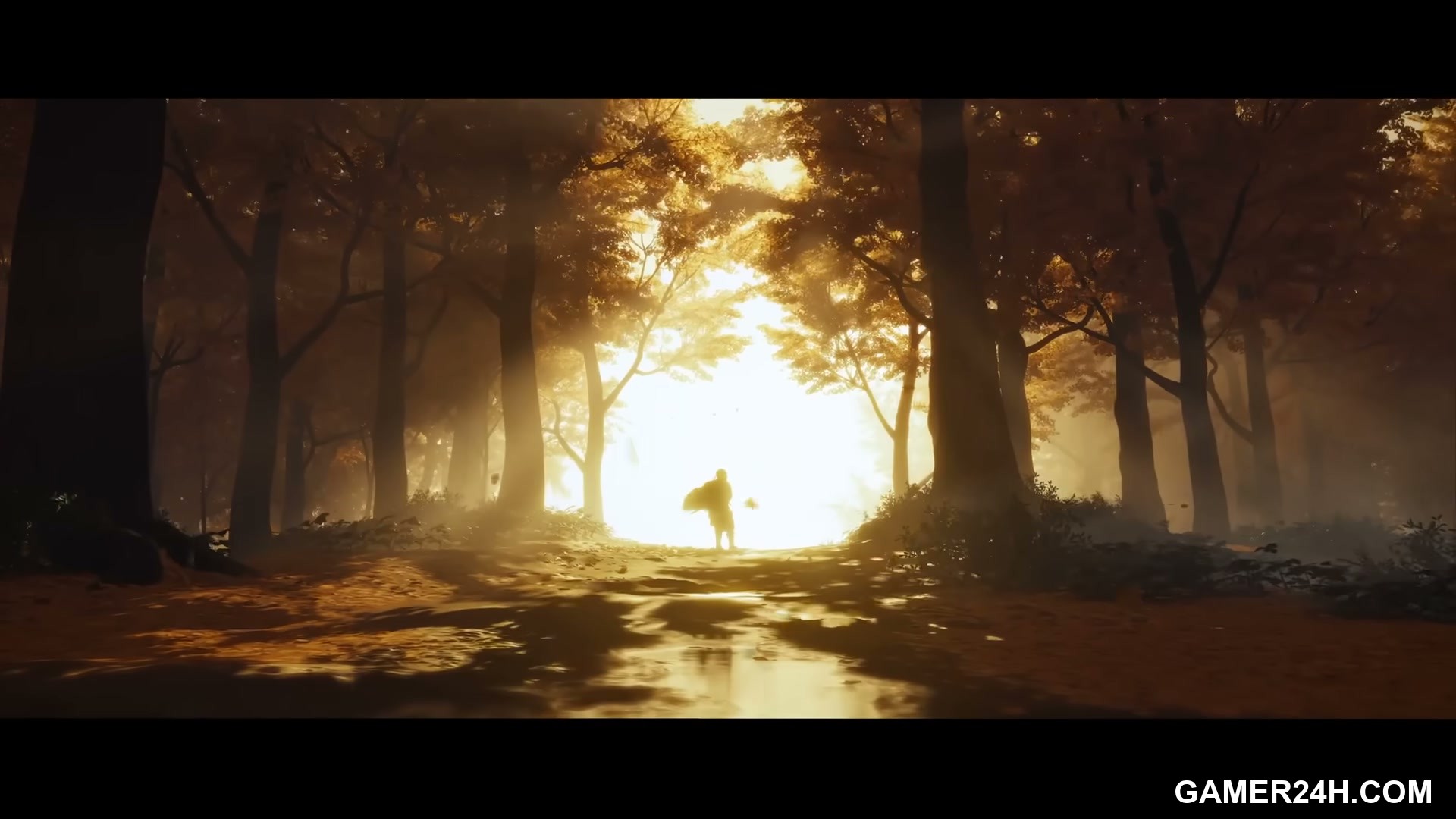
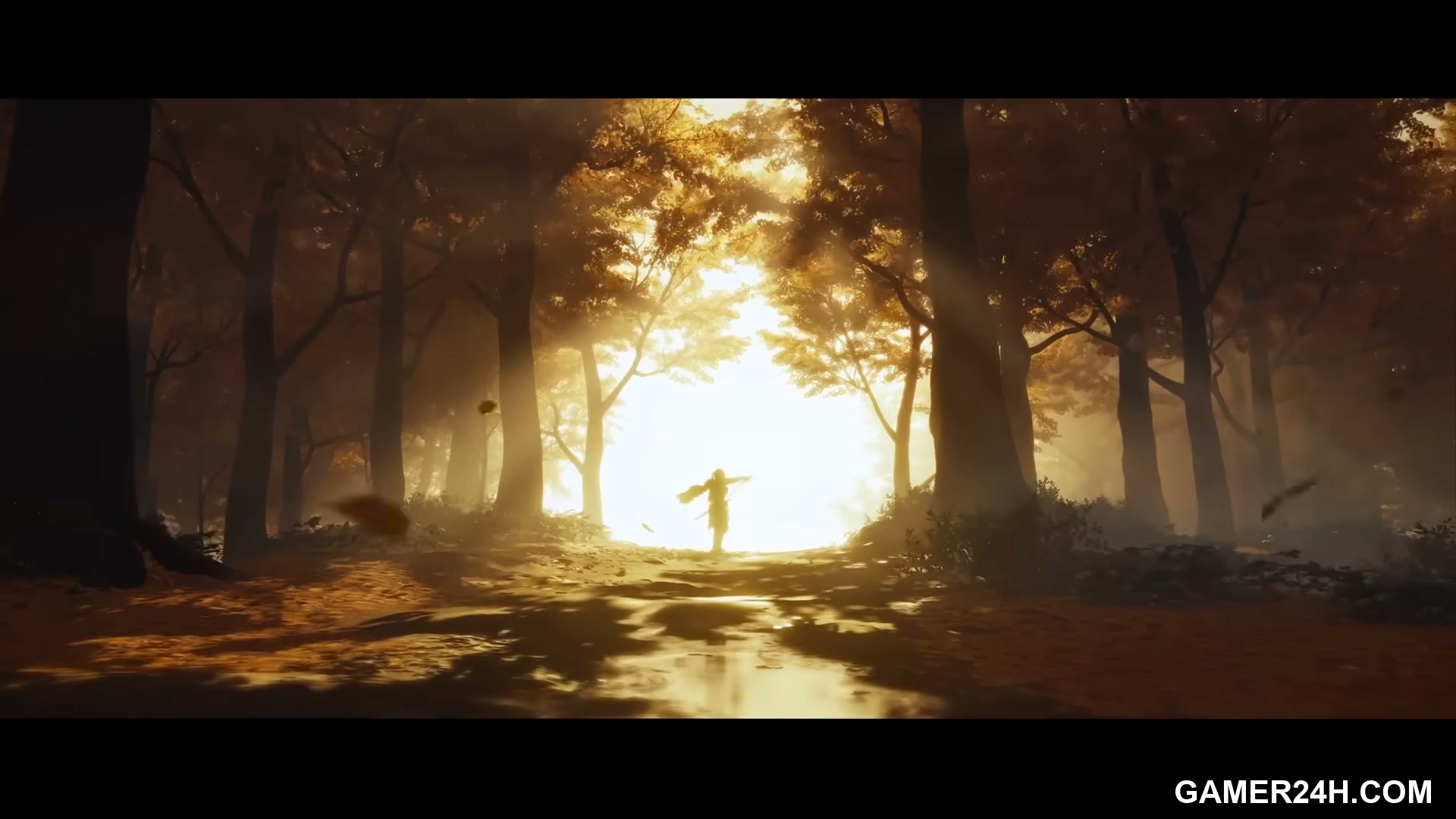
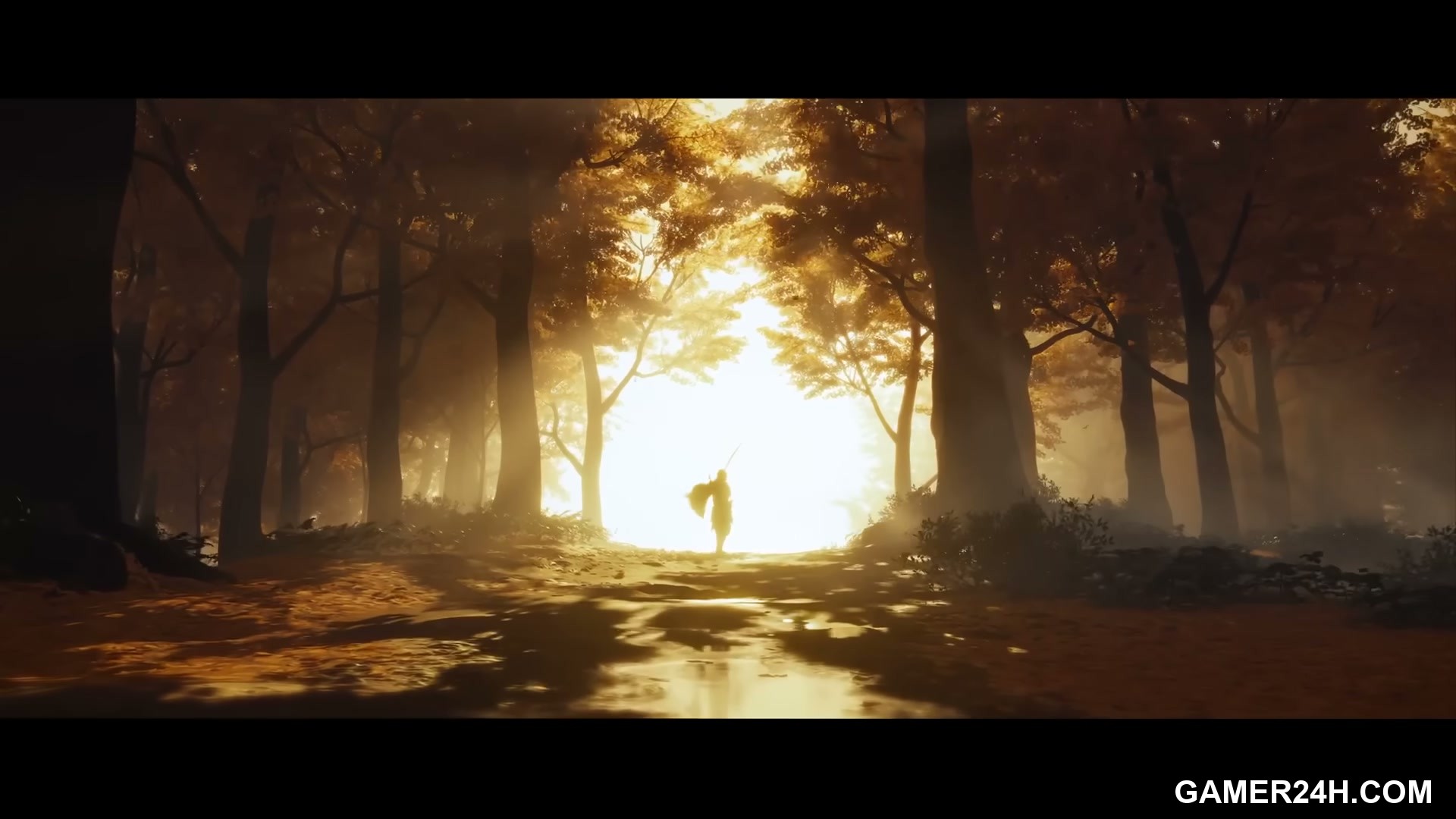
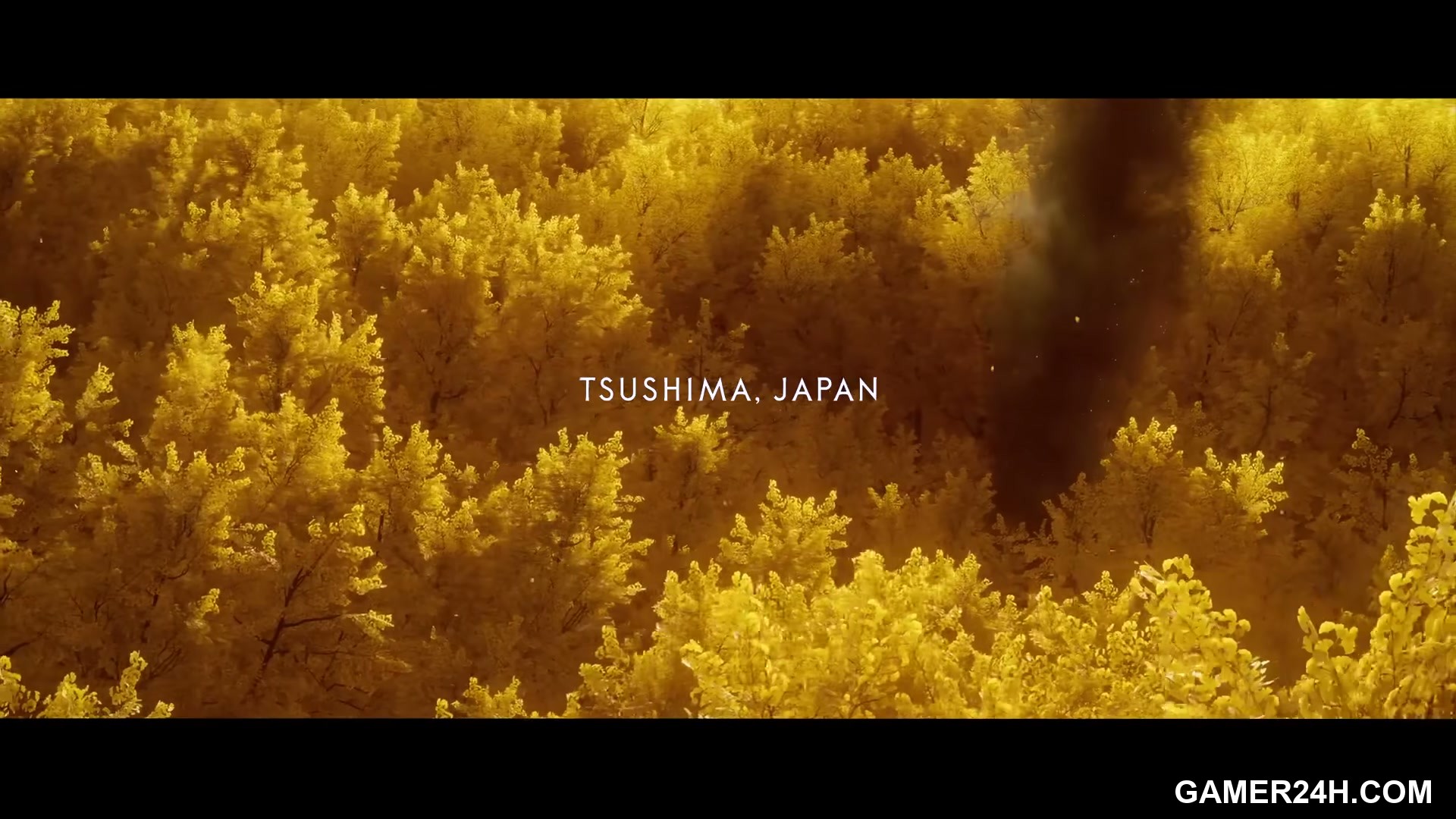
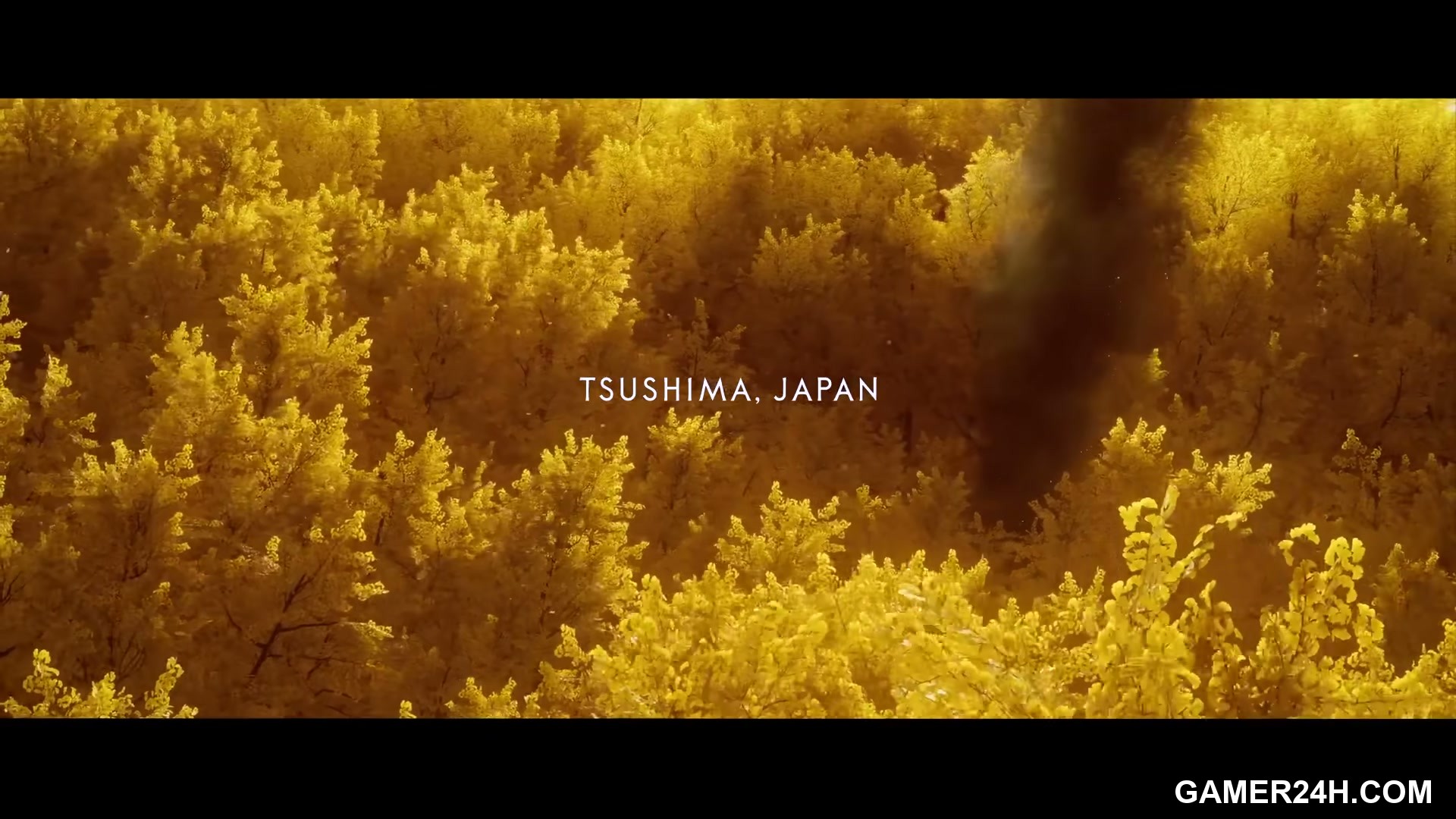
The adaptation must first and foremost capture the essence of Tsushima’s beauty and desolation. The original game is renowned for its breathtaking vistas, from the mist-shrouded forests to the snow-capped mountains that serve as a backdrop for intense battles. For the cinematic version, visual direction will be paramount in recreating this sense of place. The challenge lies not just in mimicking the stunning visuals but also in enhancing them through cinematography techniques such as dynamic camera angles and lighting effects that can convey both the serenity of a quiet dawn and the chaos of a raging storm.
Moreover, the game’s art style, which marries traditional Japanese aesthetics with modern design elements, will need to be carefully reinterpreted. This could involve utilizing high-definition CGI to create an even more lifelike portrayal of Tsushima while maintaining the distinctive graphic look that has become synonymous with the franchise. The use of practical effects for key sequences—such as blood splatter or smoke from explosions—could further bridge the gap between digital and real-world experiences.
Story & Adaptation: Honoring the Source Material
The narrative foundation of Ghost of Tsushima: Legends, despite being a multiplayer extension, offers rich opportunities for adaptation. The game’s storyline is deeply rooted in historical events while also exploring themes of redemption and honor through its characters’ personal arcs. A key challenge will be condensing these expansive narratives into cohesive episodes or scenes that can stand alone yet contribute to the overarching story.
The adaptation should aim to deepen character backstories, explore more facets of their relationships, and provide greater context for the war-torn world they inhabit. This may involve weaving in additional historical figures from Japan’s past or introducing new characters who challenge the status quo within the existing narrative framework. Furthermore, it is essential that any changes made respect the cultural integrity of the source material, ensuring a respectful portrayal of Japanese history and culture.
Cinematic Atmosphere & Scale
Visual Direction: Translating Game Aesthetics
The adaptation must first and foremost capture the essence of Tsushima’s beauty and desolation. The original game is renowned for its breathtaking vistas, from the mist-shrouded forests to the snow-capped mountains that serve as a backdrop for intense battles. For the cinematic version, visual direction will be paramount in recreating this sense of place. The challenge lies not just in mimicking the stunning visuals but also in enhancing them through cinematography techniques such as dynamic camera angles and lighting effects that can convey both the serenity of a quiet dawn and the chaos of a raging storm.
Moreover, the game’s art style, which marries traditional Japanese aesthetics with modern design elements, will need to be carefully reinterpreted. This could involve utilizing high-definition CGI to create an even more lifelike portrayal of Tsushima while maintaining the distinctive graphic look that has become synonymous with the franchise. The use of practical effects for key sequences—such as blood splatter or smoke from explosions—could further bridge the gap between digital and real-world experiences.
Story & Adaptation: Honoring the Source Material
The narrative foundation of Ghost of Tsushima: Legends, despite being a multiplayer extension, offers rich opportunities for adaptation. The game’s storyline is deeply rooted in historical events while also exploring themes of redemption and honor through its characters’ personal arcs. A key challenge will be condensing these expansive narratives into cohesive episodes or scenes that can stand alone yet contribute to the overarching story.
The adaptation should aim to deepen character backstories, explore more facets of their relationships, and provide greater context for the war-torn world they inhabit. This may involve weaving in additional historical figures from Japan’s past or introducing new characters who challenge the status quo within the existing narrative framework. Furthermore, it is essential that any changes made respect the cultural integrity of the source material, ensuring a respectful portrayal of Japanese history and culture.
Cinematic Atmosphere & Scale
Creating an immersive atmosphere akin to the one found in Ghost of Tsushima: Legends will require meticulous attention to detail. The game’s ability to transport players into another world is largely due to its atmospheric sound design and visual storytelling techniques. For a cinematic adaptation, this must be amplified through wide-angle shots that capture sweeping landscapes, intimate close-ups during tense moments, and fluid camera movements that mirror the player’s perspective.
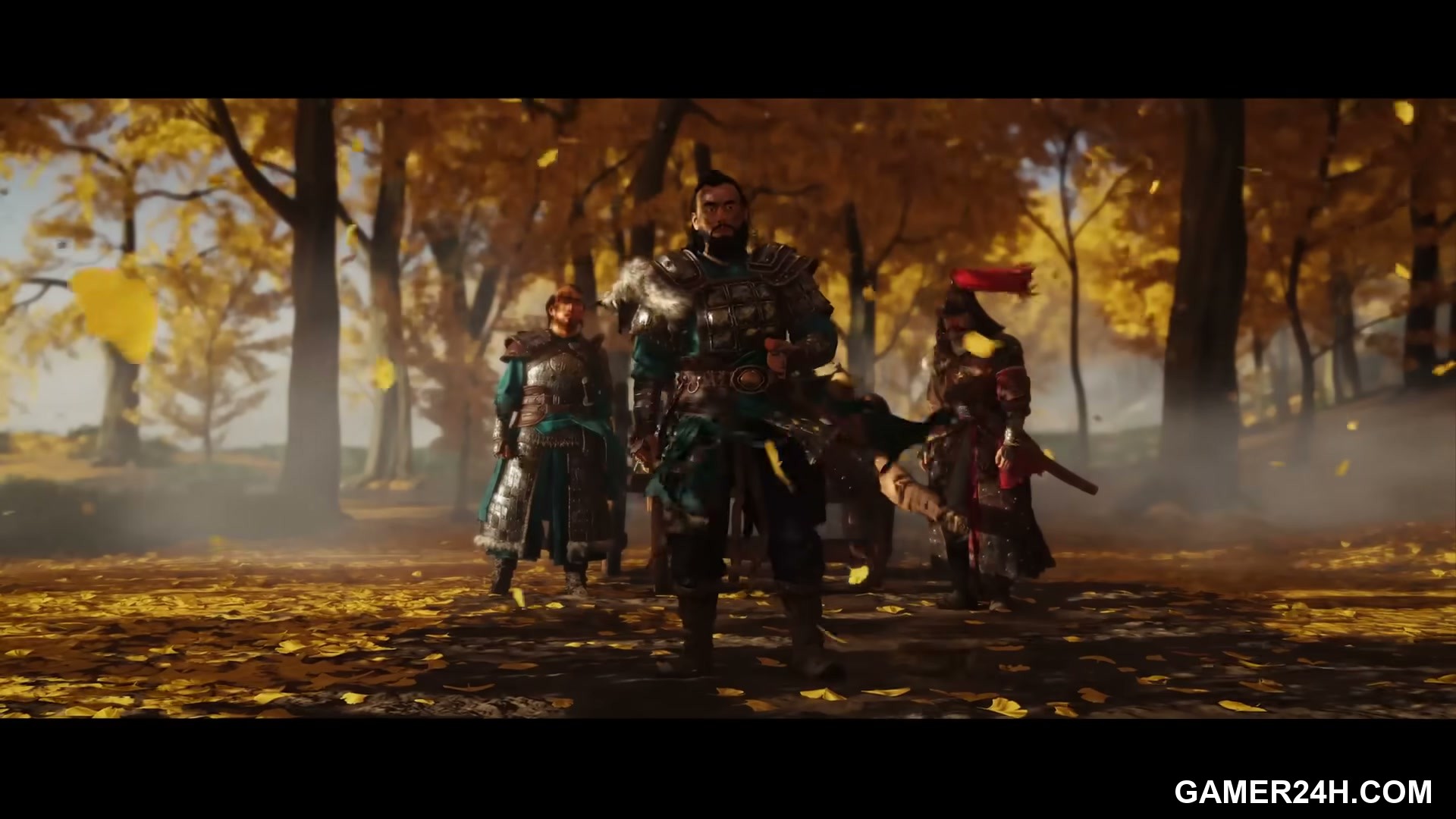
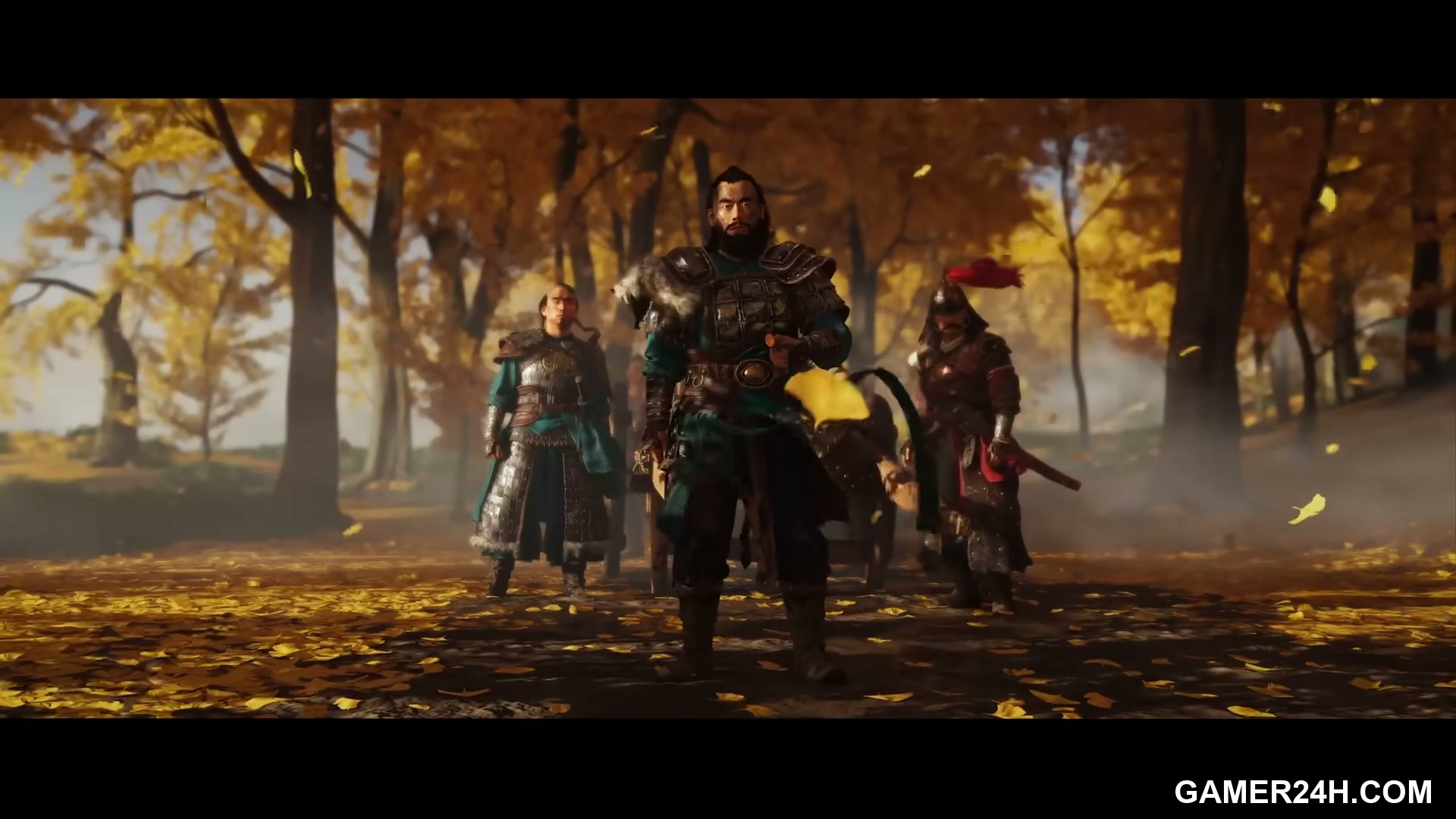
The production team will need to balance between creating an epic scope with grand set pieces reminiscent of the game’s most iconic scenes—such as large-scale battles against Mongol invaders—and smaller, more personal vignettes focusing on character development. Achieving this balance requires a deep understanding of both the source material and how to tell its story effectively through film or television.
Cast & Characters: Bringing Icons to Life
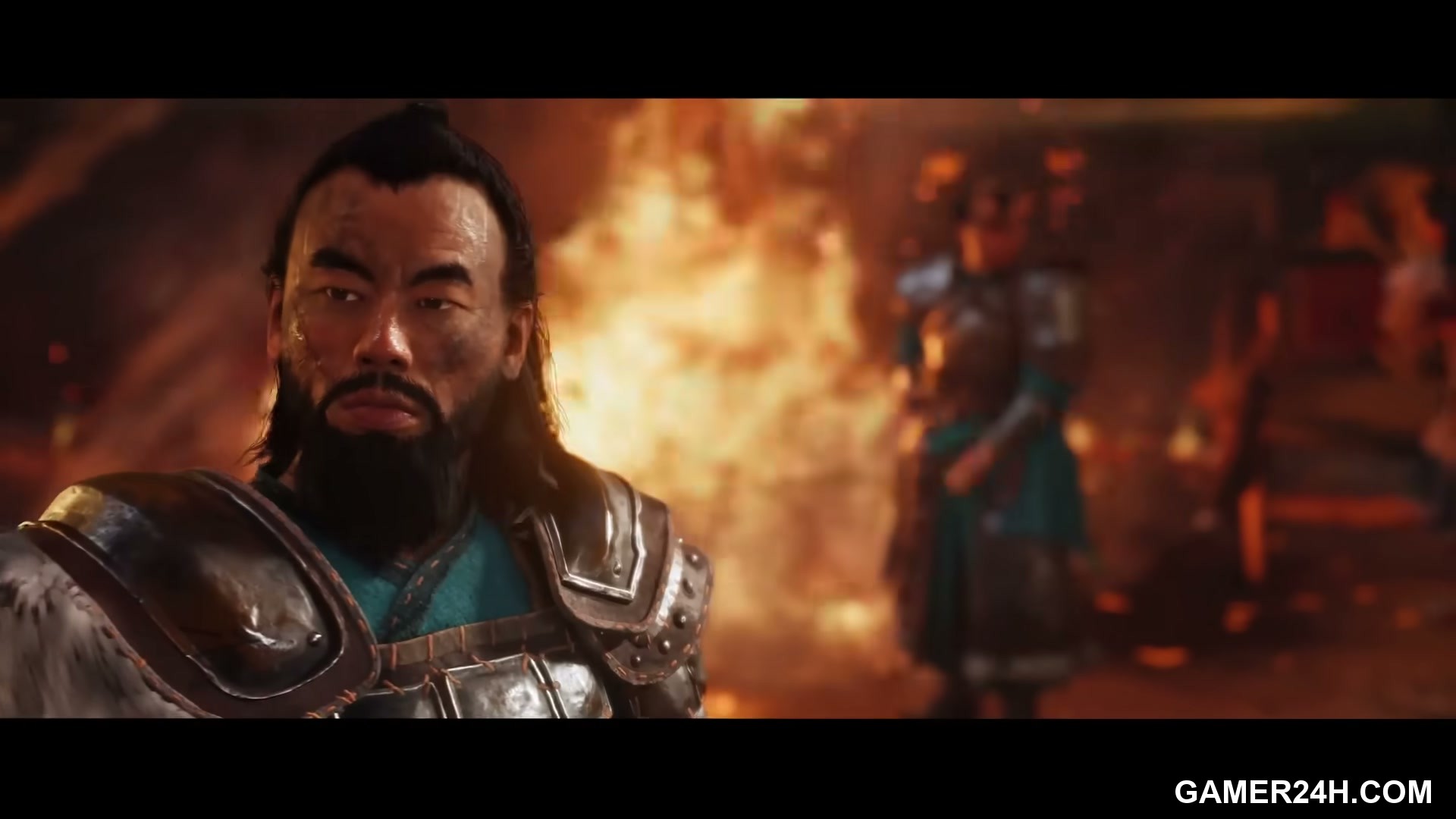
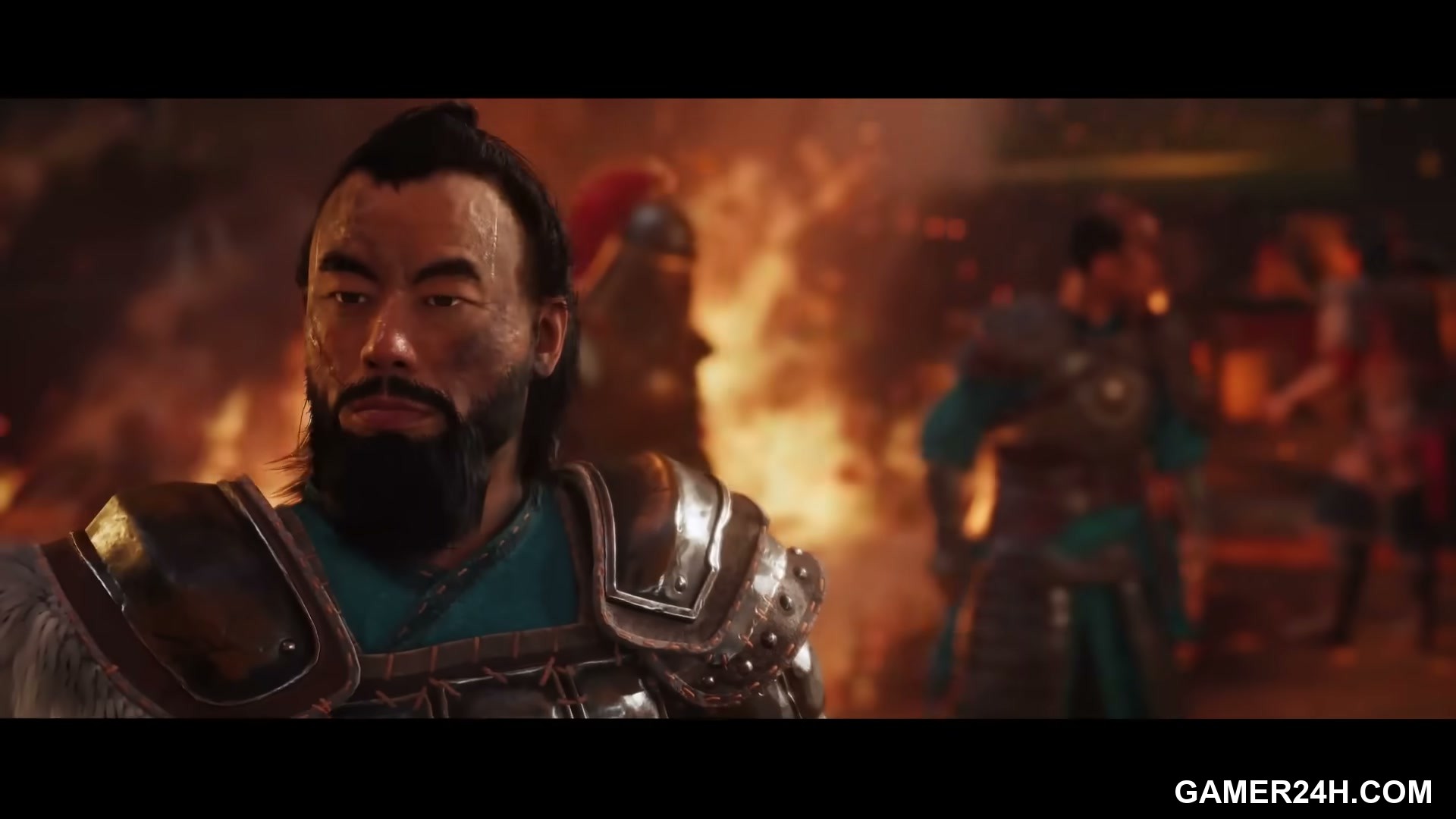
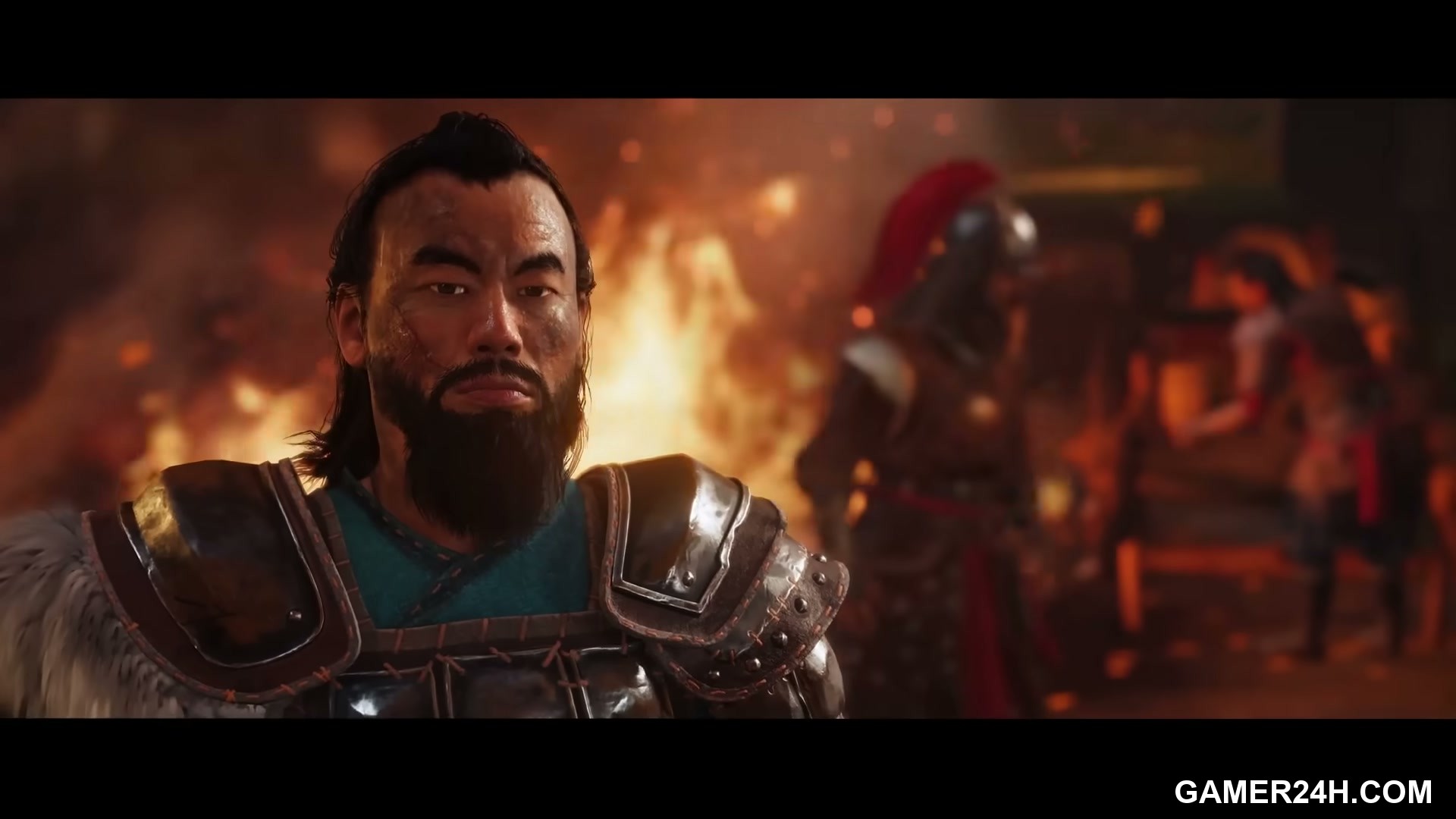
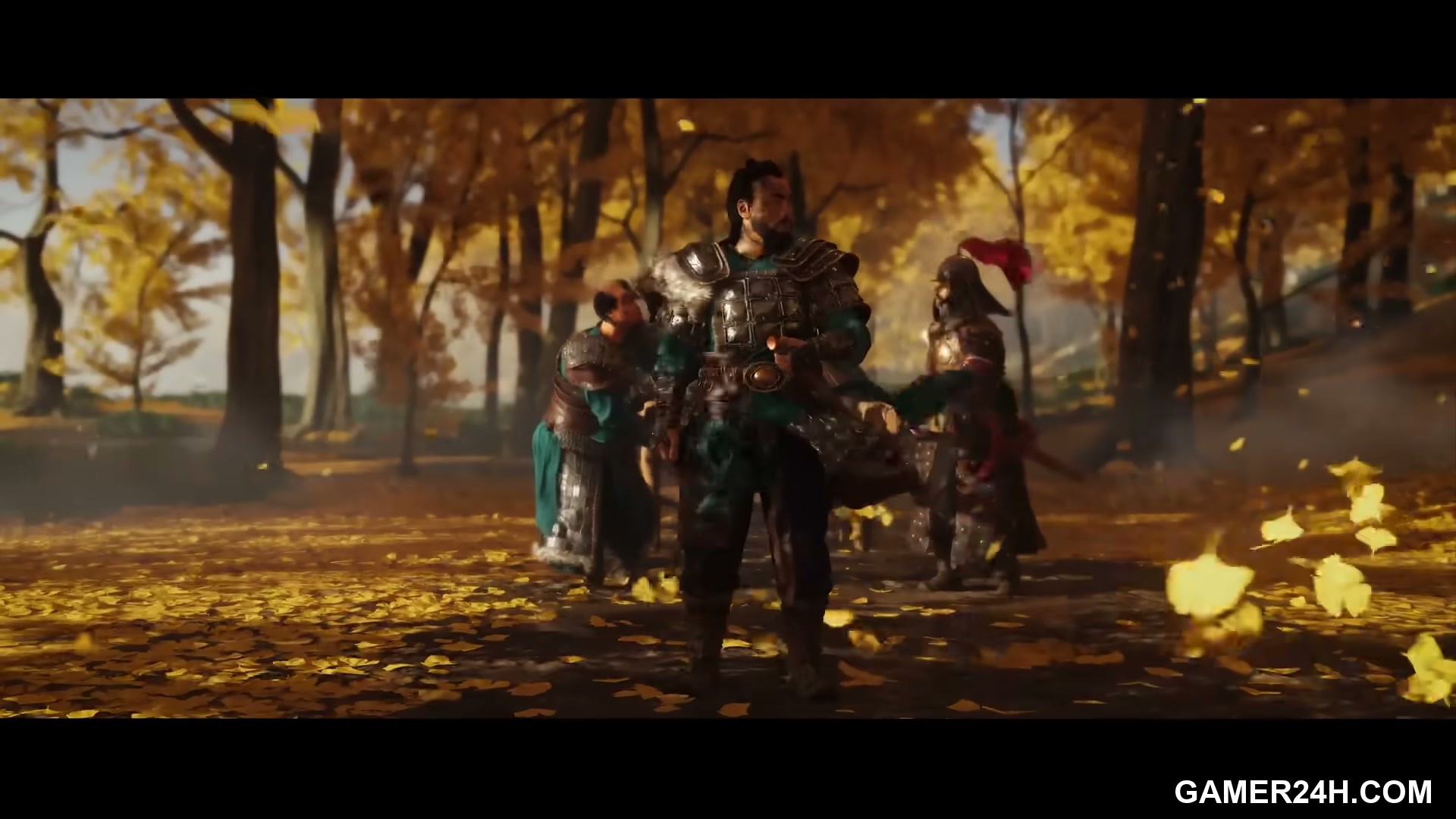
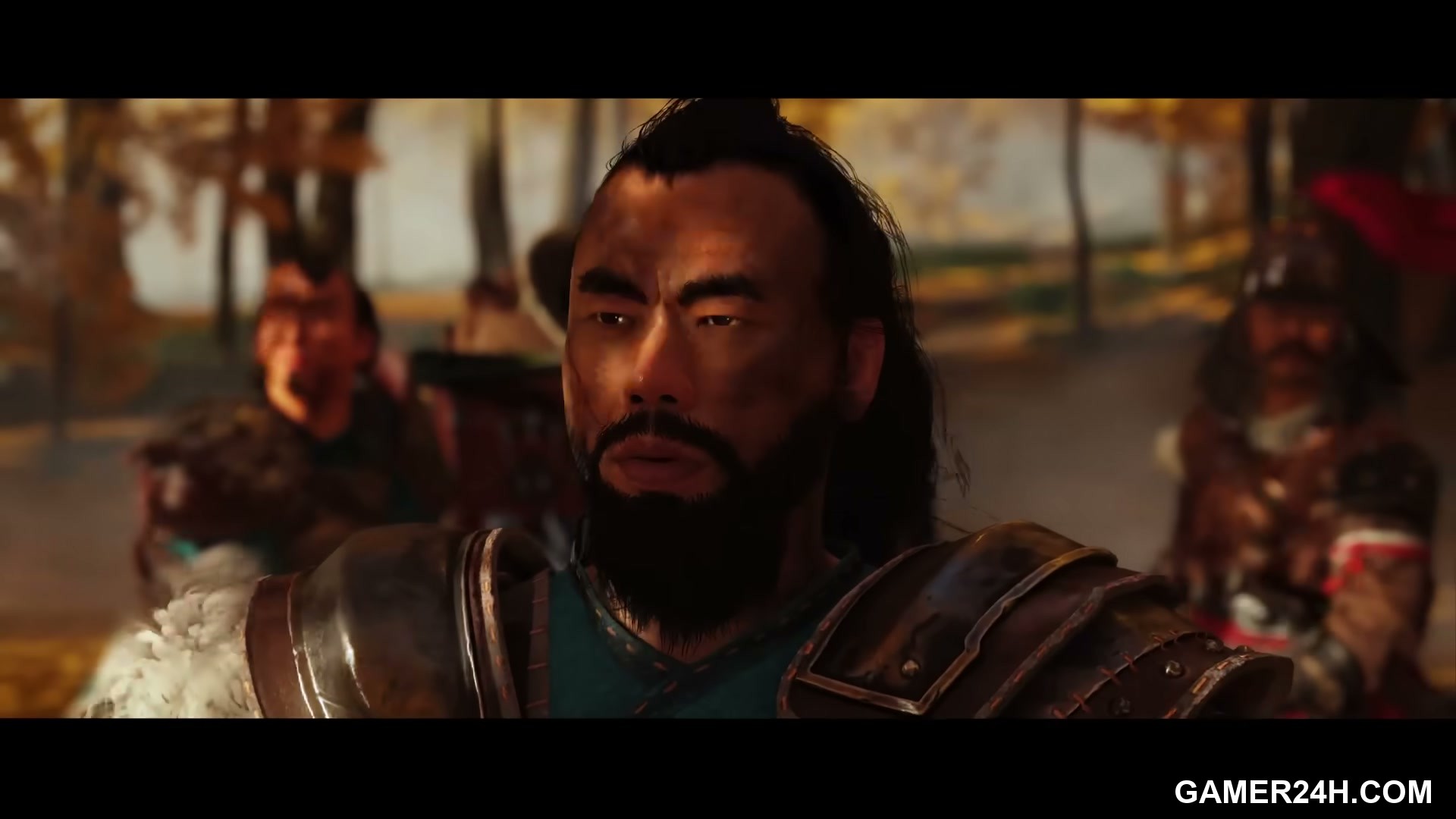
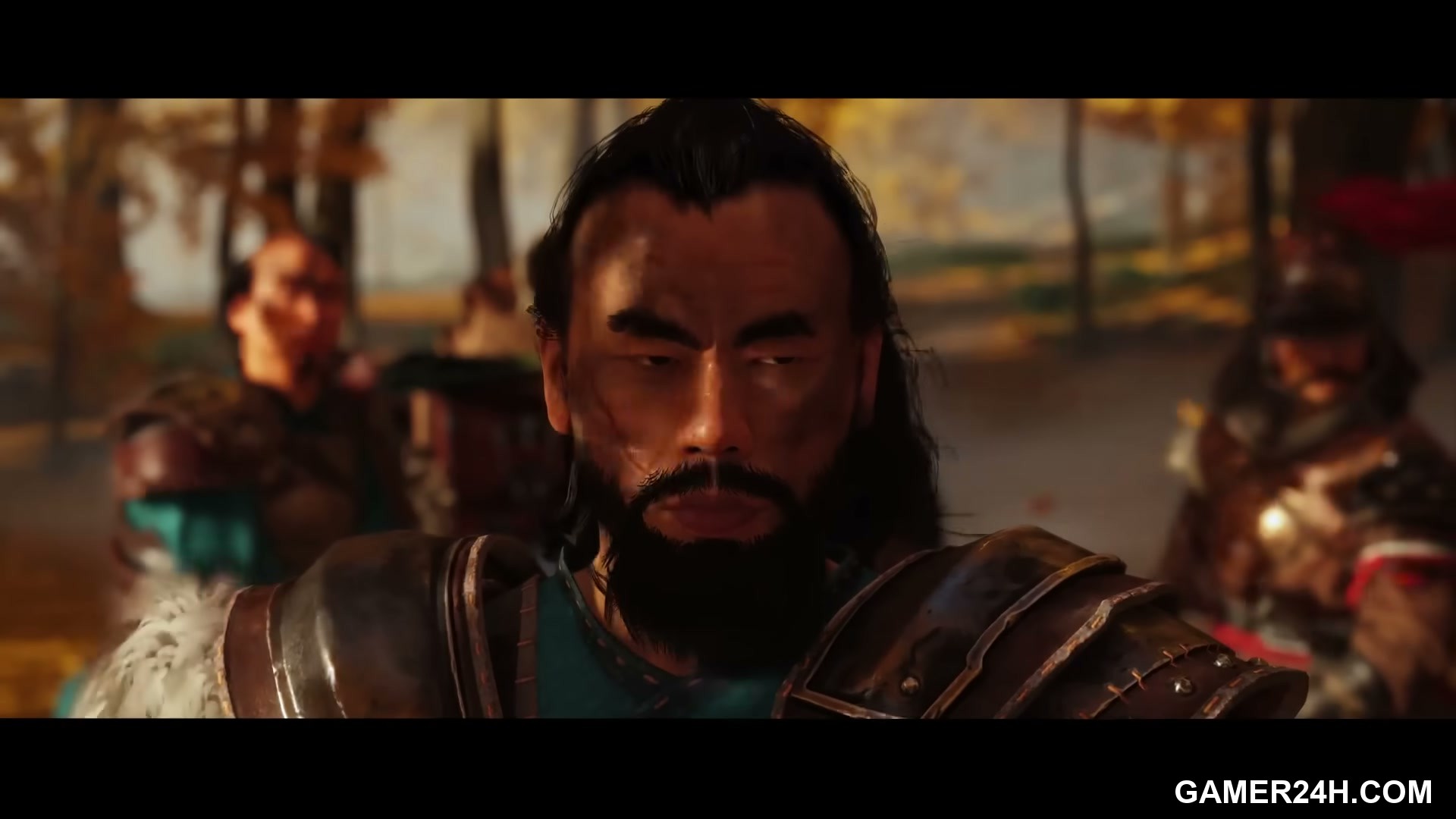
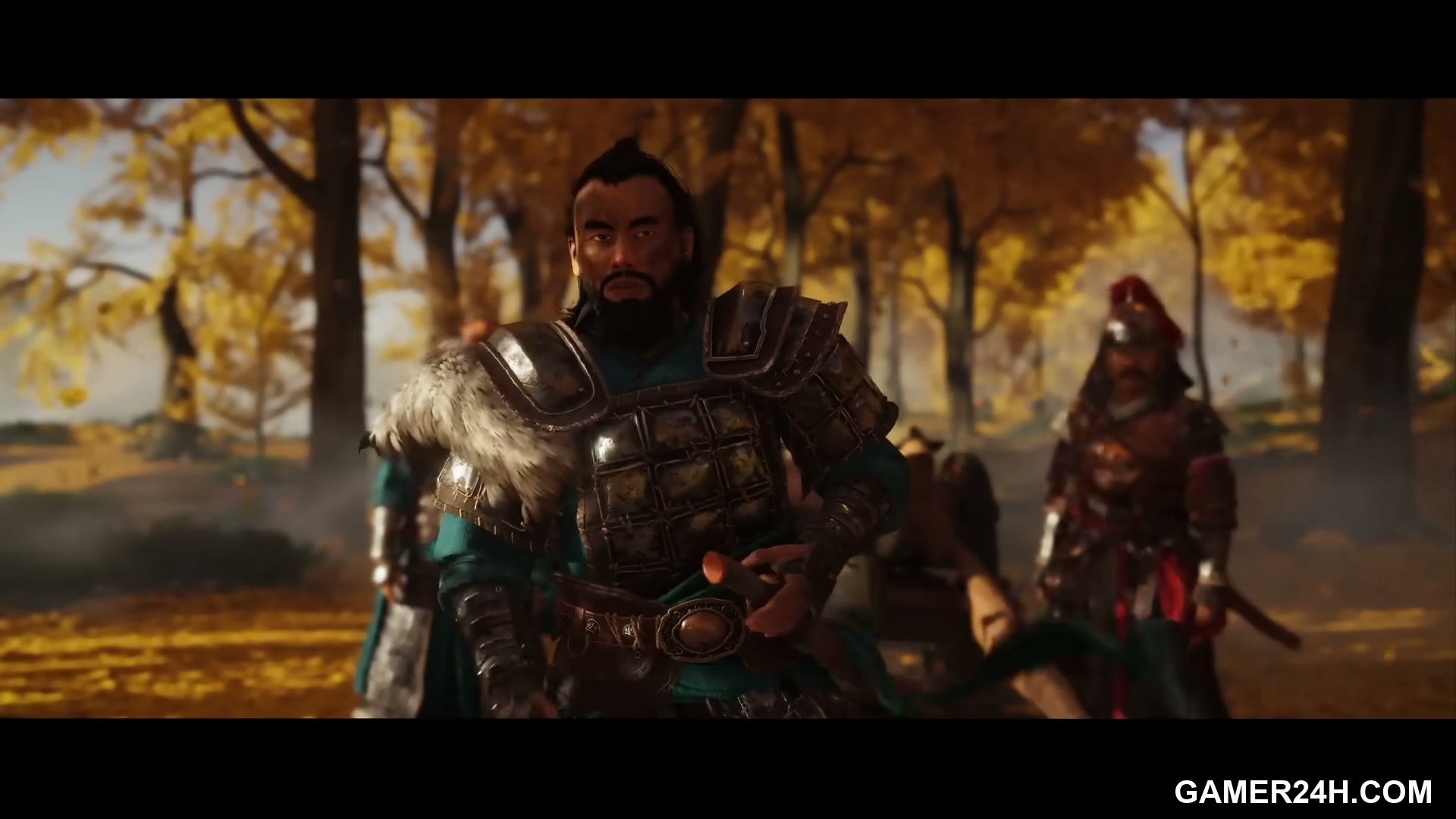
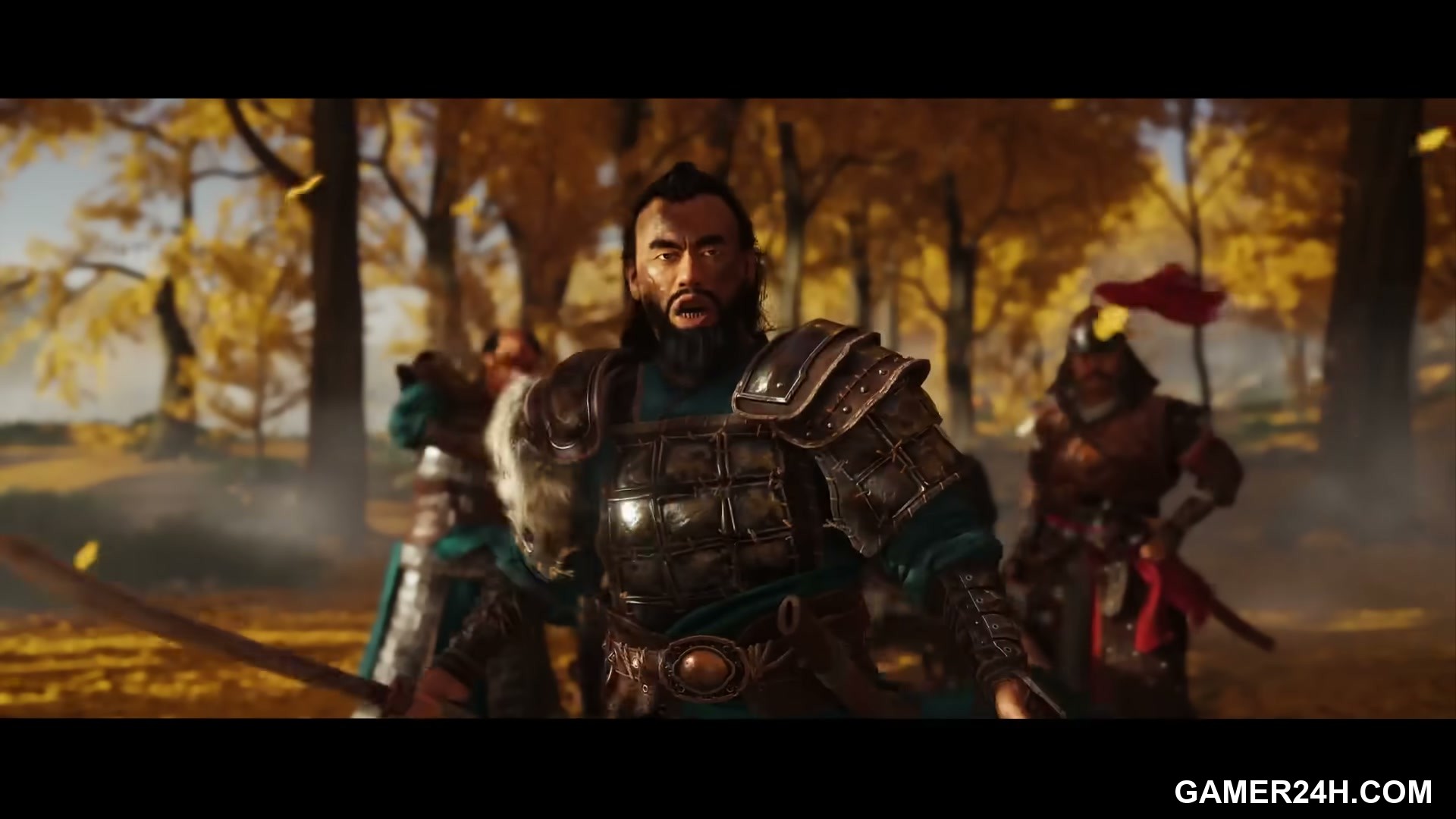
Selecting actors who can authentically portray the game’s characters is crucial for bringing Ghost of Tsushima: Legends to life on screen. The cast must convey both physical prowess and emotional depth, capturing the essence of their respective roles while also resonating with fans familiar with the source material.
The primary challenge lies in finding actors who not only embody the physicality required for combat scenes but also possess the acting skills necessary to deliver nuanced performances during quieter moments. For example, Jin Sakai’s journey from a traditional samurai to a more unconventional warrior requires an actor capable of showing both his martial prowess and internal conflict.
Similarly, casting decisions must be made thoughtfully to ensure cultural sensitivity and authenticity, particularly in representing historical figures accurately without perpetuating harmful stereotypes or inaccuracies. Collaboration with cultural consultants could prove invaluable here, ensuring that the adaptation remains true to its roots while appealing to a broader audience.
Soundtrack & Audio Design: The Sound of the Universe
The soundtrack and audio design of Ghost of Tsushima: Legends are integral to setting the tone for each scene. Composer Shigeru Umebayashi’s work in the original game masterfully blends traditional Japanese instruments with contemporary electronic elements, creating a soundscape that is both hauntingly beautiful and evocative of conflict.
In adapting this audio landscape to film or television, it will be essential to collaborate closely with Umebayashi—or another equally visionary composer—to extend his work in ways that complement the visual medium. This could involve expanding upon existing musical themes, introducing new compositions for key moments, and integrating ambient sounds that enhance the sense of place.
Furthermore, sound design plays a critical role in capturing the game’s atmosphere. The crispness of blades clashing, the echo of footsteps on stone paths, and the wind whispering through trees all contribute to an immersive experience. Replicating these auditory cues convincingly will require meticulous attention to detail during post-production stages.
Production Status & Anticipation
The excitement surrounding a potential adaptation of Ghost of Tsushima: Legends is palpable among fans and industry insiders alike. As development progresses, anticipation builds with each new revelation about casting choices, visual direction, and narrative expansion.
However, the road ahead remains filled with challenges. Balancing creative vision with logistical realities—such as securing funding, finding suitable locations for filming, and coordinating a diverse cast and crew—is essential to bring this ambitious project to fruition. Nonetheless, the potential rewards of translating such an acclaimed game into cinematic form make every step worthwhile.
As production moves forward, it is likely that additional details will emerge regarding casting decisions, behind-the-scenes footage, and exclusive interviews with key creatives involved in shaping this adaptation’s unique vision. Fans can expect a steady stream of updates leading up to the premiere, fueling excitement for what promises to be a visually stunning and emotionally resonant exploration of Tsushima’s rich history and mythos.
Conclusion: The Next Era of Multimedia Adaptations
The transition of Ghost of Tsushima: Legends from console gaming into television or film showcases the evolving landscape of multimedia storytelling. By leveraging cutting-edge technology, artistic vision, and deep respect for cultural heritage, this adaptation has the potential to set a new standard for how games can be transformed into cinematic experiences.
As we look toward the future, it is clear that such adaptations will continue to push boundaries, blending interactive entertainment with traditional narrative forms in innovative ways. The success of Ghost of Tsushima: Legends on screen could pave the way for a new wave of immersive storytelling that bridges gaps between different mediums and expands horizons for both creators and audiences alike.
In conclusion, while the journey from console to cinema is fraught with challenges, it also presents unparalleled opportunities. The adaptation of Ghost of Tsushima: Legends stands poised at this intersection, ready to embark on a new era of multimedia adaptations that honor their roots while forging exciting paths forward.