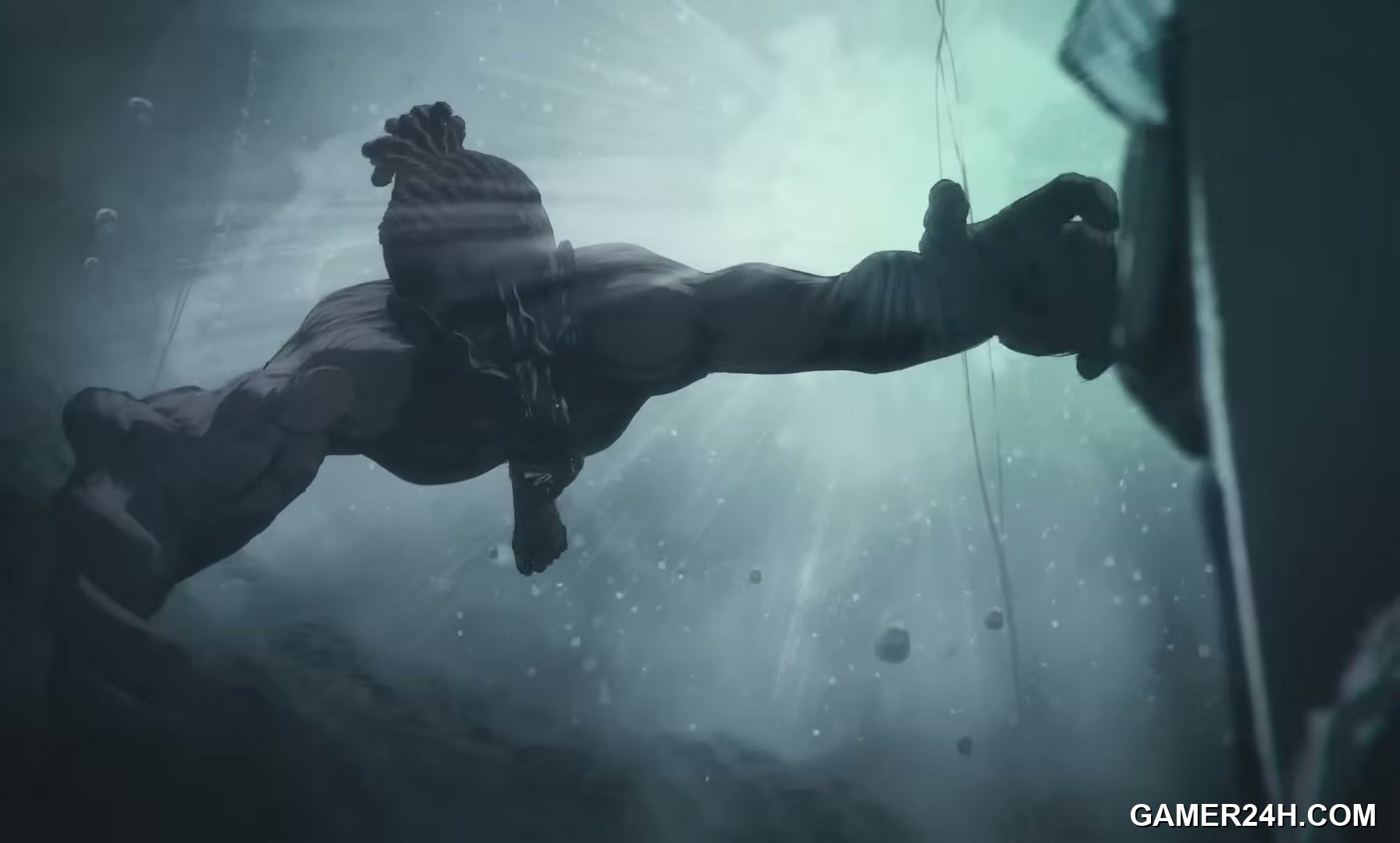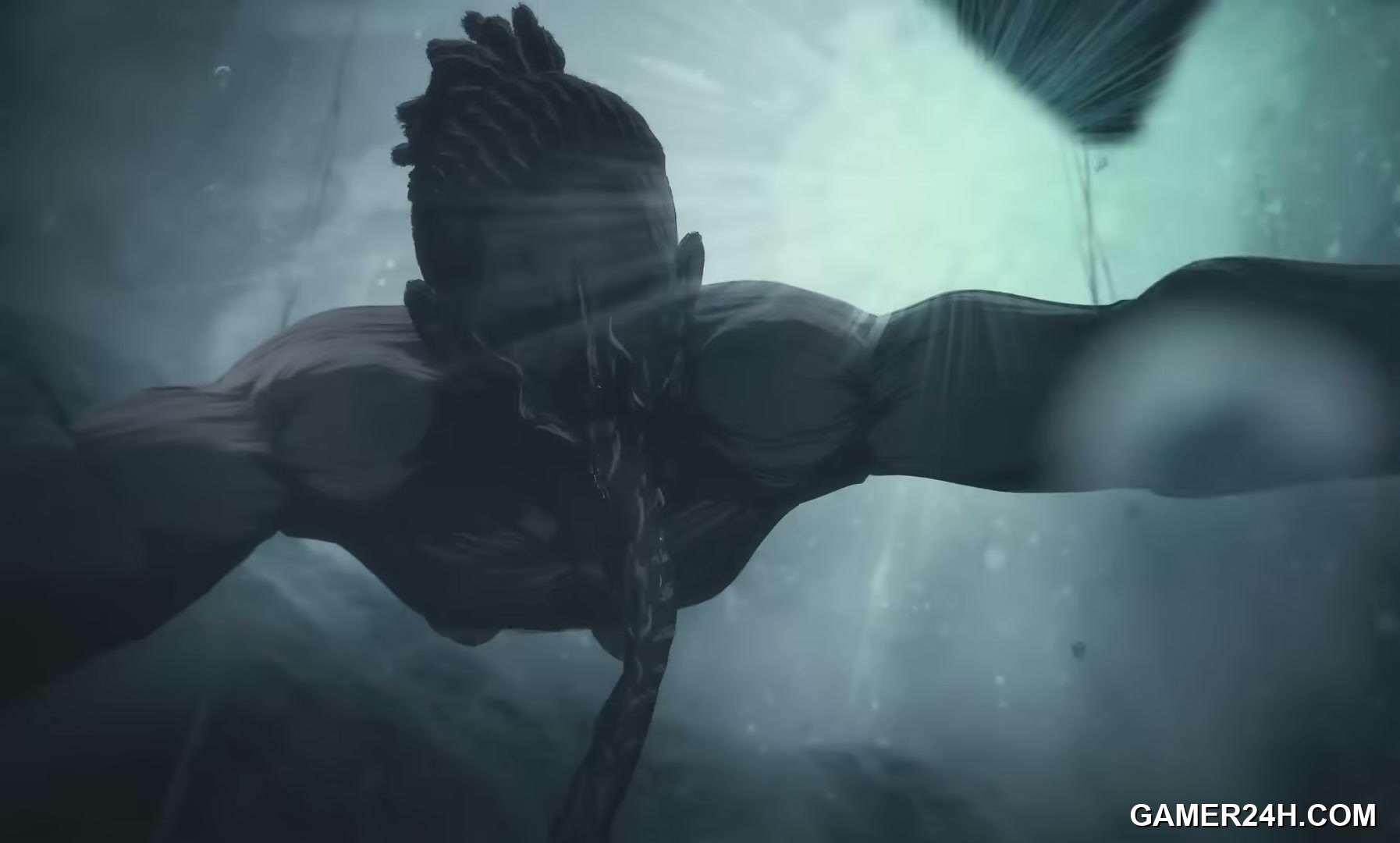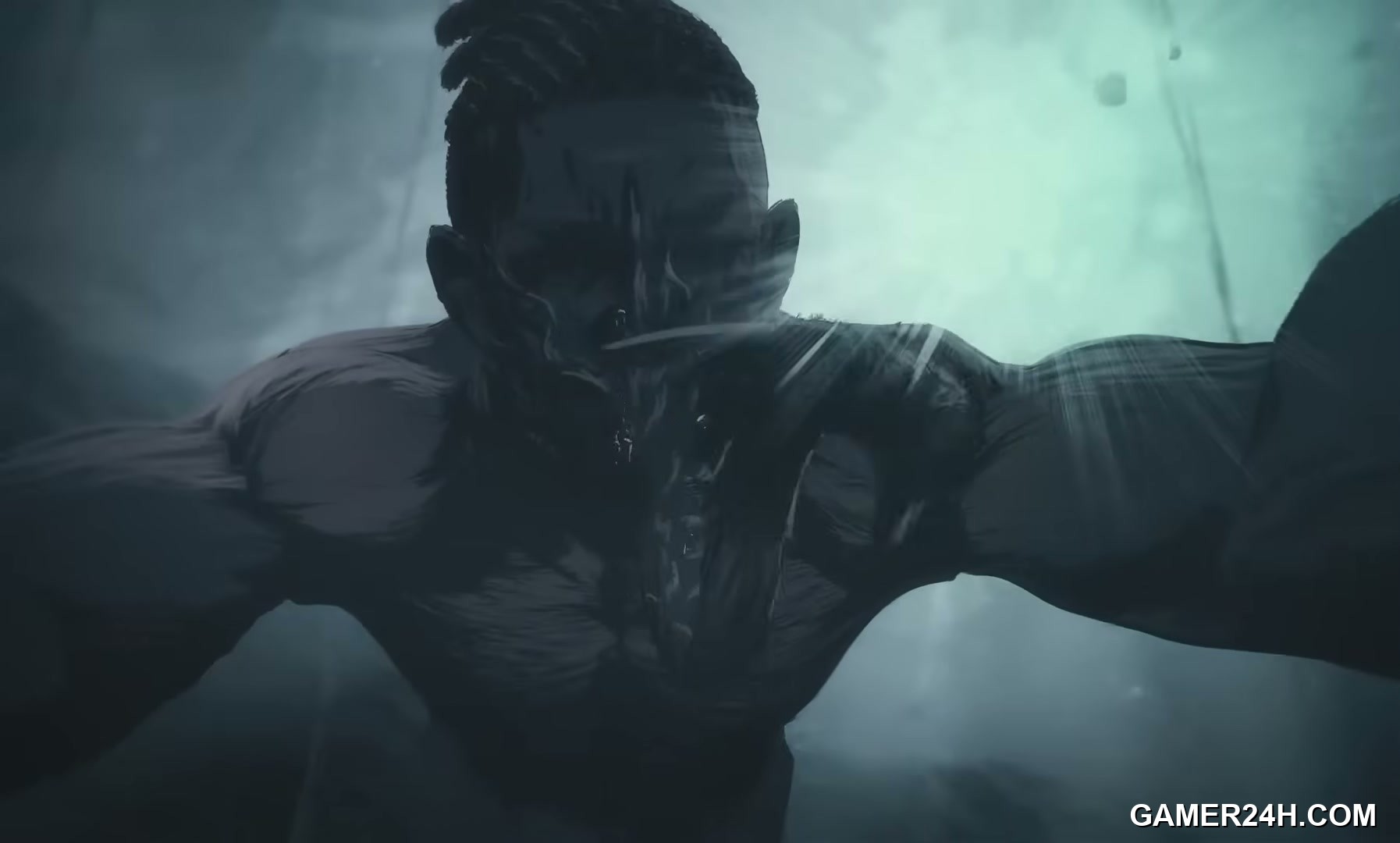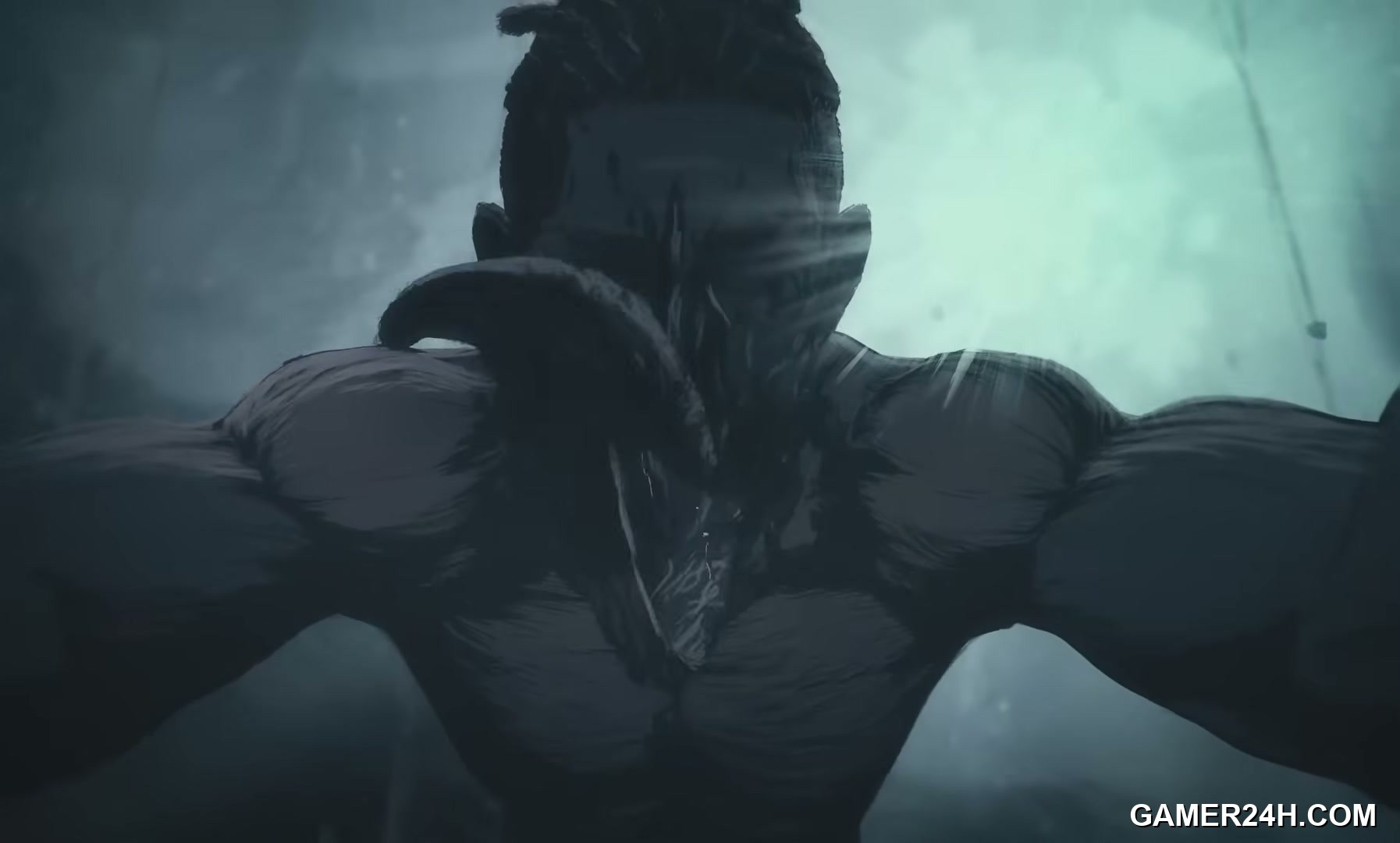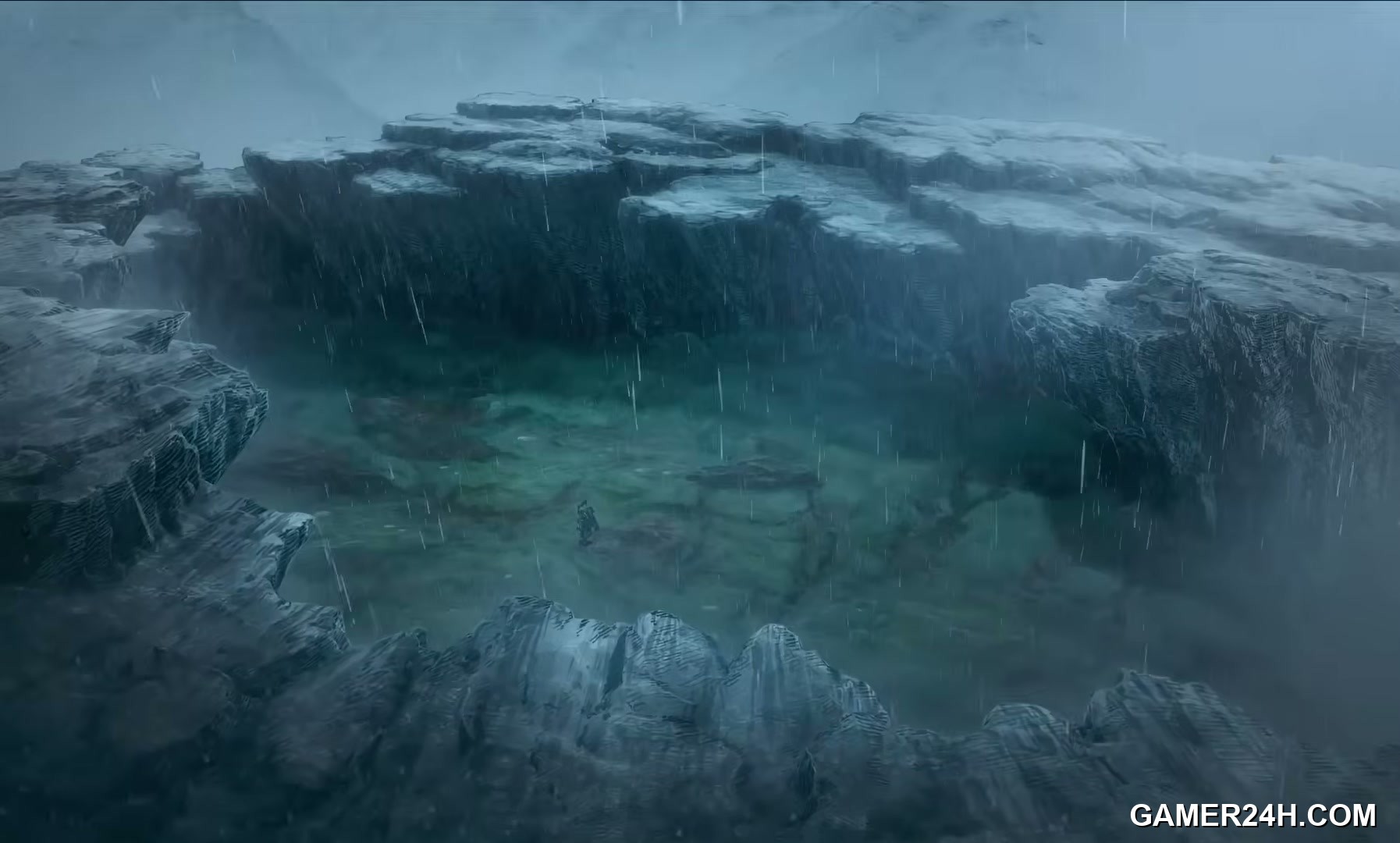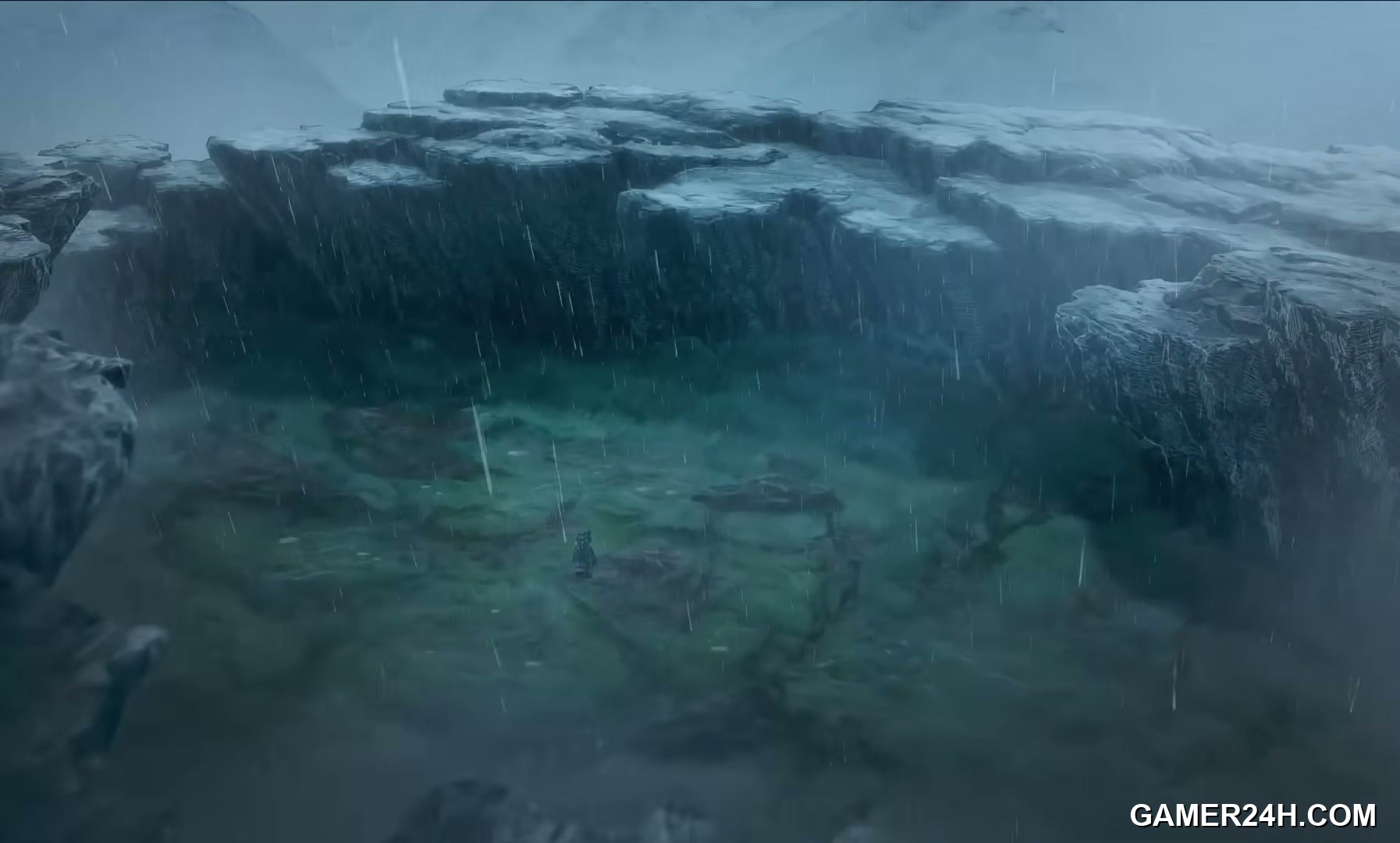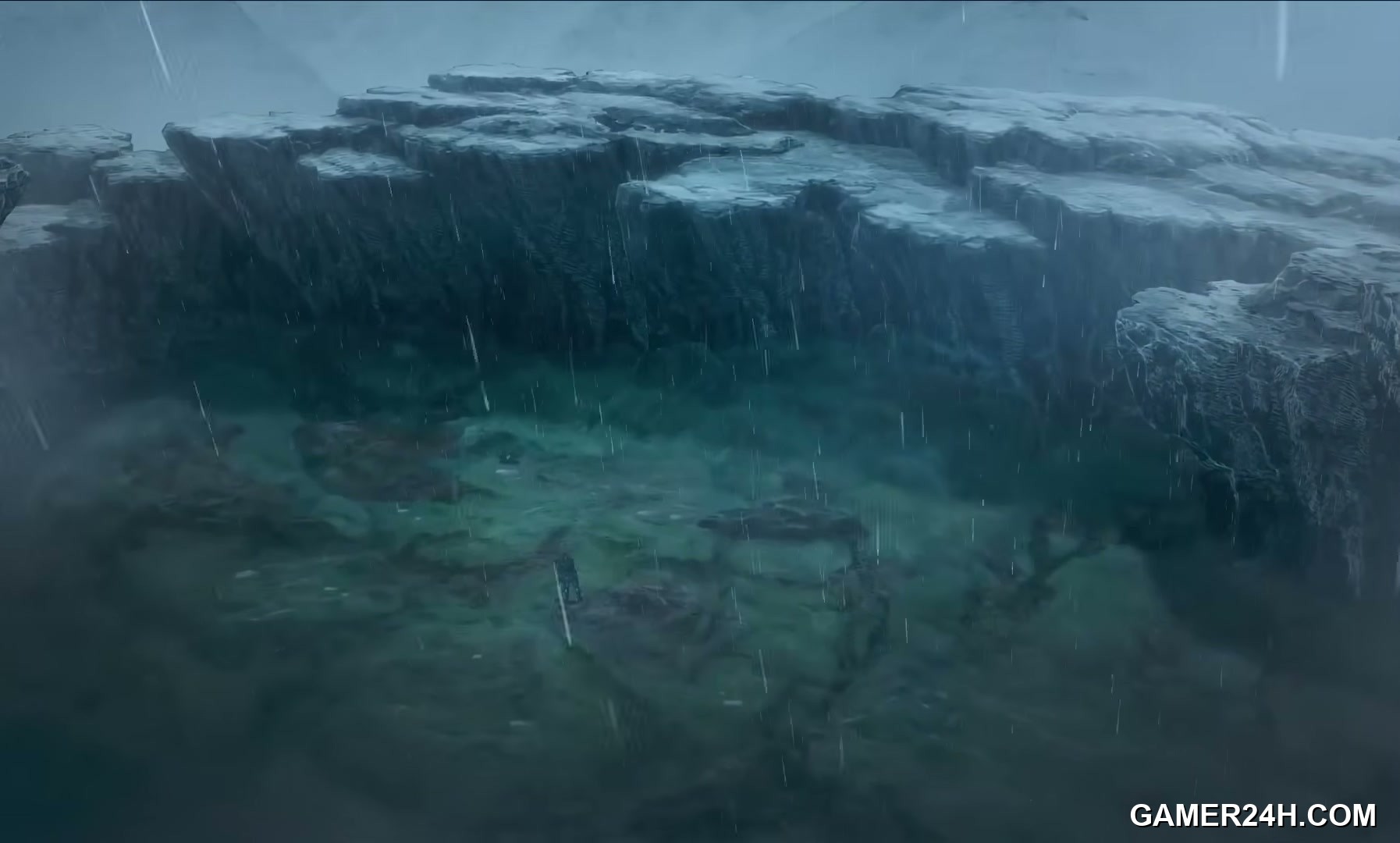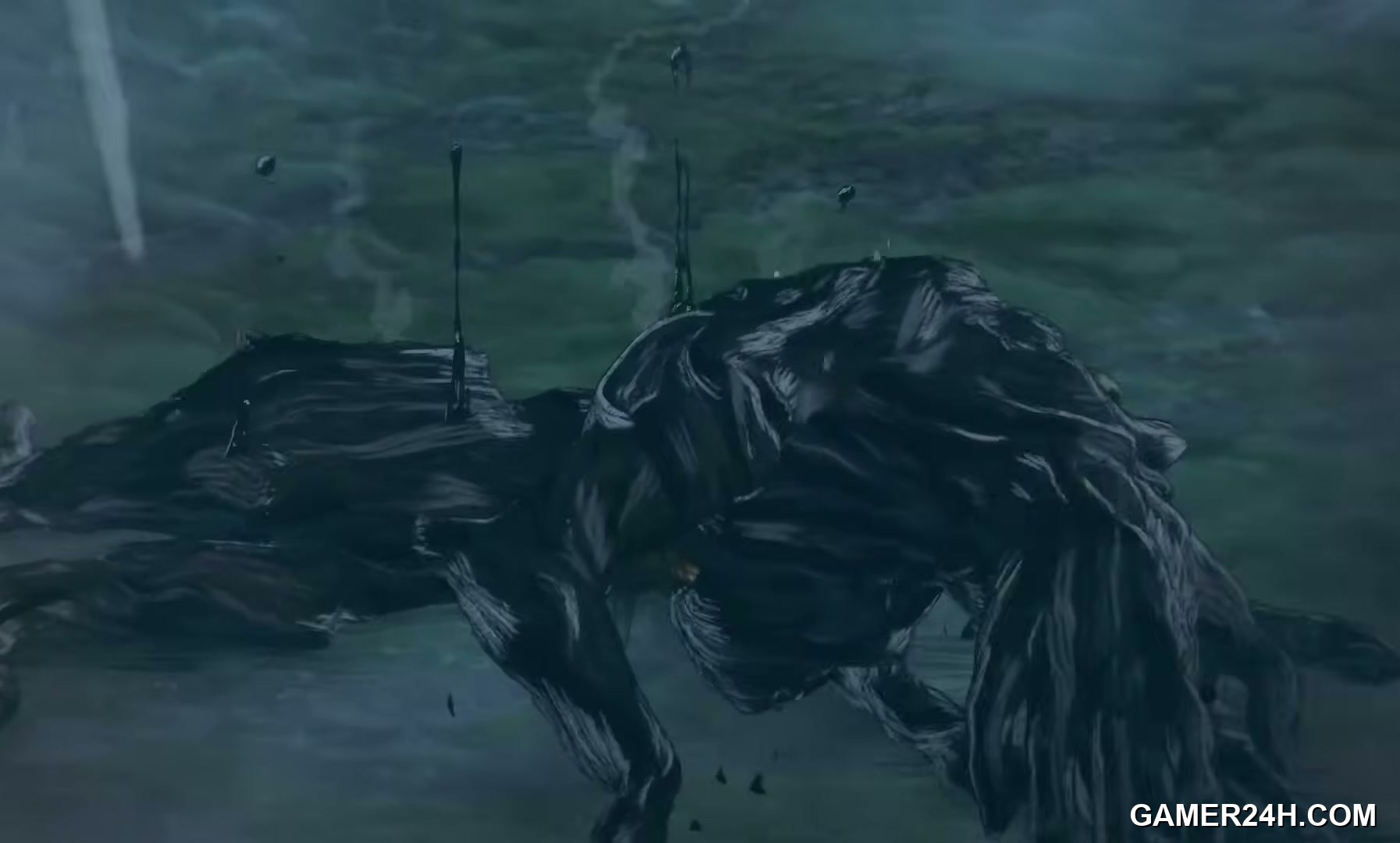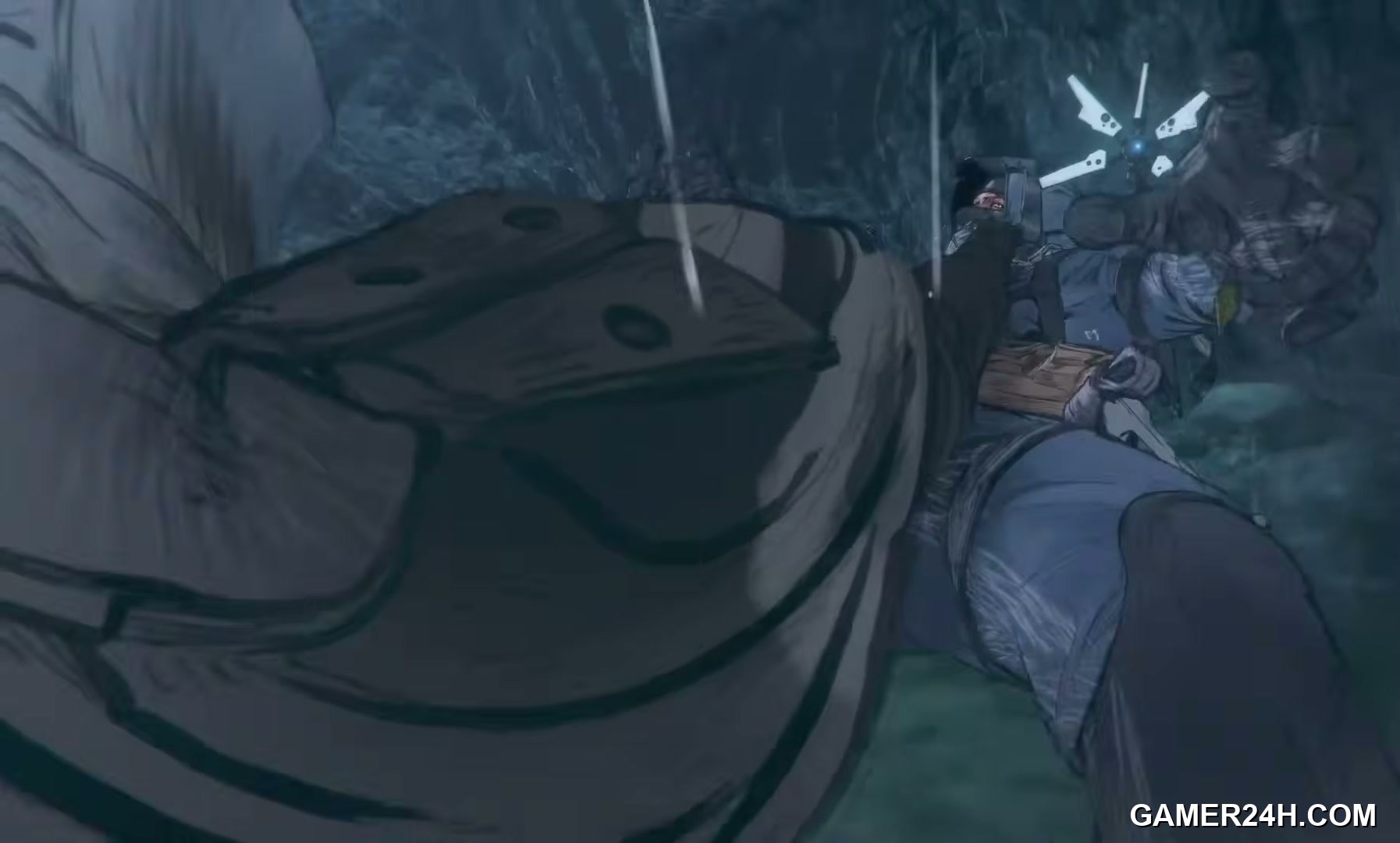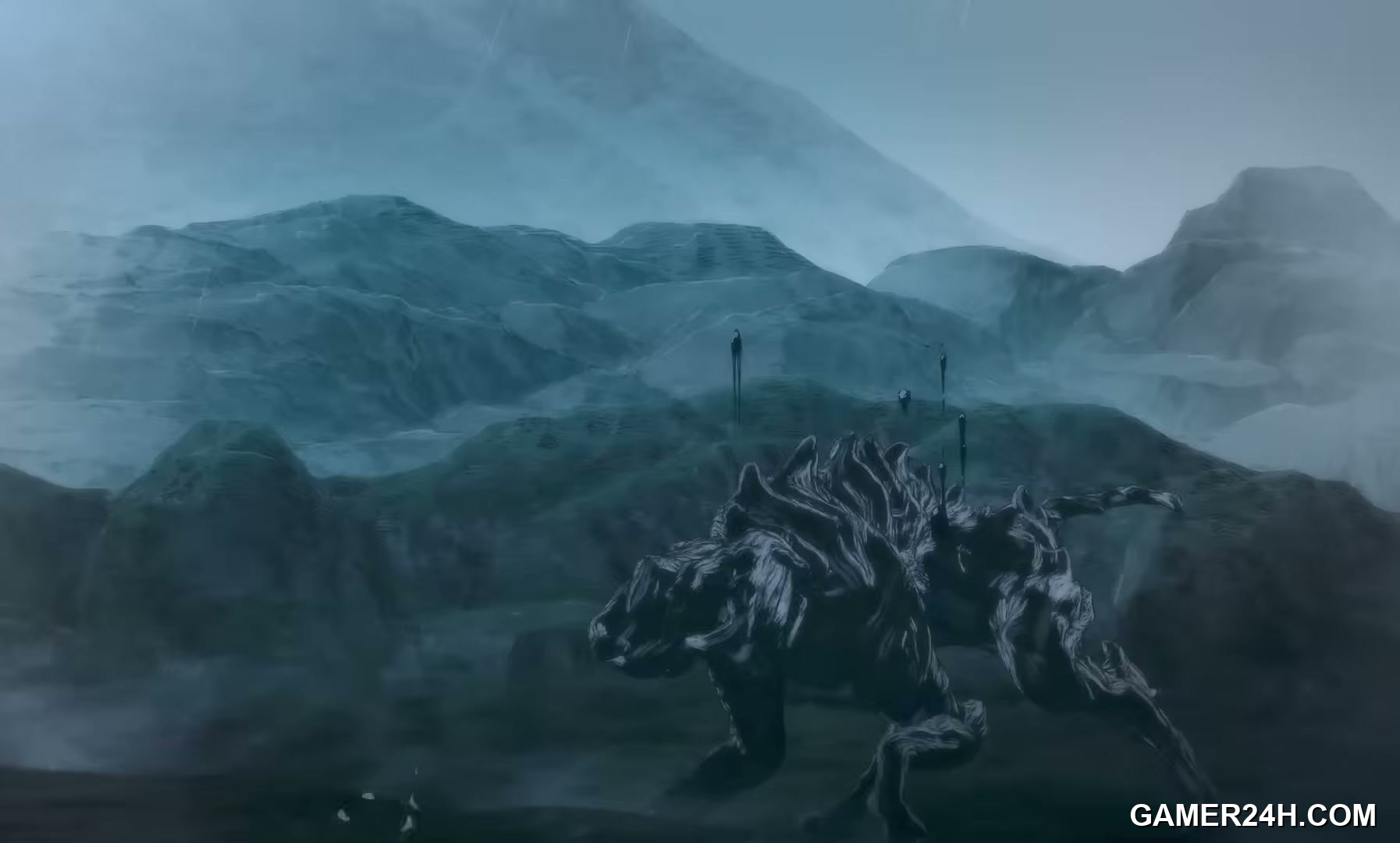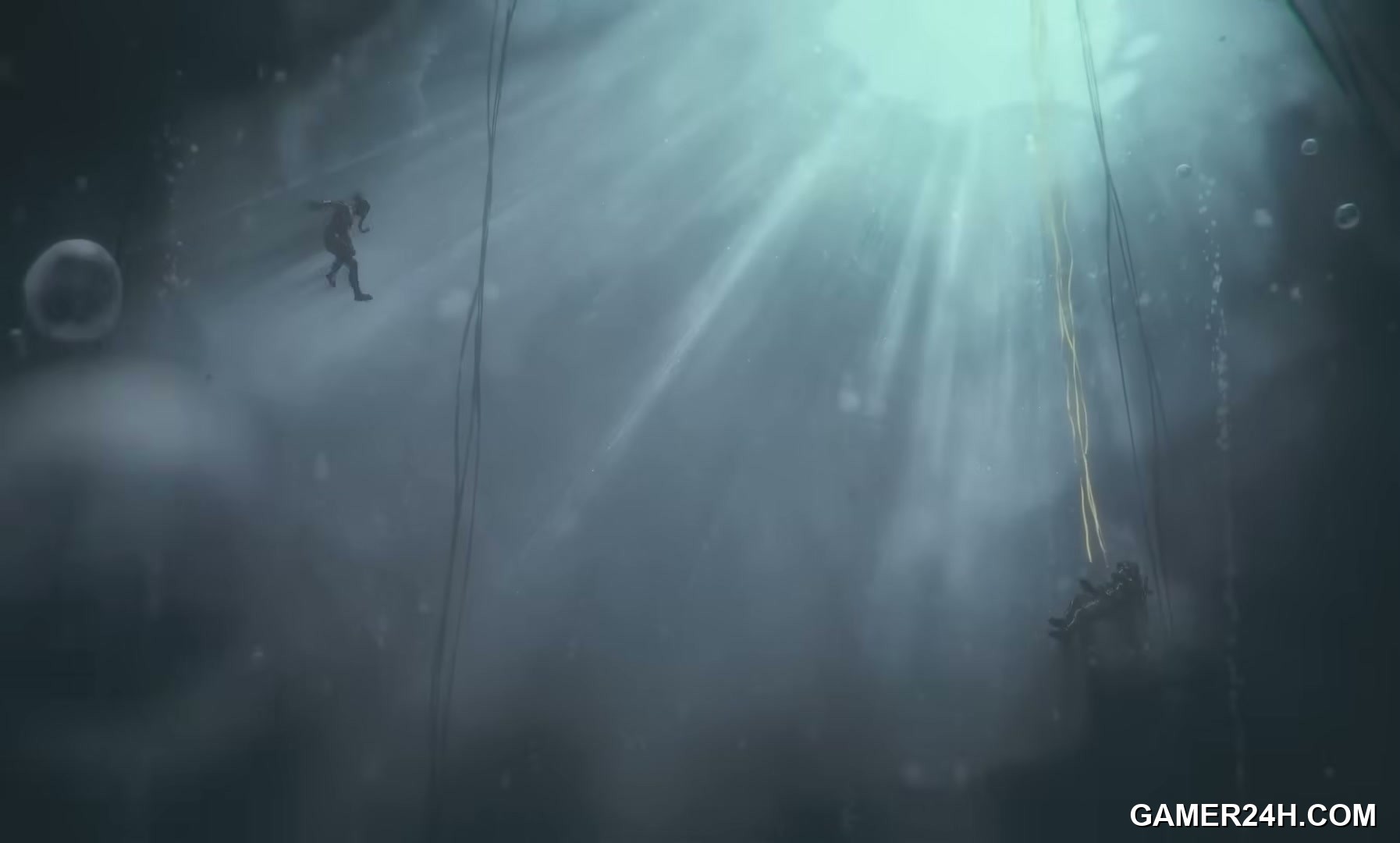
Visual Direction: Translating Game Aesthetics
The transition from console to screen for “Death Stranding Isolation” is not just about moving pixels onto celluloid; it’s a meticulous process of capturing the essence and aesthetic vision that defined Hideo Kojima’s groundbreaking game. The film adaptation aims to transcend the boundaries set by its predecessor, taking cues from the game’s visual narrative style but expanding it into a cinematic language that resonates with both fans and newcomers alike.
The original “Death Stranding,” released in 2019 for PlayStation 4, was celebrated not only for its intricate storyline and gameplay mechanics but also for its unique visual direction. The game featured a blend of photorealistic landscapes, surreal elements, and a distinct color palette that conveyed the emotional and physical journey of its protagonist, Sam Porter Bridges (played by Norman Reedus). To capture this essence on screen, the production team has employed cutting-edge technology to recreate these environments in stunning detail.
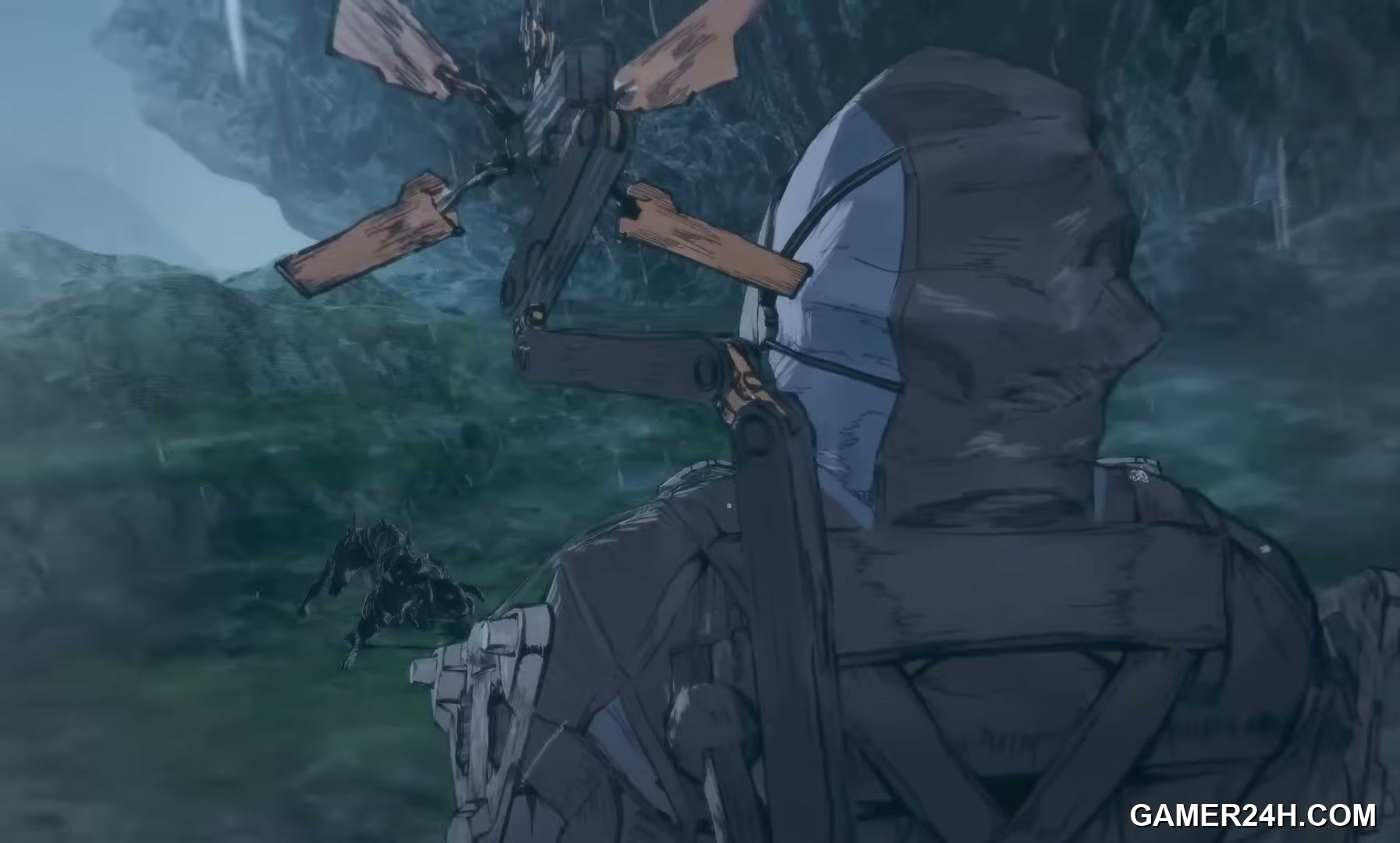
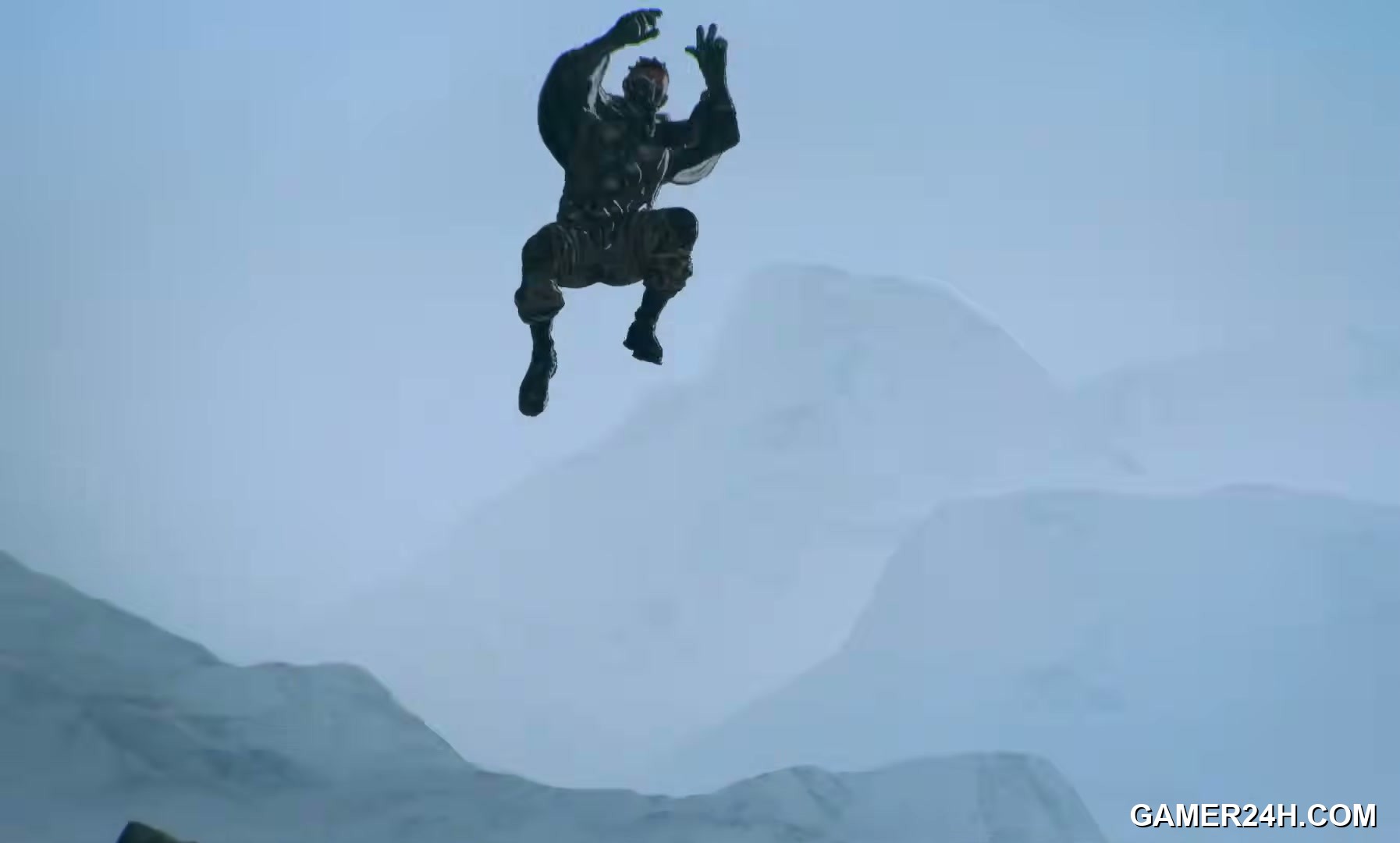
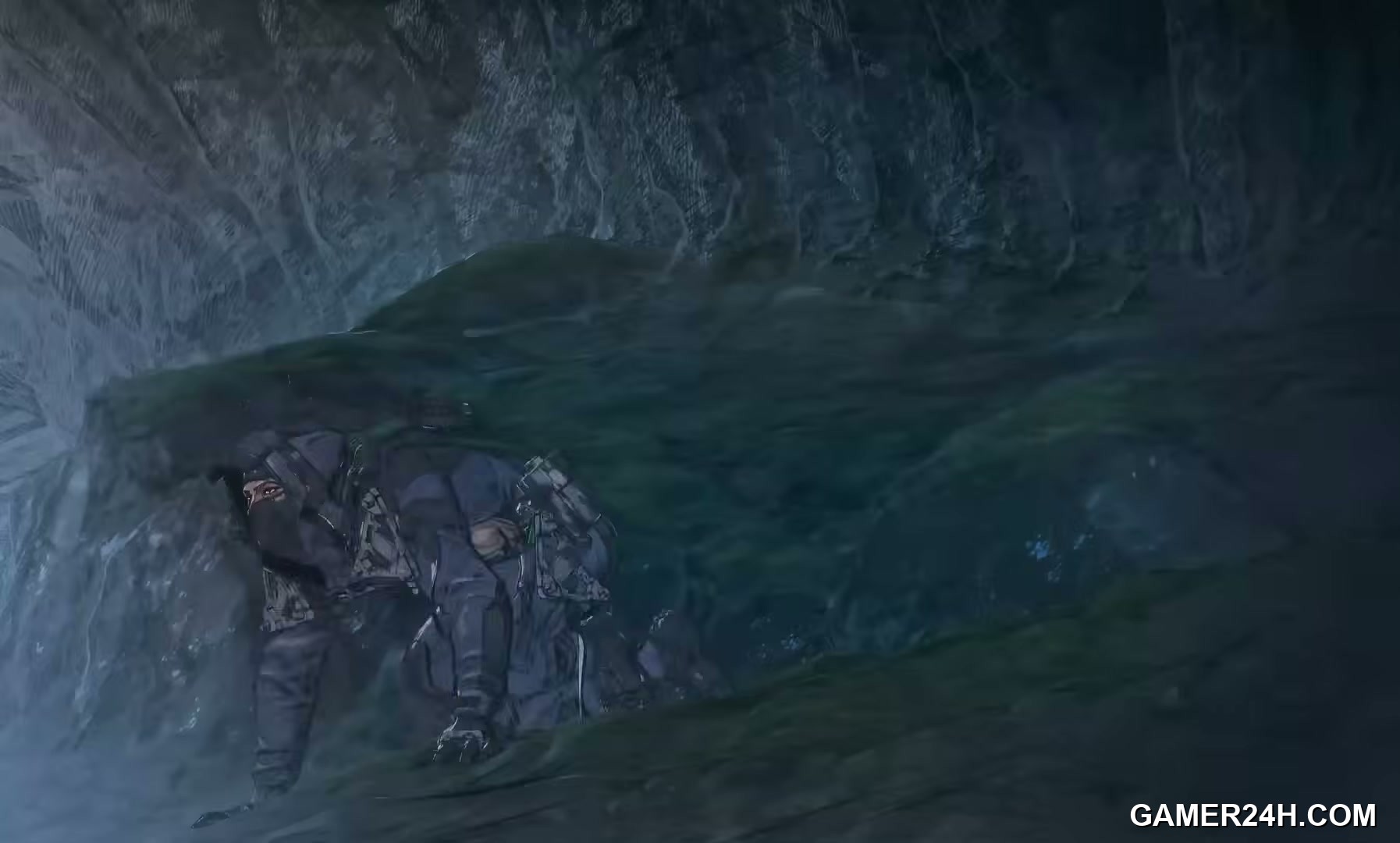
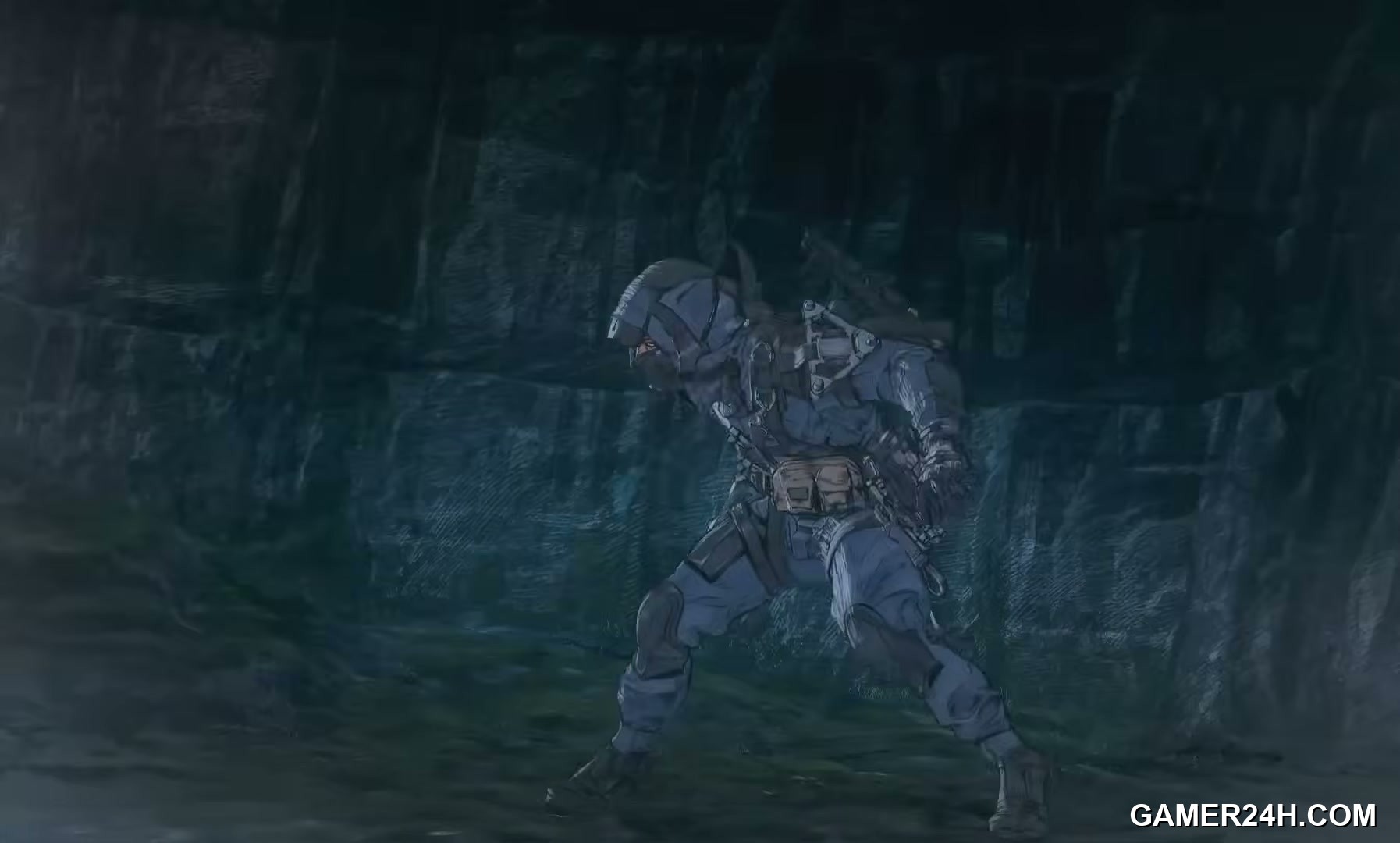
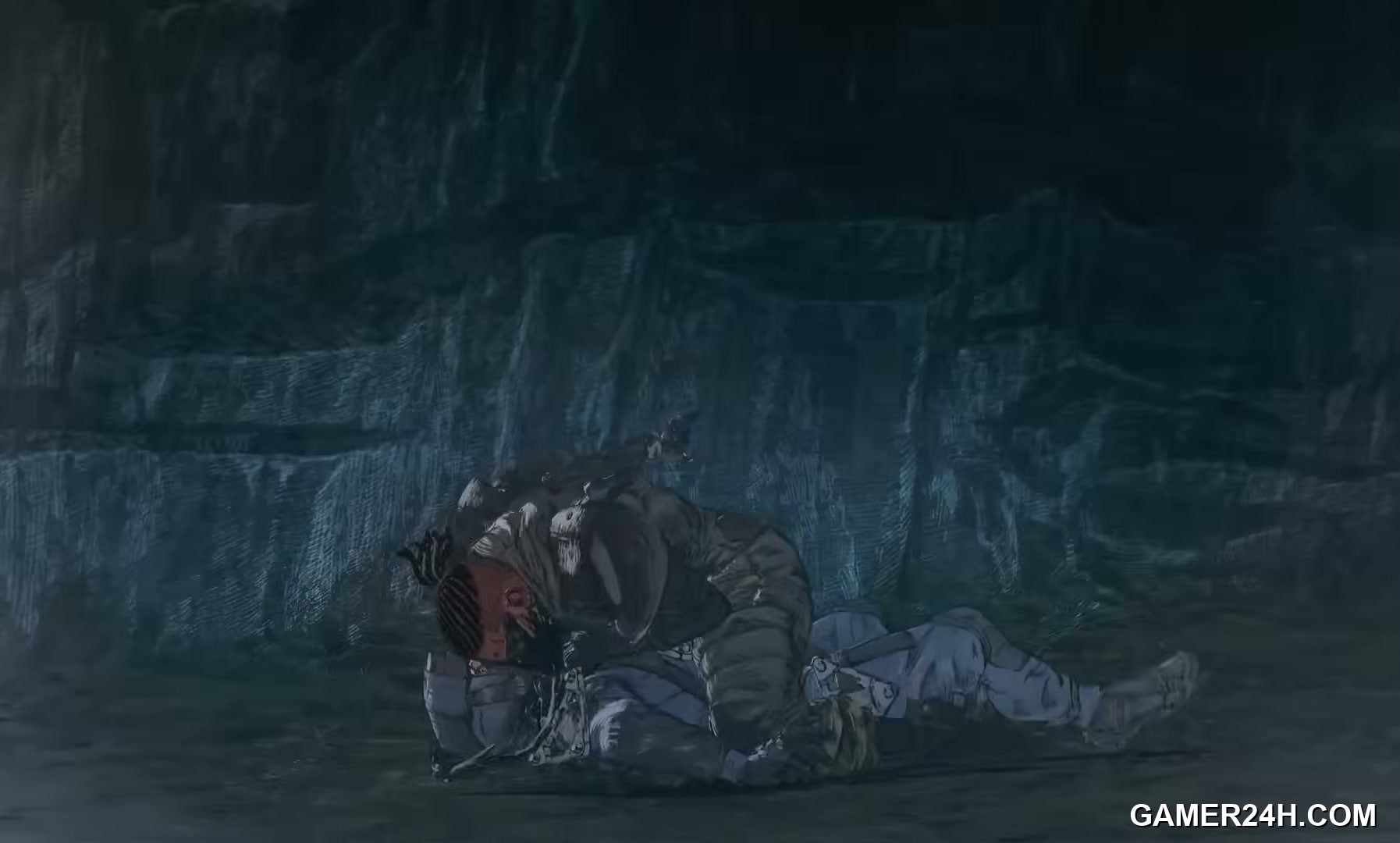
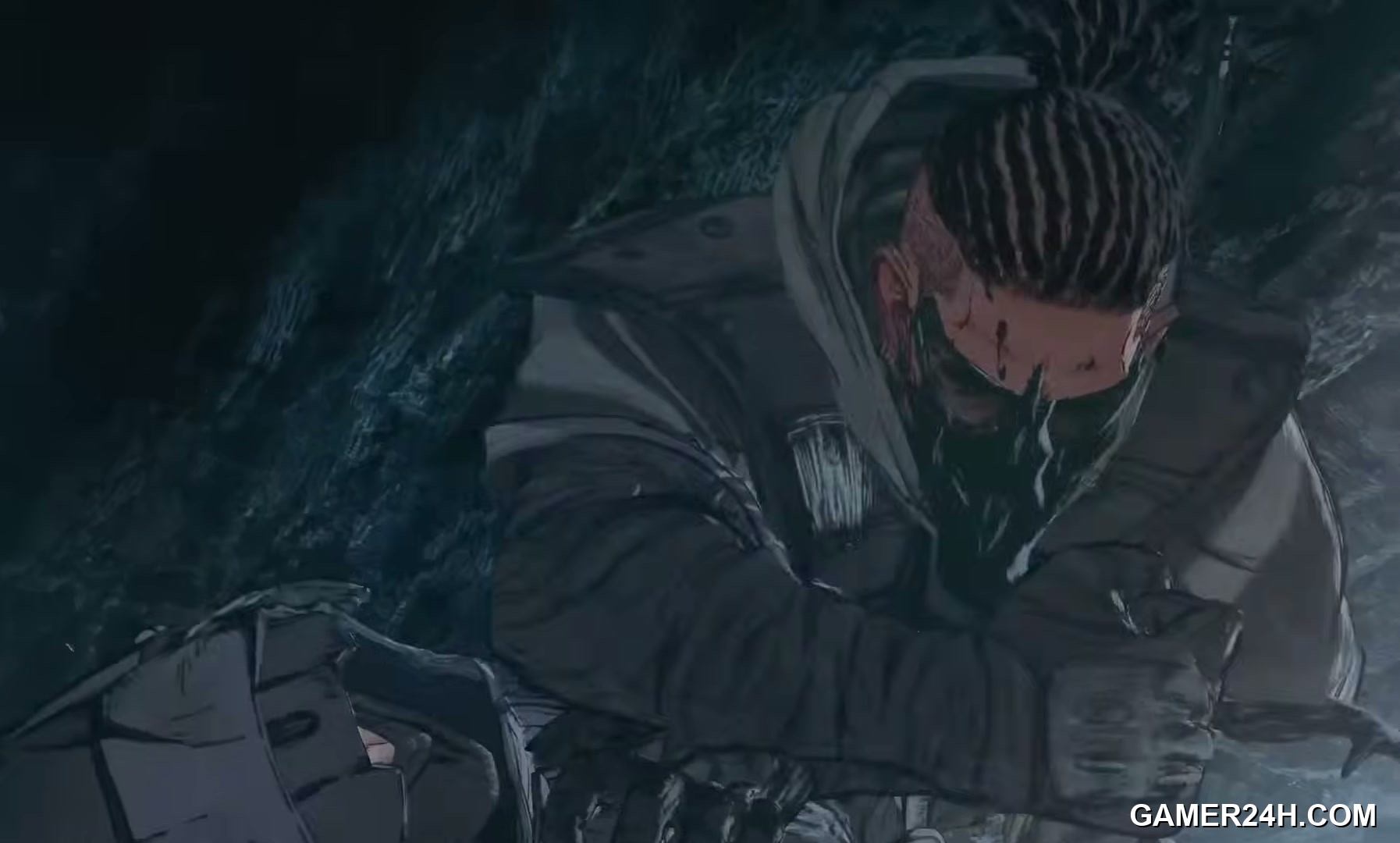
The film’s visual direction will feature advanced cinematography techniques such as hyper-realistic CGI, motion capture, and practical effects. These technologies are crucial for accurately depicting the dystopian yet hopeful world of “Death Stranding.” The director, known for their work with expansive landscapes and emotional storytelling, has emphasized the importance of maintaining a balance between the game’s intricate designs and the fluidity required in filmmaking.
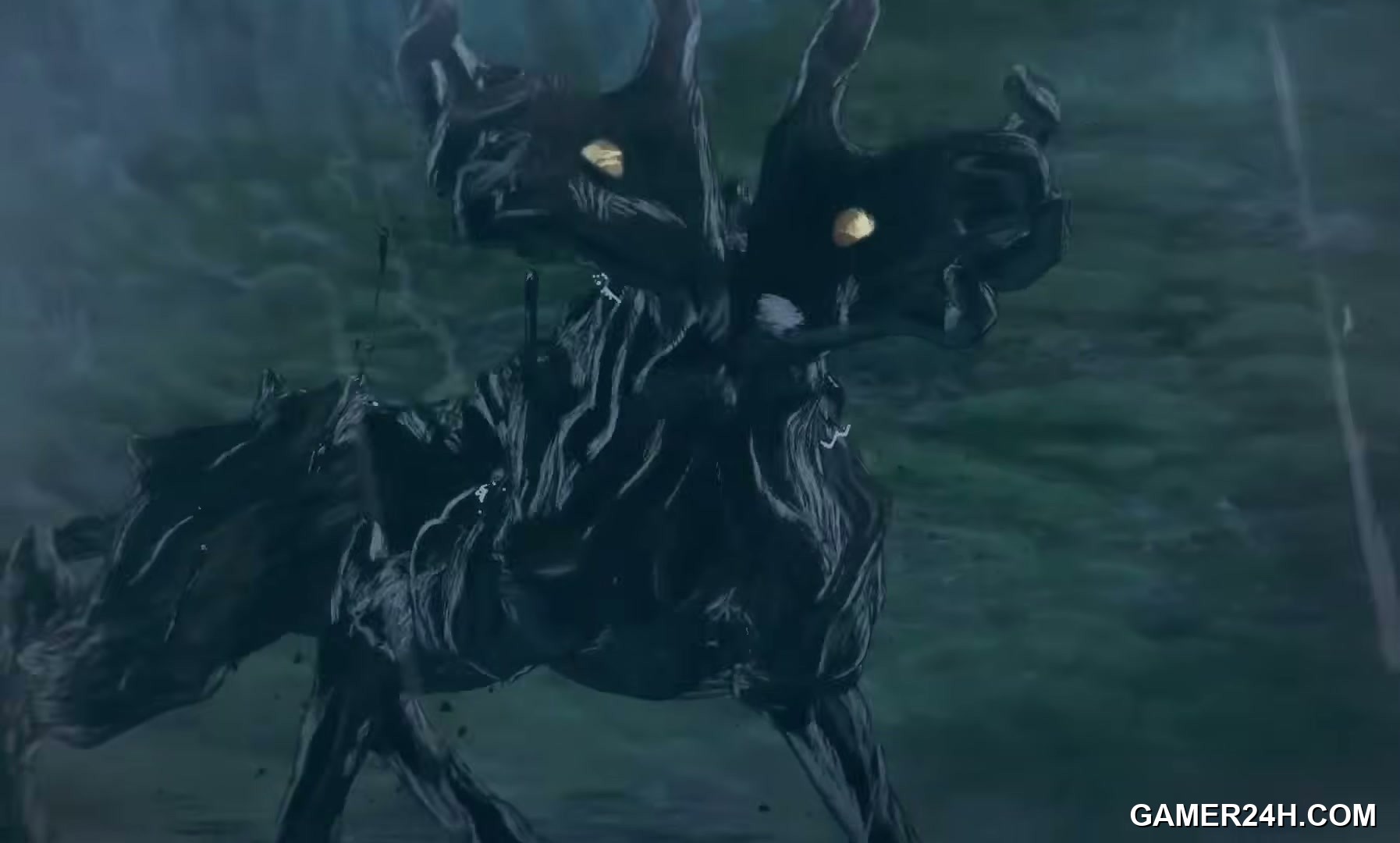
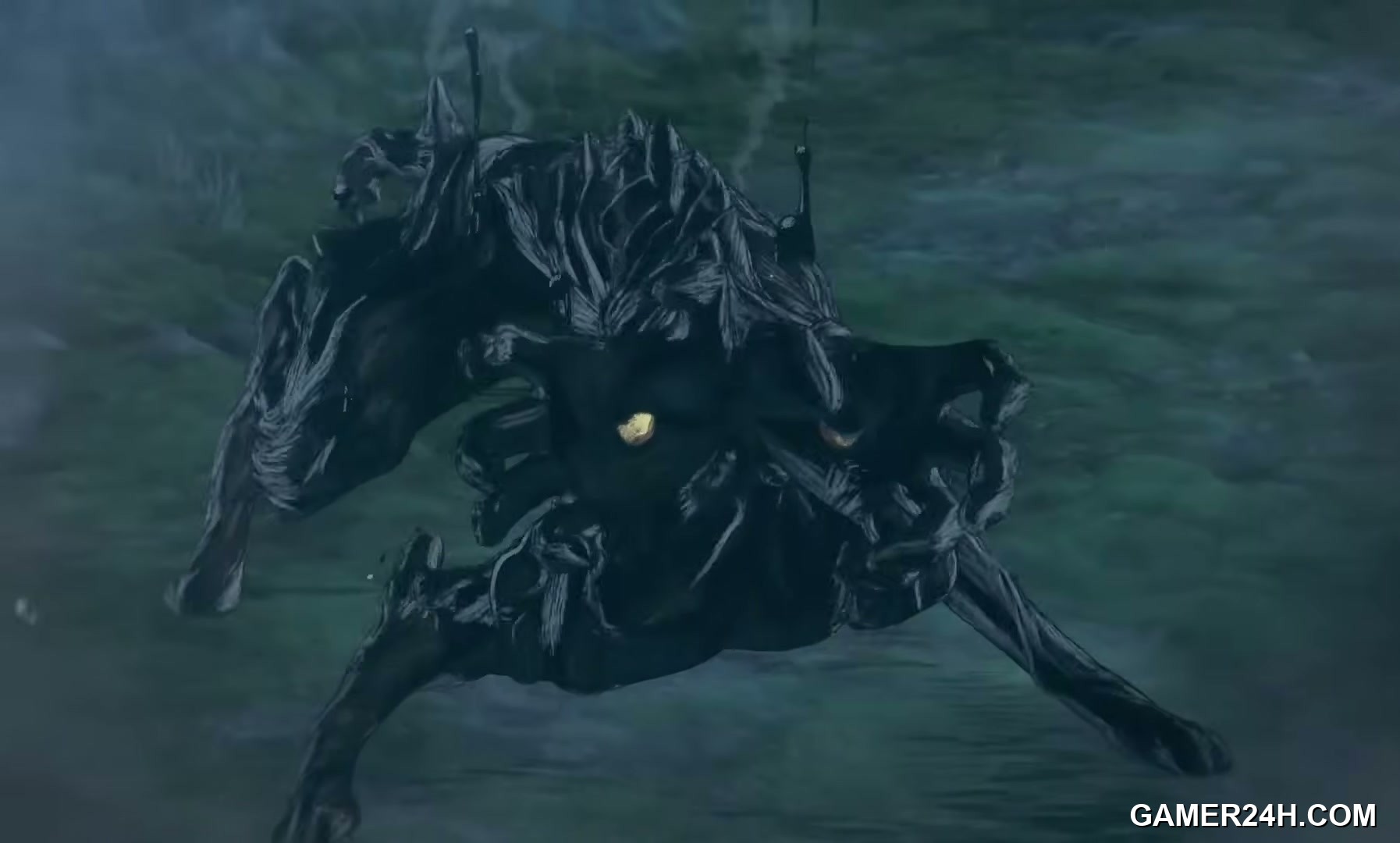
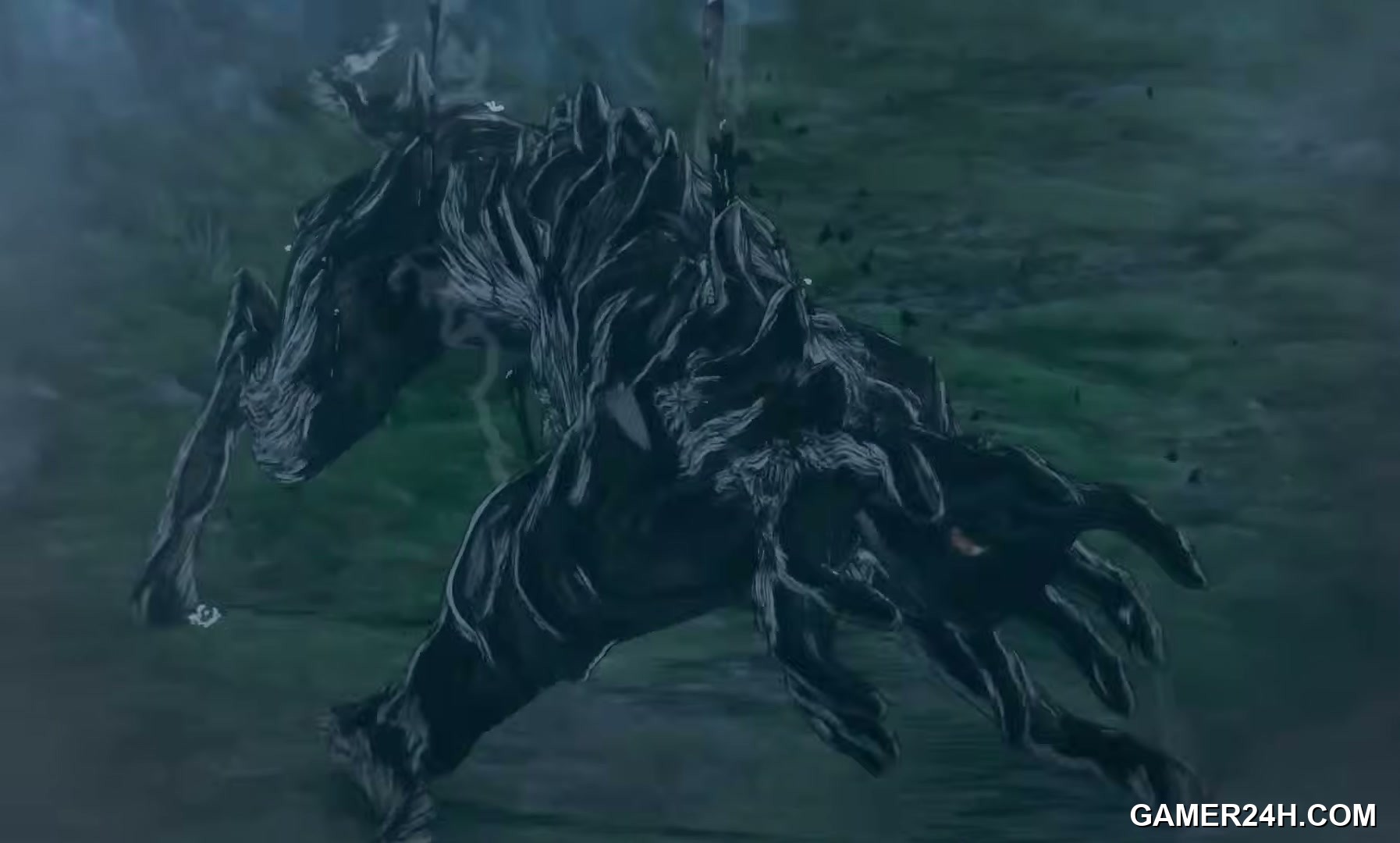
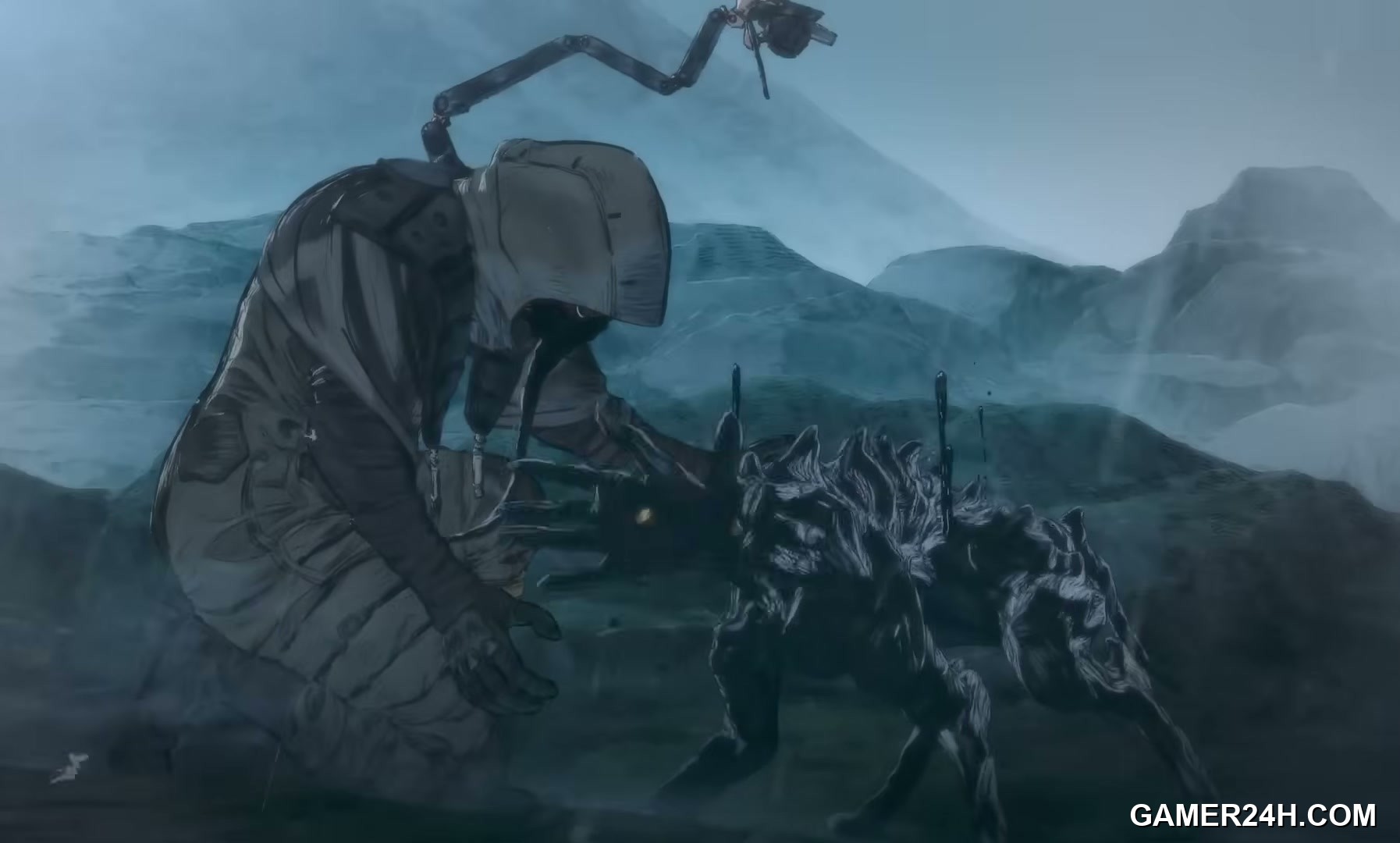
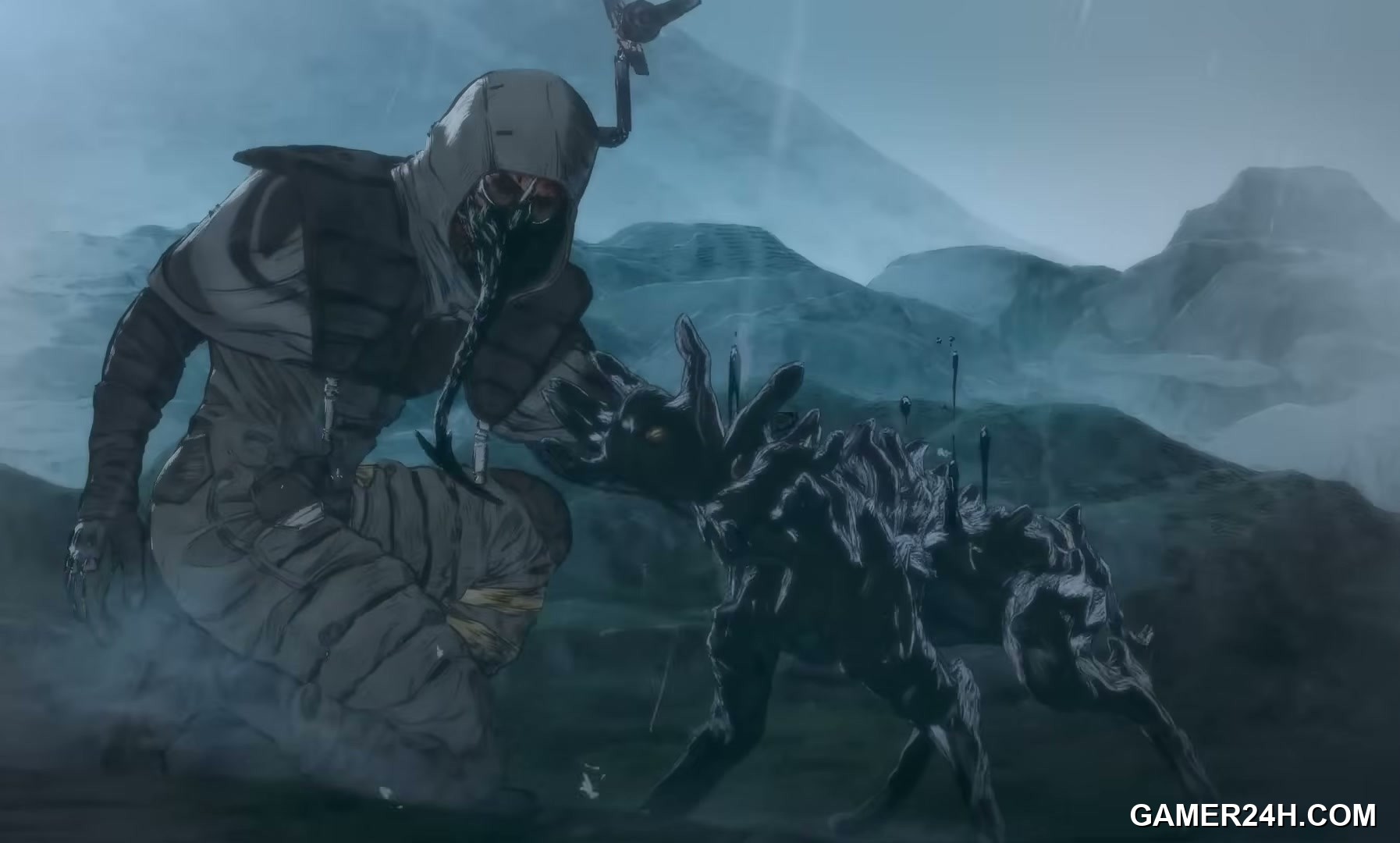
One of the critical aspects of this adaptation is the portrayal of the BTs (Beached Things), spectral entities representing the dead that are integral to the game’s narrative. The challenge lies in translating their ethereal presence from two-dimensional screens into a three-dimensional, fully immersive cinematic experience without losing their haunting yet poignant nature. This requires innovative use of lighting and color grading to evoke the same sense of dread and wonder as experienced by players.
Moreover, the film aims to elevate the visual storytelling of “Death Stranding” by expanding upon its themes through a broader canvas. The narrative’s exploration of connection, isolation, and humanity will be underscored not just through dialogue but also through the film’s aesthetic choices—such as the use of light and shadow, color symbolism, and composition—which are designed to deepen the emotional impact.
In summary, translating “Death Stranding” from console to screen involves a meticulous blend of technical innovation and artistic vision. The adaptation seeks to honor the game’s unique visual style while bringing its immersive world to life in a way that captivates audiences and stands as a testament to the power of visual storytelling across different mediums.
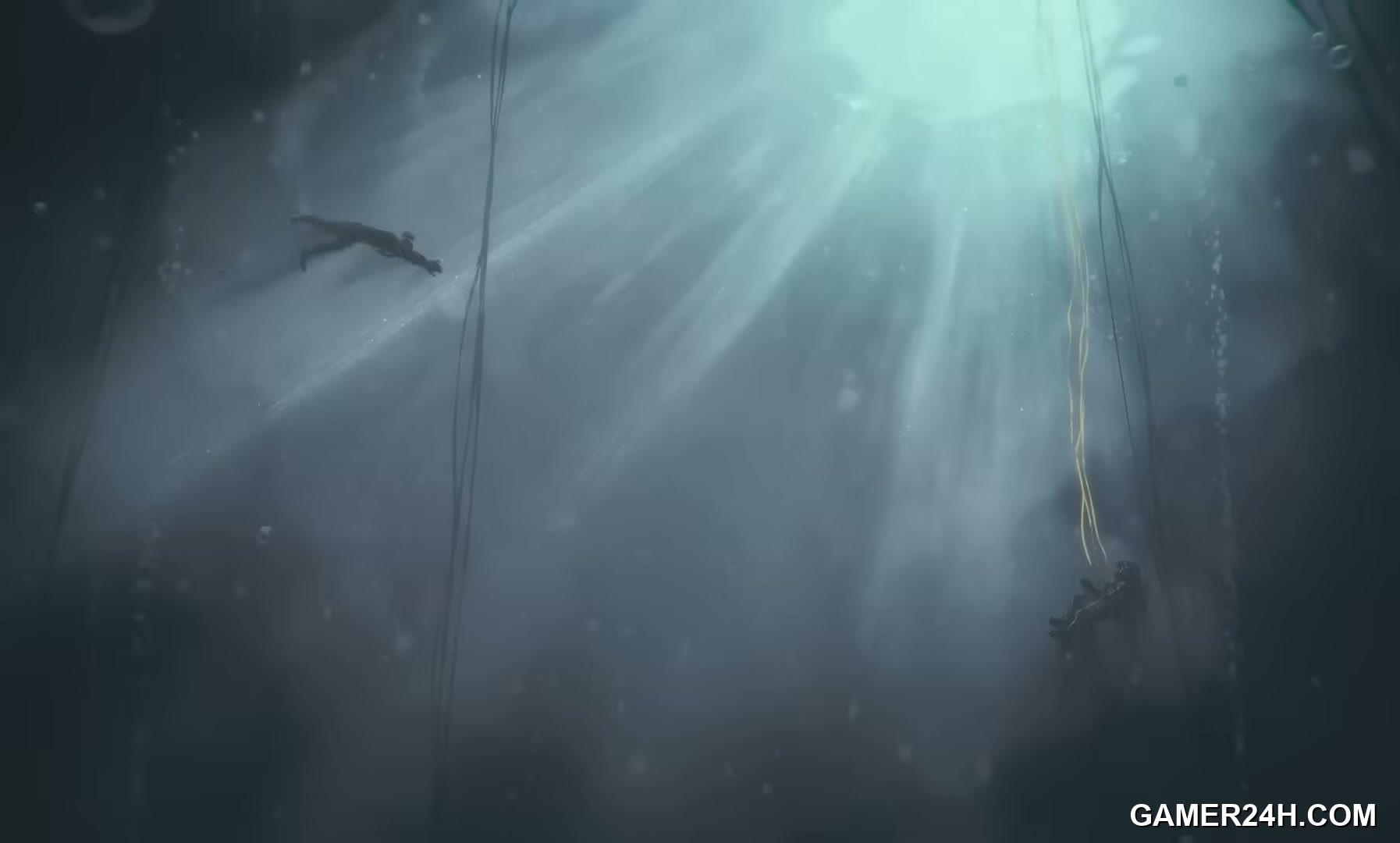
Story & Adaptation: Honoring the Source Material
Adapting “Death Stranding” for television or film presents a significant challenge—how does one translate its complex narrative, rich lore, and intricate gameplay mechanics into a cohesive cinematic experience? The story of “Death Stranding,” set in a post-apocalyptic America where mysterious creatures called BTs threaten the world with their gravitational pull, is not just about survival; it’s a profound exploration of themes like isolation, connection, and humanity’s resilience. To honor these elements while crafting an engaging narrative for screen audiences, the adaptation must strike a delicate balance between fidelity to the source material and innovative storytelling techniques.
The core premise of “Death Stranding Isolation” revolves around the protagonist Sam Porter Bridges (Norman Reedus) as he navigates a fragmented nation, delivering essential supplies and rebuilding connections among isolated communities. Central to this narrative is the concept of “Chiral Bonds,” which represent physical and emotional ties between individuals. The game’s story unfolds through nonlinear storytelling, with narratives revealed gradually as players progress, creating an intricate web of experiences that can be challenging to condense into a linear format.
To address these challenges, the screenwriters have opted for a multi-threaded narrative approach, intertwining Sam’s journey with those of other key characters from both the game and its expanded lore. This includes the enigmatic Bridget (Léa Seydoux), who becomes integral to understanding the deeper mysteries surrounding BTs; and Amelie, Sam’s daughter, whose fate holds crucial implications for the future of mankind.
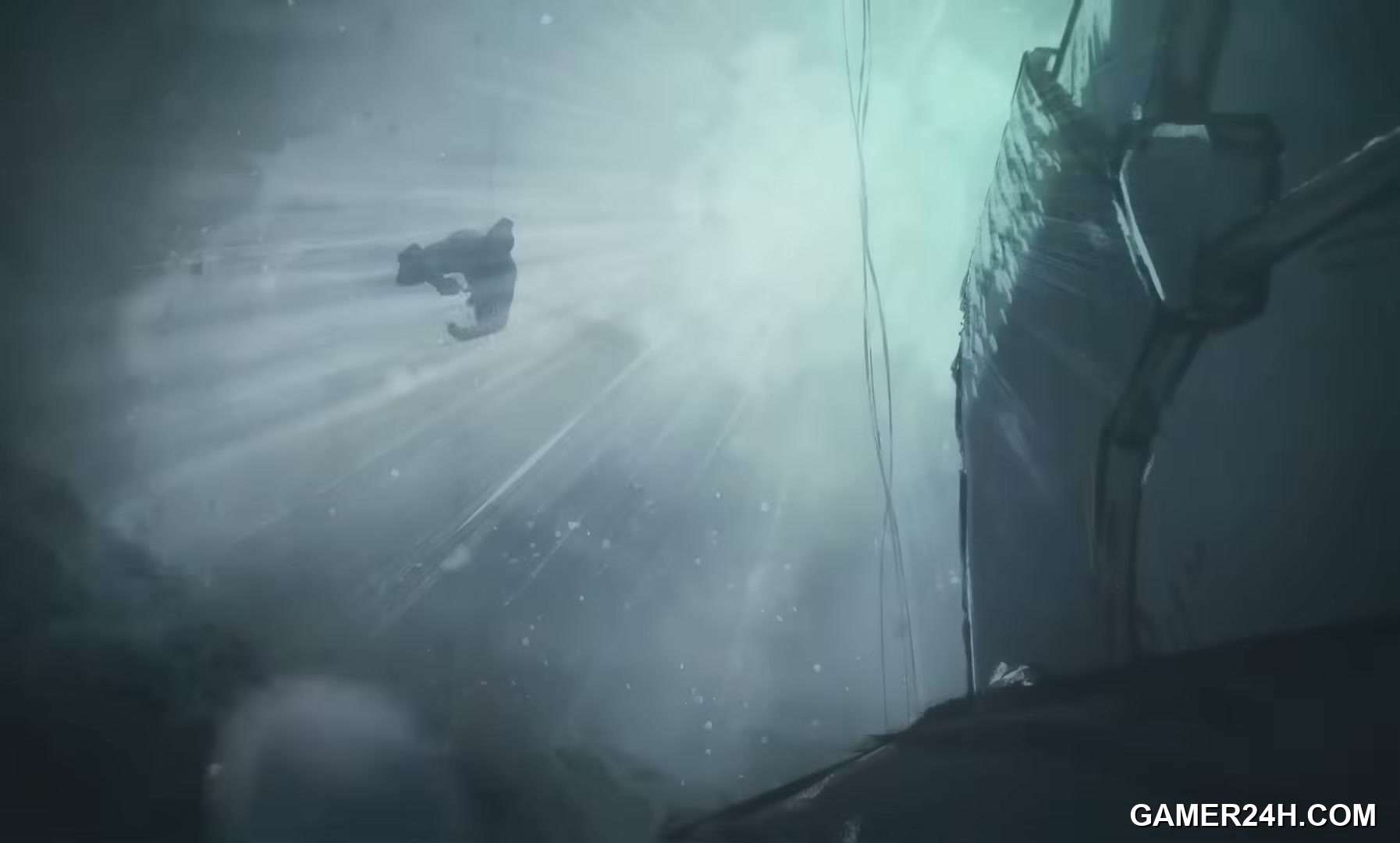
A critical aspect of this adaptation is maintaining the philosophical depth that permeates “Death Stranding.” Themes like existentialism, quantum physics, and the nature of reality are woven seamlessly into the narrative. The film will explore these themes through a blend of exposition, visual symbolism, and emotive storytelling rather than direct exposition, aiming to provoke thought without overwhelming viewers.
Furthermore, the adaptation includes original content that expands upon the game’s lore while respecting its established canon. New characters and backstories add layers to existing narratives, providing context for certain events within the game that were left intentionally ambiguous or hinted at but not fully explored. This approach ensures continuity with “Death Stranding” while enriching the overall narrative tapestry.
In summary, adapting “Death Stranding Isolation” requires a nuanced blend of storytelling techniques and thematic exploration. By embracing both fidelity to the original game’s vision and creative expansion, this adaptation aims to captivate audiences with its unique narrative style and deep philosophical undertones, setting a new standard for multimedia adaptations in an era where games are increasingly becoming the foundation for cinematic universes.
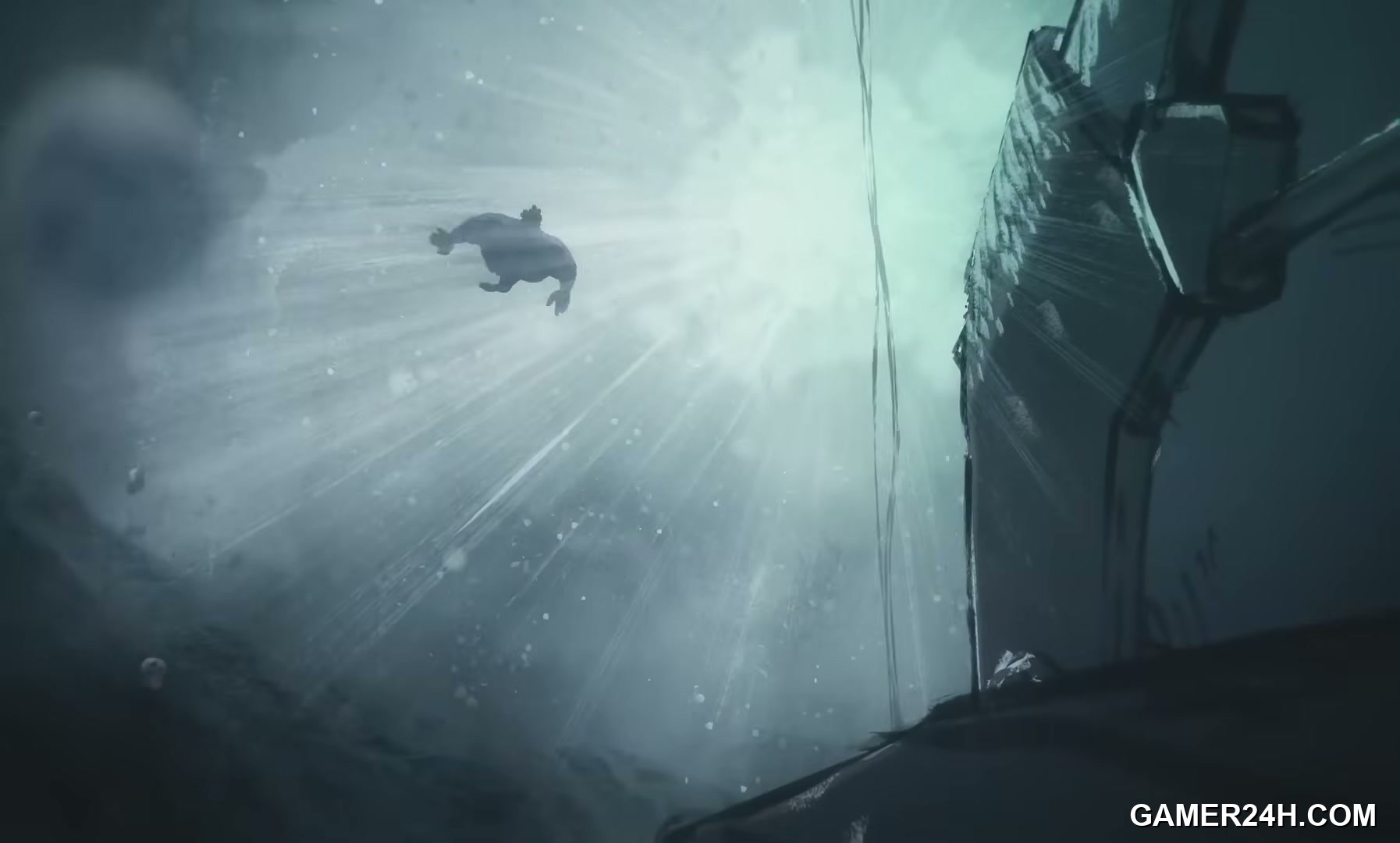
Cinematic Atmosphere & Scale
One of the most remarkable aspects of “Death Stranding Isolation” is its ability to transport viewers into a meticulously crafted world that combines both realism and surrealism. The film aims to create an atmospheric experience that mirrors the game’s distinctive visual style while enhancing it with cinematic techniques unique to live-action storytelling.
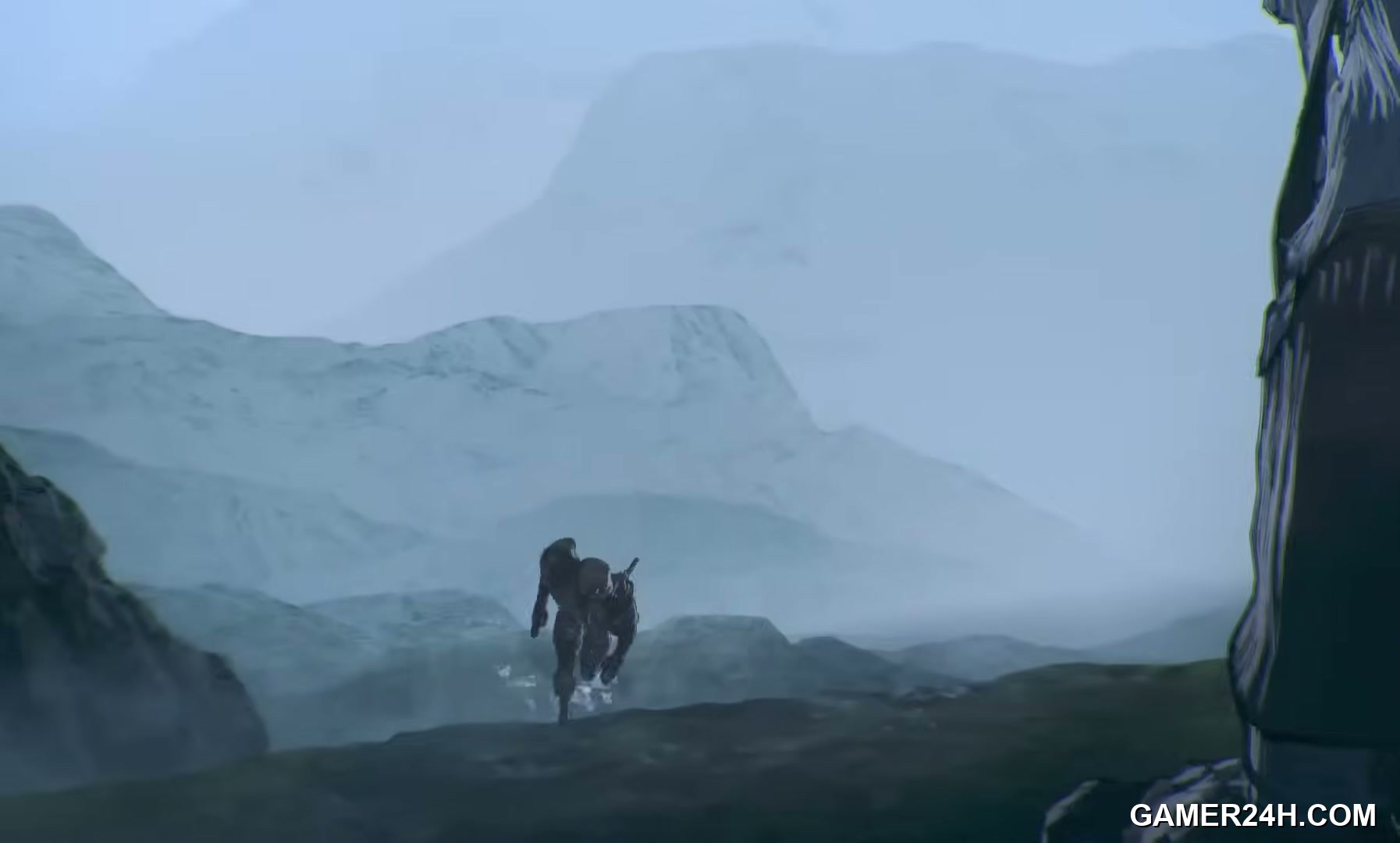
The narrative unfolds across vast, desolate landscapes reminiscent of post-apocalyptic America, where the remnants of civilization struggle against nature’s reclaiming force. To capture this essence on screen, extensive pre-production went into scouting and creating realistic yet fantastical settings that blend seamlessly with CGI enhancements. The use of practical effects for environmental details such as crumbling buildings and overgrown wilderness ensures a tactile realism that enhances immersion.
The film’s scale is equally impressive, employing advanced VFX to depict the game’s iconic BTs—ethereal entities representing the dead that cast gravitational pulls across the world. These creatures are brought to life through innovative lighting techniques and dynamic camera work, capturing their haunting presence while maintaining a sense of awe and mystery.
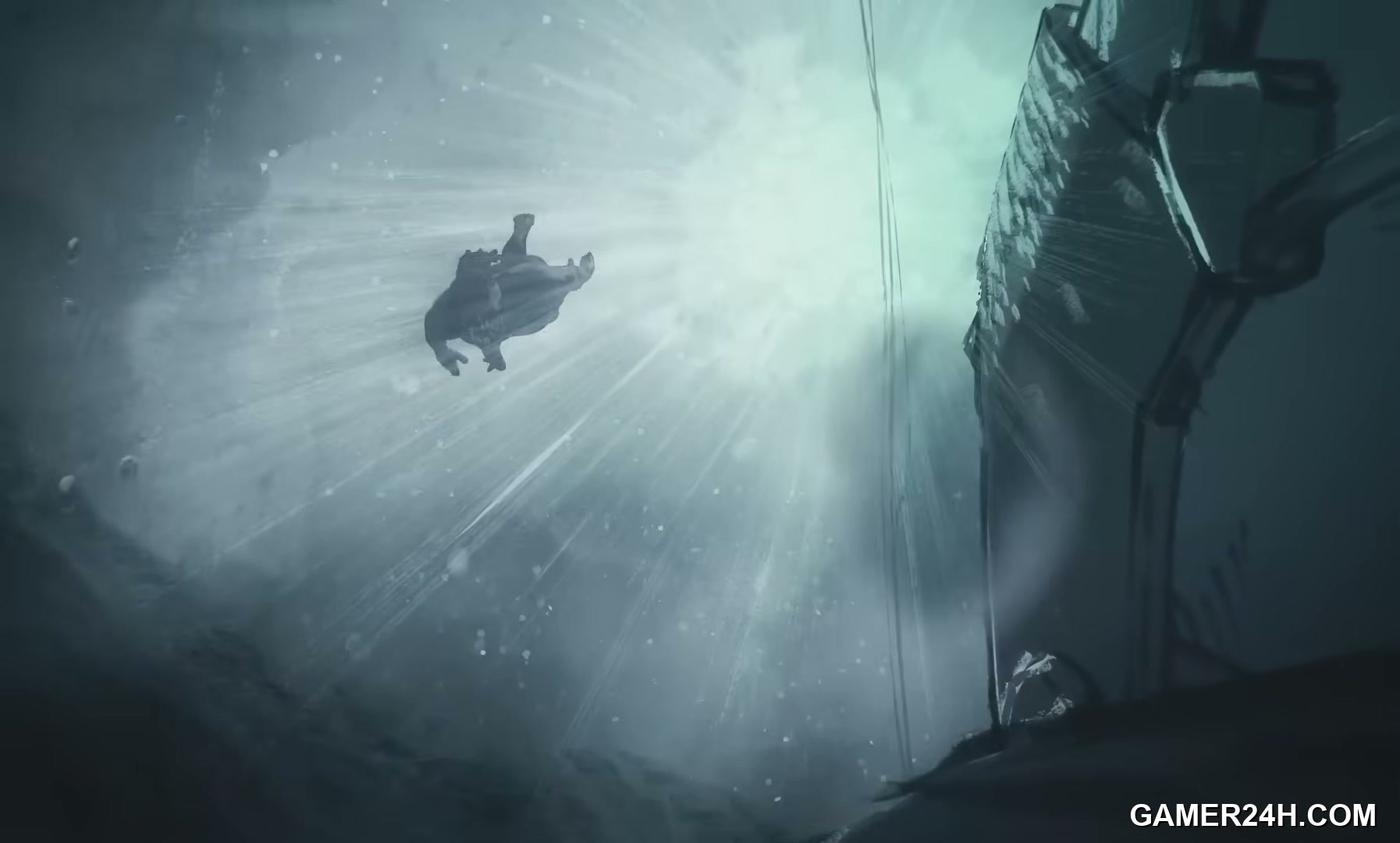
Moreover, the production leverages cutting-edge technology such as 3D scanning for character models and motion capture with facial tracking to achieve lifelike performances from actors like Norman Reedus. This attention to detail in both small-scale interactions and large-scale set pieces ensures that every moment feels meticulously crafted.
In addition to visual elements, the film’s atmosphere is reinforced through a rich soundscape designed to enhance emotional resonance. Ambient noises of nature reclaiming towns and cities, combined with haunting musical scores by composer Ludvig Forssell, create an immersive auditory experience that complements the visuals.
The narrative’s exploration of isolation and connection is further emphasized through deliberate pacing and cinematography choices. Wide shots capture the vast emptiness of the world, contrasting sharply with intimate close-ups that highlight human connections amidst adversity. This juxtaposition not only underscores the thematic depth but also adds a layer of emotional complexity to the storytelling.
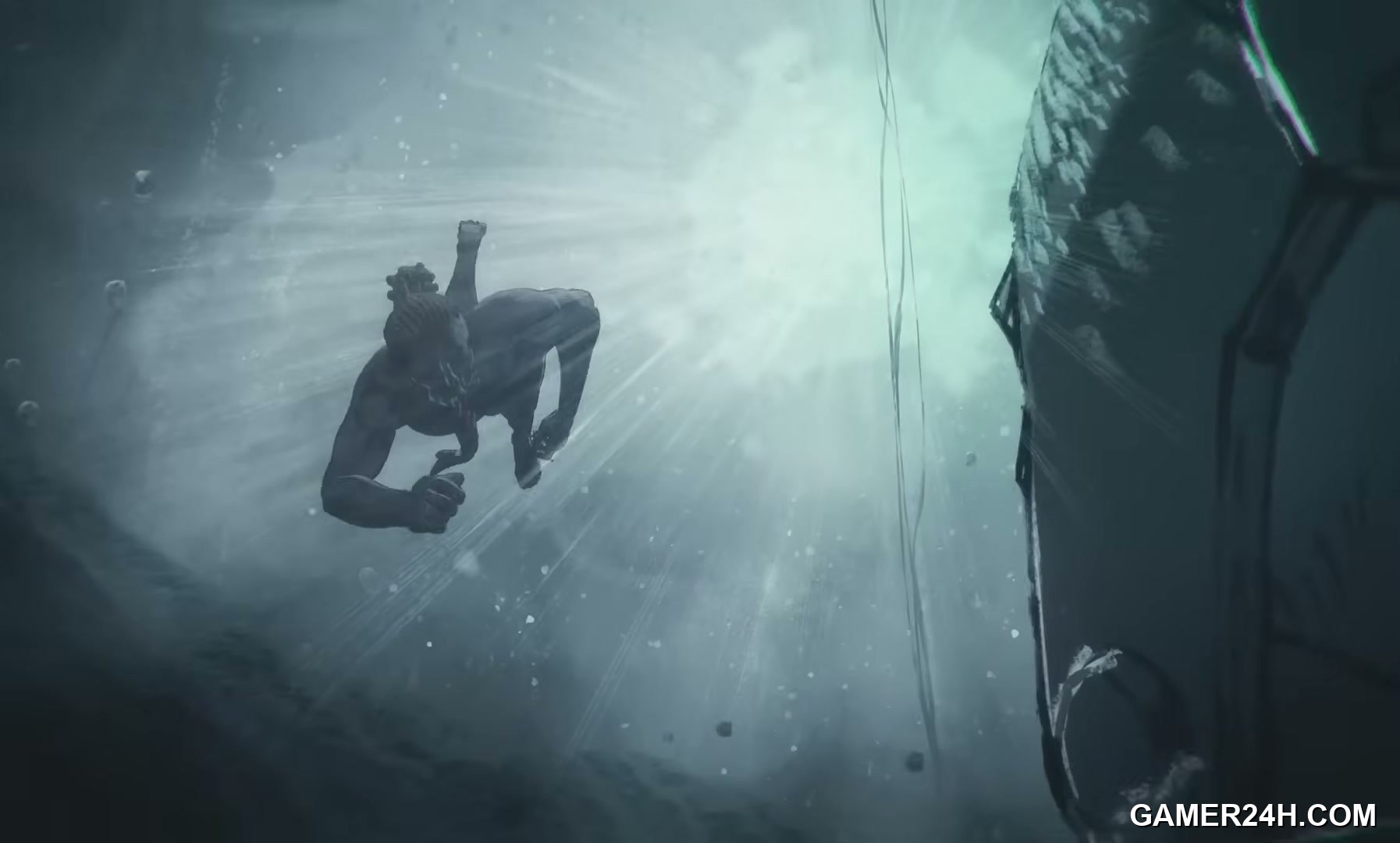
In summary, “Death Stranding Isolation” aims to create an unparalleled cinematic atmosphere and scale by blending practical effects with cutting-edge technology and thoughtful artistic direction. Each visual and auditory element works cohesively to transport viewers into a world that is both familiar yet surreal, echoing the game’s unique narrative style while expanding its impact through live-action storytelling.