The Genre Genesis: From Modern Titans to 2000 Pioneers
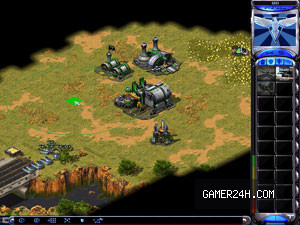
Rapid-fire isometric base construction from dedicated sidebars (instantaneous queue building without pulling player screen focus away from active combat fronts), asymmetric faction weapon doctrines (Allied high-tech chronoshifting teleportation, prism laser arrays, and weather manipulation versus Soviet brute-force armored columns, Tesla electrical coils, psychic mind-control, and heavy Kirov dreadnoughts), and urban civilian building garrison tactical warfare—from Command & Conquer: Generals, StarCraft II, Company of Heroes, Act of Aggression, and modern real-time strategy games—trace their most energetic Cold War peak to October 23, 2000 with Westwood Pacific's immortal masterpiece, Command & Conquer: Red Alert 2.
Directed by lead designer Dustin Browder (who later directed StarCraft II) at Westwood Pacific in Irvine, California under executive producer Brett Sperry with an unforgettable industrial metal soundtrack composed by Frank Klepacki (headlined by the iconic "Hell March 2"), Red Alert 2 stands as the absolute pinnacle of classic Westwood 2D sprite-based RTS design. Selling over two million copies worldwide, it remains one of the most beloved and replayed strategy games in PC history.
Platform Context & Gaming Environment
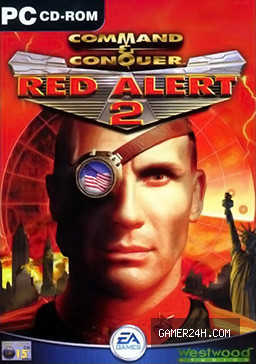
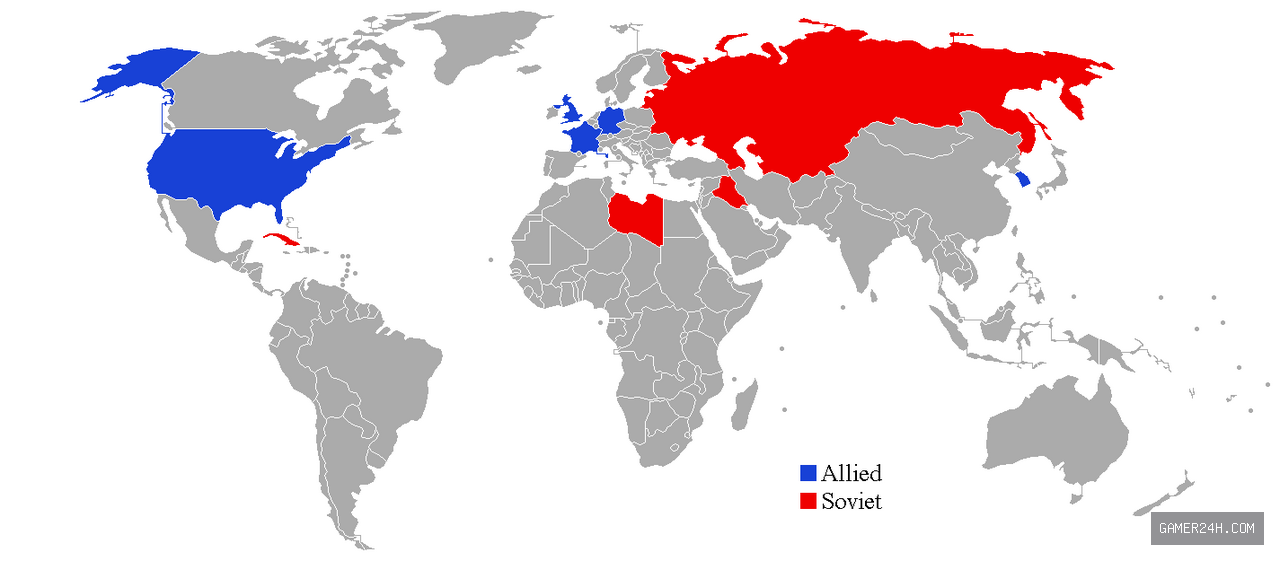
Following the Allied victory in the original *Red Alert*, Soviet Premier Alexander Romanov pretends to be a peaceful puppet of the United Nations while secretly rebuilding the Red Army. When the Soviet Union launches a surprise surprise multi-pronged invasion of the United States—disabling American nuclear silos with the psychic powers of mysterious advisor Yuri (memorably portrayed by iconic German actor Udo Kier)—the world erupts into global war. Players command either the Allies (led by General Carville and Special Agent Tanya Adams) or the Soviets (led by General Vladimir and Premier Romanov) across battlegrounds in New York City, Washington D.C., the Florida Keys, Paris, Chicago, and Moscow.
Popularity & Cultural Standing: Niche vs. Blockbuster
Red Alert 2 was a massive critical and commercial triumph on PC. Its campy, high-production Hollywood full-motion video (FMV) cutscenes—starring Udo Kier, Ray Wise as the US President, and Kari Wuhrer as Tanya—are legendary pop-culture staples, while Frank Klepacki's *"Hell March 2"* is universally celebrated as one of gaming's greatest battle anthems.
Gameplay Mechanics & Technical Innovations
Red Alert 2 established standard-setting real-time strategy mechanics:
- Asymmetric Faction Superweapons & Tech Trees:
- Allies: High-mobility Prism Tanks (refracting beam lasers), Mirage Tanks (disguised as trees), Rocketeers (flying jetpack infantry), the Chronosphere (teleporting 9 armored vehicles instantly anywhere on the map), and the Weather Control Machine (summoning destructive lightning storms).
- Soviets: Heavy Apocalypse Tanks (dual cannons and auto-repair), Terror Drones (infesting enemy vehicle engines), Tesla Troopers, Kirov Airships (slow-moving indestructible zeppelin heavy bombers), the Iron Curtain (granting temporary invulnerability), and Yuri Clones (mind-controlling enemy units).
- Urban Building Garrisons: Ordering infantry (GI riflemen, Conscripts) inside neutral civilian buildings (skyscrapers, houses, diners), turning structures into heavily fortified automated pillboxes that sweep streets with crossfire.
- Unit Promotion Veteran Engine: Units accumulate combat experience by destroying enemy targets; earning Veteran and Elite status grants rapid auto-healing, increased firing rates, enhanced armor, and explosive red laser / high-damage projectiles.
- Streamlined Right-Side Interface Sidebar: Constructing buildings, defenses, infantry, and armor simultaneously through categorized tabs without losing command of the battlefield camera.
Historical Legacy & Archival Preservation
Command & Conquer: Red Alert 2 is permanently enshrined in the World Video Game Hall of Fame as the absolute gold standard of classic 2D base-building real-time strategy.