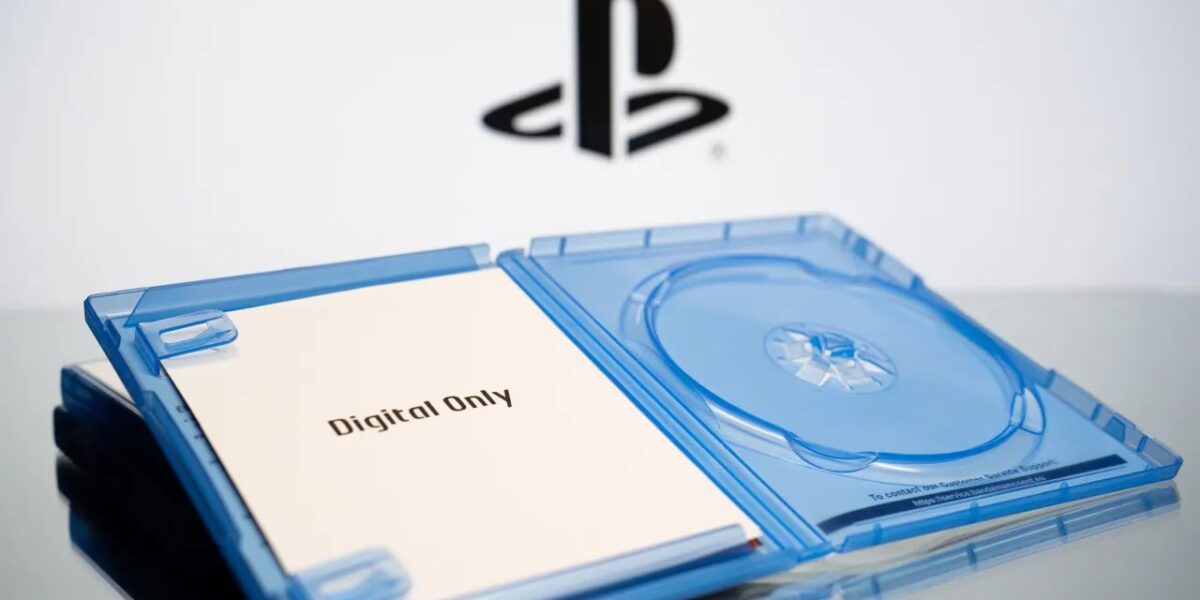
In a move that’s sent shockwaves through the gaming community, Sony is pushing back against a class-action lawsuit alleging its online store doesn’t adequately inform players they’re purchasing a revocable license to play games, not outright ownership. This defense has ignited a firestorm of criticism and fueled anxieties about Sony’s planned shift towards an all-digital future.
The Lawsuit: Ownership vs. License
The lawsuit, filed on June 18, 2026, claims that PlayStation fails to clearly disclose that digital game purchases are licenses, not ownership. The company allegedly buries this crucial information in inconspicuous text or separate agreements, forcing consumers to navigate a maze of legal jargon to understand what they’re actually buying.
Sony’s response, filed on August 21st in California’s Northern District Court, argues it has done enough to make this clear. The company contends that the very nature of digital games makes it implausible for consumers to believe they are obtaining “ownership.” The argument hinges on the idea that if ownership were truly transferred, a single user wouldn’t be able to purchase a game (like Resident Evil Requiem) after another has already done so. This implies that the first purchaser doesn’t actually own the game in a way that prevents others from buying it.
Gamer Backlash: “False Advertisement” and Fears of an All-Digital Future
This response has been met with intense backlash online. Gamers are accusing Sony of false advertising and raising concerns about the company’s planned end to physical game disc production, slated for January 2028. Many fear that this move, coupled with the “license, not ownership” model, will leave players completely at Sony’s mercy. They worry that licenses can be revoked at any time, effectively removing access to games they believed they had purchased.
“‘The Software is licensed to you, not sold.’ Then why does the page say I’m ‘Buying’ it? Sounds like false advertisement to me,” one user wrote on X. Another argued, “They can’t simply take away your full game if you have the full file installed and it’s working and complete without the need of servers, and also can’t make unaccessible or unplayable for no reason.” A third urged, “The United States needs to pass a law to catch up with the era of digital media. I should be able to own what is sold to me, and I should be able to do whatever I want to do with what I own.”
Beyond PlayStation: Anti-Competitive Practices and Price Discrimination
The controversy surrounding Sony’s policies extends beyond this lawsuit. In Mexico, lawmakers are accusing the company of “anti-competitive practices” for ending physical disc production, arguing it will stifle competition from independent game retailers. Meanwhile, in the Netherlands, consumer group Stichting Massaschade & Consument is suing over allegations that PlayStation customers are being charged more for digital games compared to those in other countries.
Sony’s Future: A Cautious Approach to Digital Dominance
Despite the mounting pressure and legal challenges, Sony remains committed to its all-digital strategy. In July, CFO Lin Tao stated that the company will “cautiously move this forward,” acknowledging the strong emotions surrounding the issue but emphasizing the importance of exploring how to best engage with gamers in the future digital ecosystem. The coming months will be crucial in determining whether Sony can navigate these challenges and successfully transition to a fully digital gaming landscape, or if it will face further resistance from players who value ownership and control over their games.





Comments
Be the first to comment.